The Warsaw Ghetto was the largest Nazi ghetto established in Europe during World War II and the Holocaust.
Officially created by German authorities on 16th October 1940, in occupied Poland, it became one of the most tragic symbols of the persecution and extermination of the Jewish people.
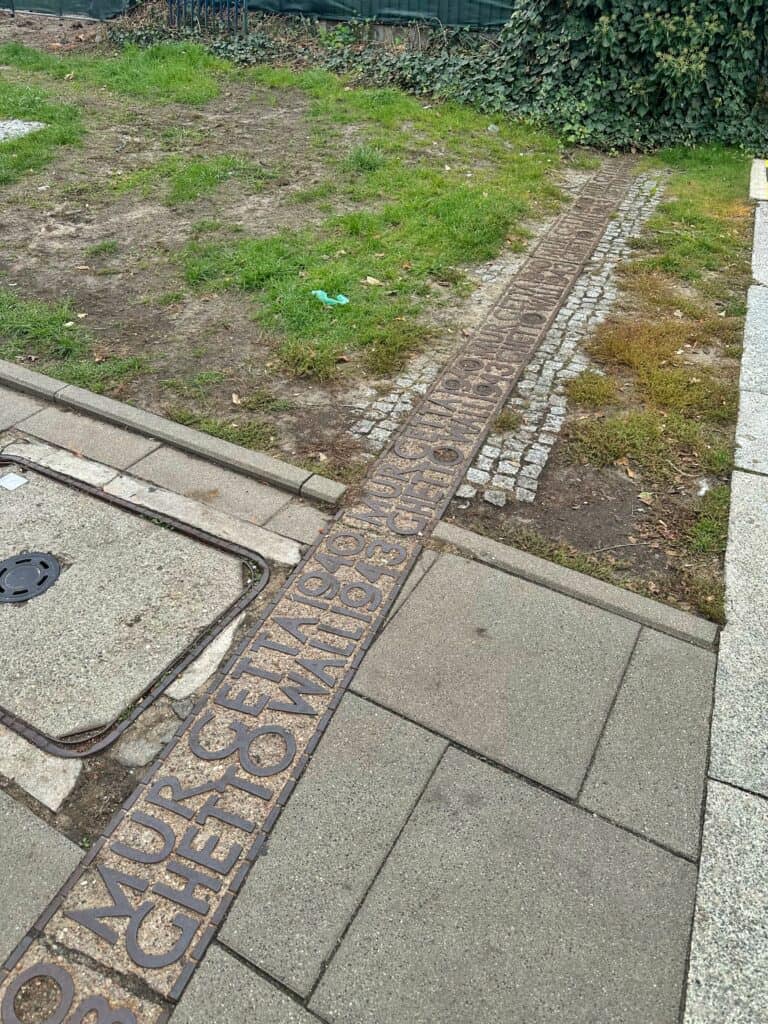
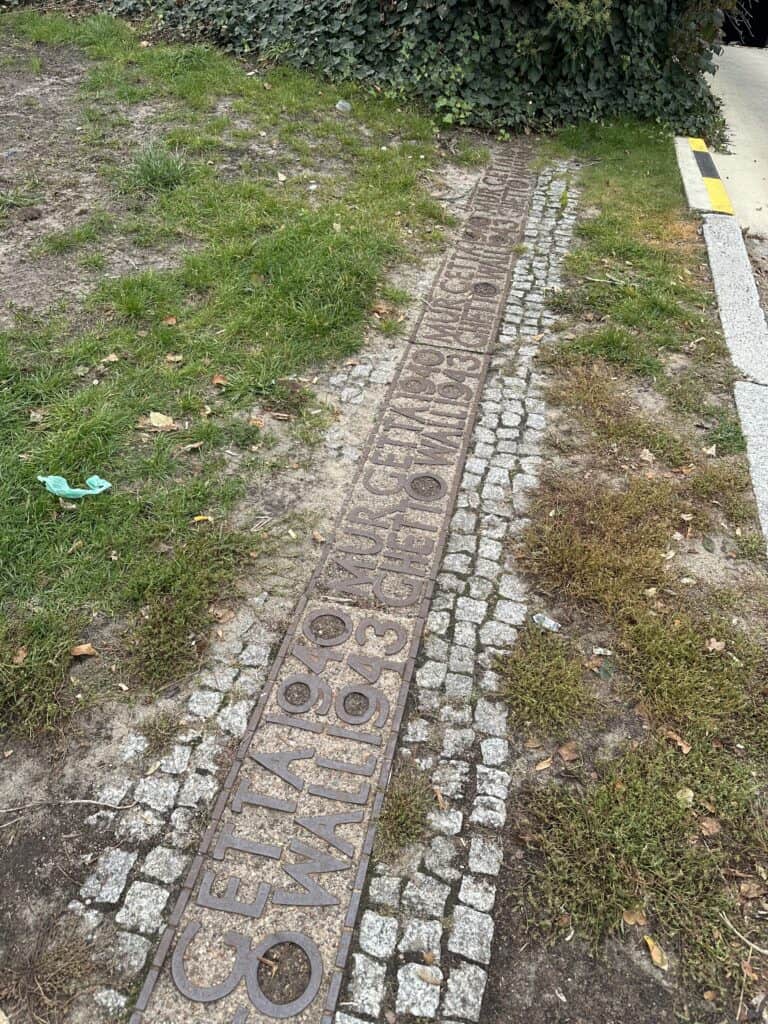
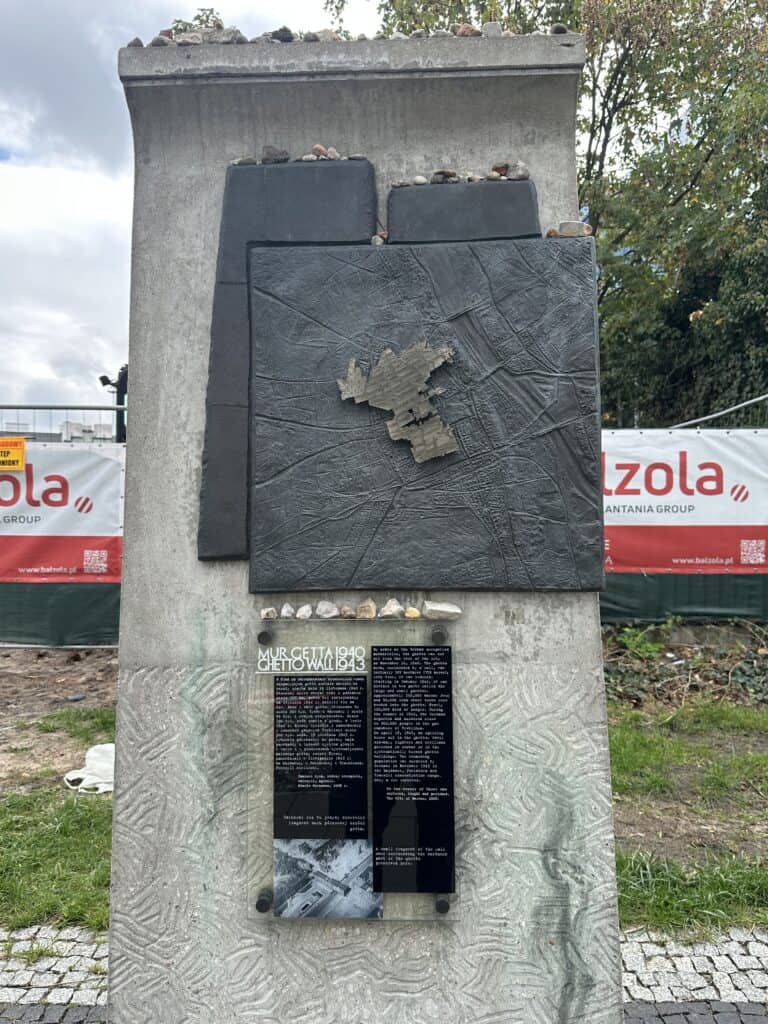
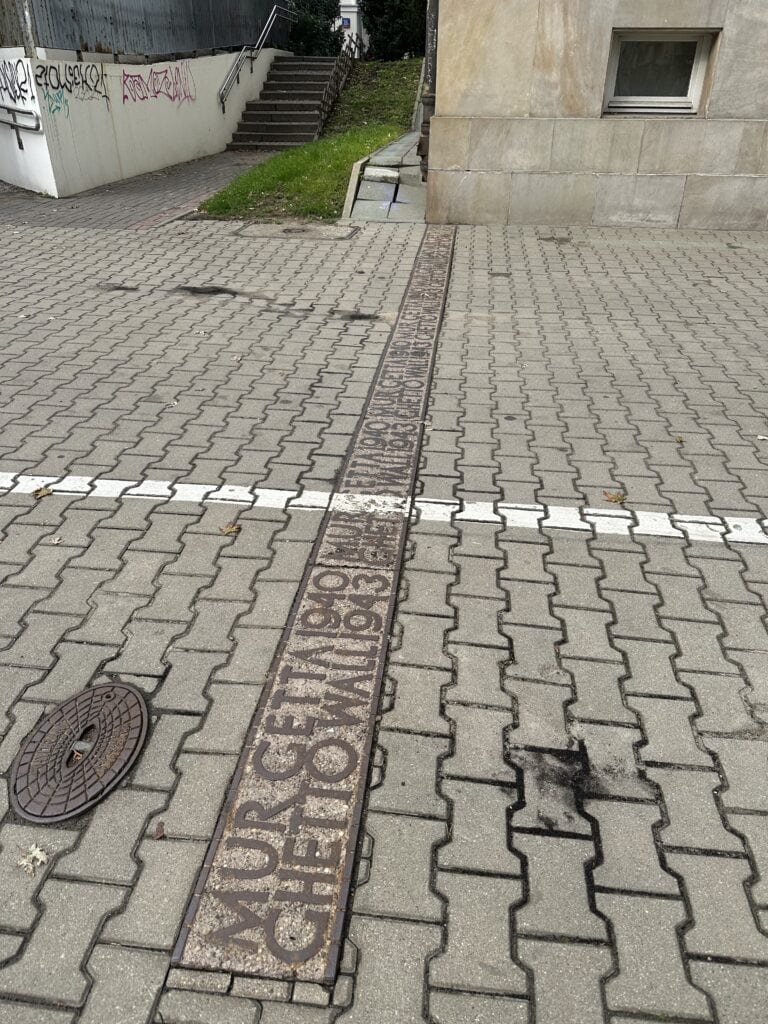
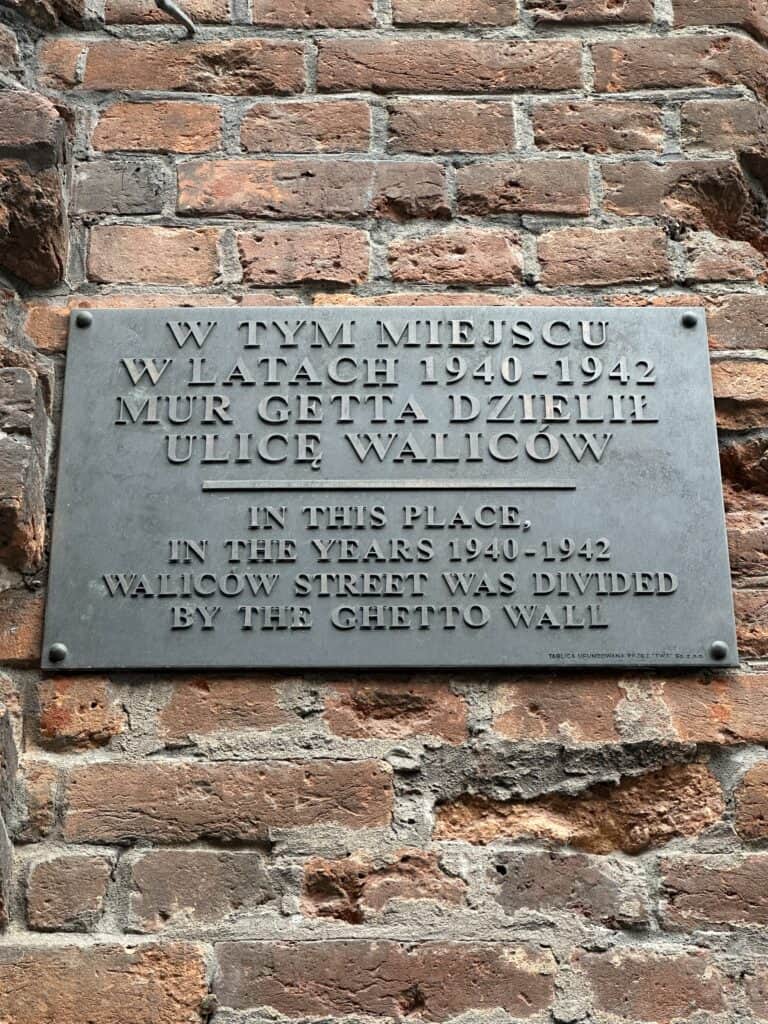
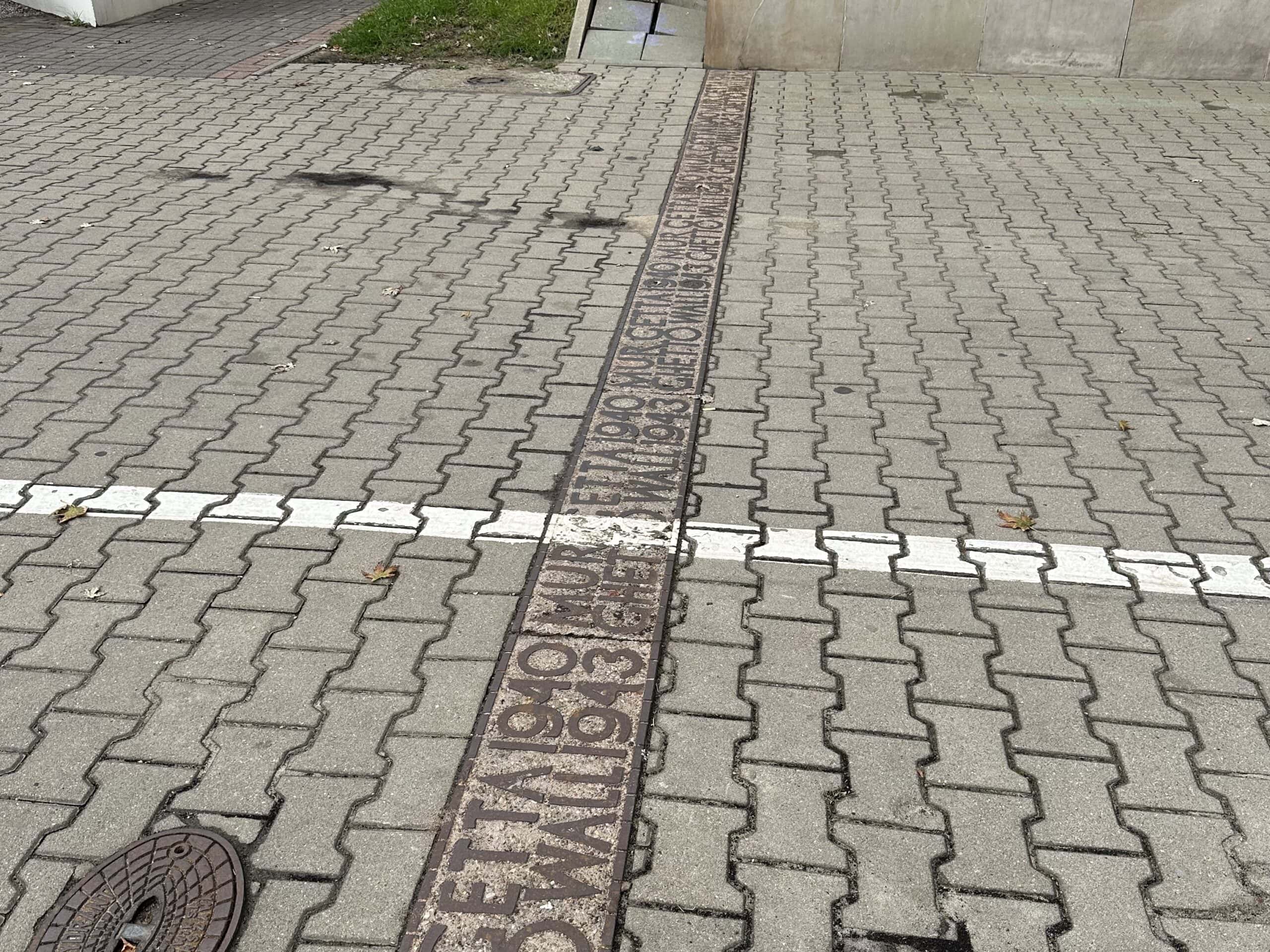
It was completely cut off from the rest of the city by the construction of a wall approximately 3 meters high on 15th November 1940.
At its peak, it covered an area of about 3.5 km² (representing 3% of Warsaw’s total area), yet 30% of the city’s population was forced to live there.
The ghetto held a maximum population of between 400.000 and 450.000 people, including Jewish refugees deported from surrounding regions.
Living conditions within the ghetto were extreme, characterized by severe overcrowding, typhus epidemics, total isolation from outside information, and starvation (official rations for Jews amounted to approximately 184 calories per day). More than 92.000 people died before the deportations began.
Between 22nd July and 21st September 1942, the Nazis carried out the “Großaktion” (Great Action): approximately 250.000 to 300.000 Jews were rounded up and deported to the Treblinka extermination camp, reducing the ghetto’s population to about 55,000 people.
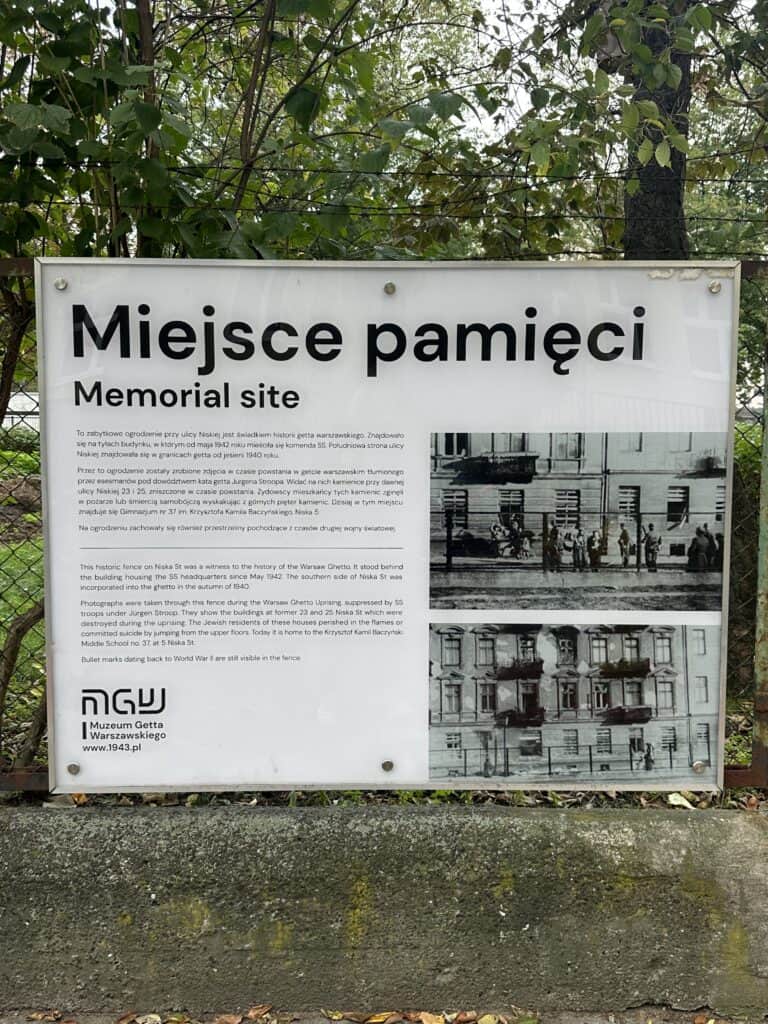
On 19th April 1943, when German troops entered the ghetto to deport the remaining survivors, civilians and Jewish resistance fighters fought back with arms. The Warsaw Ghetto Uprising ended on 16th May 1943: the Nazis set fire to and razed the entire district, building by building, deporting or killing all the survivors.
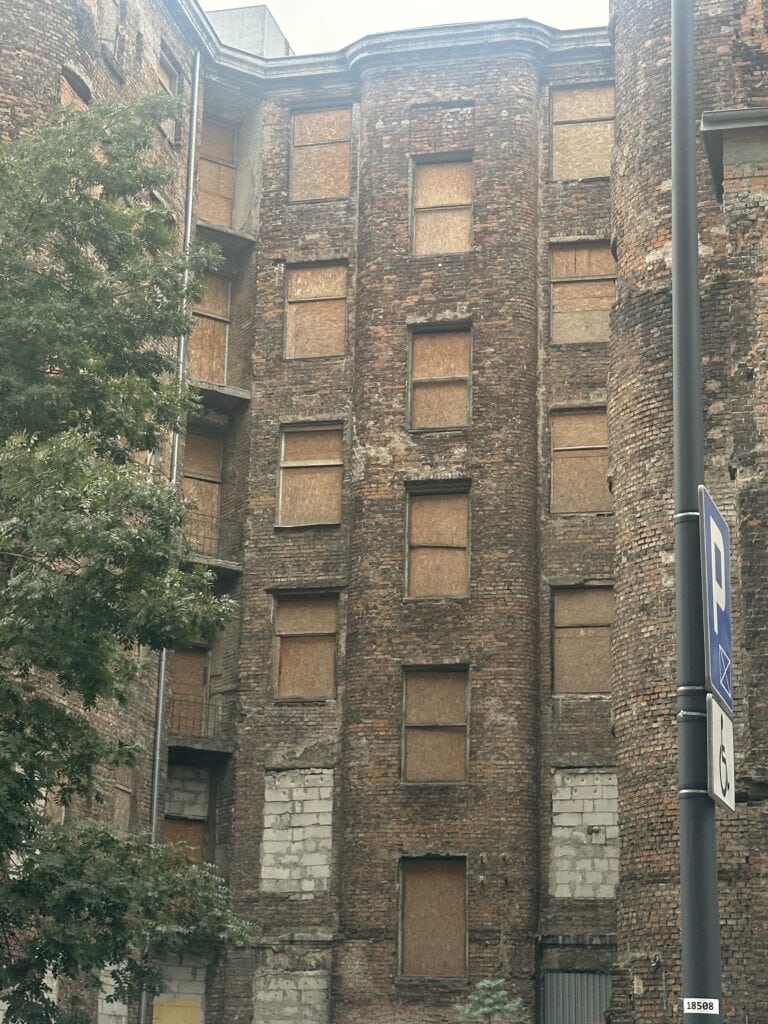
Today, the former ghetto area (largely corresponding to the modern Muranów district) is home to several historical monuments and sites of remembrance.
The Monument to the Ghetto Heroes stands in the square facing the POLIN Museum of the History of Polish Jews (dedicate article) and commemorates the fighters of the 1943 uprising.
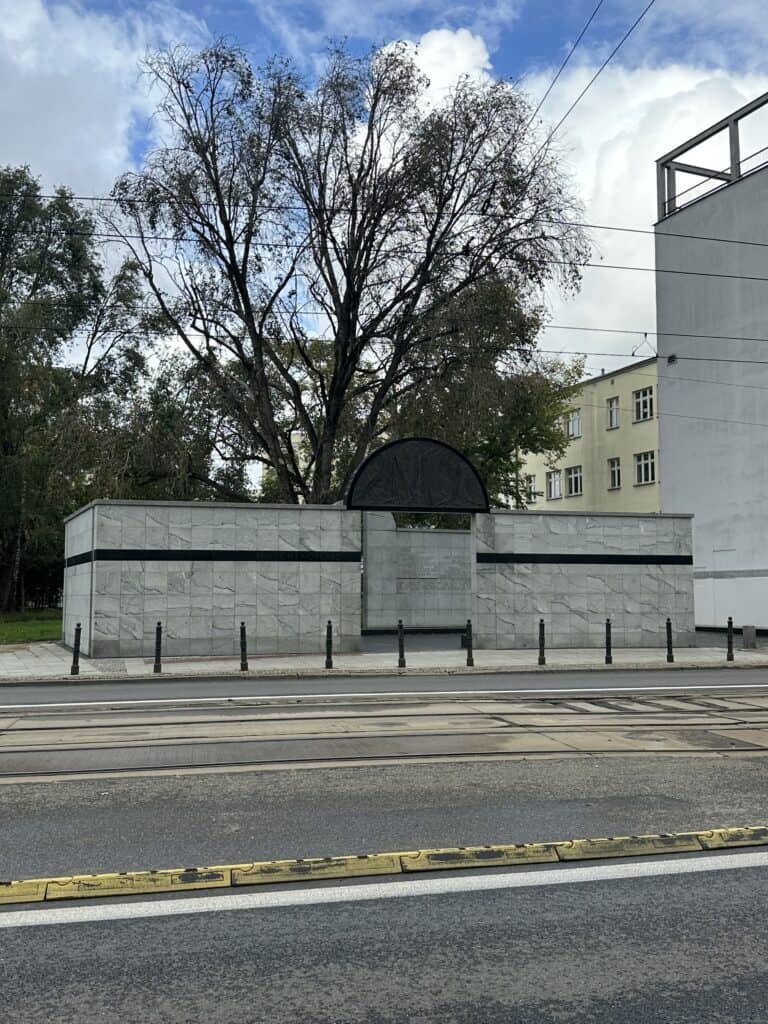
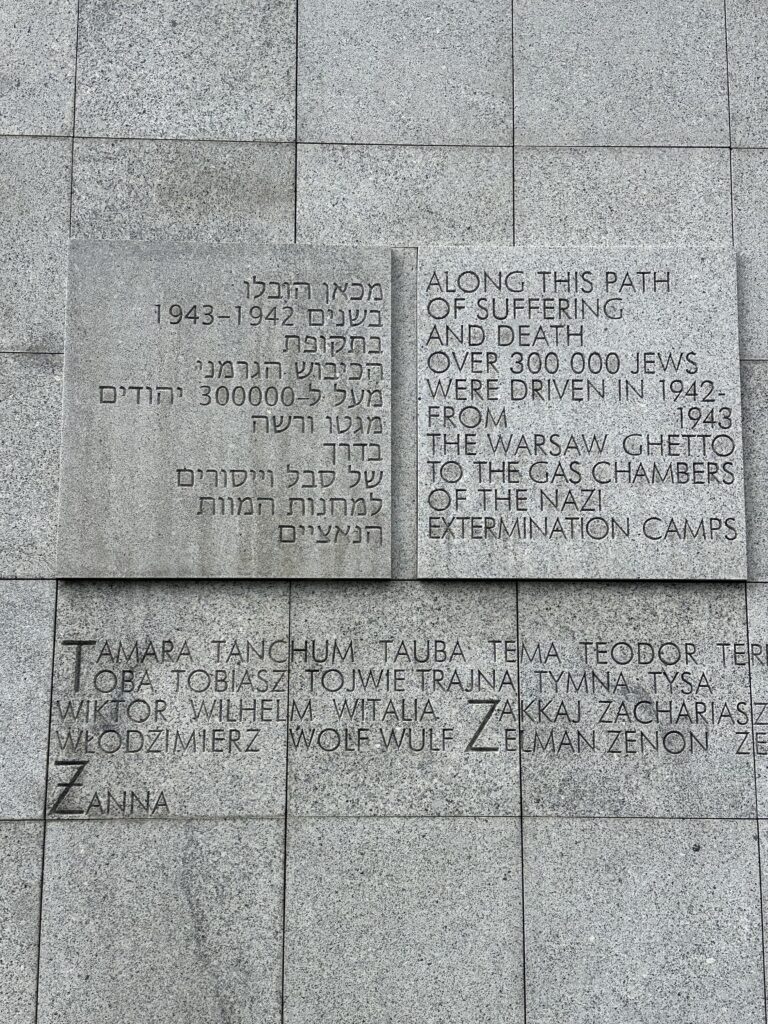
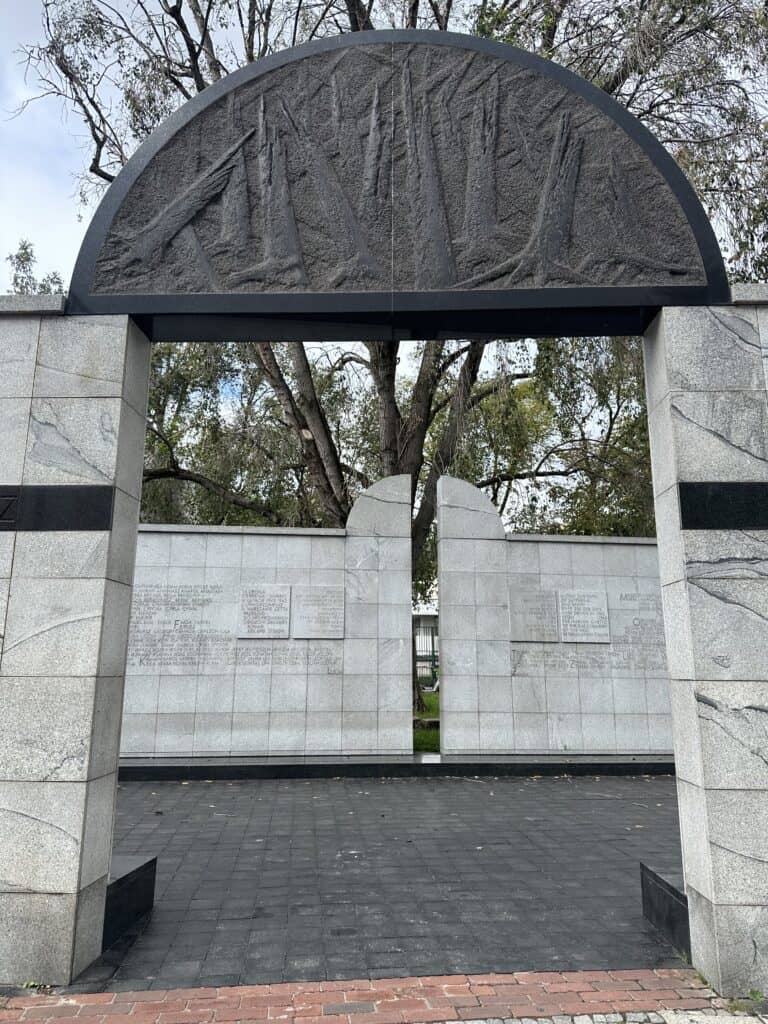
The Umschlagplatz Monument stands at the exact spot where Jews were herded onto railway cars to be sent to Treblinka.
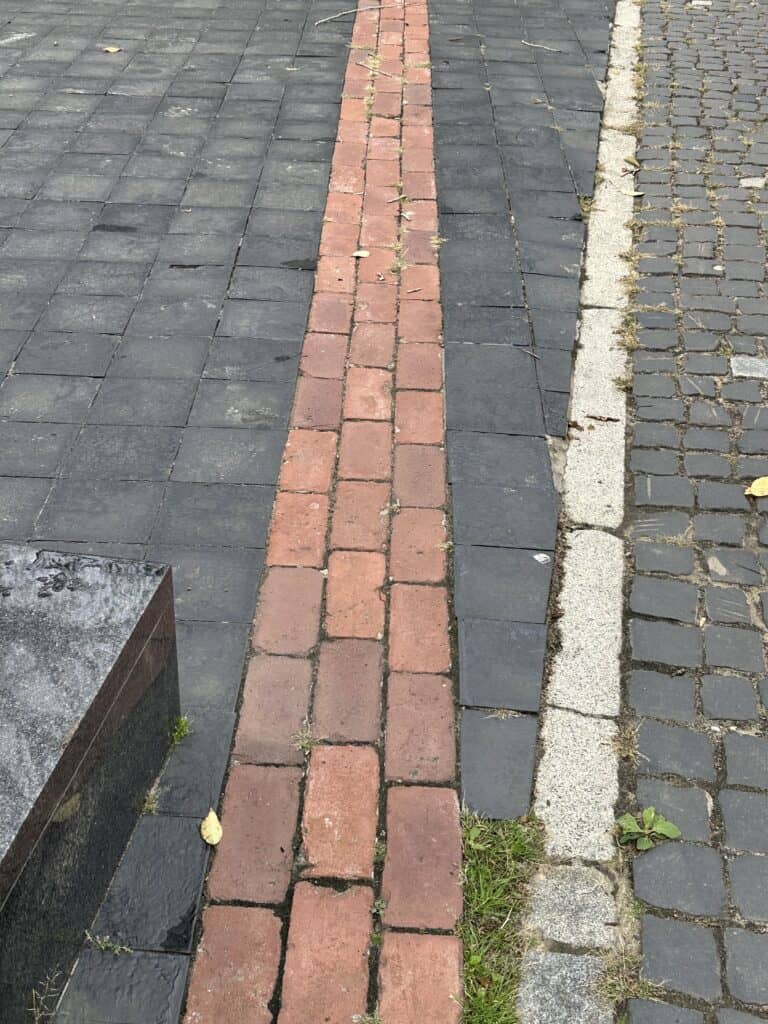
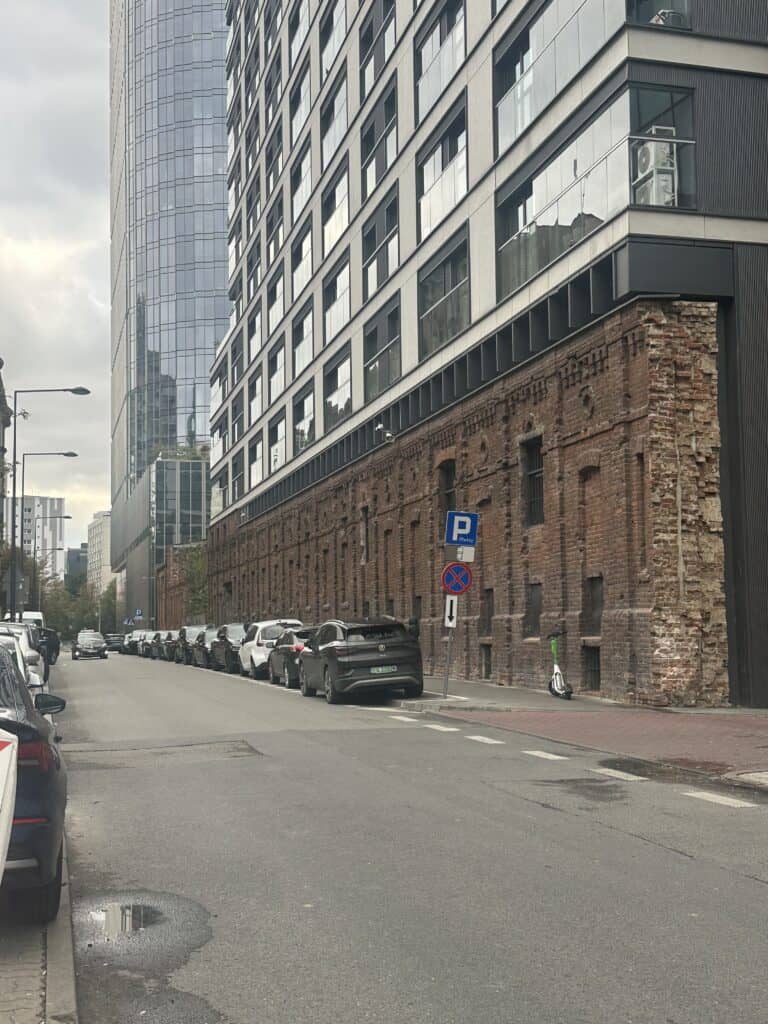
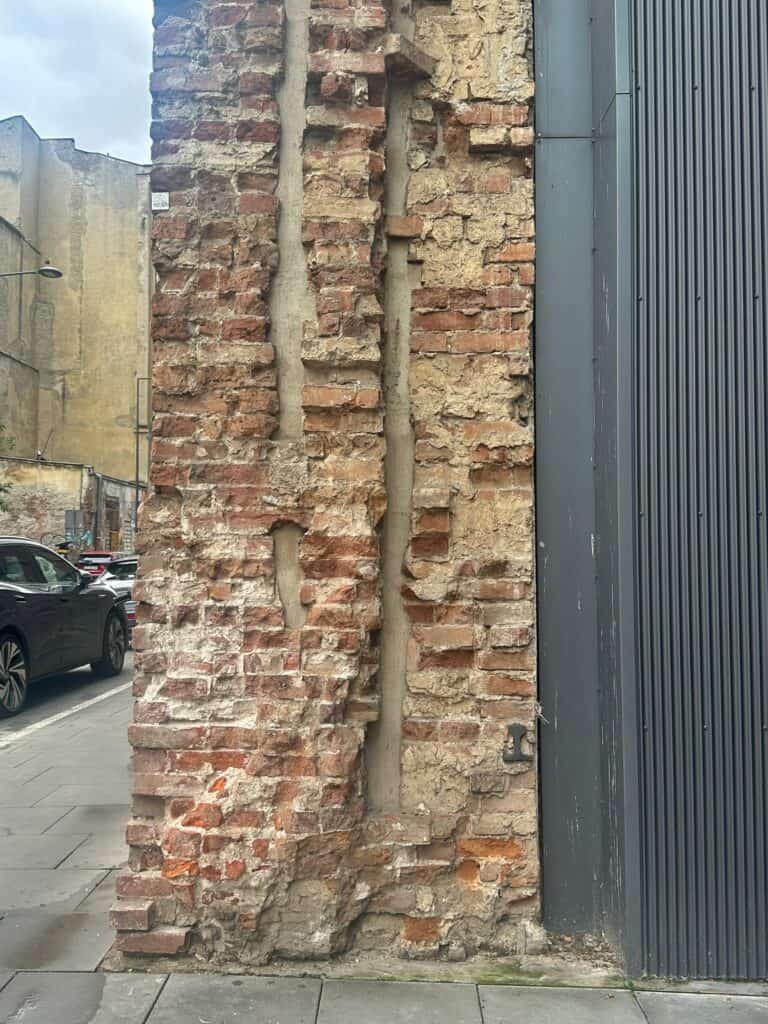
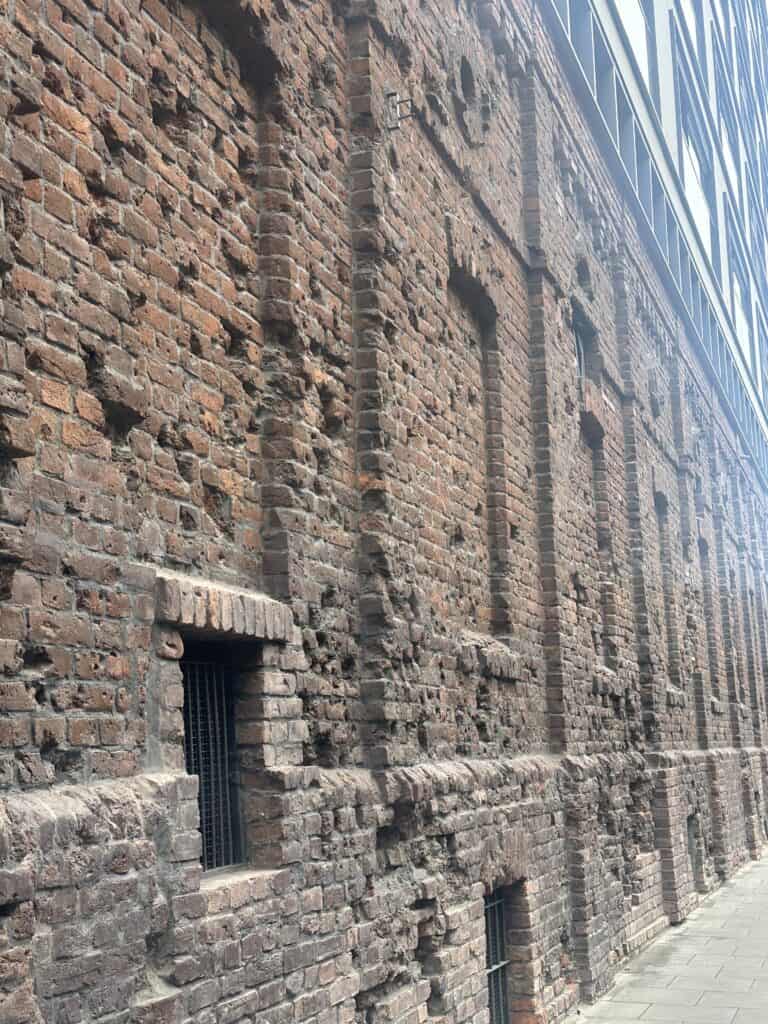
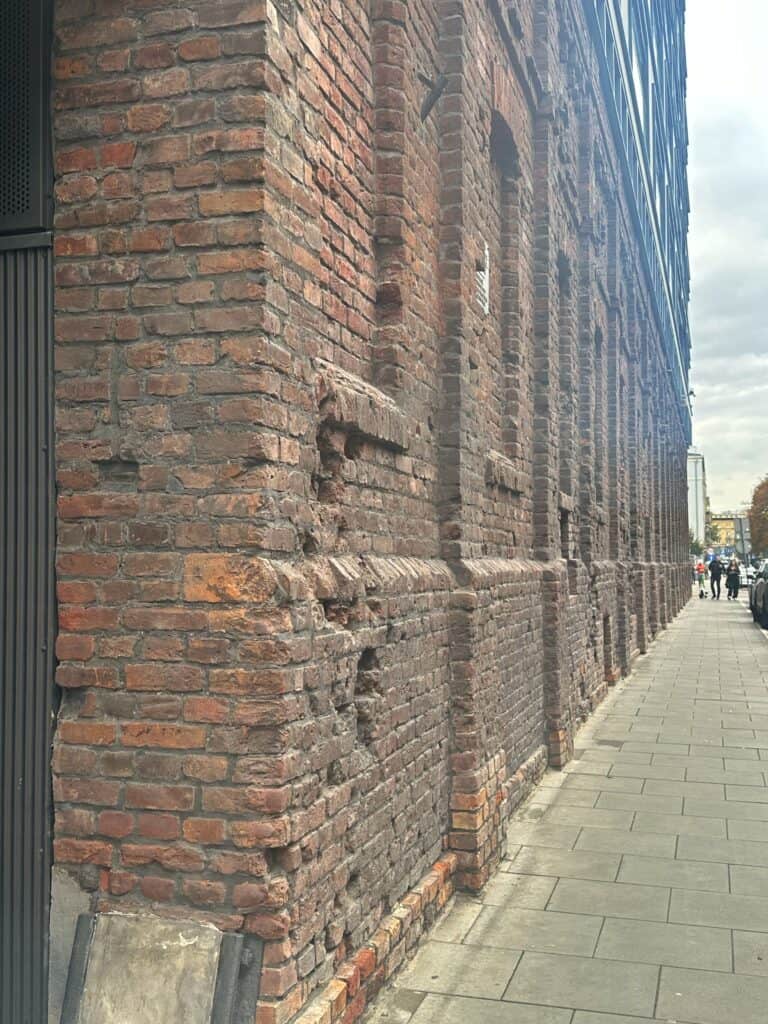
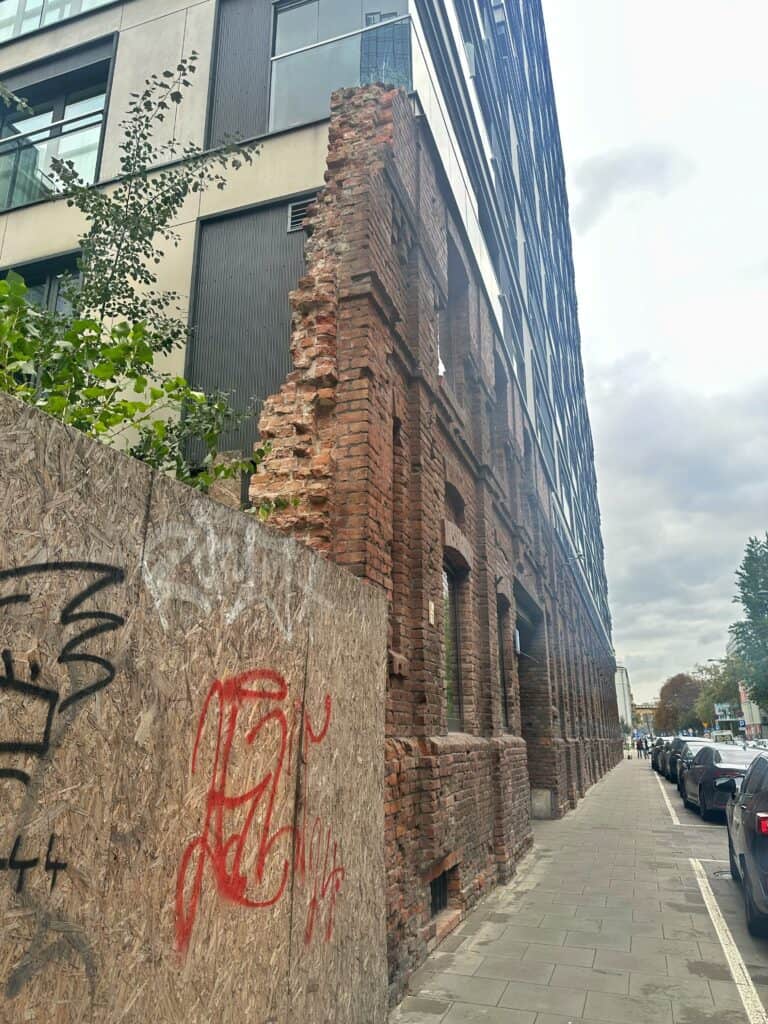
Some fragments of the original red-brick ghetto wall are still visible in the courtyards of Sienna and Złota Streets.
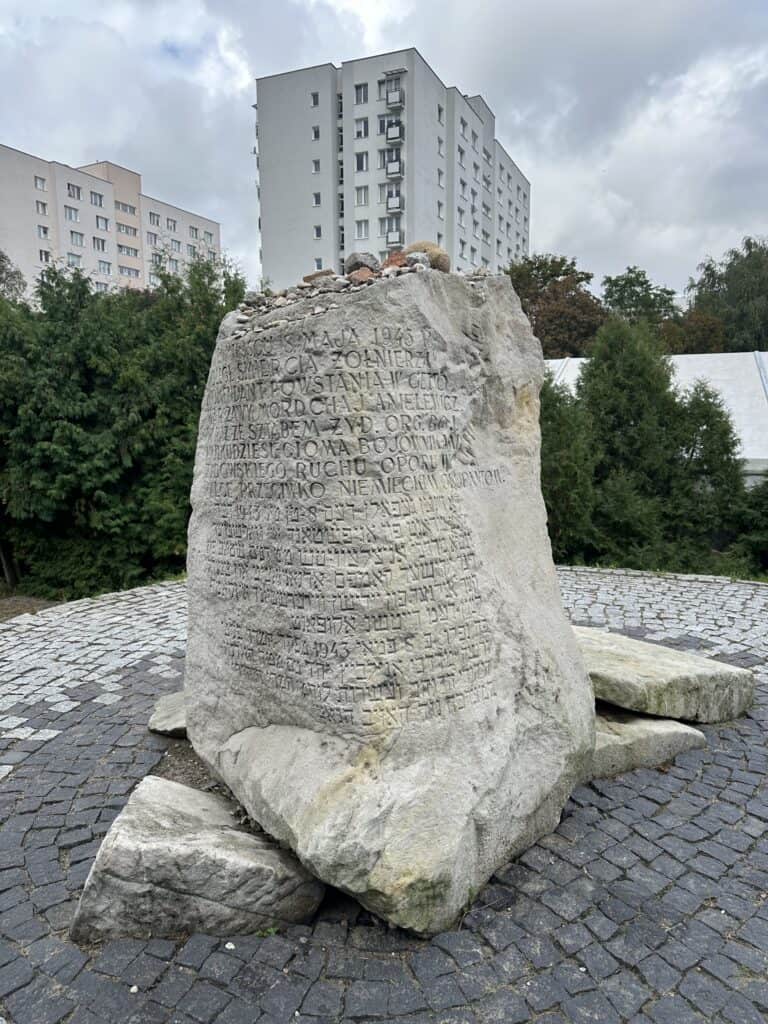
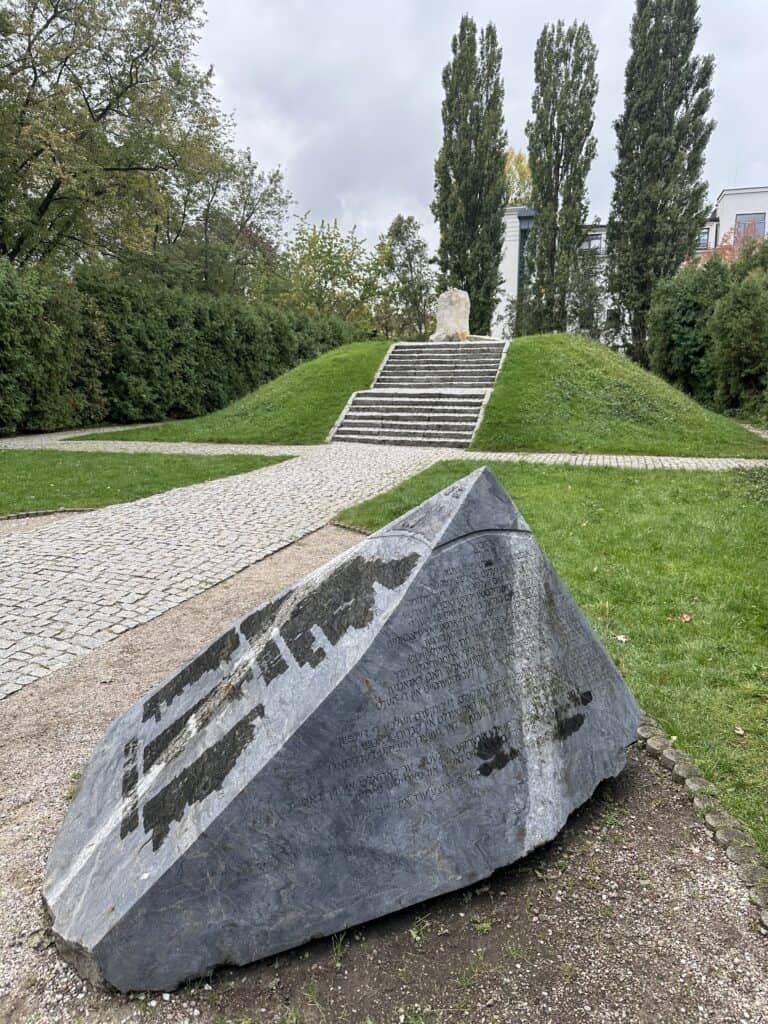
The Anielewicz Bunker Monument is the most famous and tragic symbol of the Jewish resistance’s underground shelters. Today, the site (corresponding to the modern address of 2 Miła Street) is partially occupied by an artificial hill—the Anielewicz Mound—created after the war by piling up rubble from the destroyed ghetto buildings.
At the summit stands the 1946 memorial, featuring an inscription in Polish, Hebrew, and Yiddish in memory of the fallen fighters.