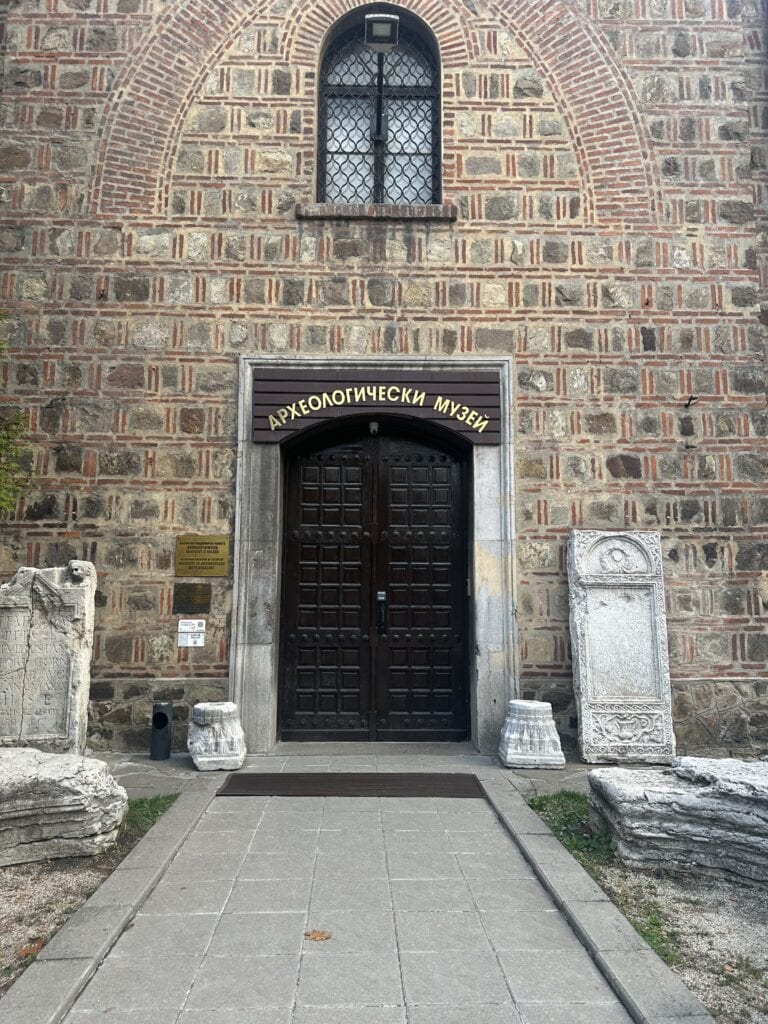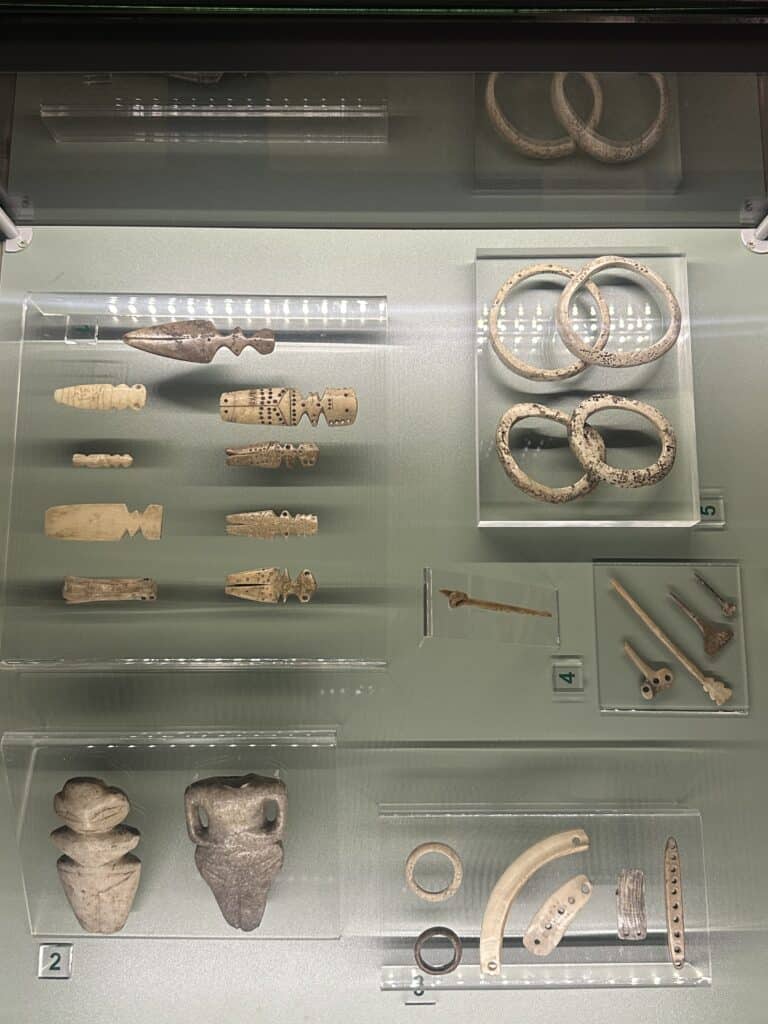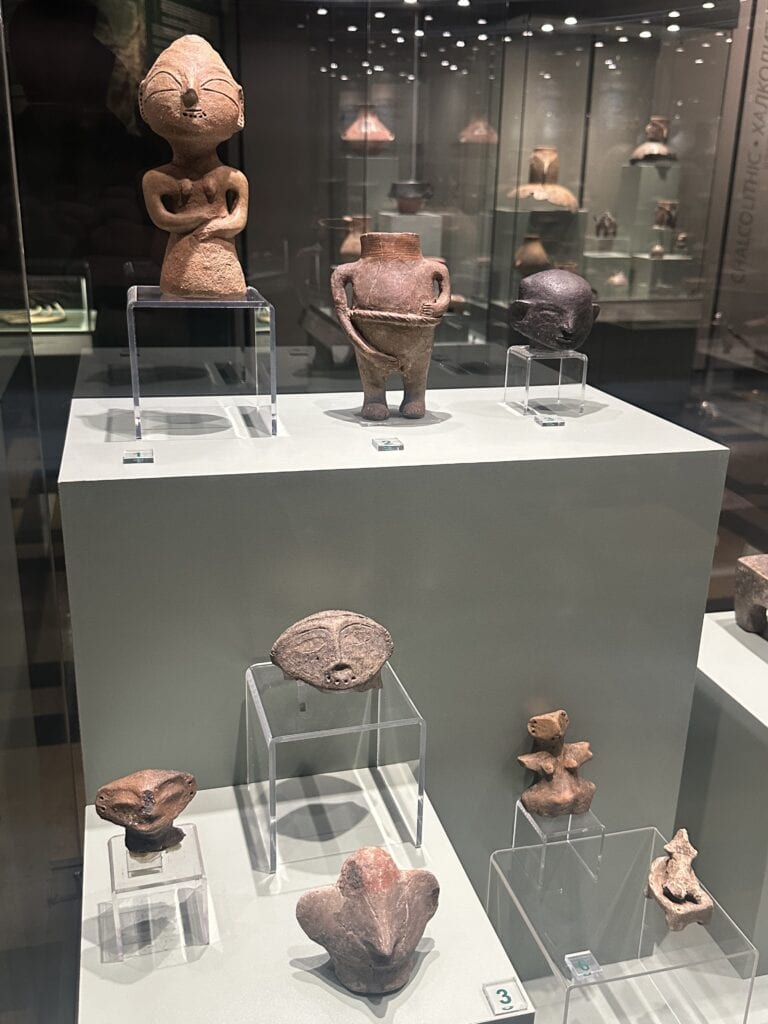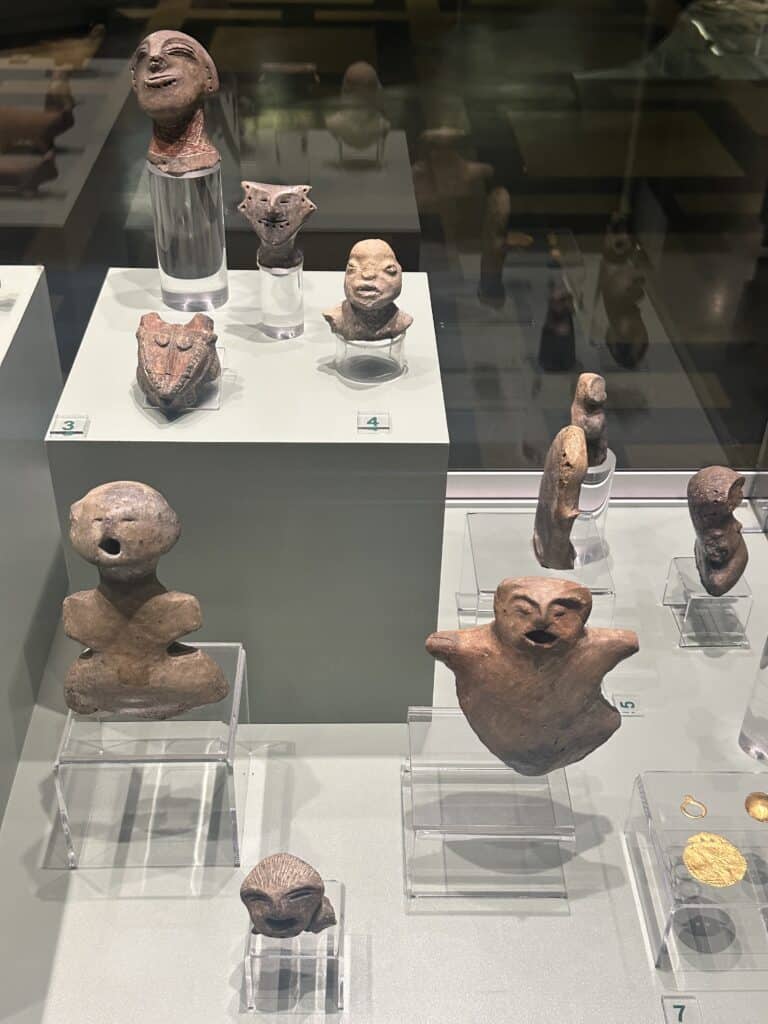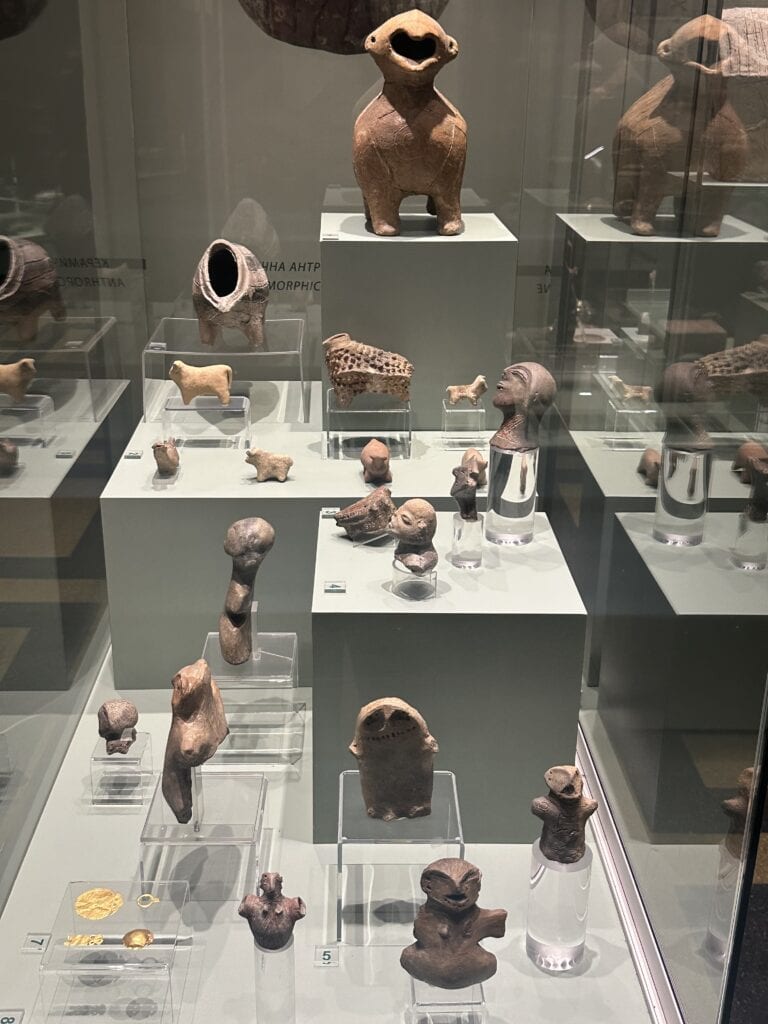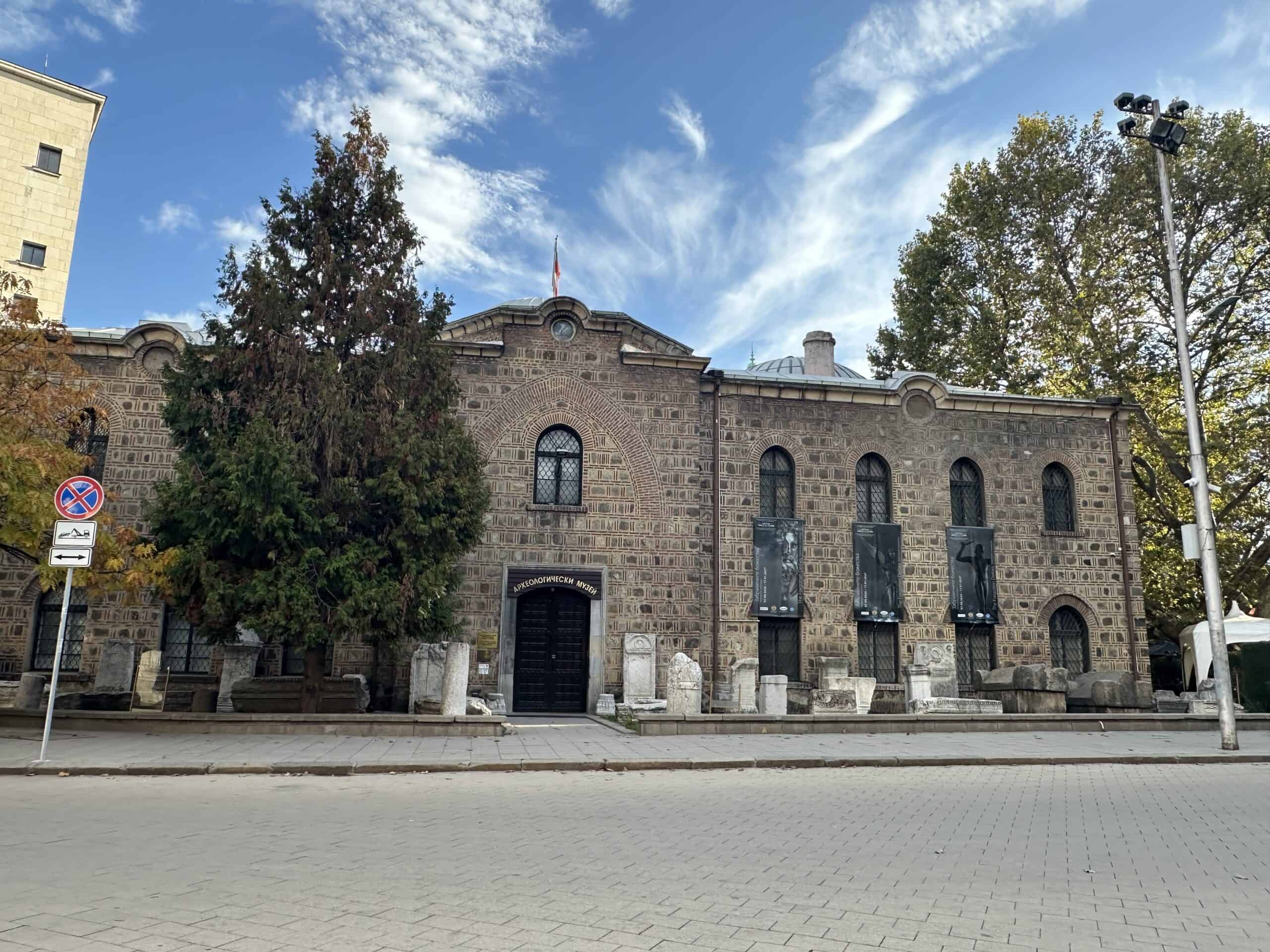
The National Archaeological Museum in Sofia is one of Bulgaria’s most significant cultural institutions, offering a comprehensive overview of the history of the Balkans from prehistoric times up to the 18th century.
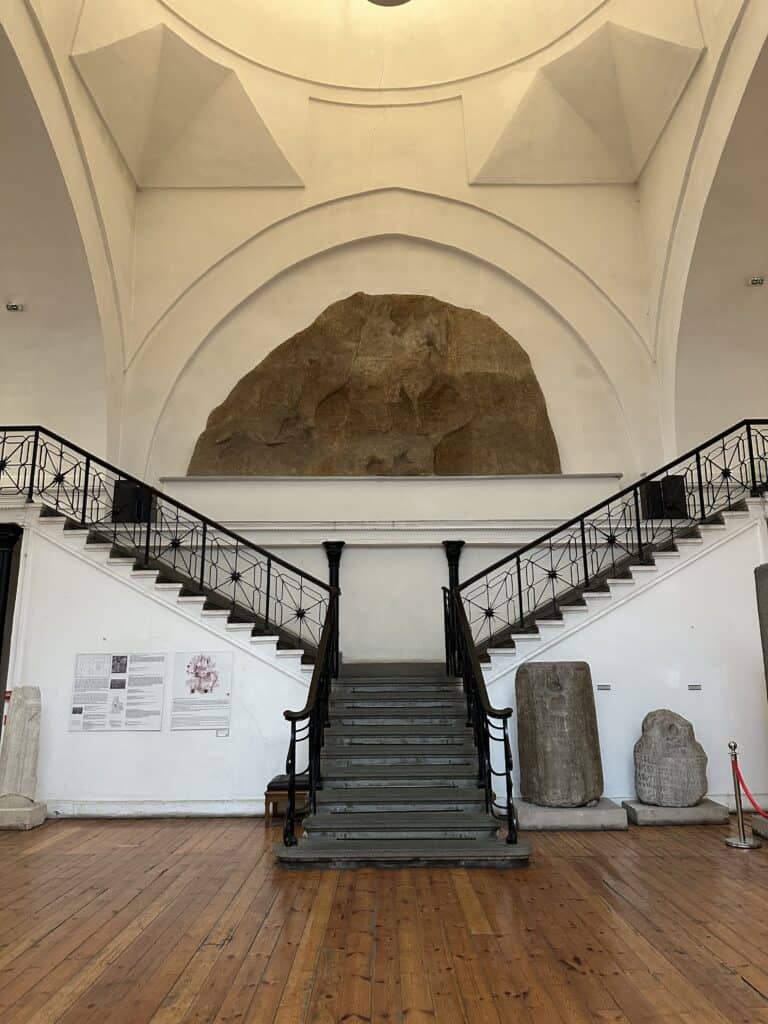
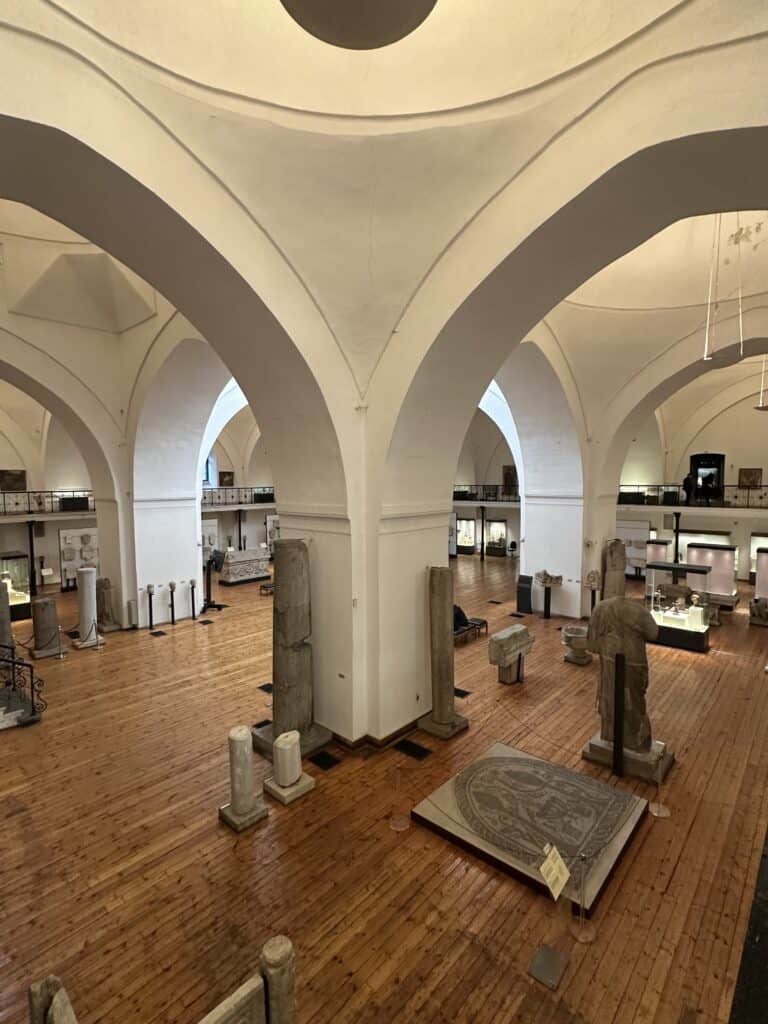
It is located in the center of Sofia, housed within the Büyük Camii (the Great Mosque), which was built in the 15th century under Ottoman rule.
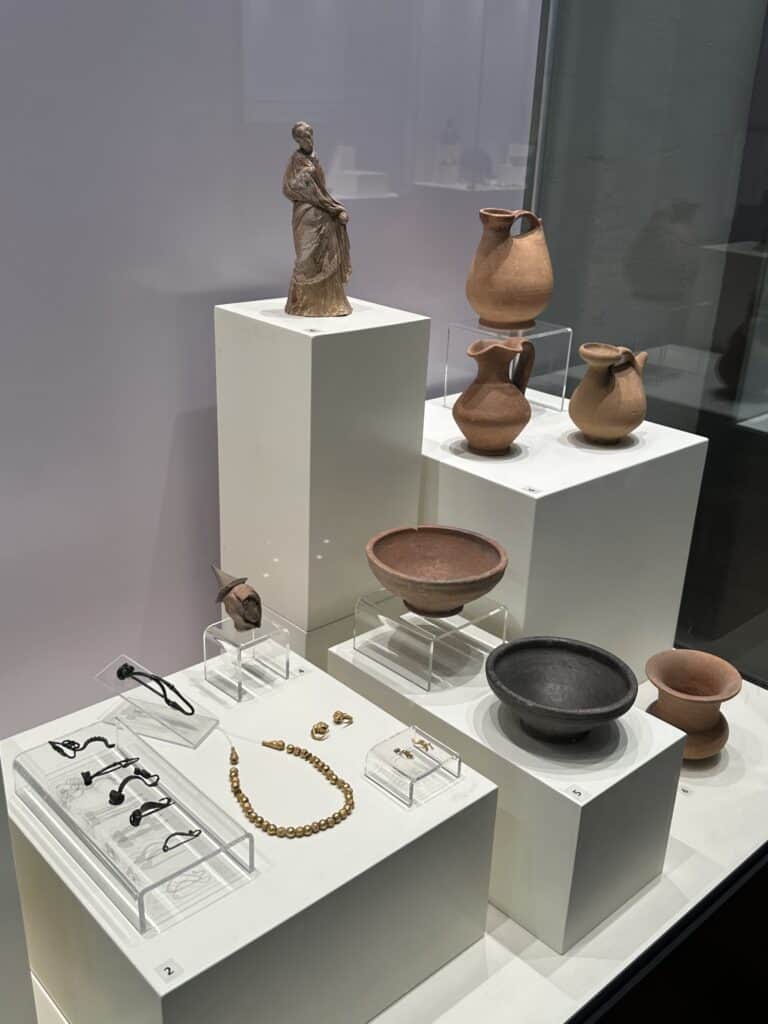
The collection is spread across two floors and divided into four sections: the Prehistory Hall, the Central Hall, the Medieval Hall, and the Treasury Hall.
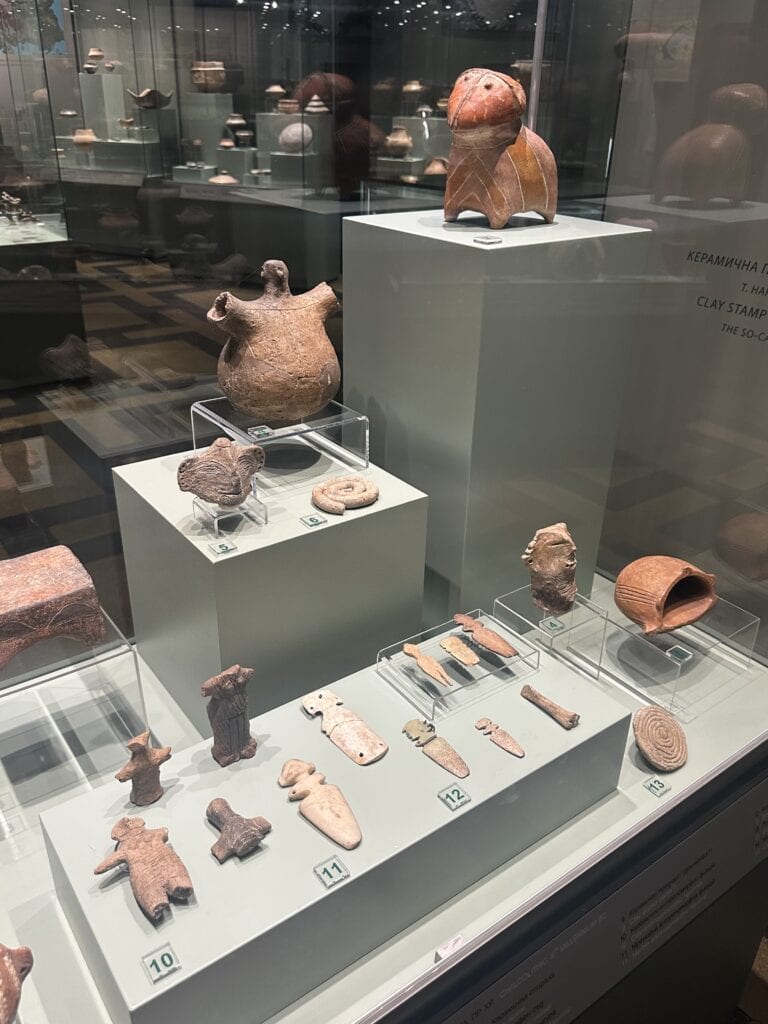
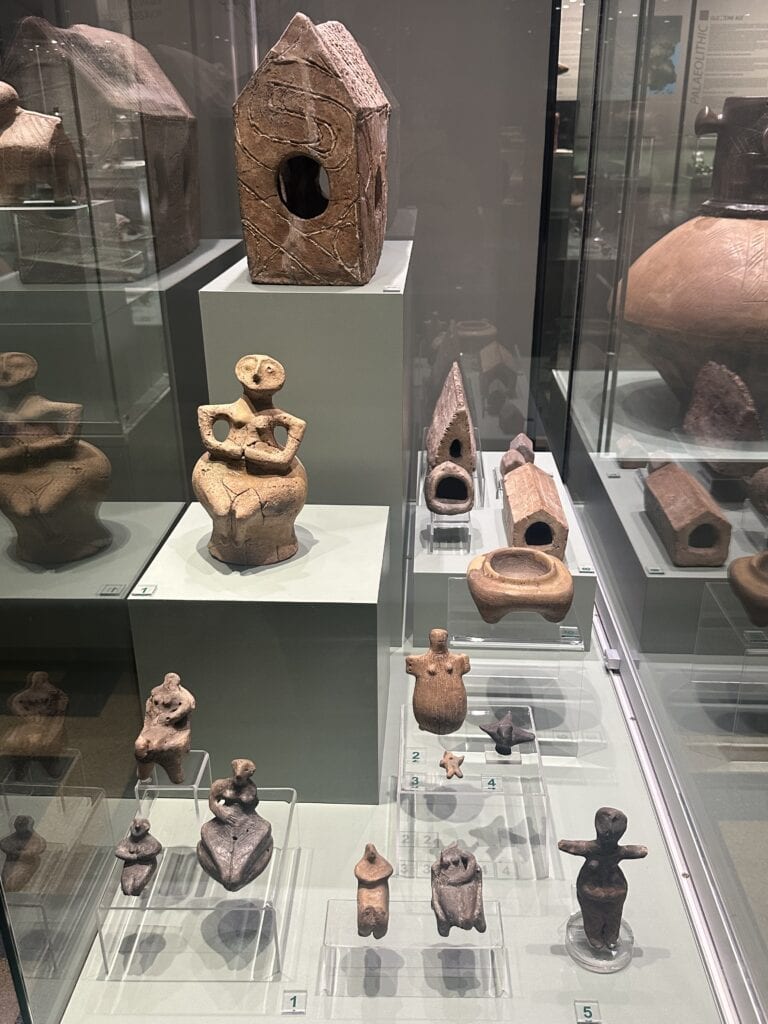
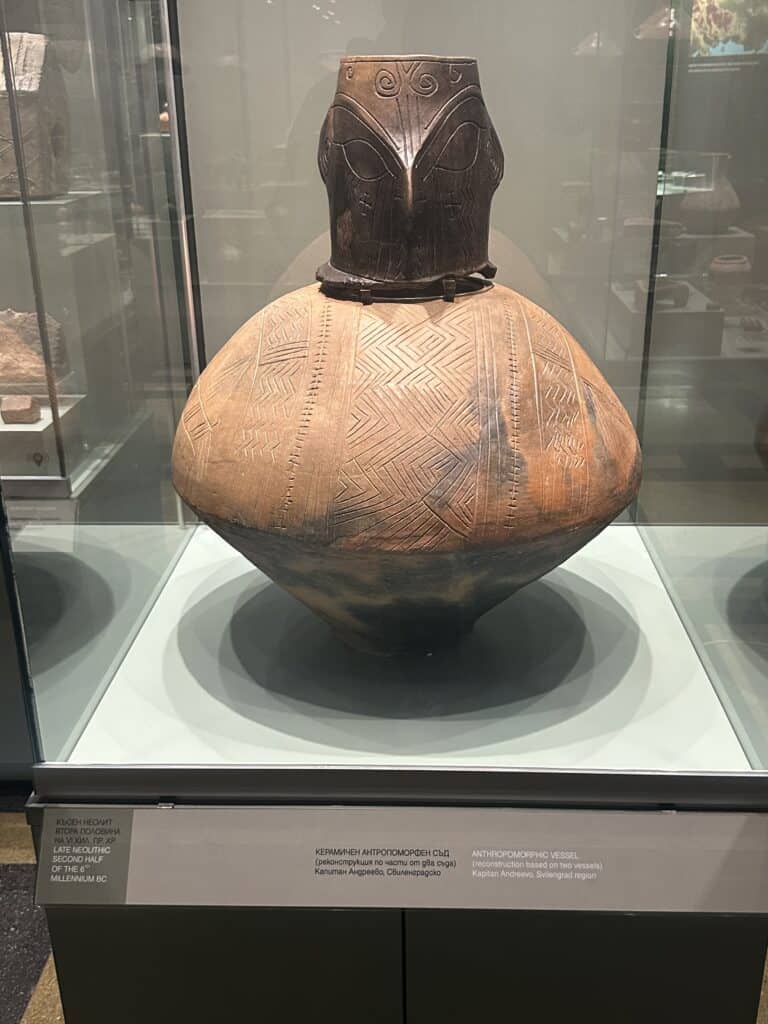
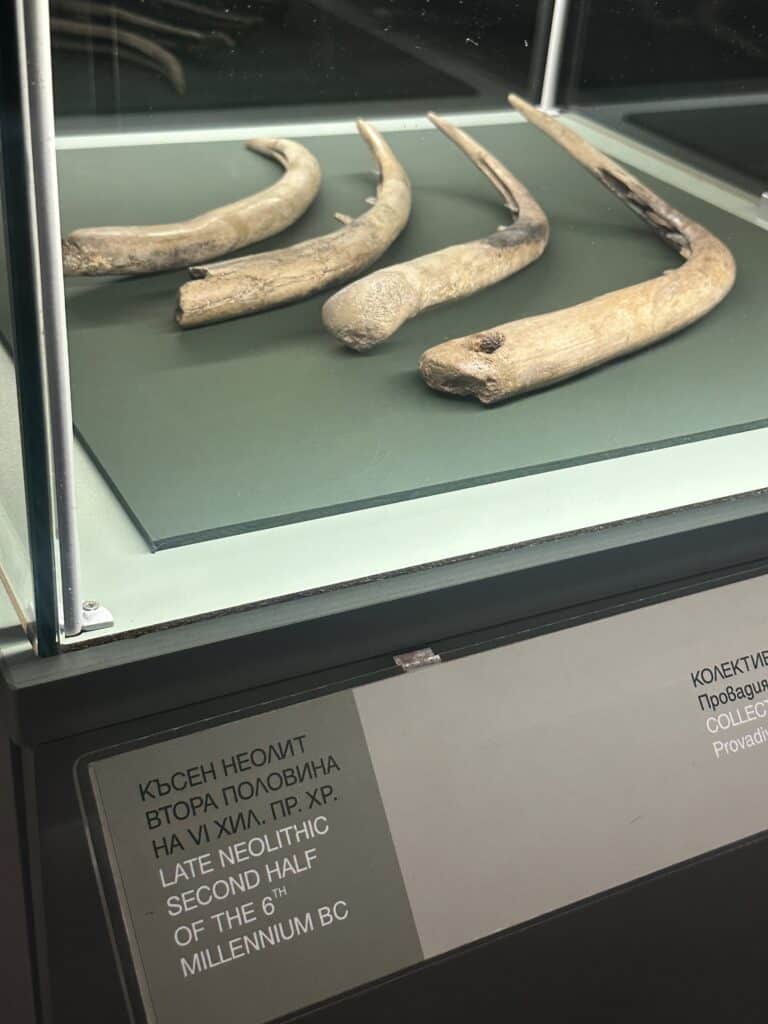
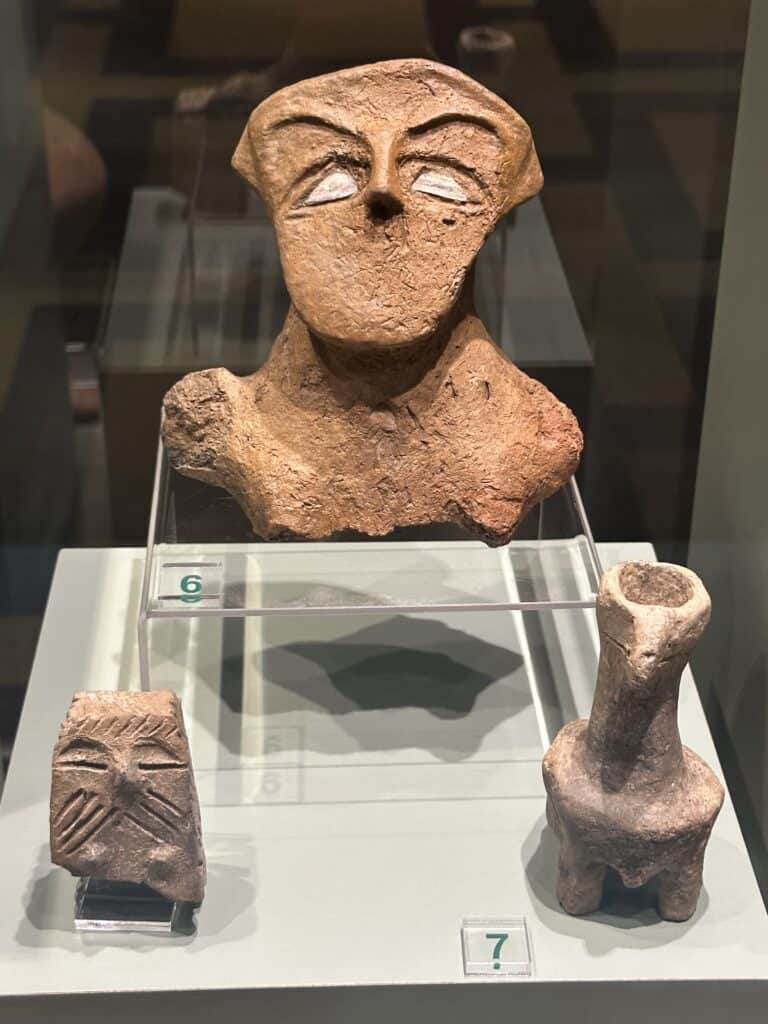
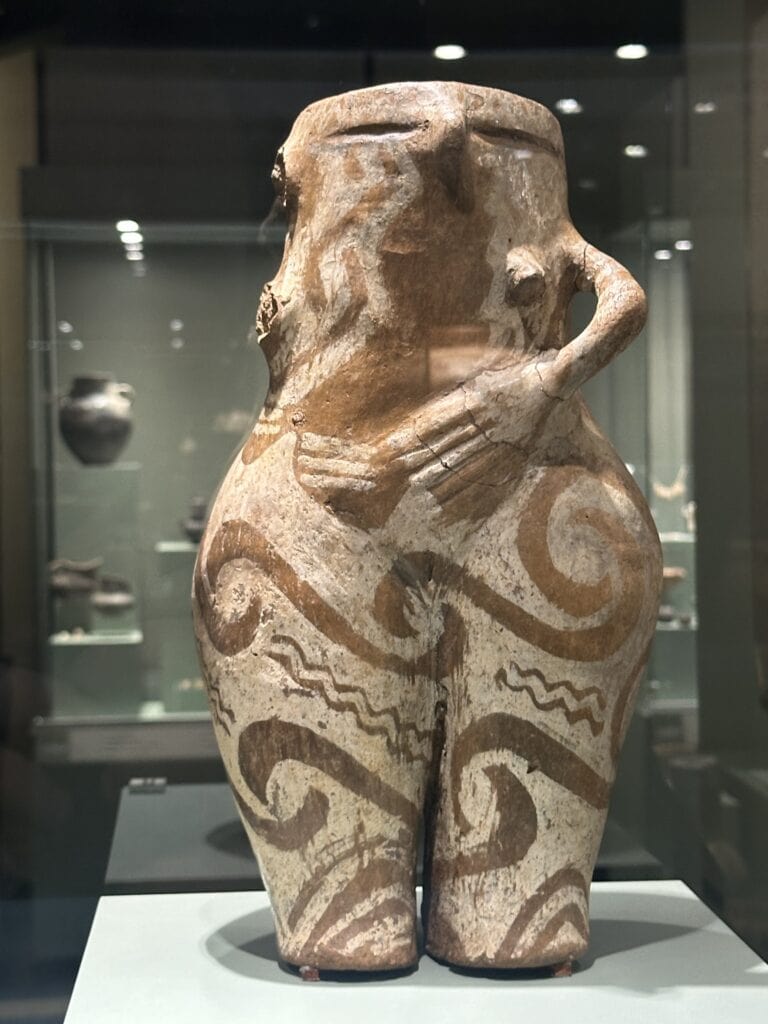
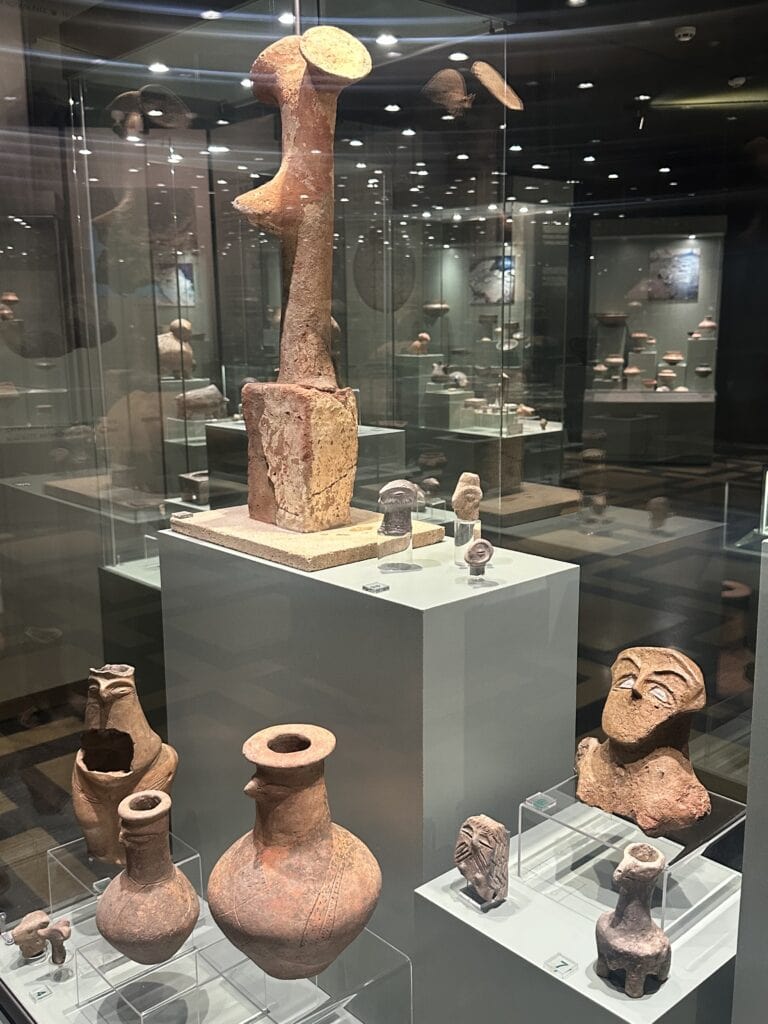
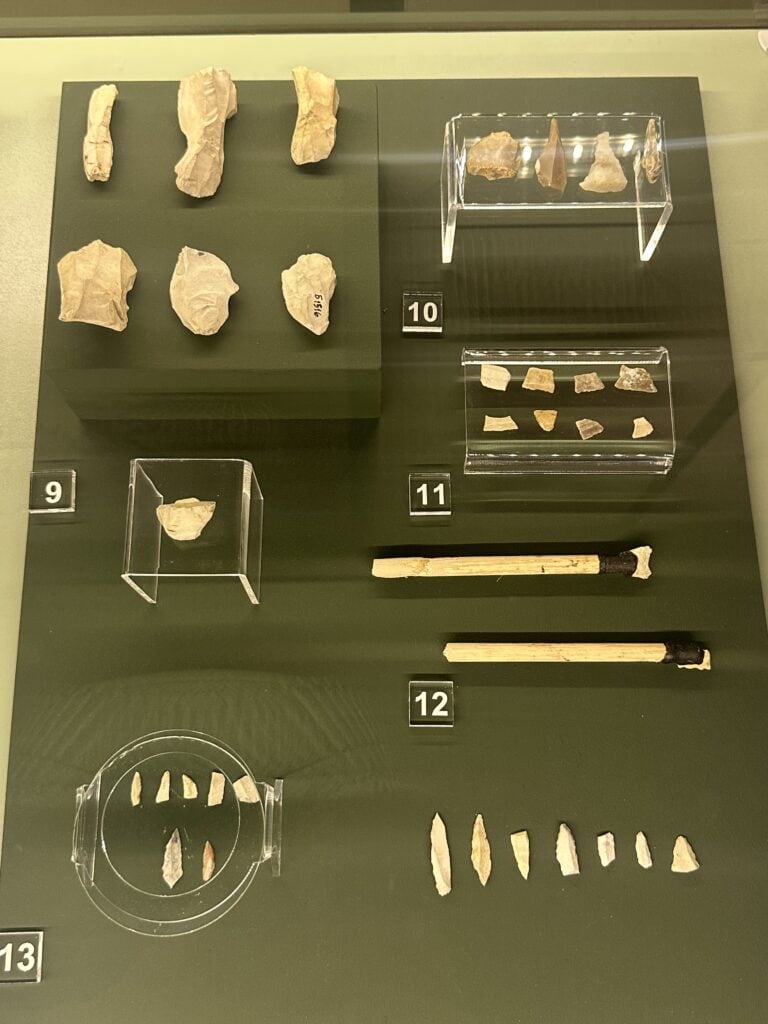
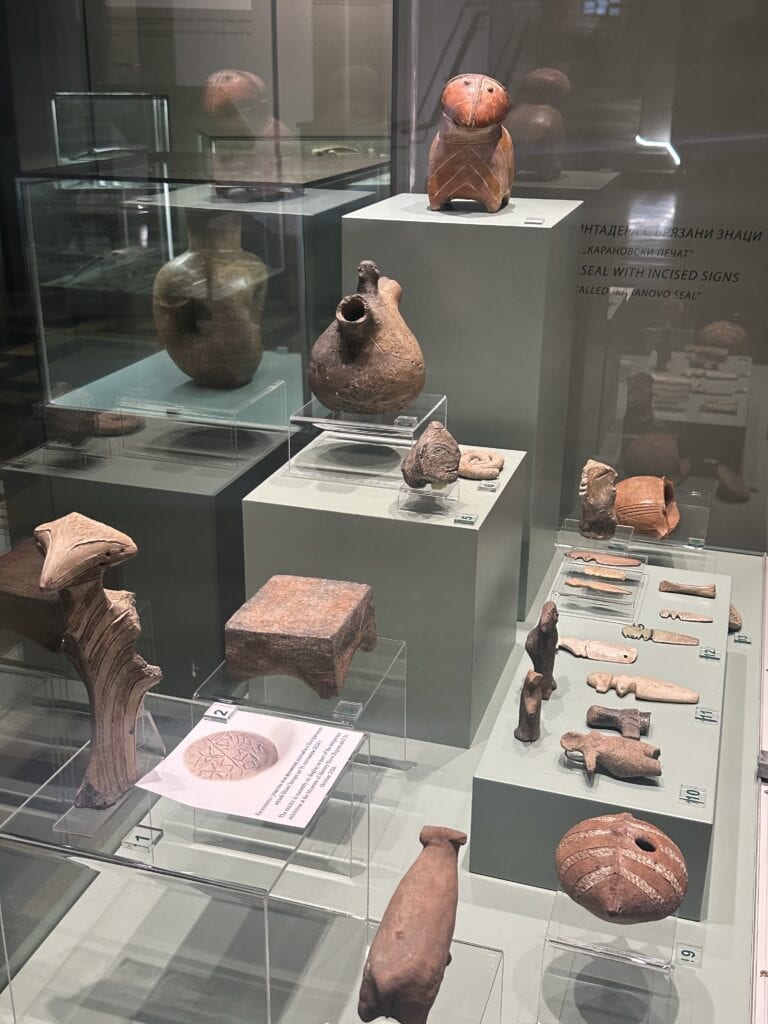
Prehistory Hall is located on the ground floor; its artifacts cover approximately 1.6 million years of human evolution in Bulgaria, spanning the Paleolithic, Chalcolithic, and Bronze Ages.
The items in this hall include stone and bone tools, primitive weapons, everyday objects, and ceramics.
Among the key archaeological finds is an engraved bone from the Paleolithic era, discovered in the Bacho Kiro cave; it is considered one of the oldest examples of bone worked and engraved by humans in Europe.
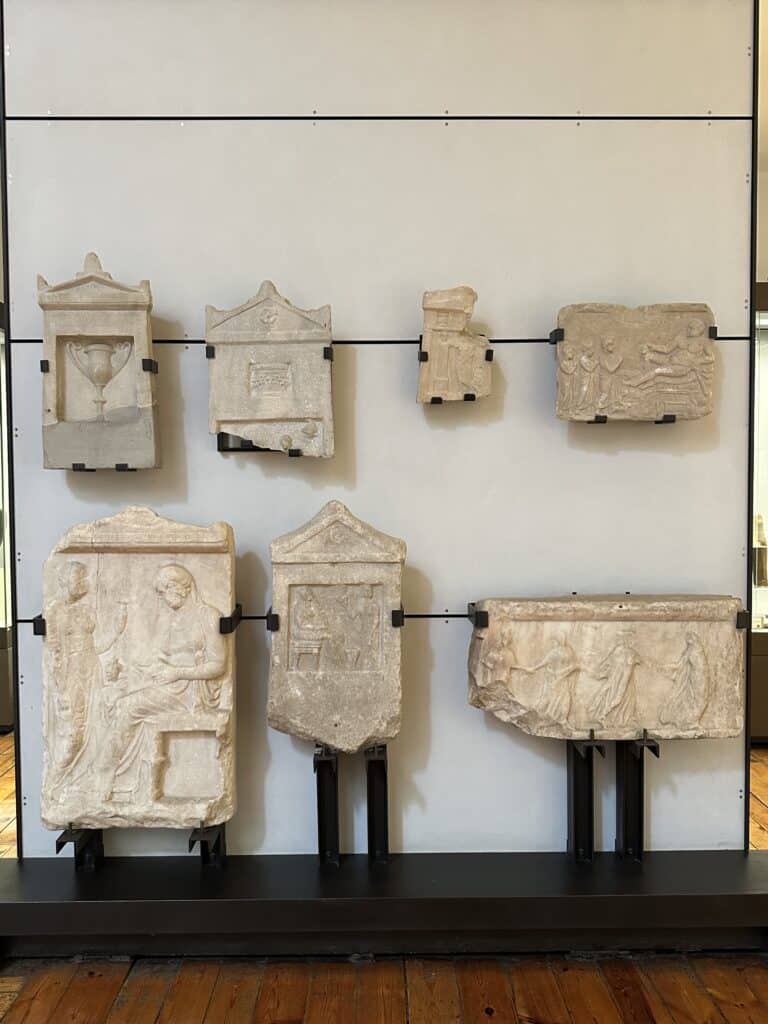
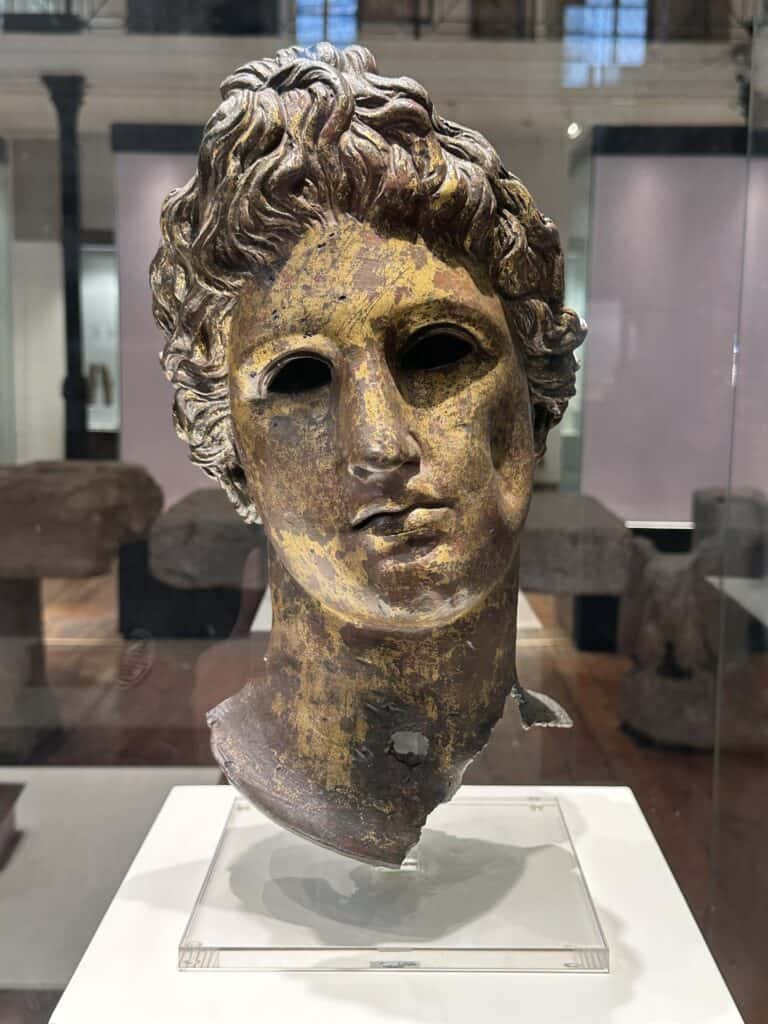
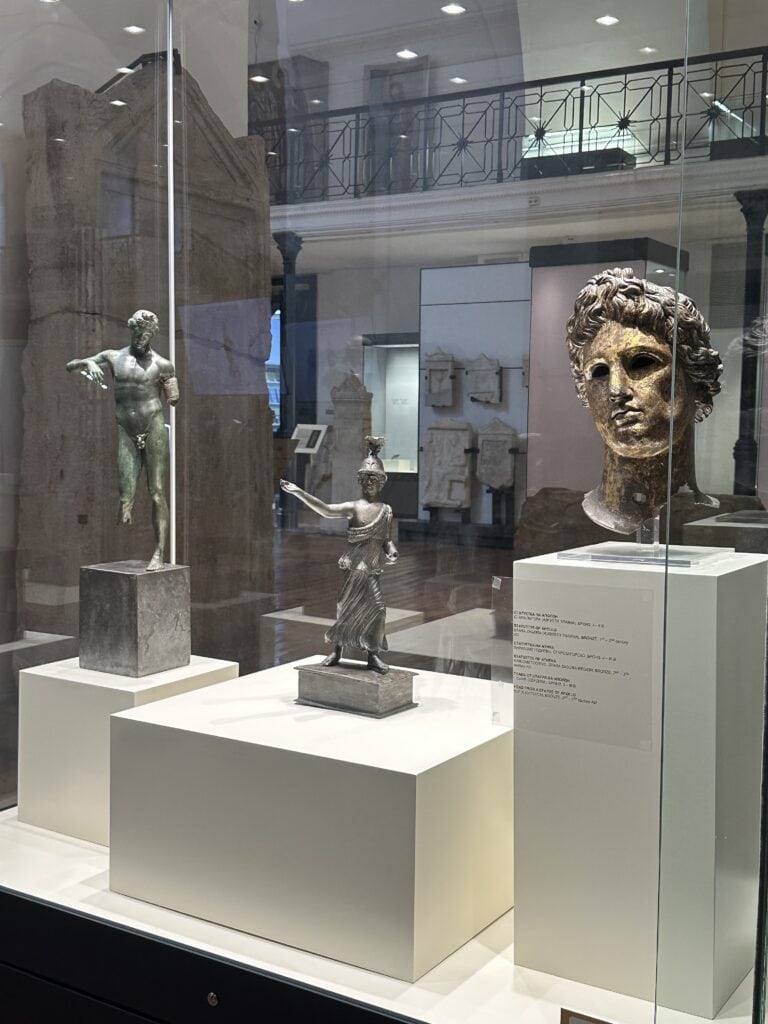
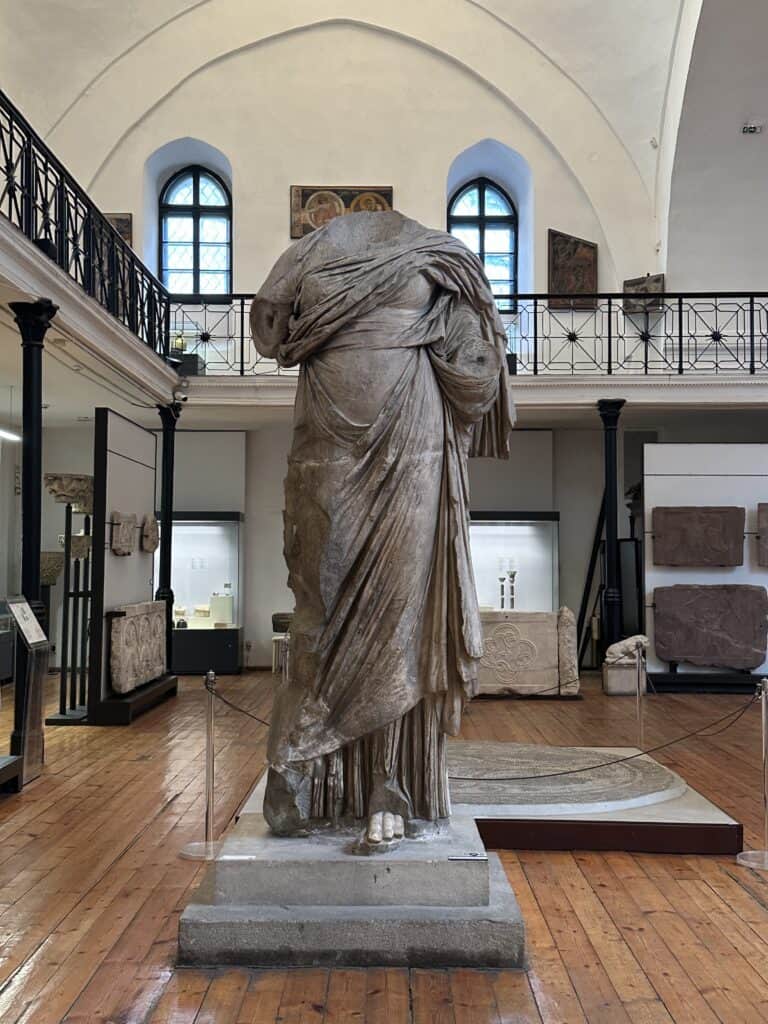
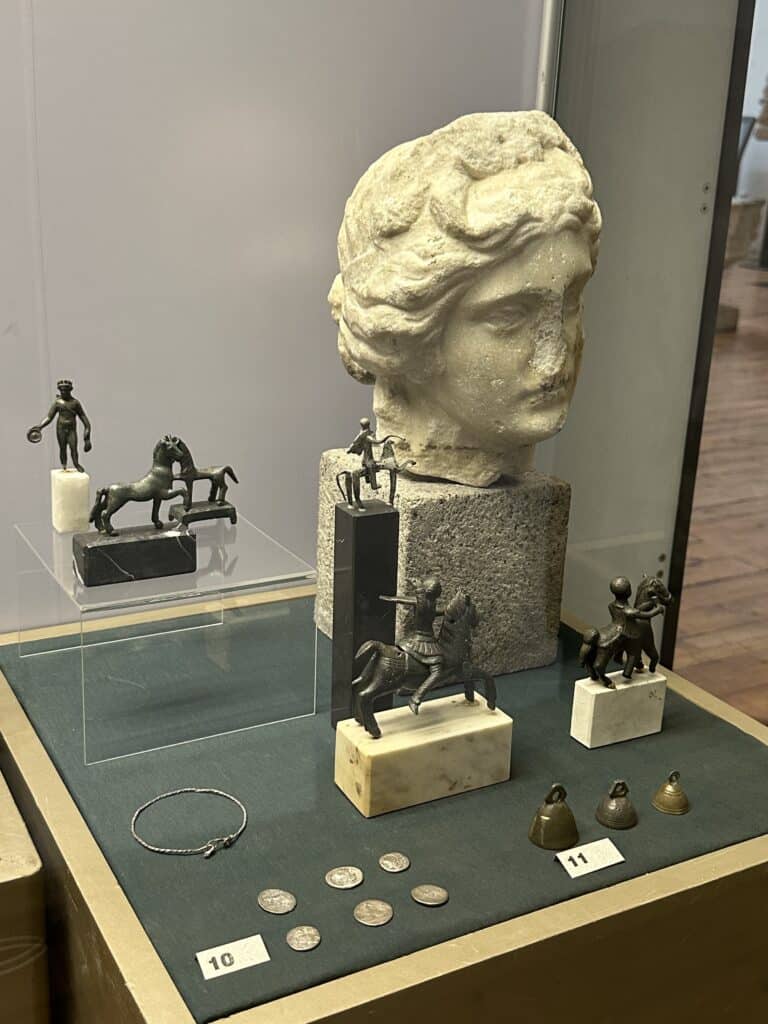
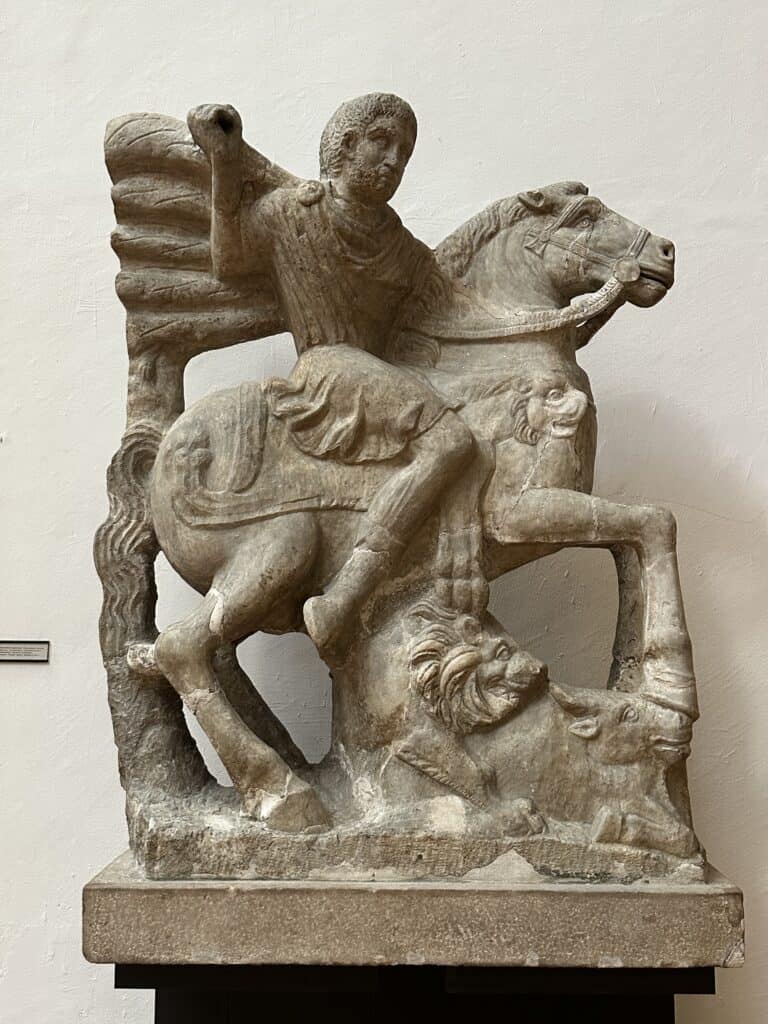
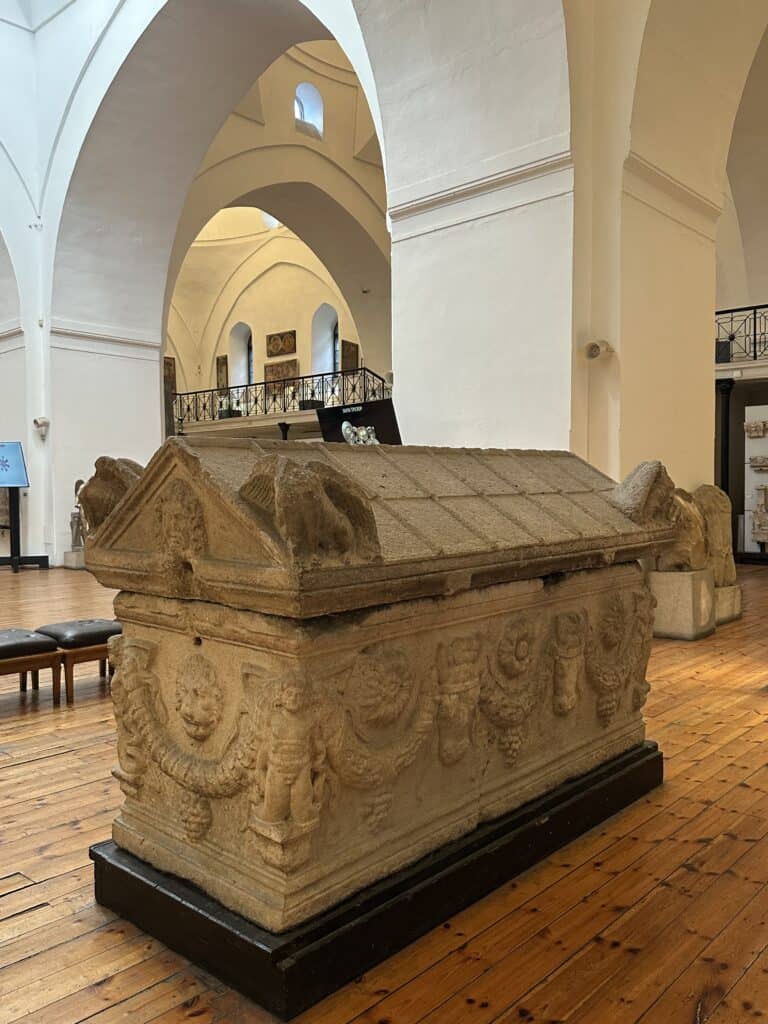
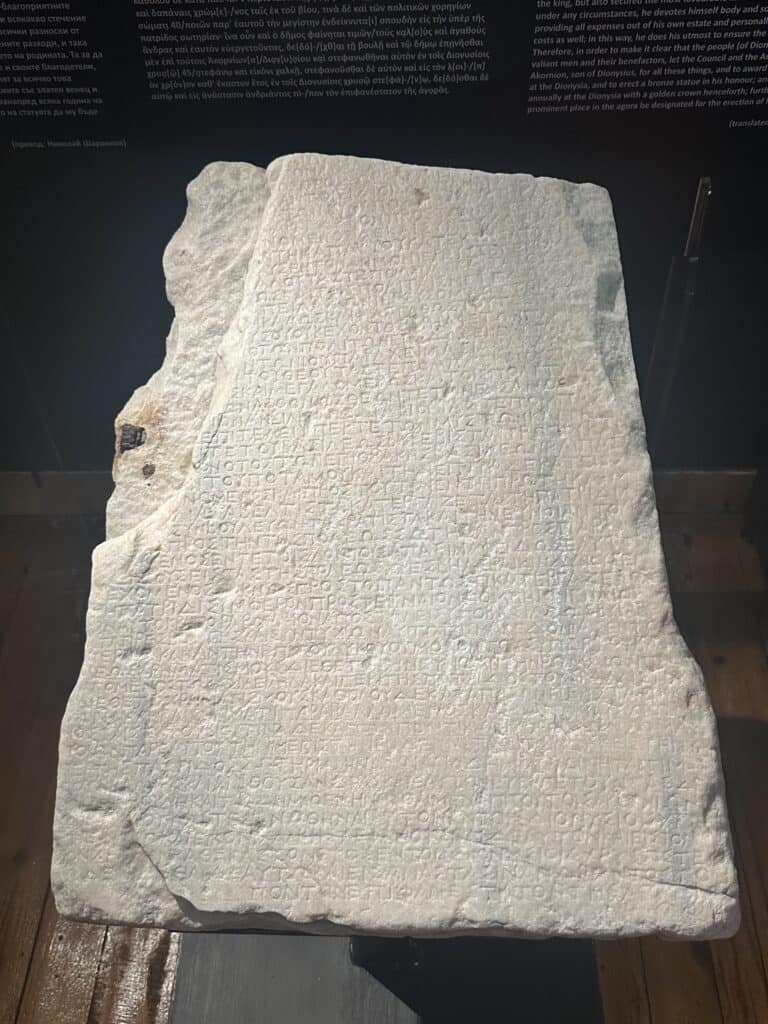
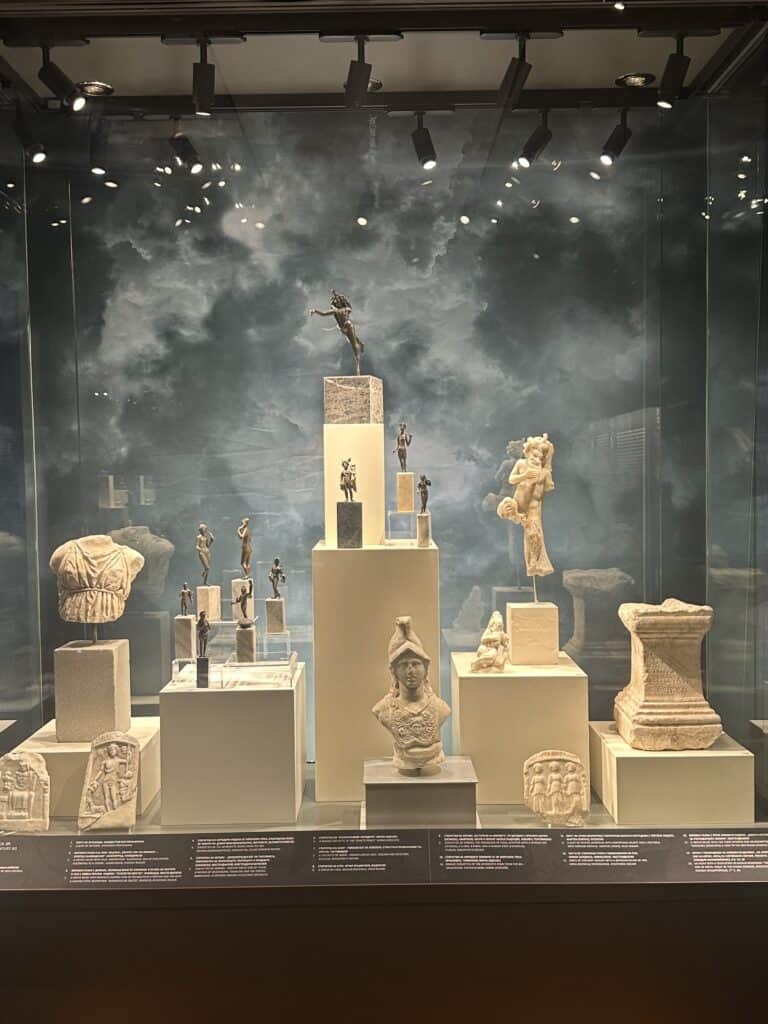
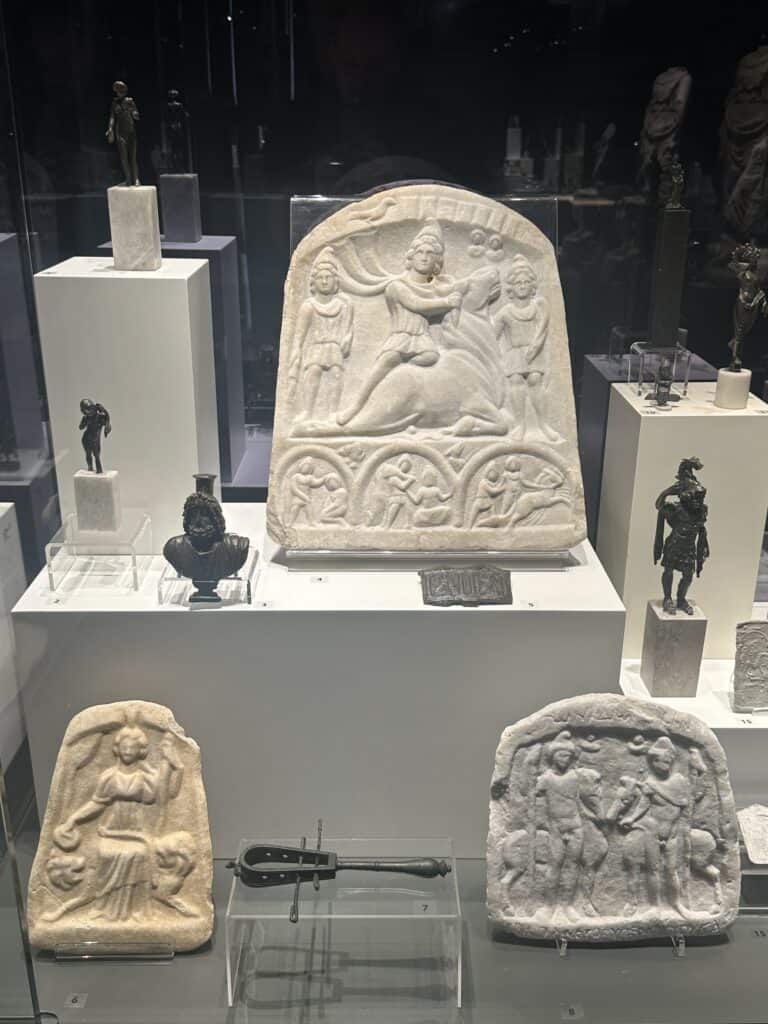
The Central Hall occupies the ground floor of the building’s main section and houses collections from Ancient Thrace, as well as Greek and Roman art.
This section features Greco-Roman sculptures, votive monuments, and original floor mosaics salvaged from the nearby Basilica of Saint Sophia.
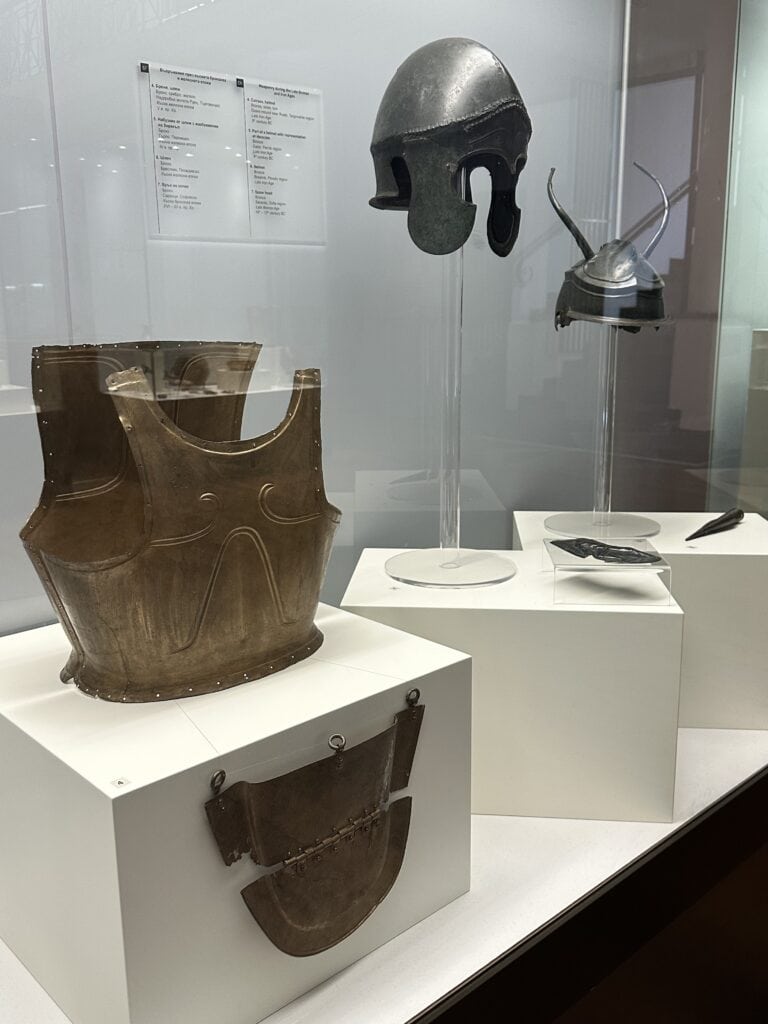
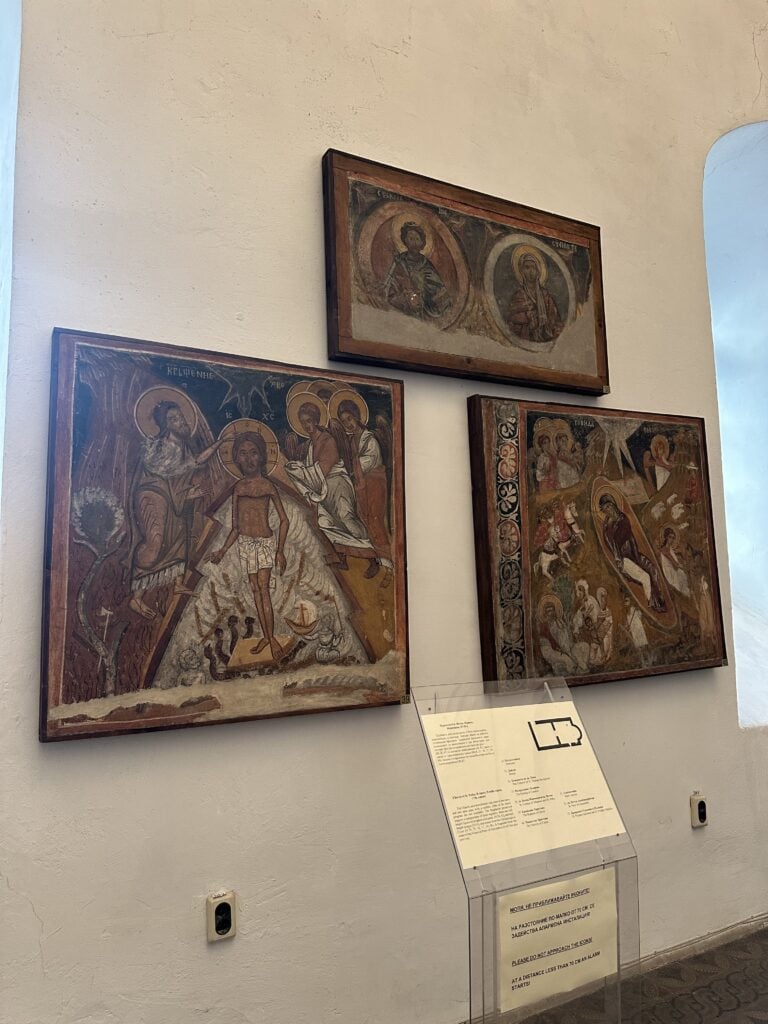
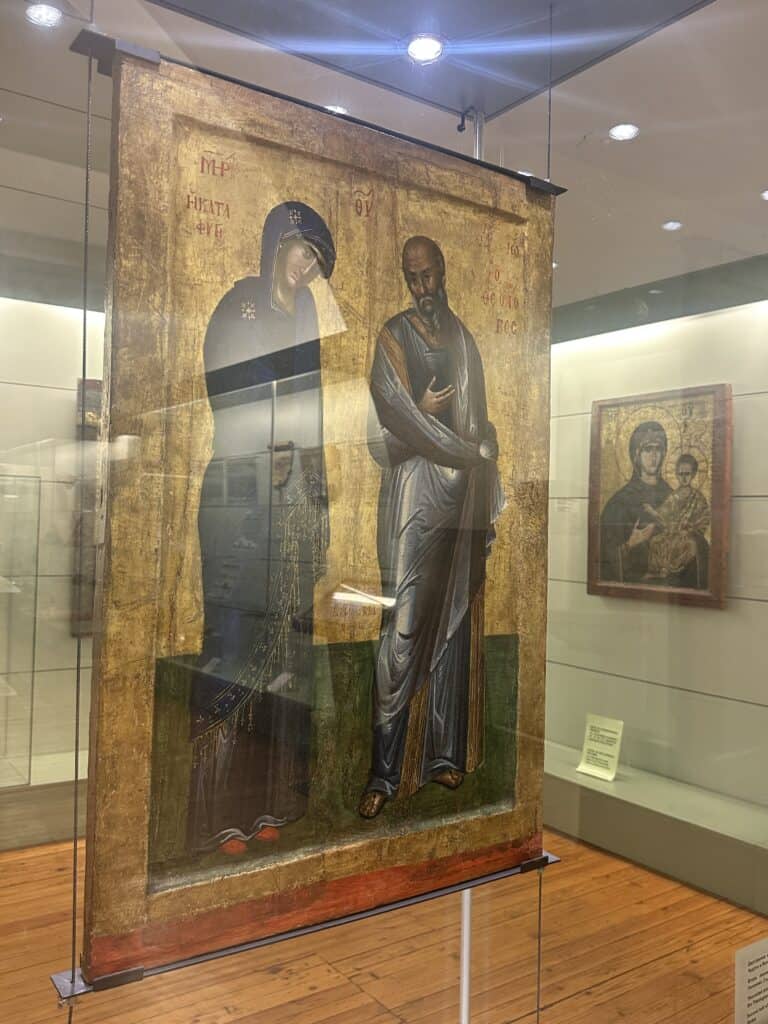
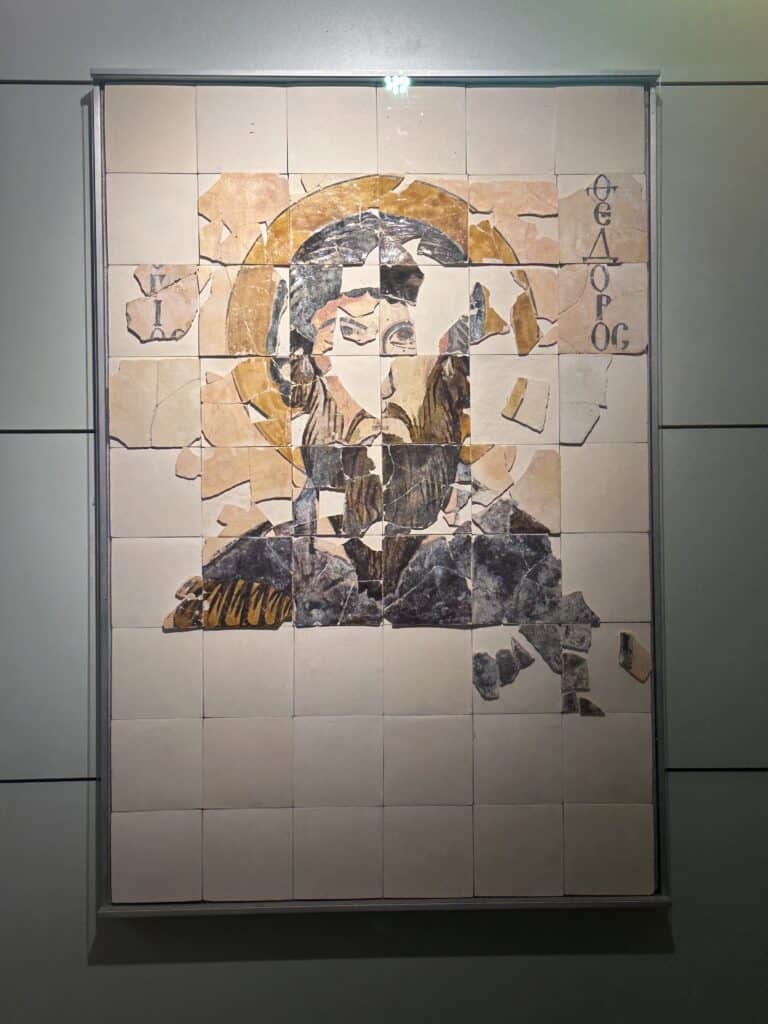
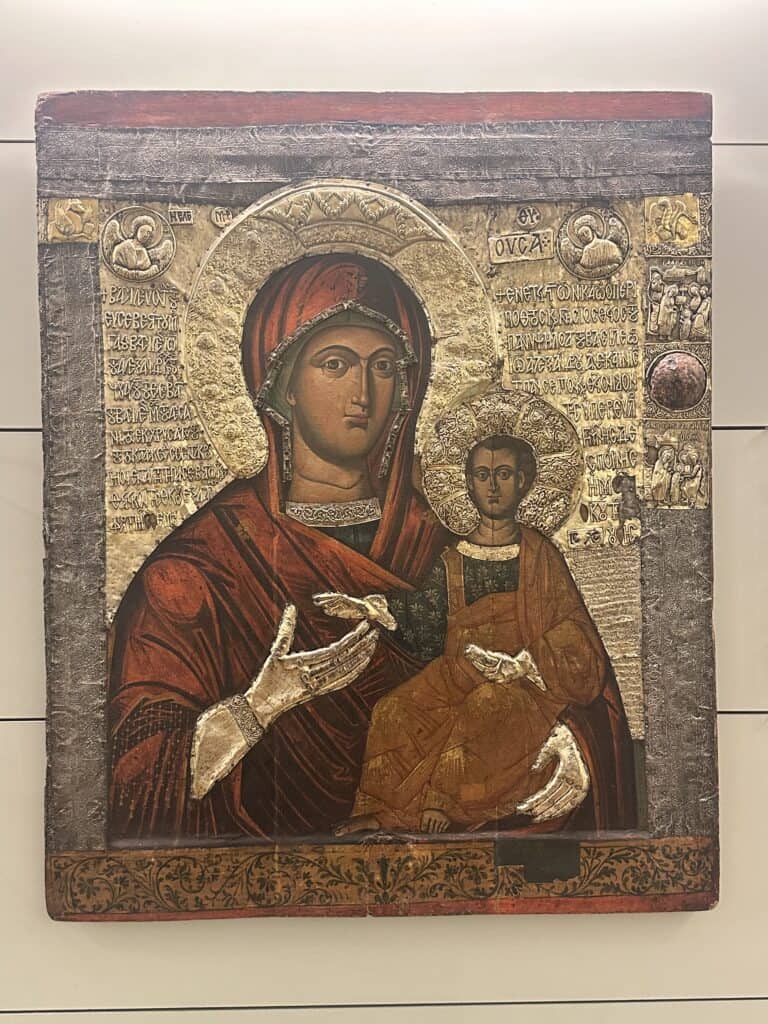
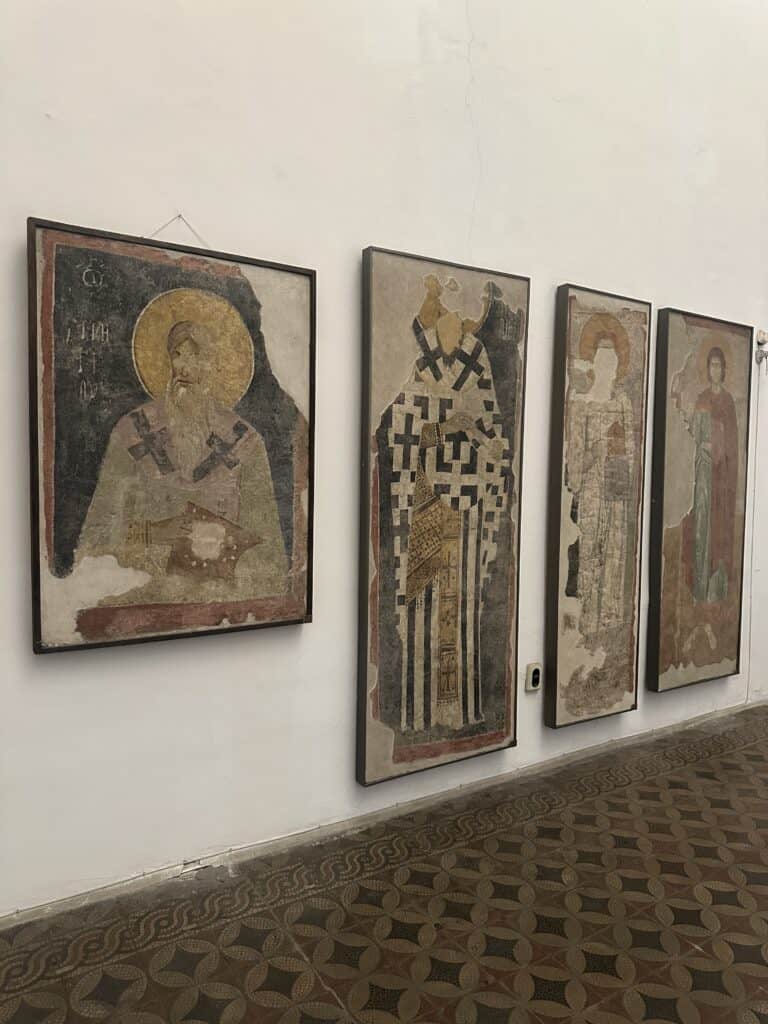
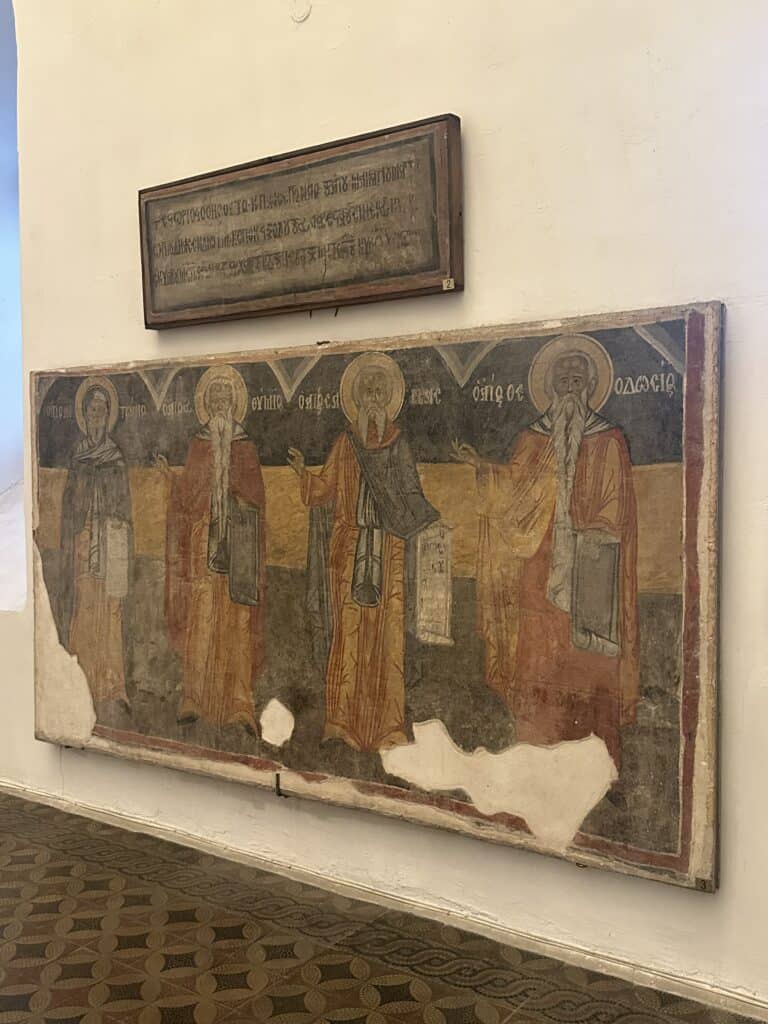
The Medieval section is located on the second floor and contains weapons, armor, and religious frescoes rescued from ancient churches. This hall also houses a ceramic icon of Saint Theodore (9th century)—the oldest of its kind in Bulgaria.
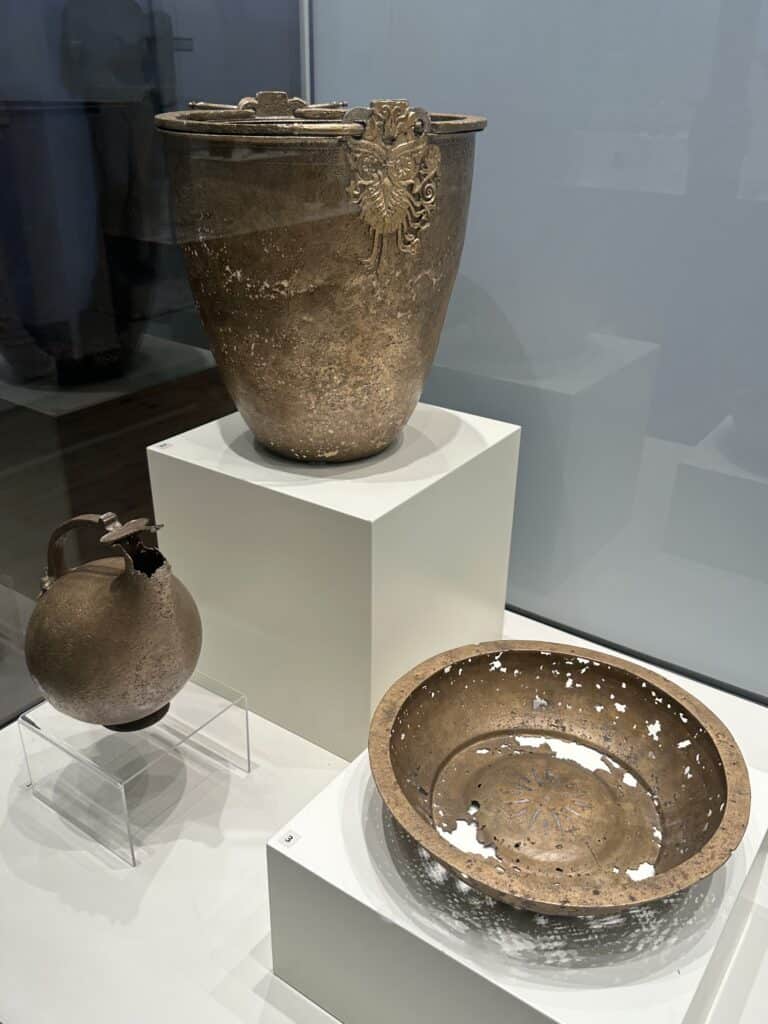
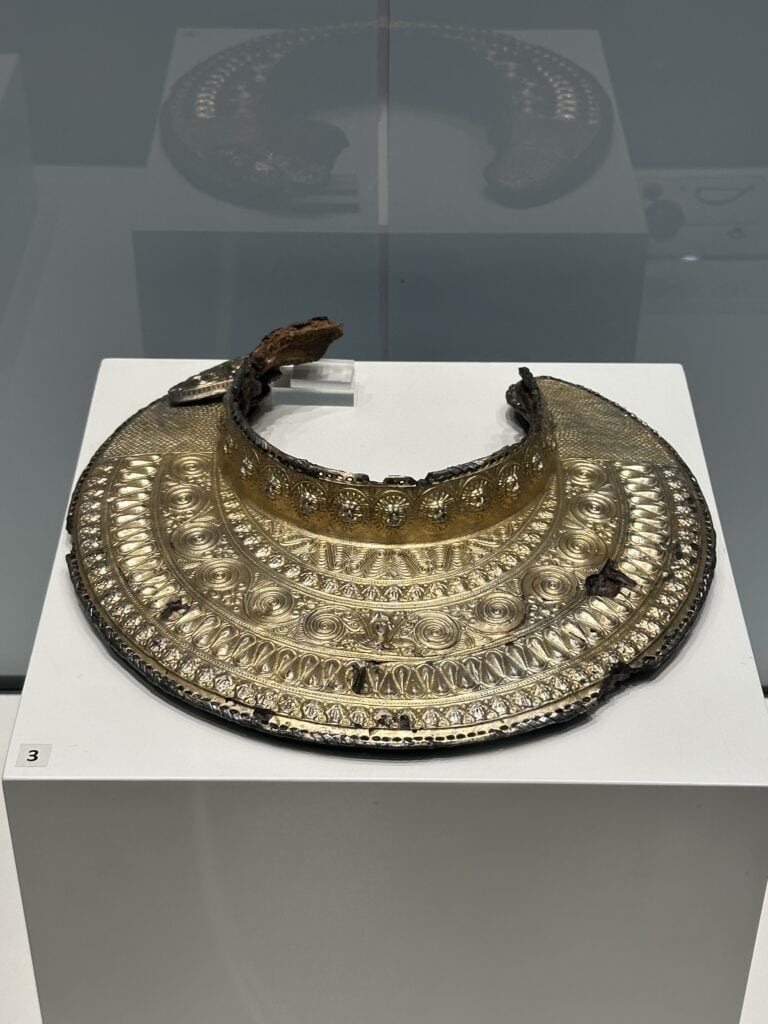
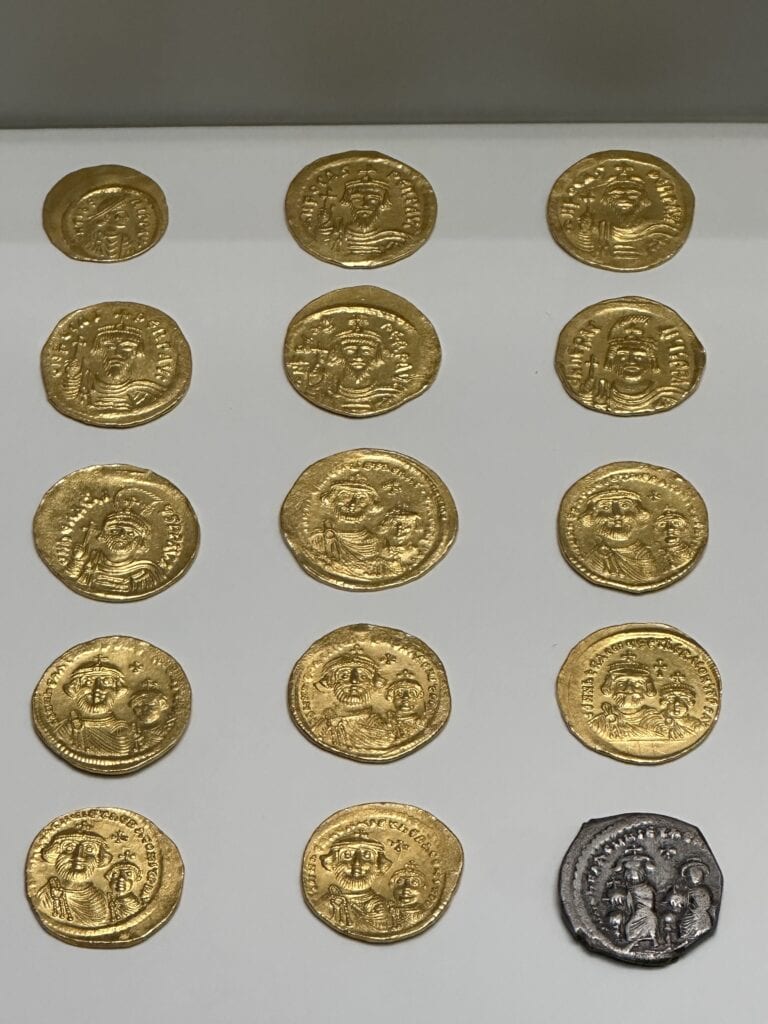
The Treasury Hall contains the gold of the Thracians.