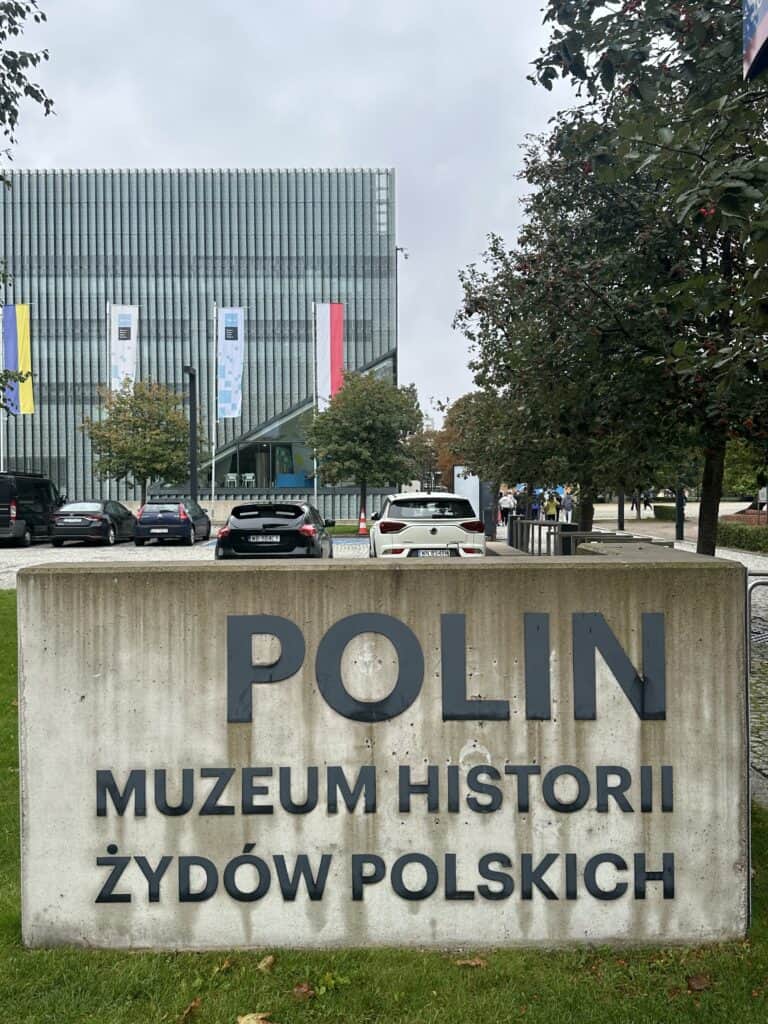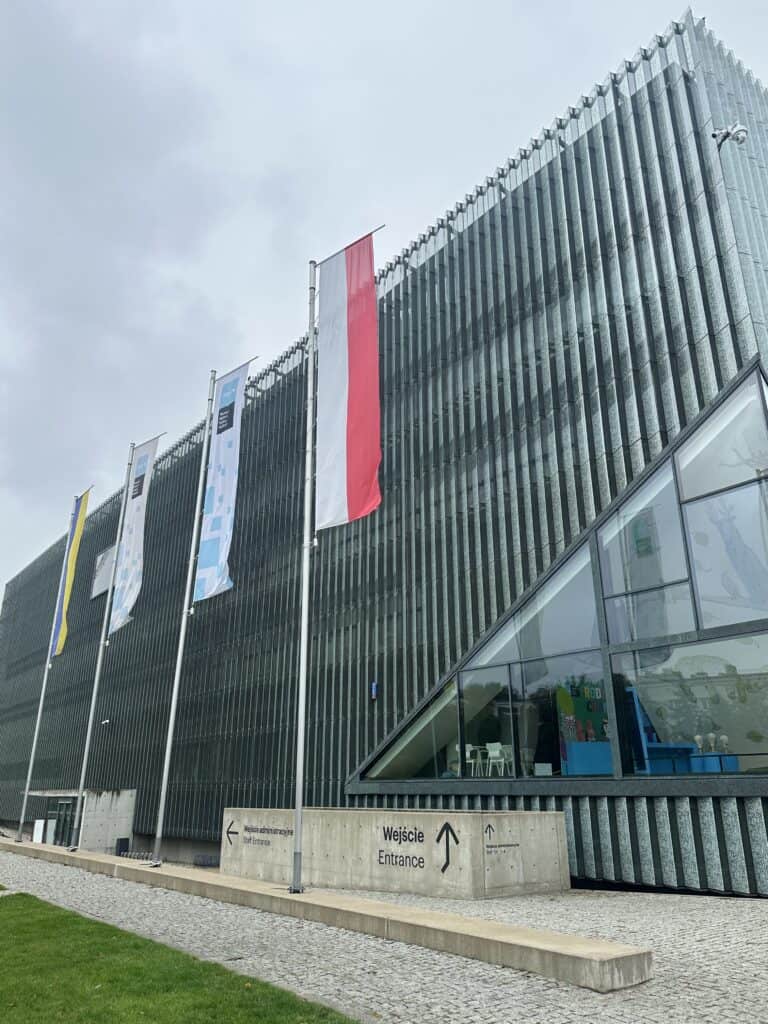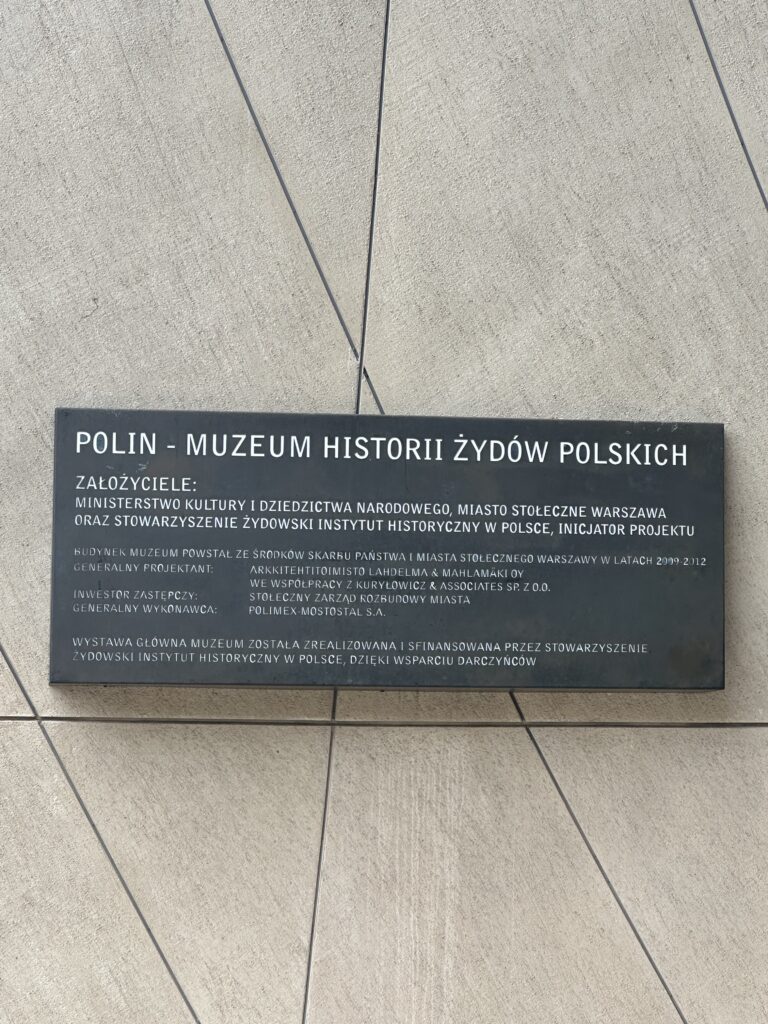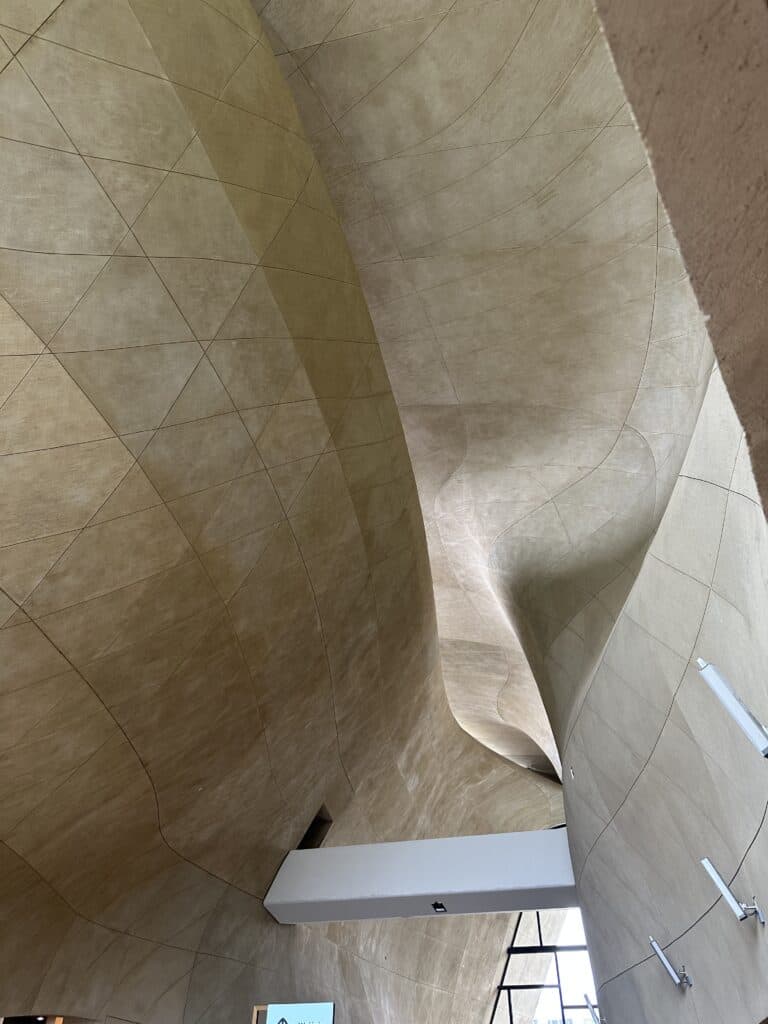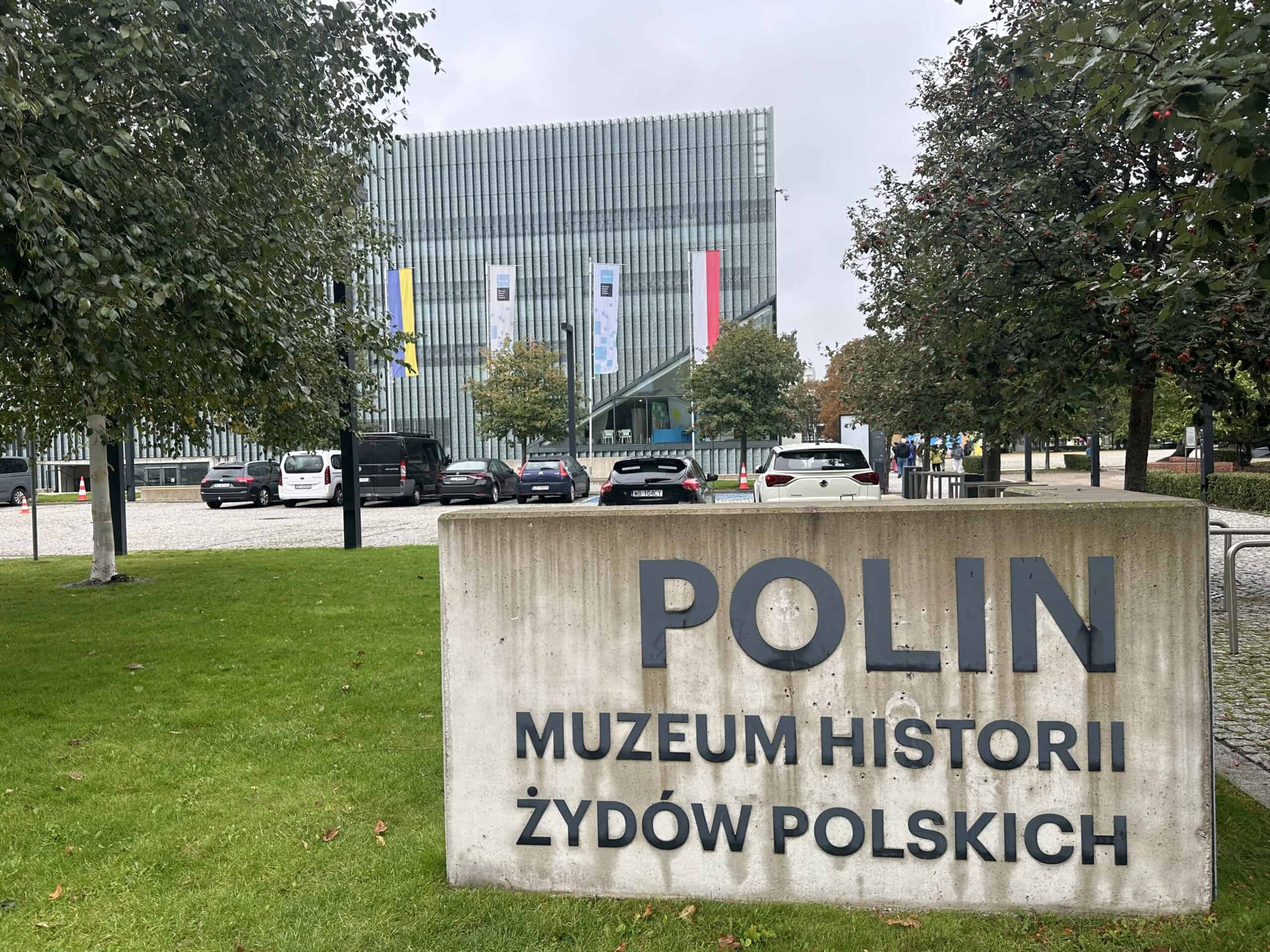
POLIN (Museum of the History of Polish Jews) is one of Warsaw’s most important and frequently visited cultural institutions.
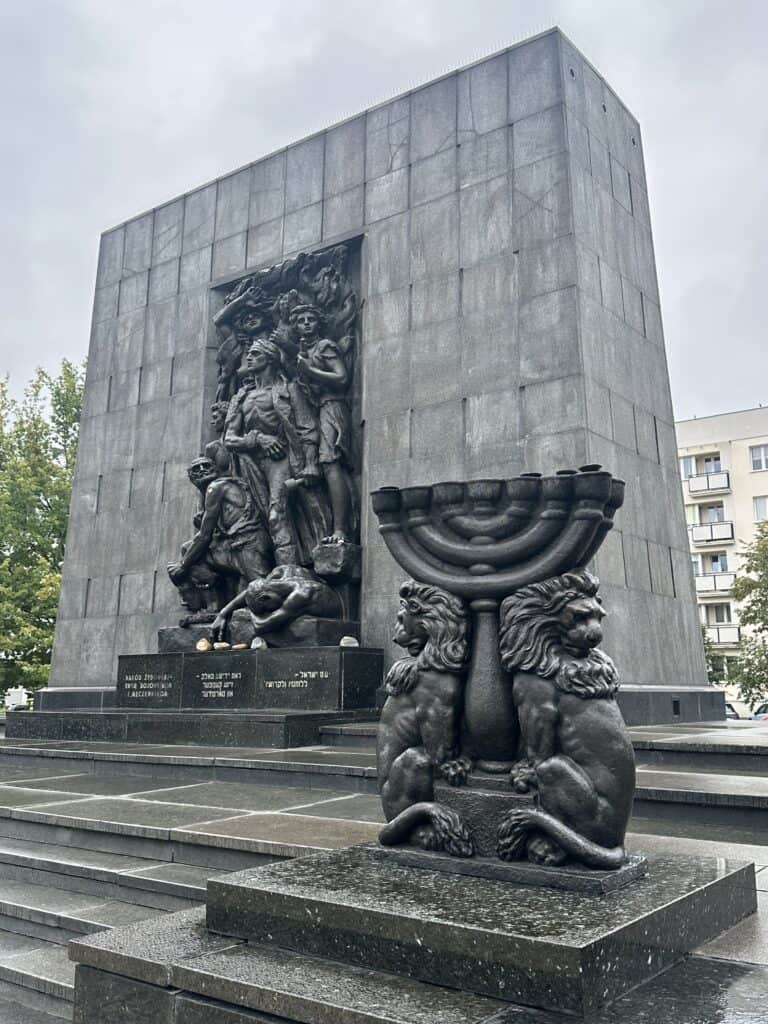
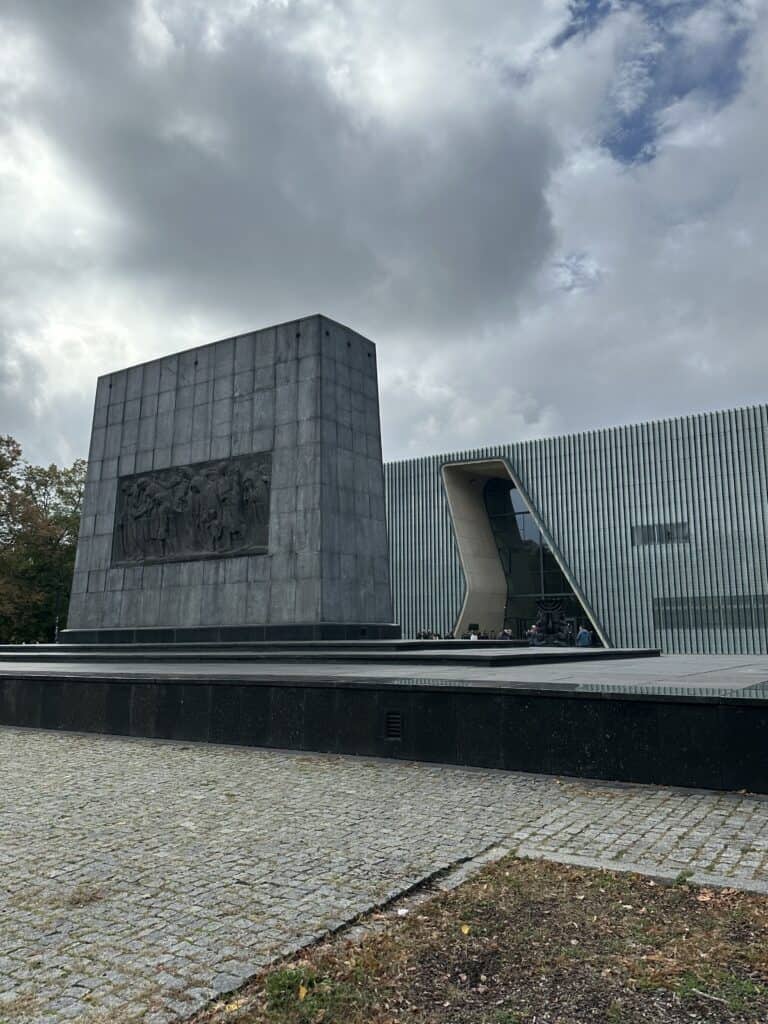
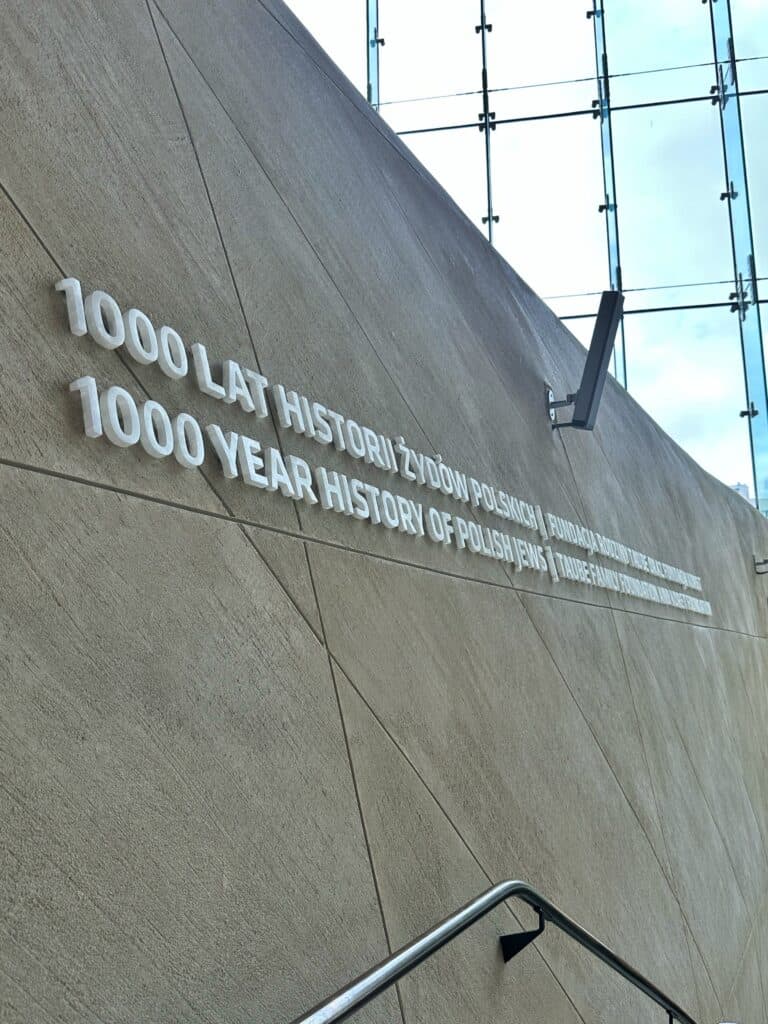
Located in the heart of the Muranów district—on the site of the former Warsaw Ghetto—the museum celebrates 1,000 years of the history, culture, and coexistence of the Jewish people in Poland, spanning from the Middle Ages to the present day.
The name POLIN holds a dual symbolic meaning in Hebrew: it literally means “Poland,” but the phrase “Po-lin” can also be translated as “here you shall rest.”
The story of POLIN’s founding and creation is rooted in a unique international collaboration, established to fill a significant void in the historical memory of Central and Eastern Europe.
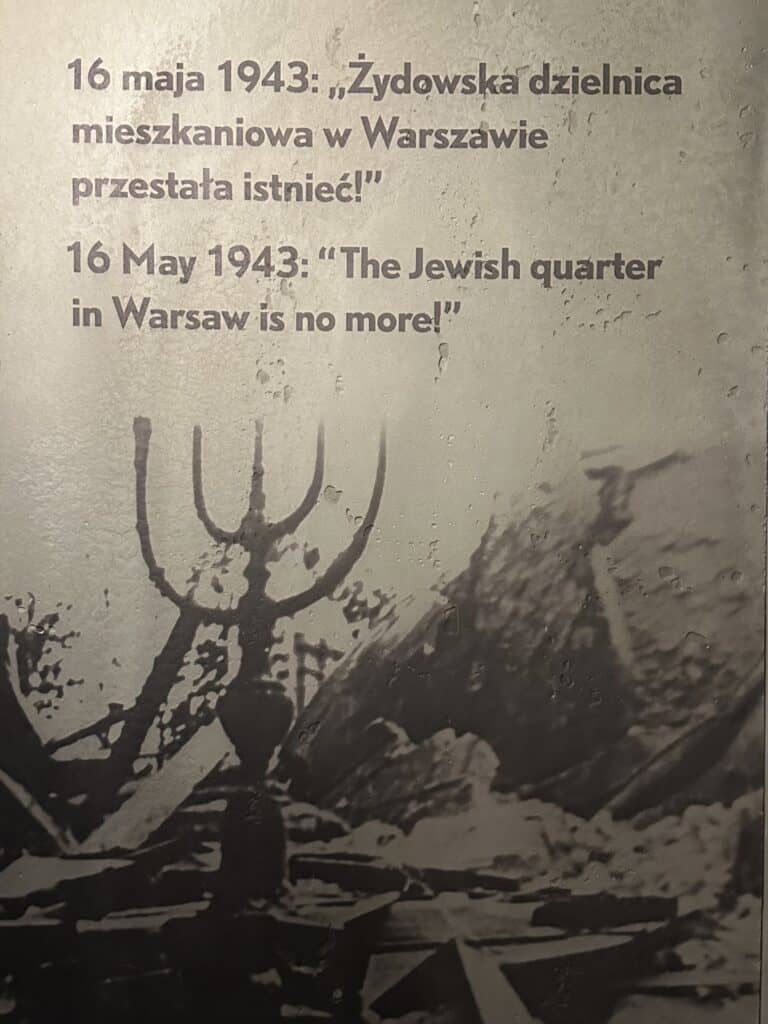
Construction began in 2007, and the building was officially inaugurated on April 19, 2013, coinciding with the 70th anniversary of the Warsaw Ghetto Uprising.
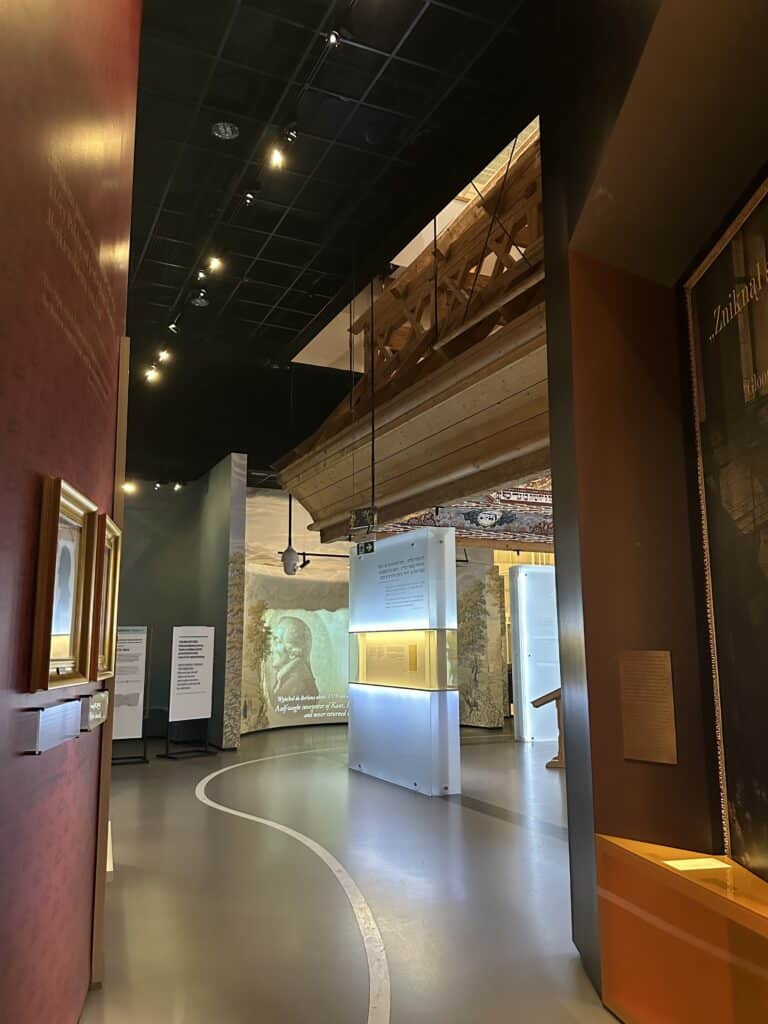
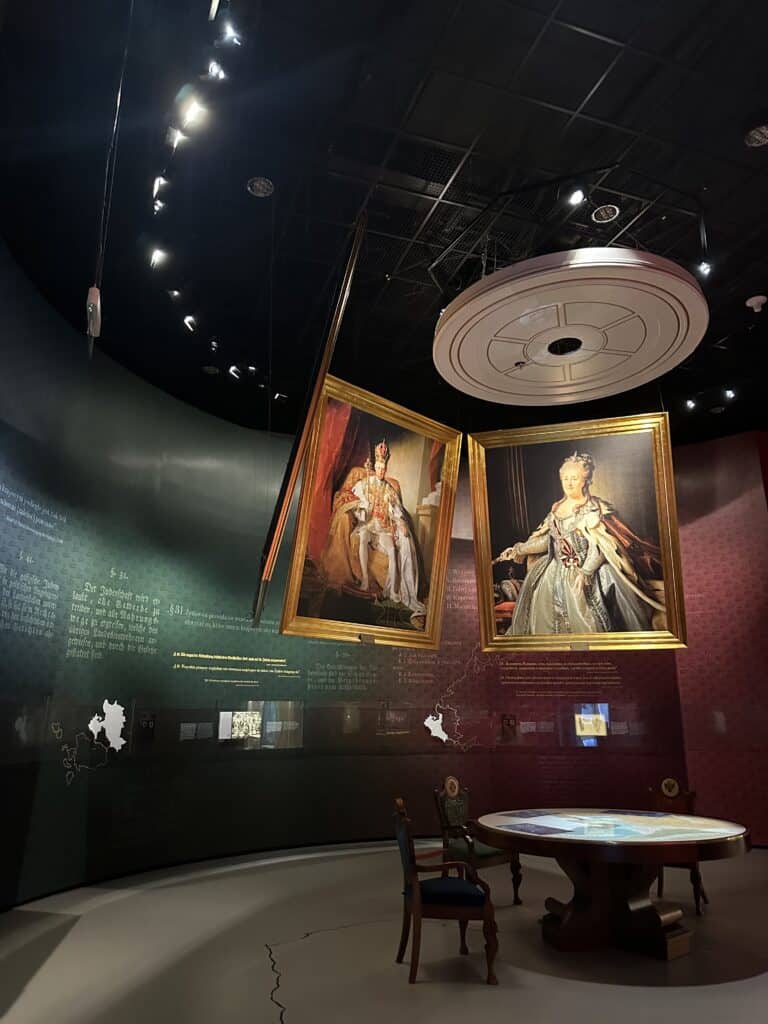
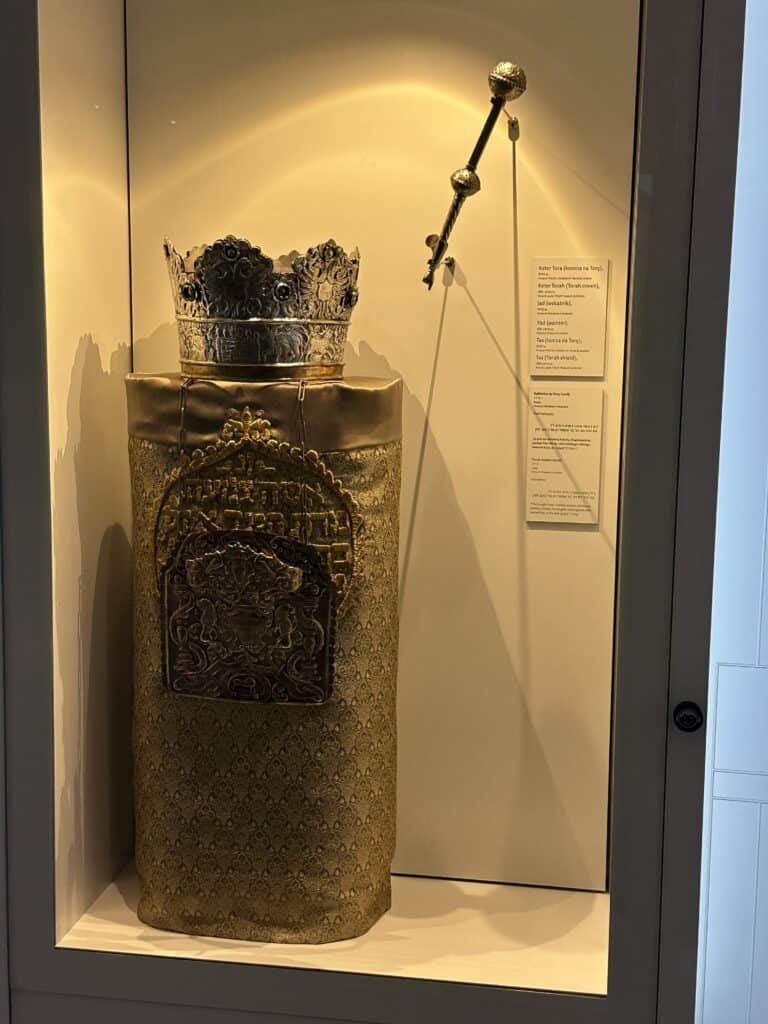
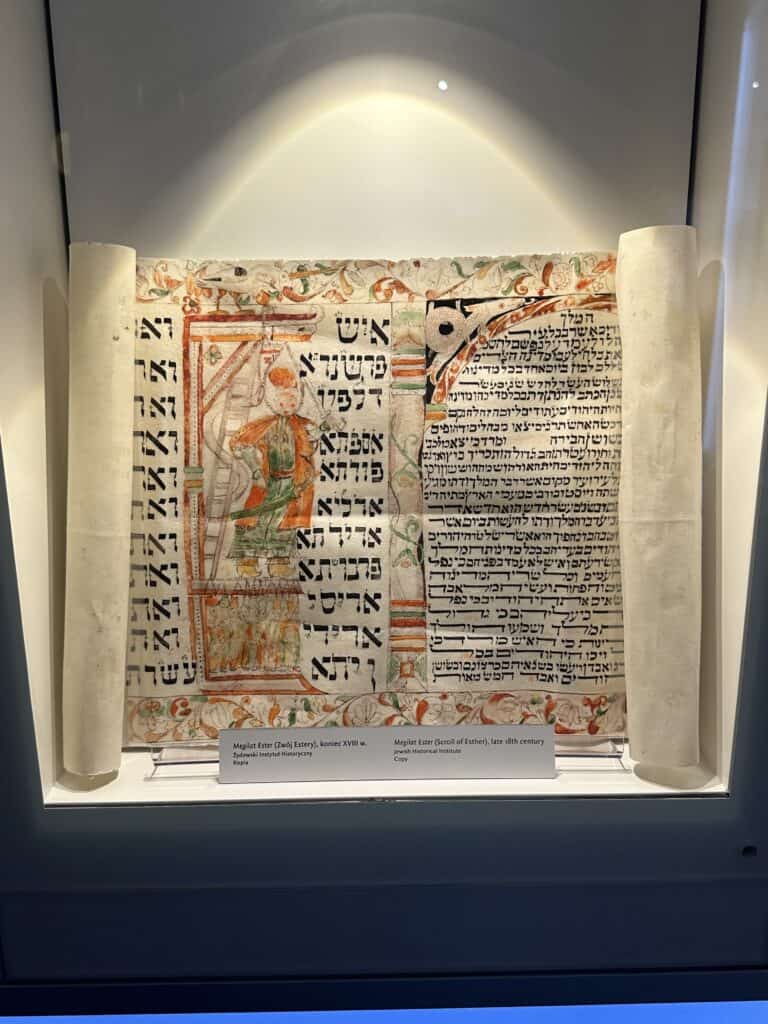
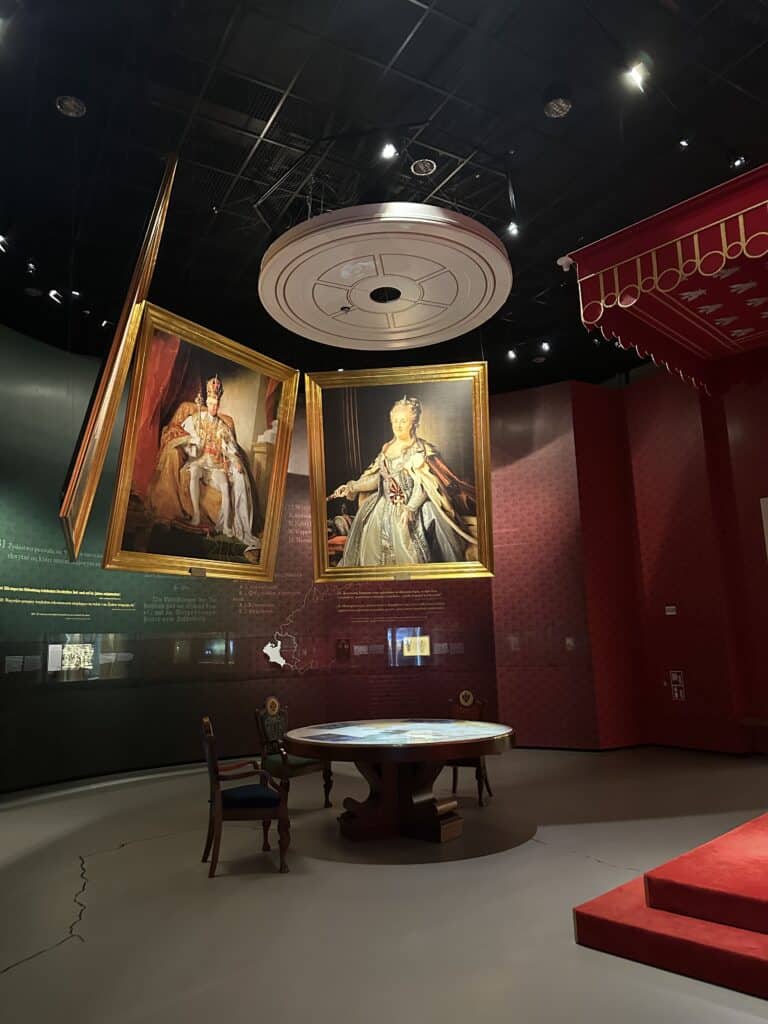
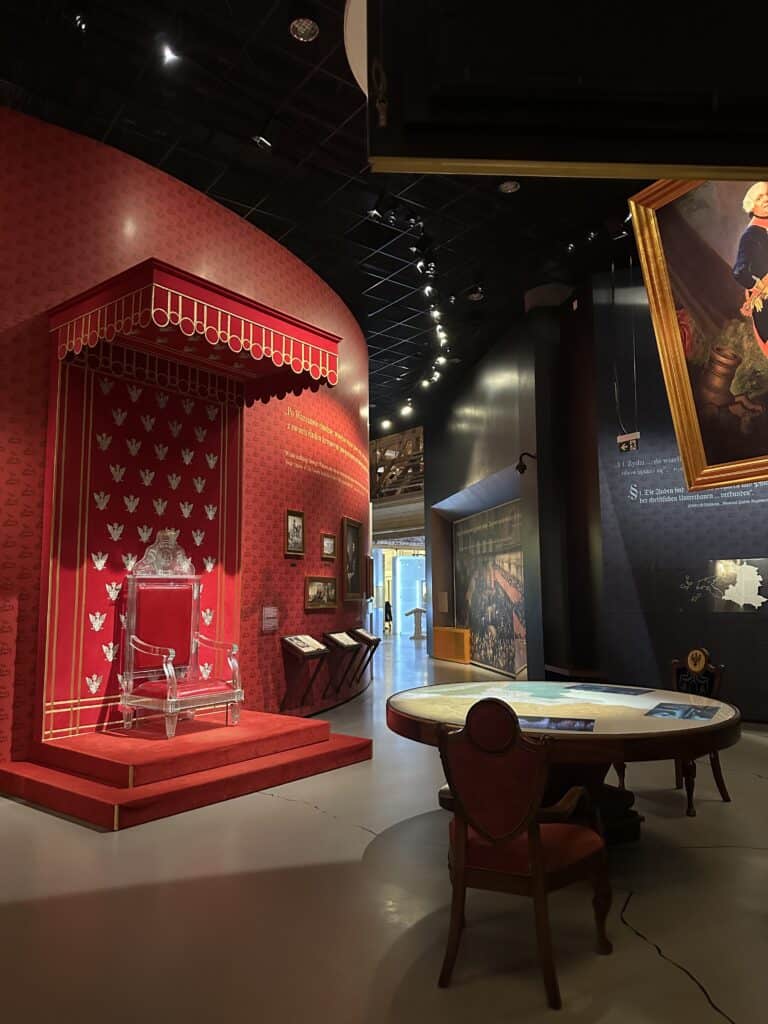
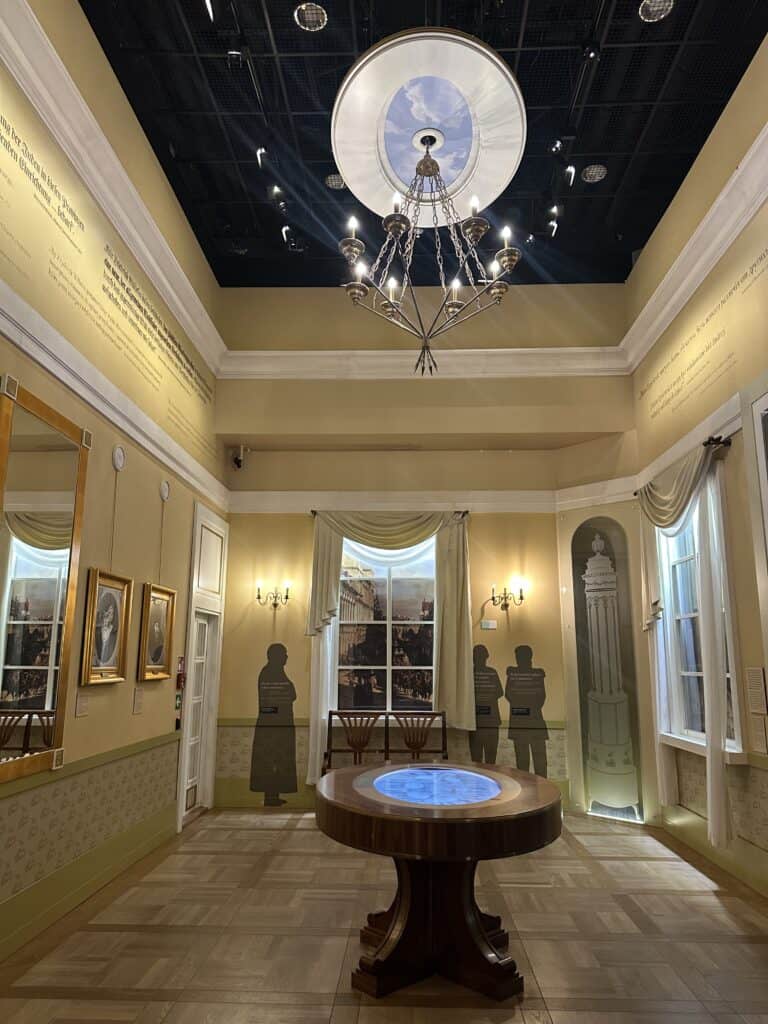
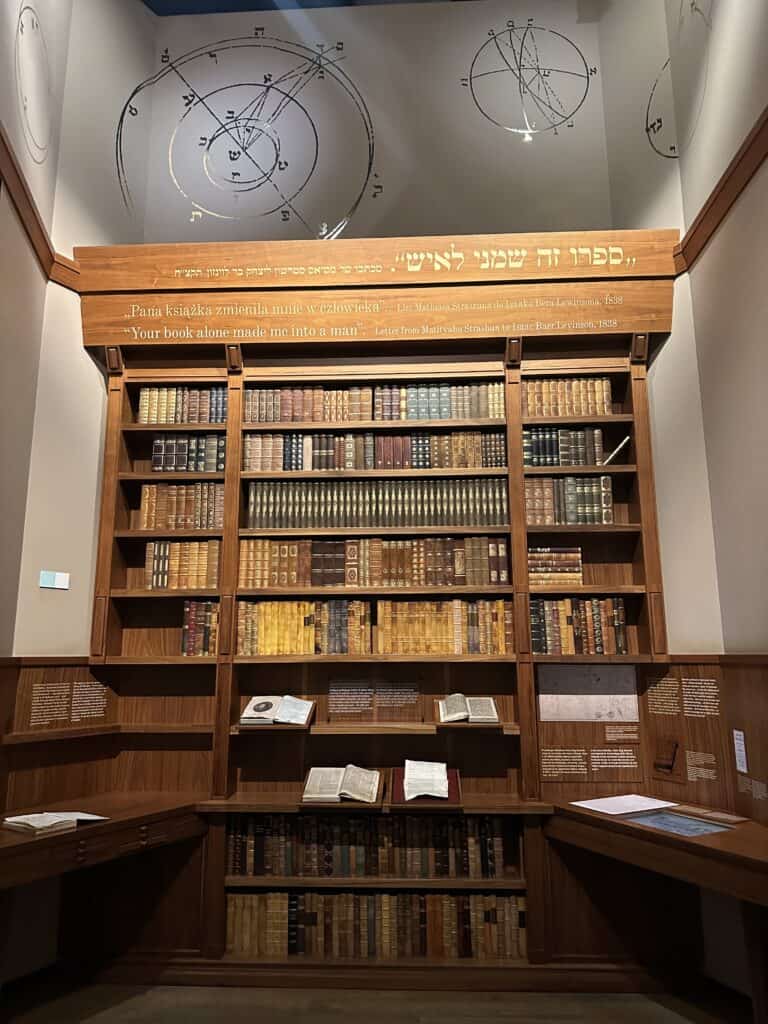
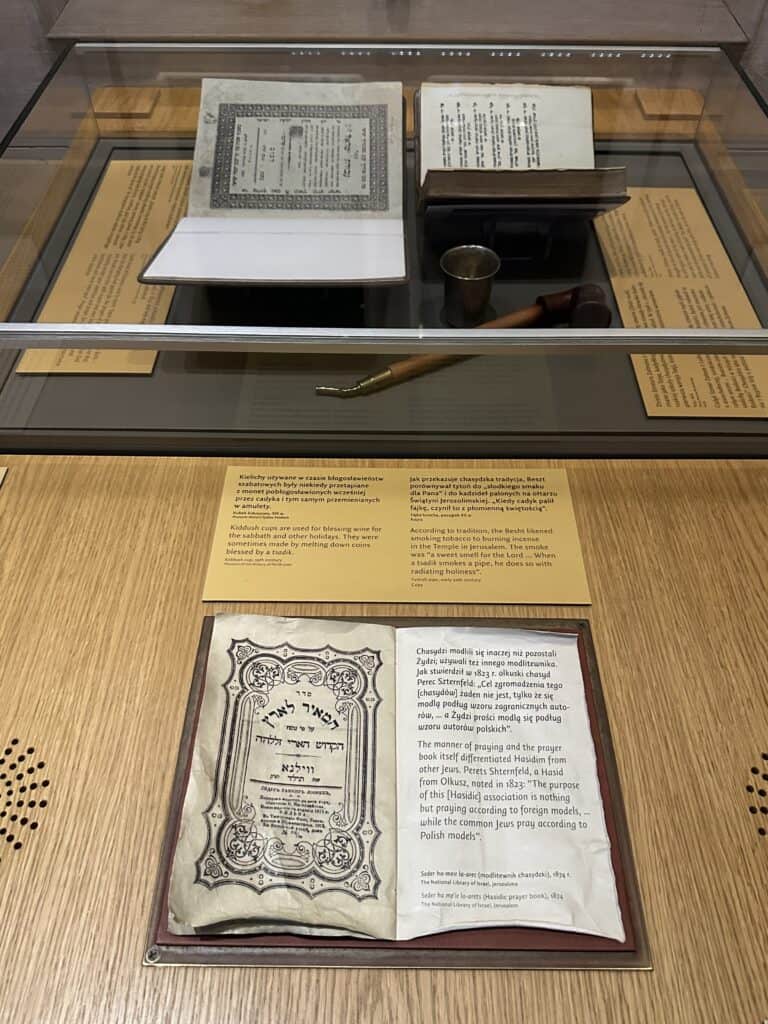
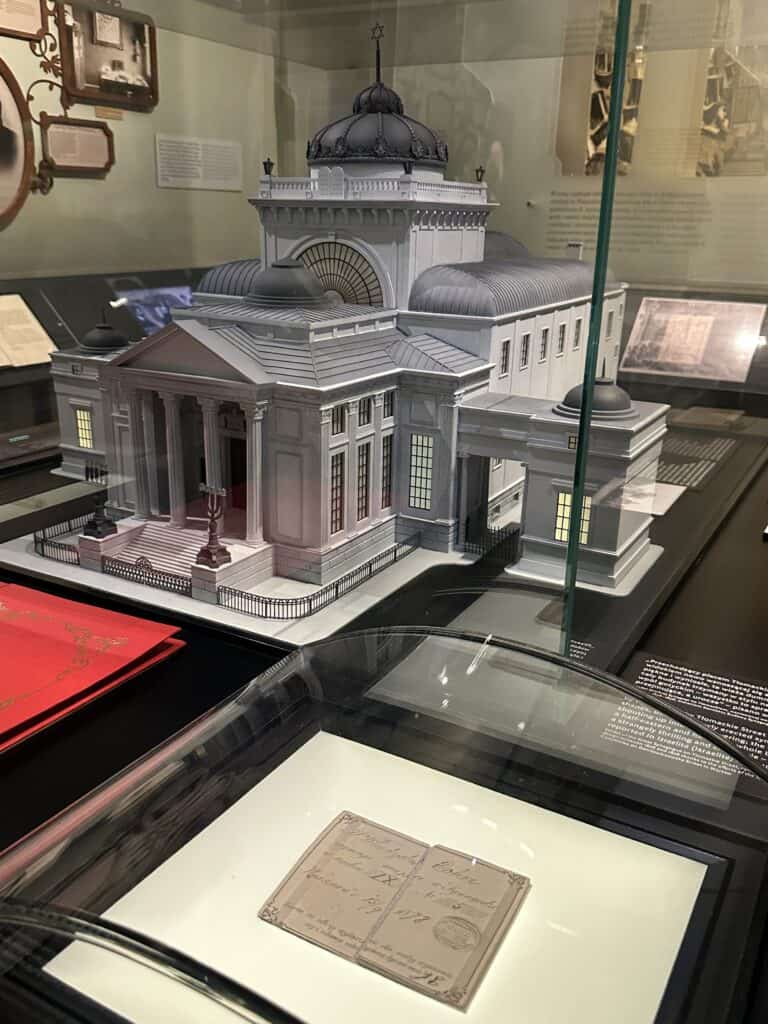
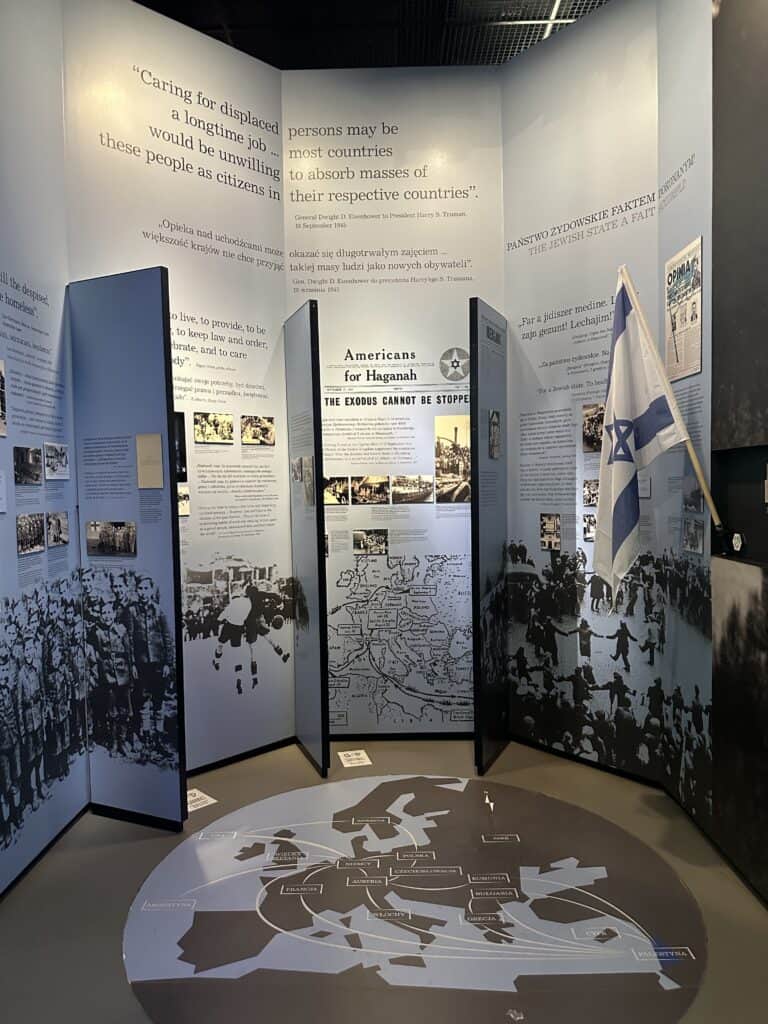
The permanent exhibition chronicles 1,000 years of Polish-Jewish history, unfolding chronologically across eight interactive galleries.
The exhibition does not merely recount the tragedy of the Holocaust; it celebrates the life, culture, and fundamental contributions of the Jewish community to Polish society.
Key themes explored across the eight galleries include the arrival of the first Jewish merchants and the emergence of the earliest communities.
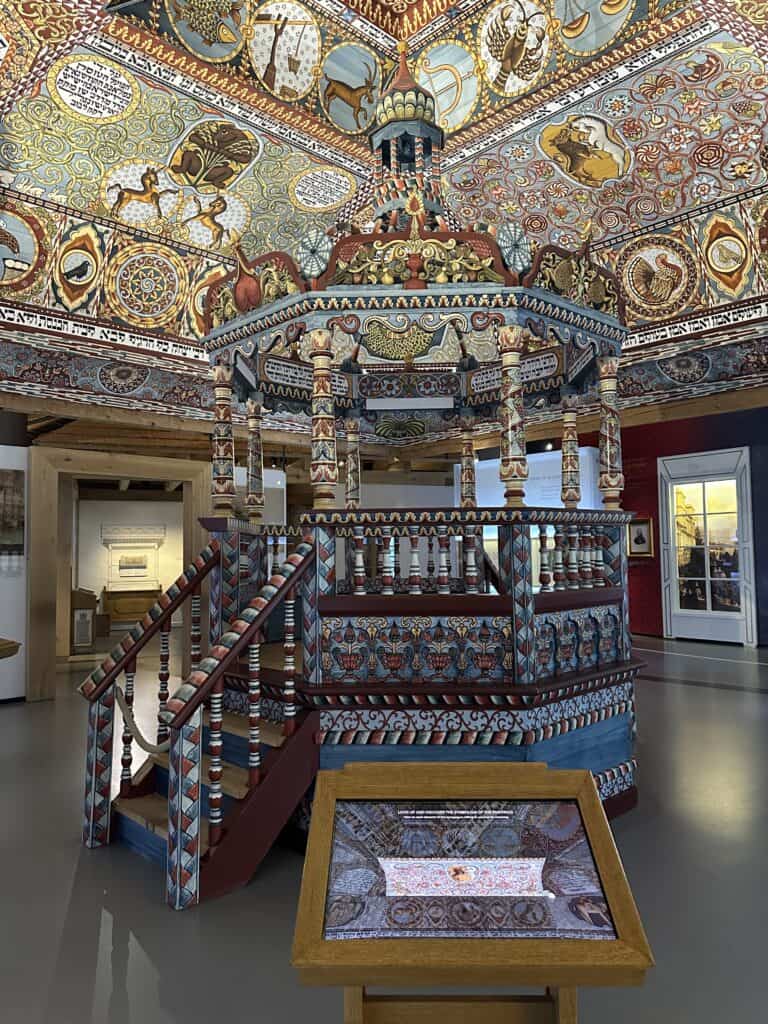
The initial galleries feature the ceiling of the Gwoździec Synagogue—a unique, full-scale reconstruction of a painted wooden synagogue ceiling from the 17th century.
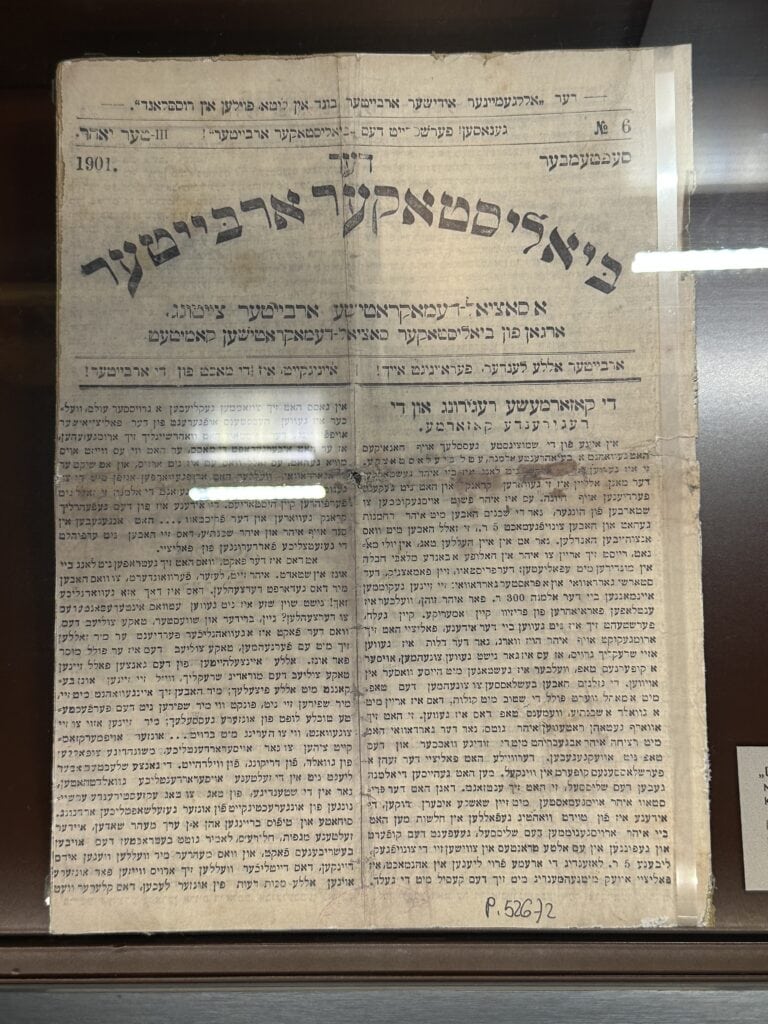
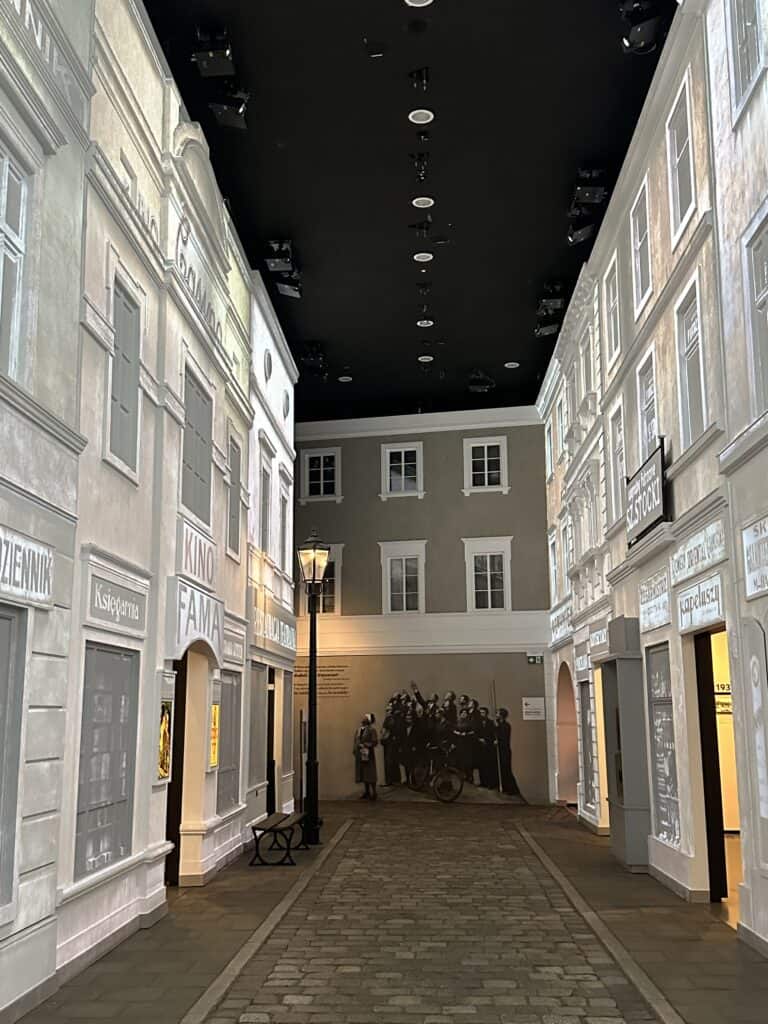
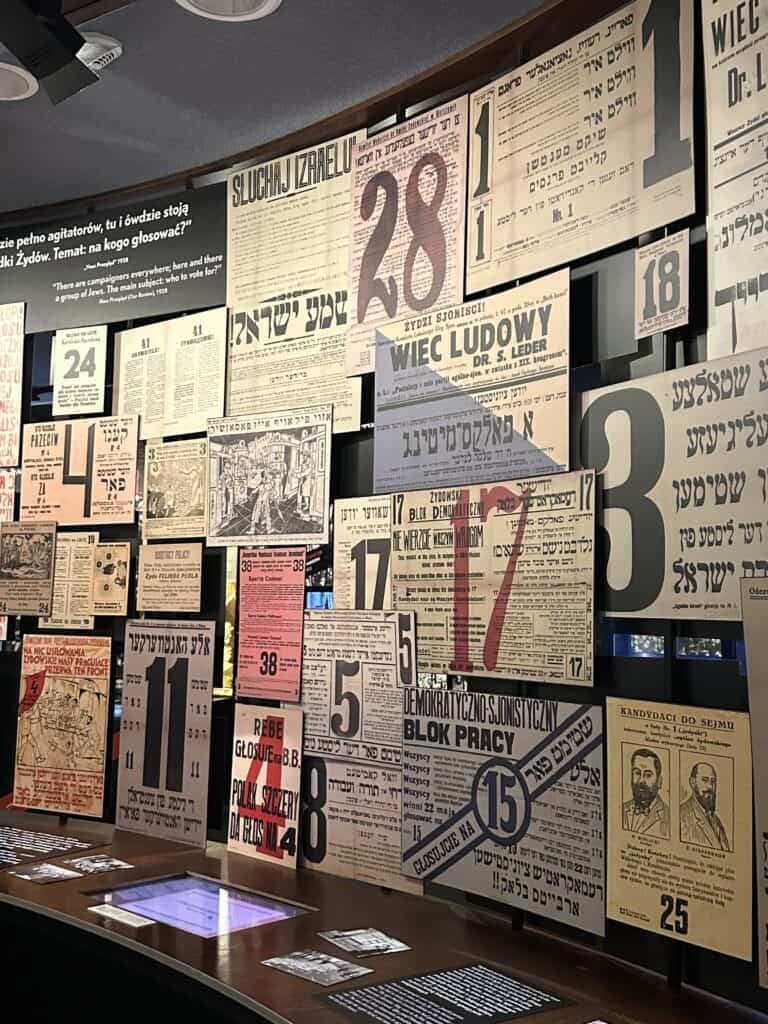
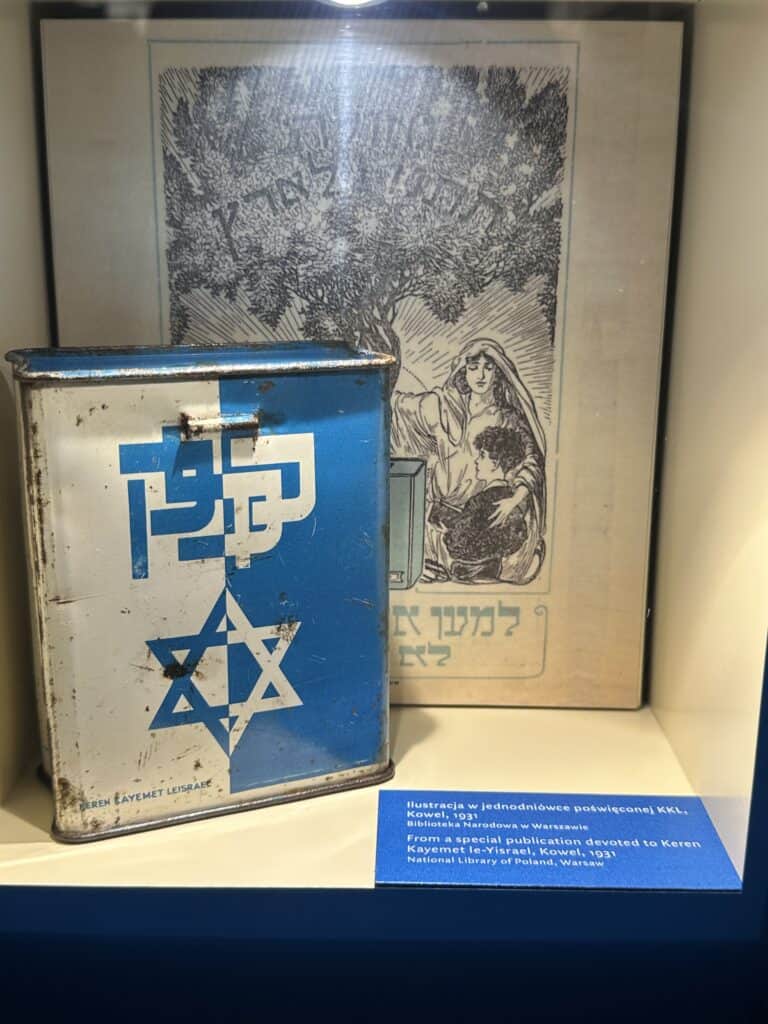
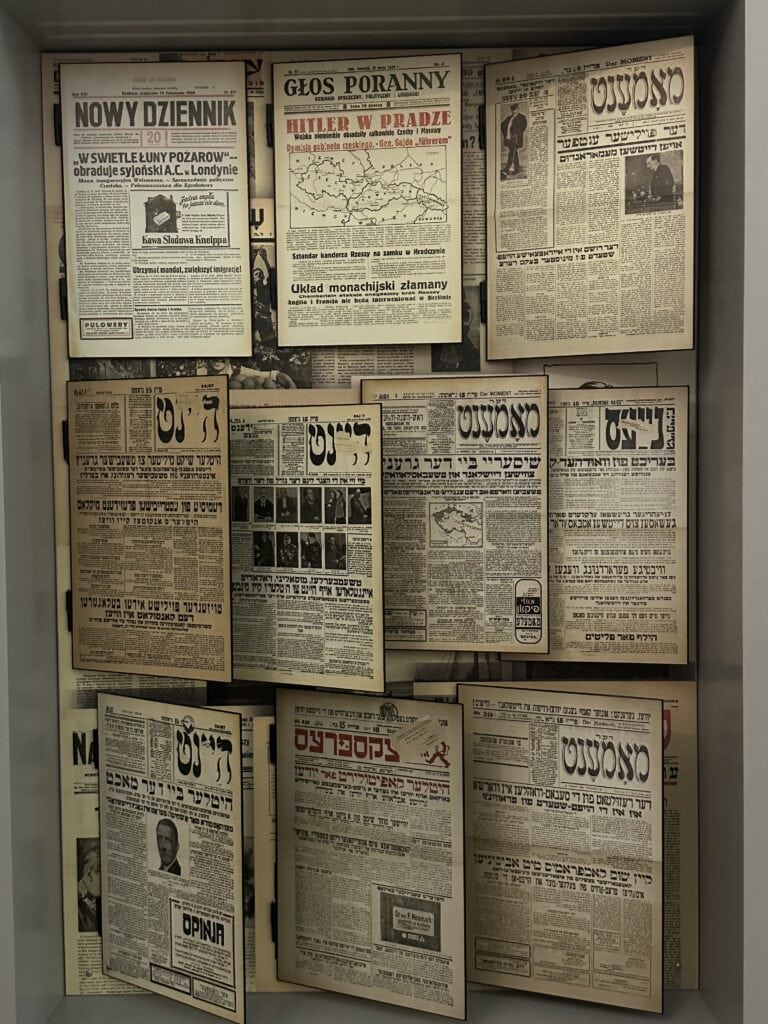
The period between 1569 and 1648 is known as the “Paradise for Polish Jews,” marking an era of great cultural and religious flourishing. Period between 1918 and 1939 marked a golden age for Jewish culture, featuring a flourishing of theater, Yiddish-language cinema, literature, and artistic avant-garde movements.
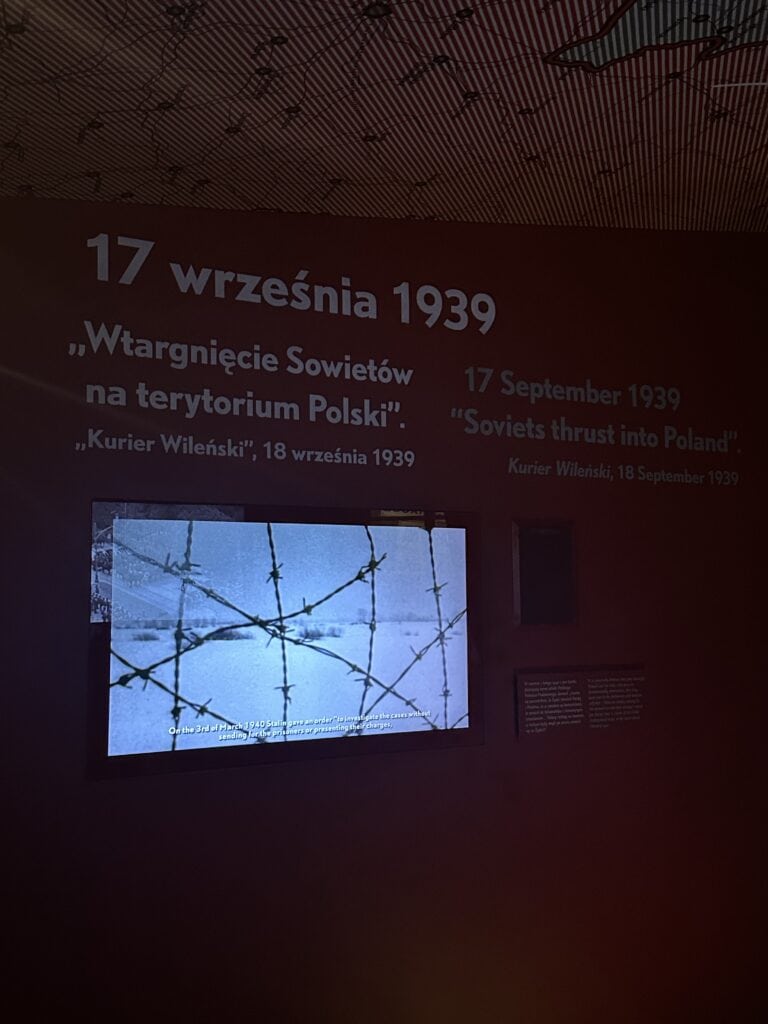
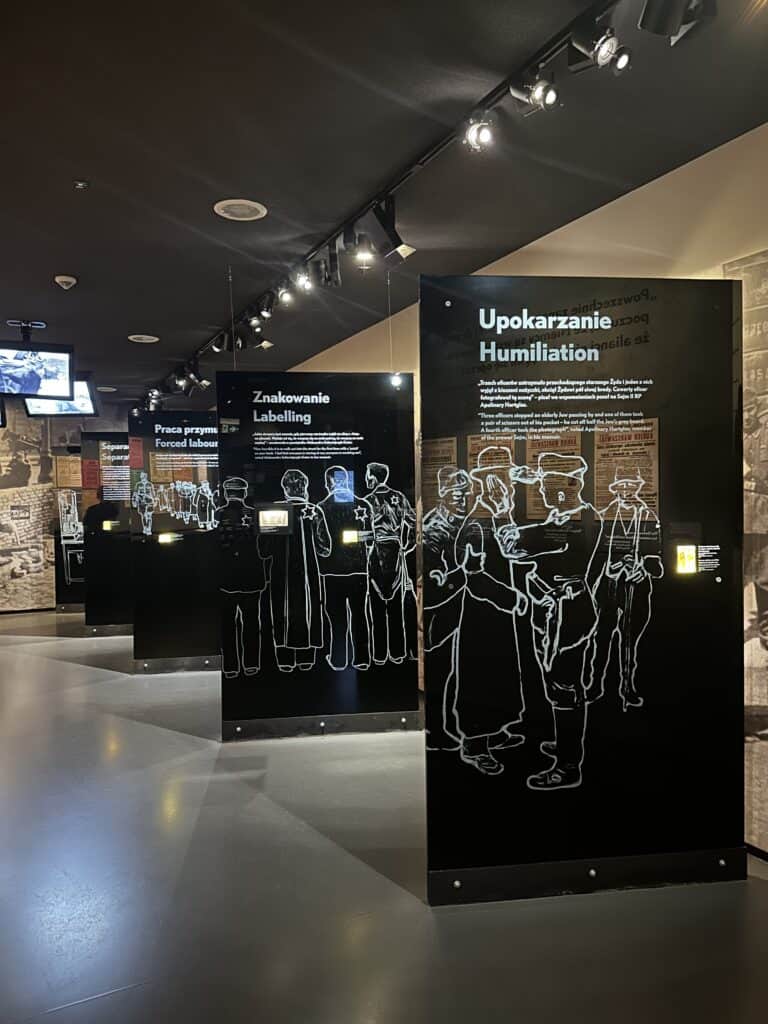
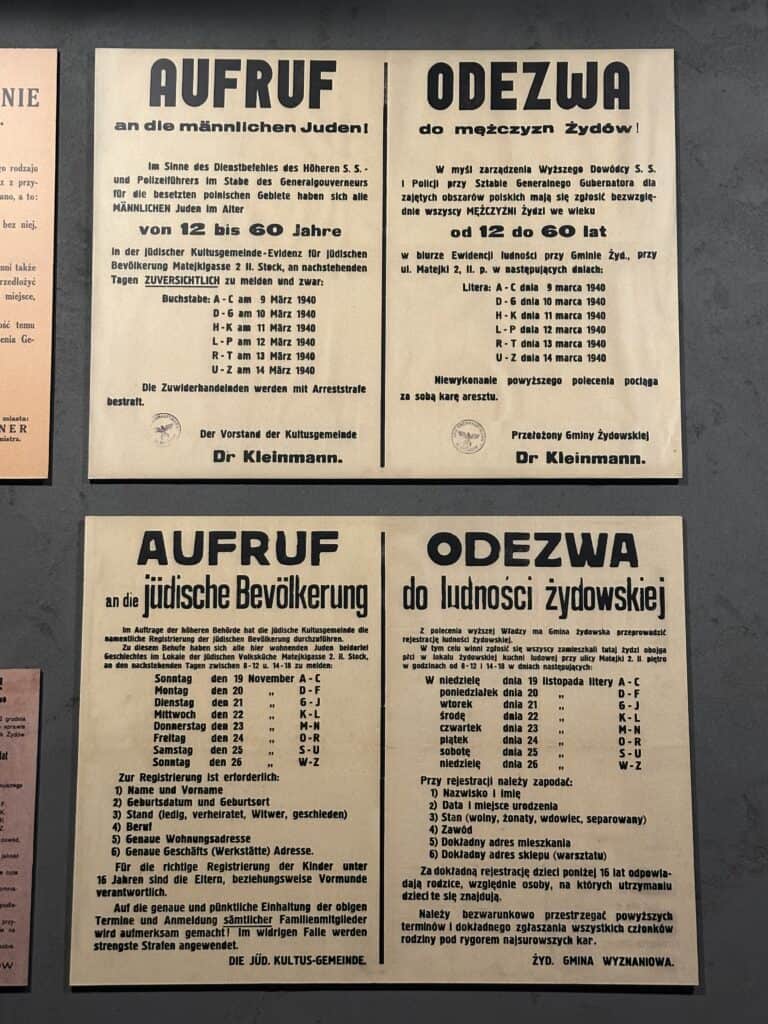
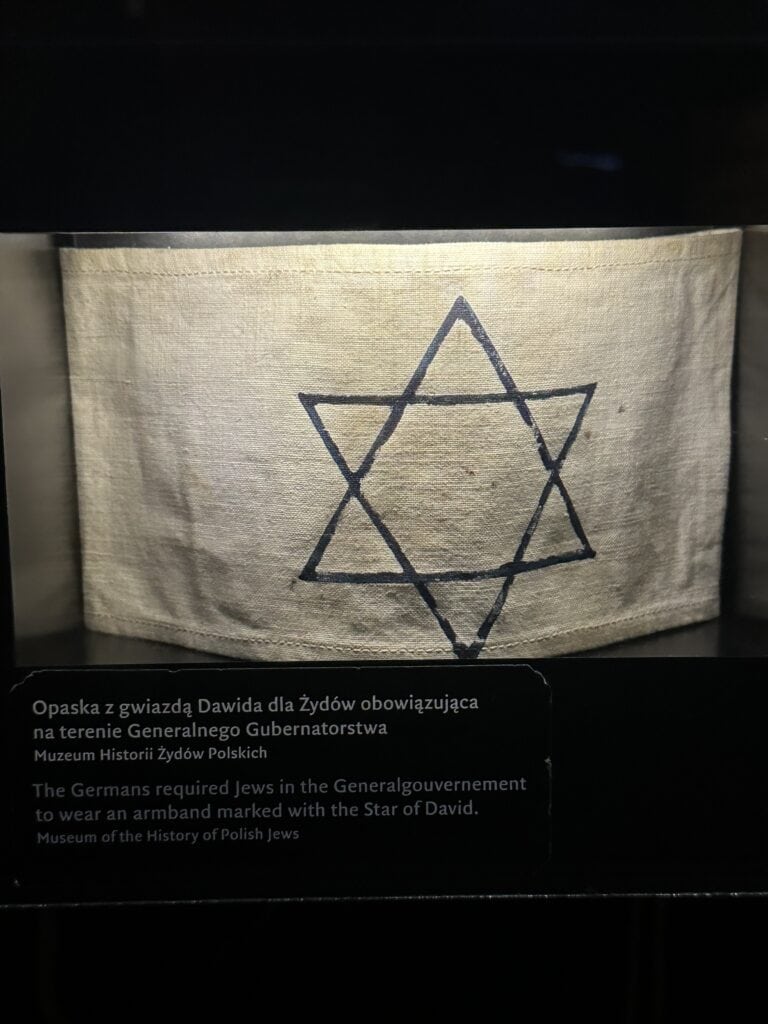
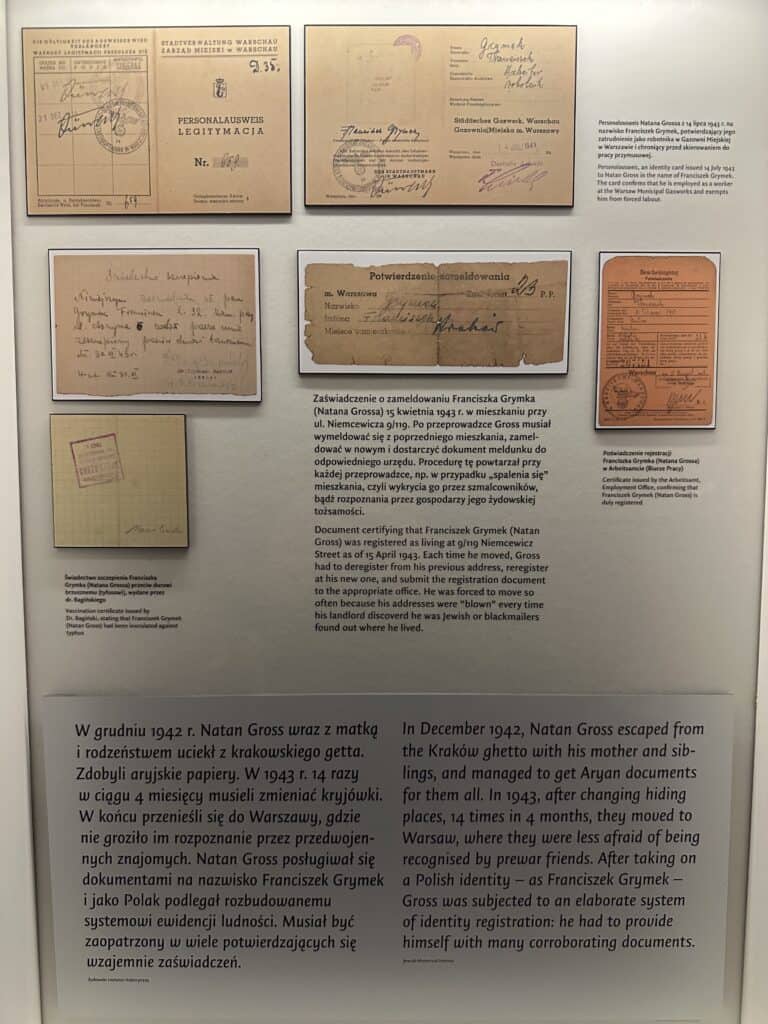
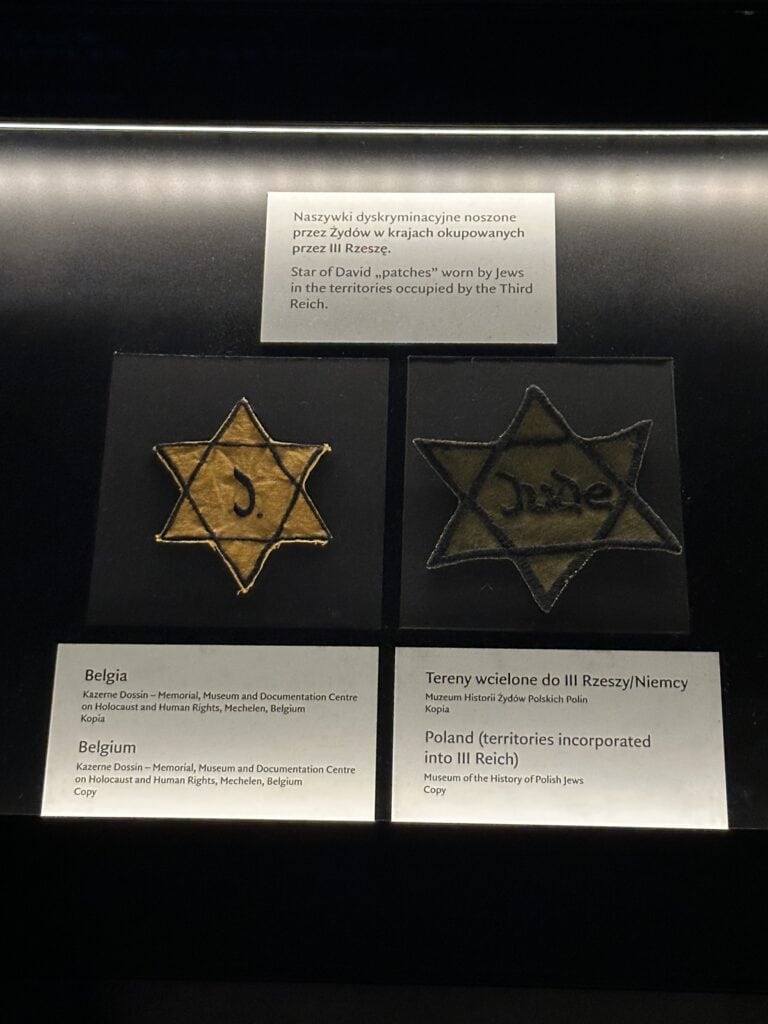
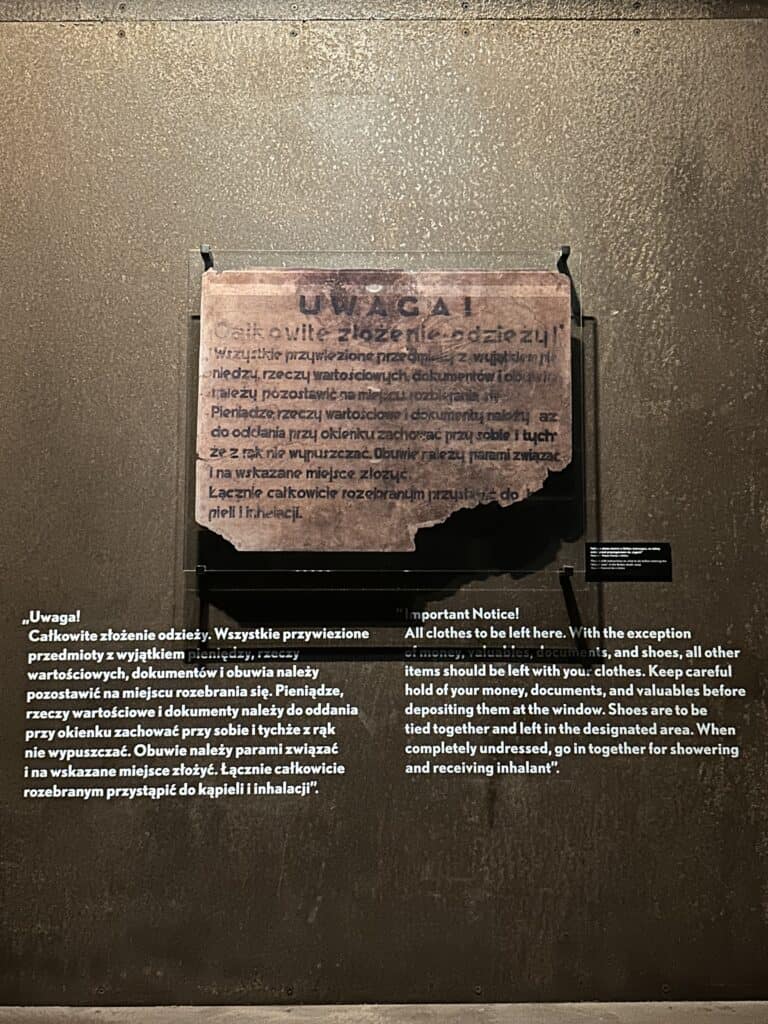
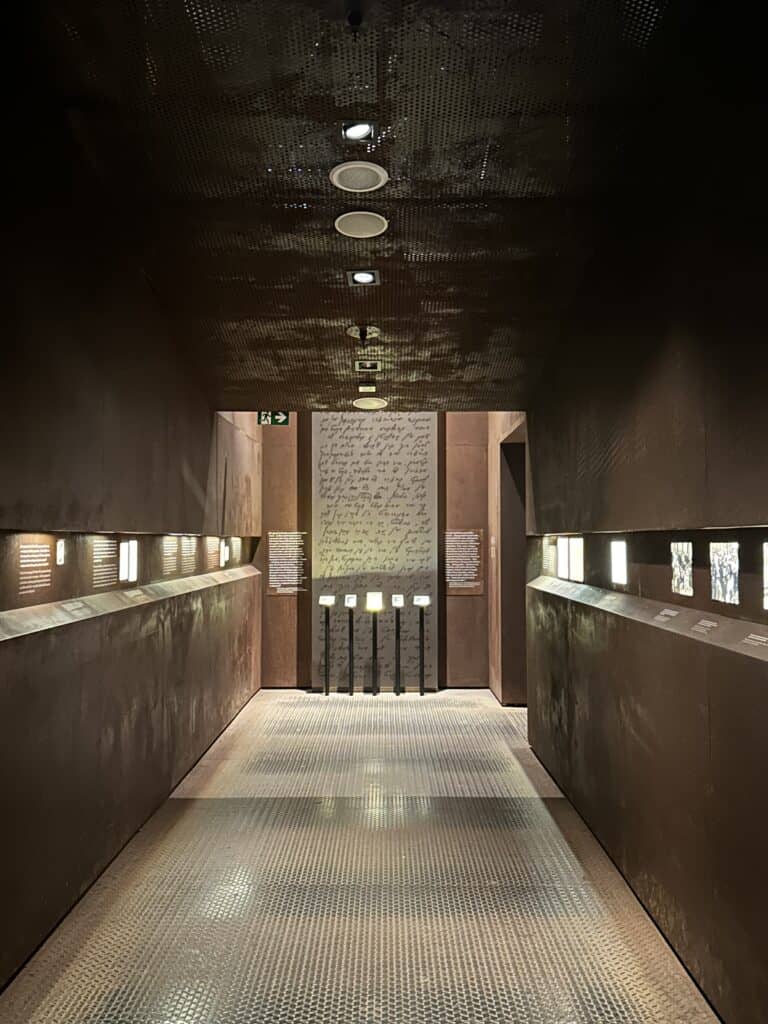
A significant section is dedicated to the Holocaust, displaying documents that bear witness to the Shoah, the establishment of the Warsaw Ghetto, and the deportations.
Between 1931 and 1939, Poland’s Jewish population numbered approximately 3.3 million, representing about 10% of the country’s total population. Warsaw was one of the world’s major centers of Jewish culture.
During the Holocaust, approximately 90% of Polish Jews were murdered in Nazi extermination camps; only about 350,000 survived.
Today, between 10,000 and 20,000 Jews live in Poland—a population drastically reduced compared to the past due to the tragedies of the 20th century.
The Jewish presence in the country has undergone immense historical shifts, ranging from being the largest Jewish community in Europe to facing near-total annihilation during World War II.