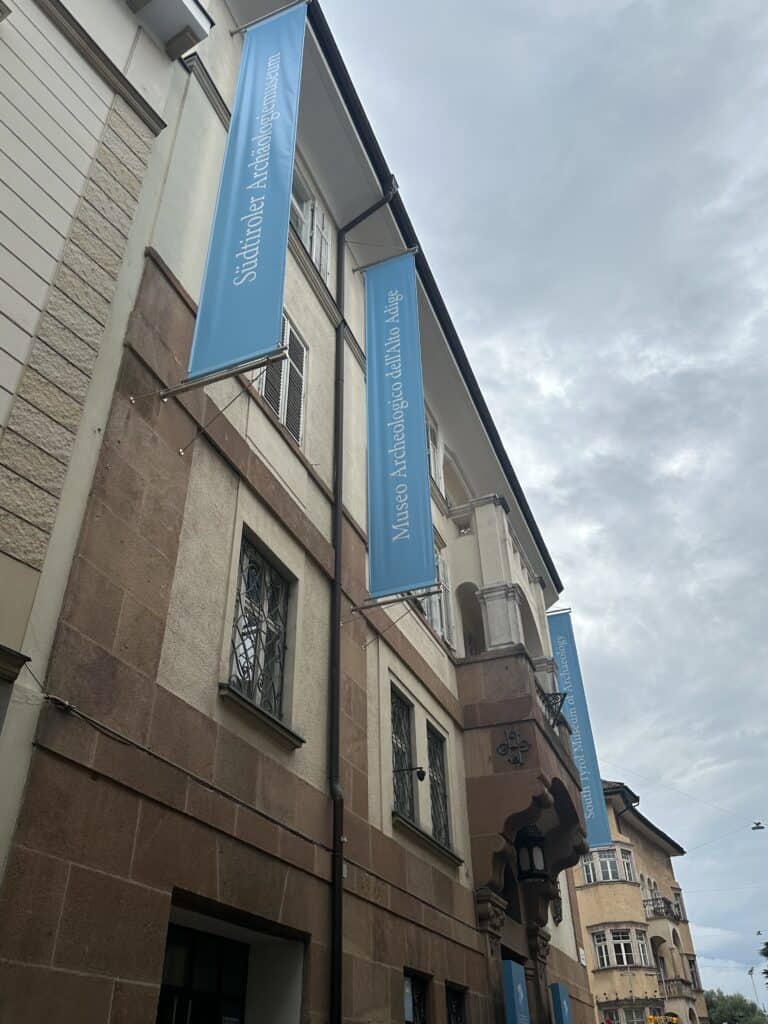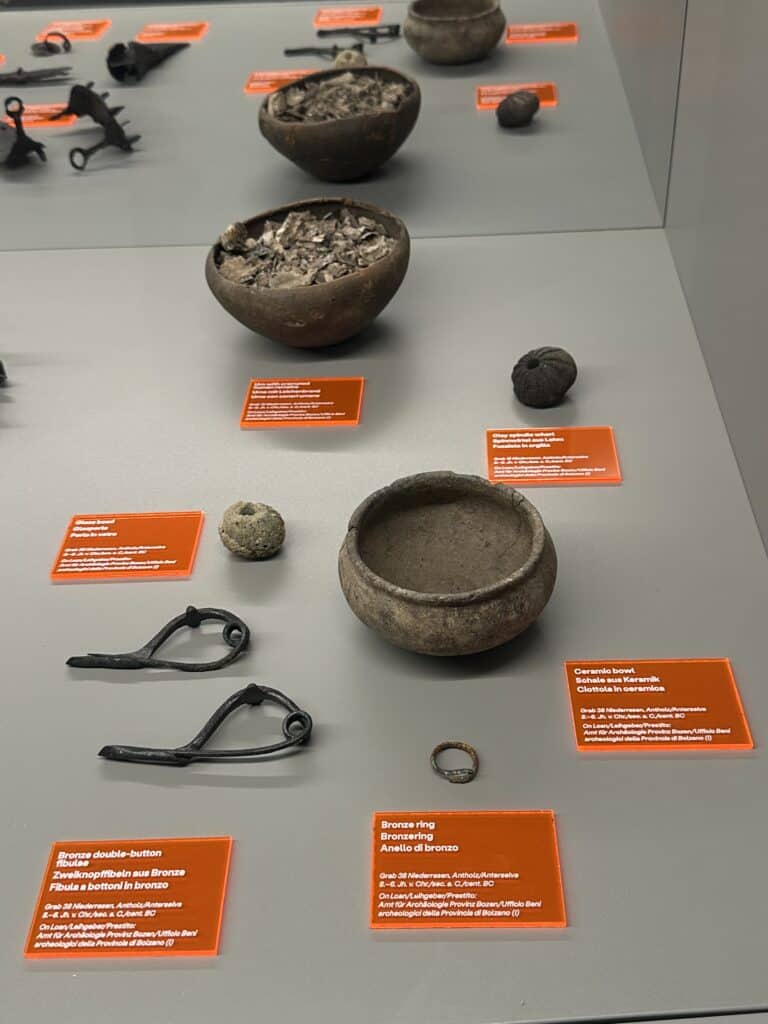
The South Tyrol Museum of Archaeology is located in the center of Bolzano and is renowned as the home of Ötzi, the Iceman.
Also known as the Iceman or the Similaun Mummy, Ötzi is a natural mummy dating back to the Copper Age—approximately 5,300 years ago (he lived between 3300 BC and 3100 BC).
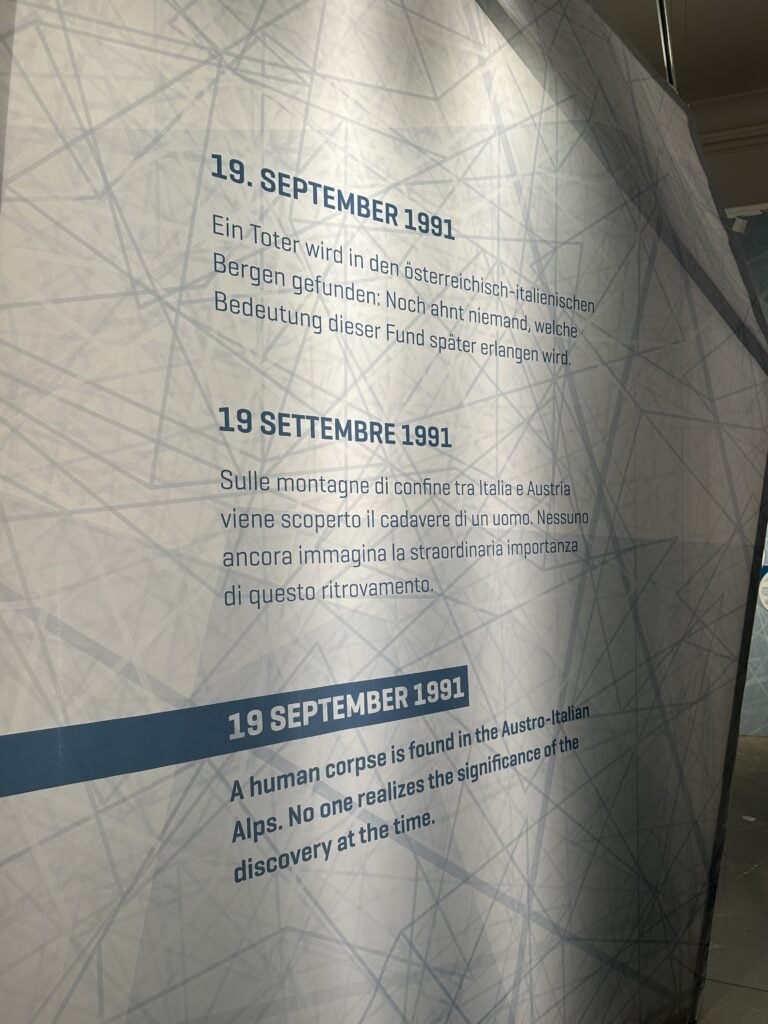
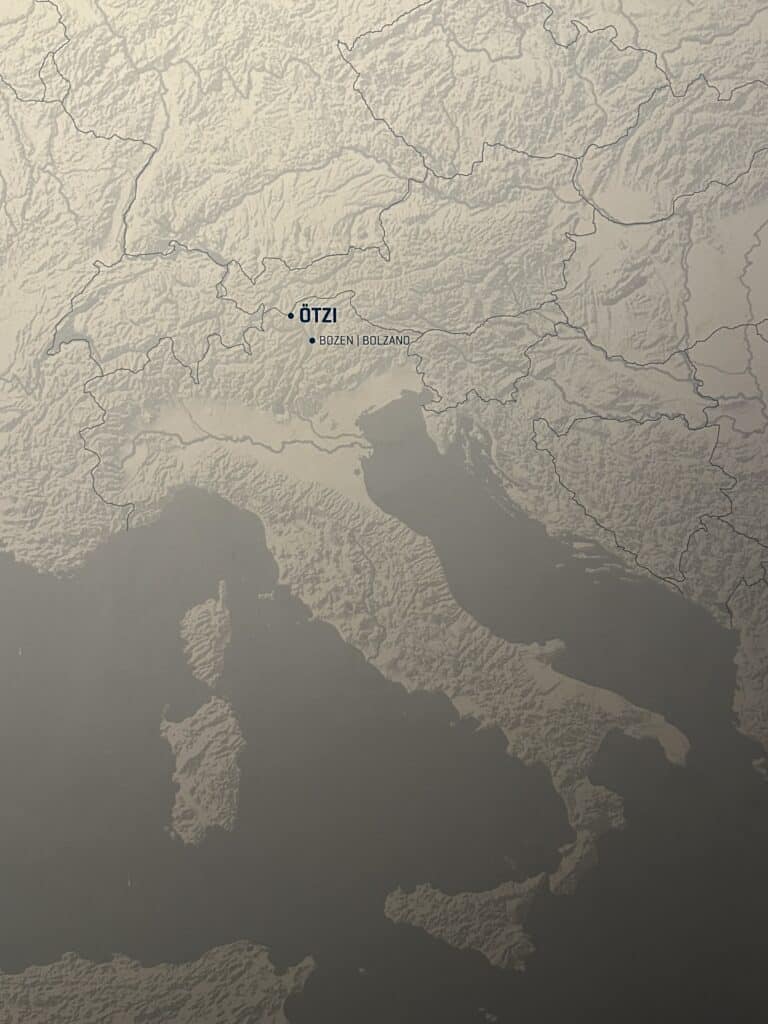
He was discovered by chance on 19th September 1991, by a German couple, Erika and Helmut Simon, at the Tisenjoch (Hauslabjoch) pass in the Ötztal Alps, at an altitude of about 3,210 meters.
The discovery of Ötzi’s mummy stands as one of the most significant and groundbreaking archaeological finds in human history.
Thanks to over thirty years of rigorous medical analysis led by scientists from around the world, we now possess surprising details about his life.
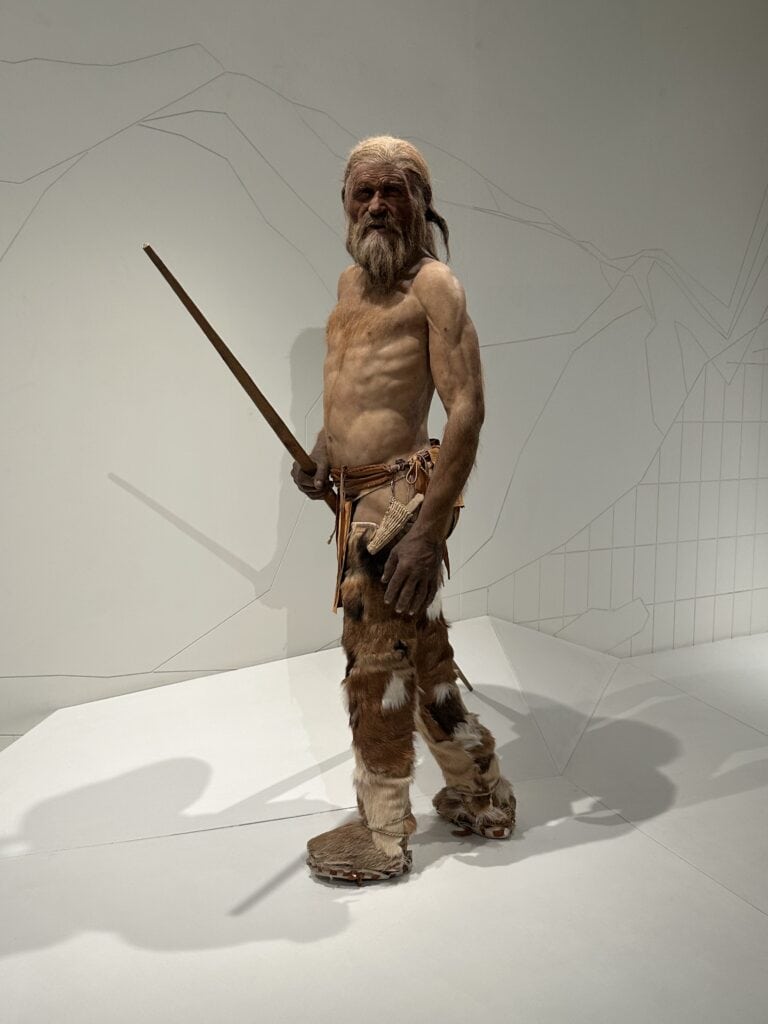
At the time of his death, he was approximately 46 years old—an advanced age for that era—stood about 1.60 meters tall, and weighed an estimated 50 kg.
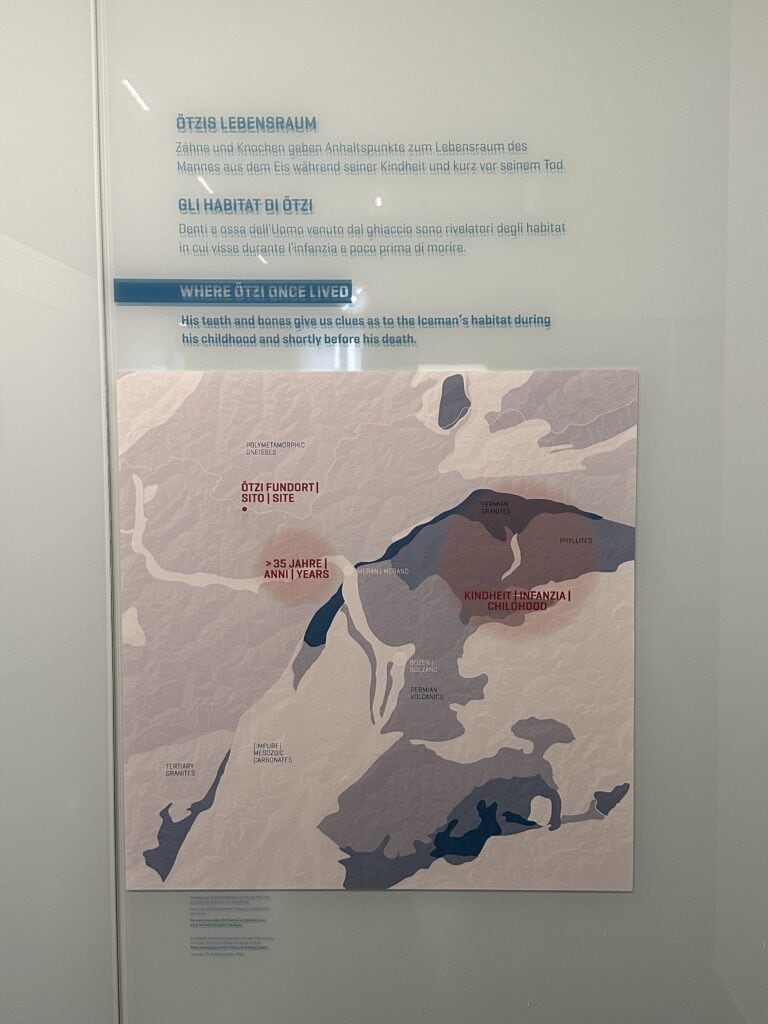
DNA sequencing revealed that his lineage originated in the Near East, showing strong genetic affinities with populations found today in the isolated regions of Sardinia and Corsica.
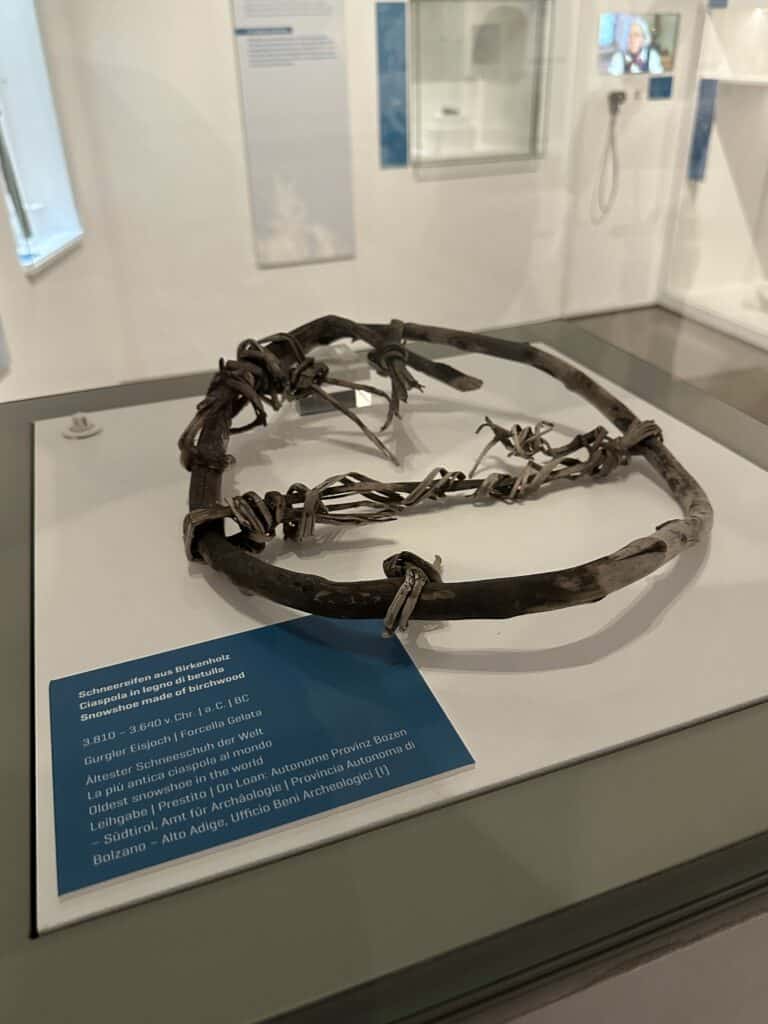
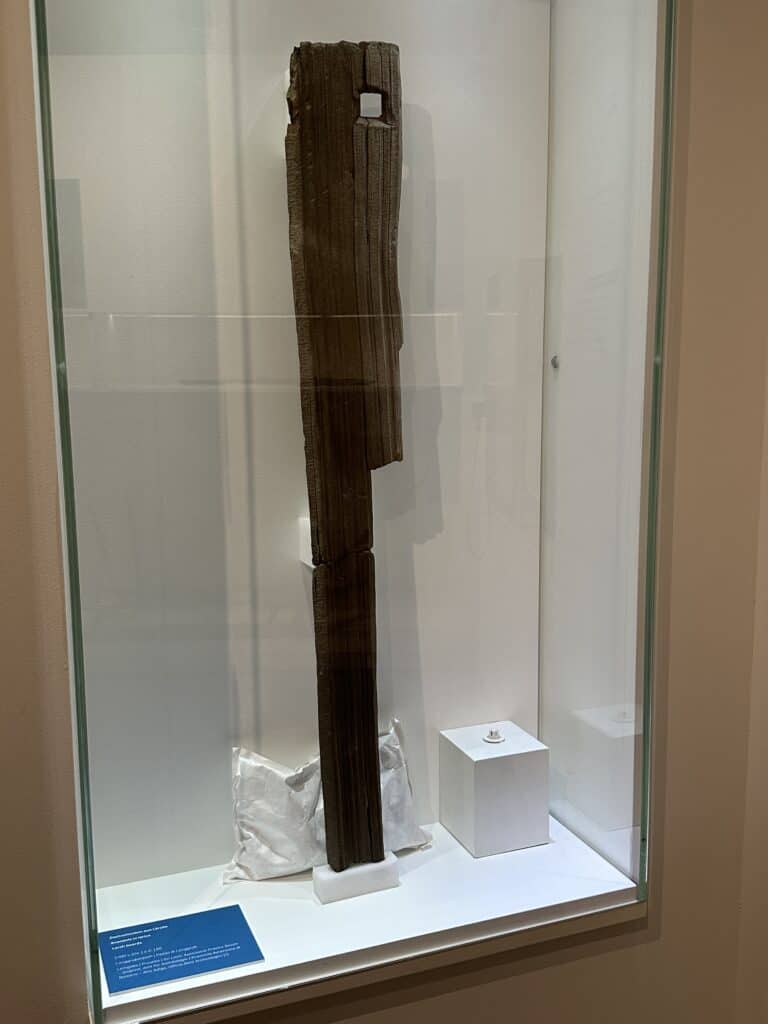
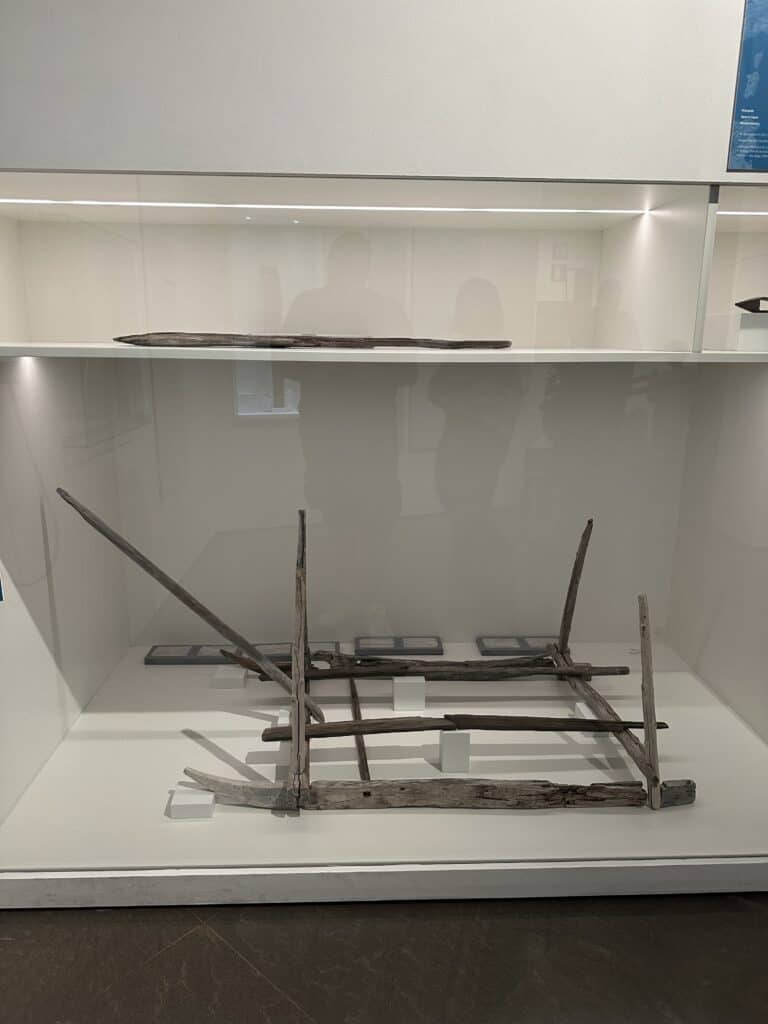
What makes Ötzi an exceptional find is not merely the body itself, but the perfectly preserved state of his equipment, which has redefined our understanding of prehistoric technology.
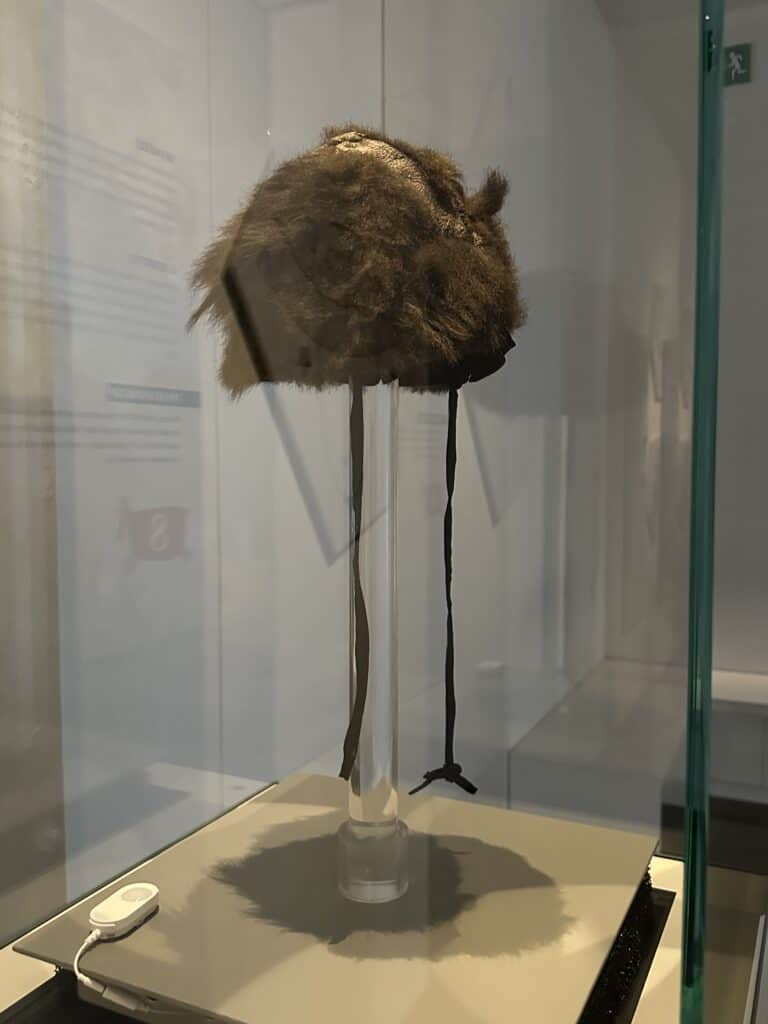
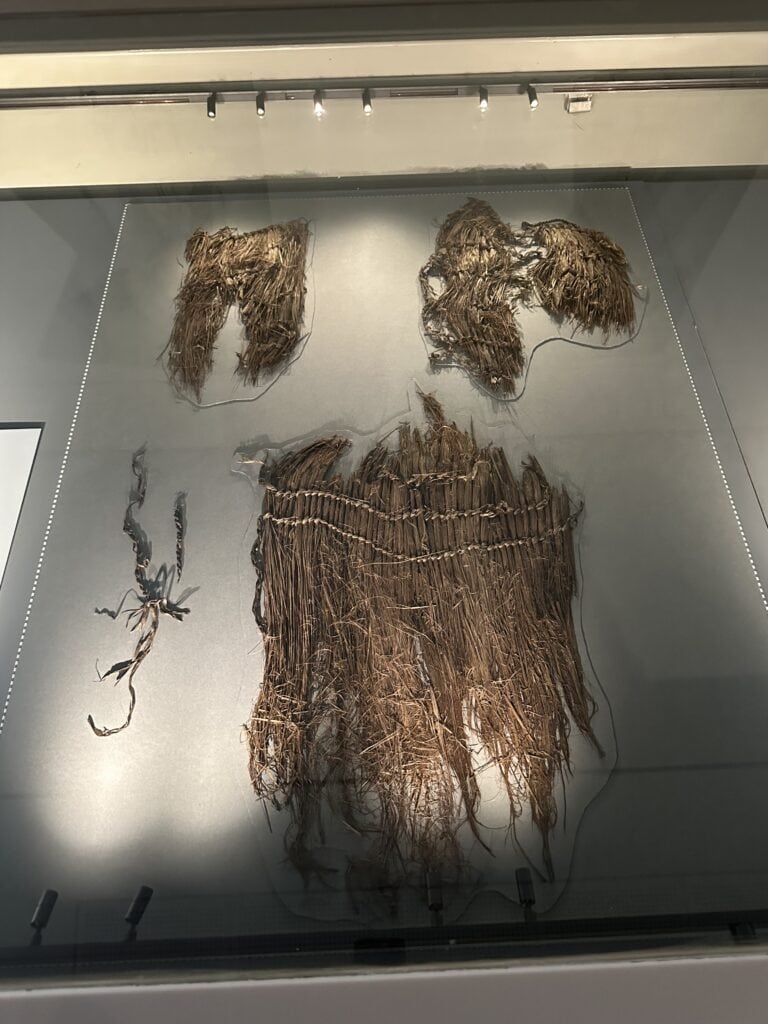
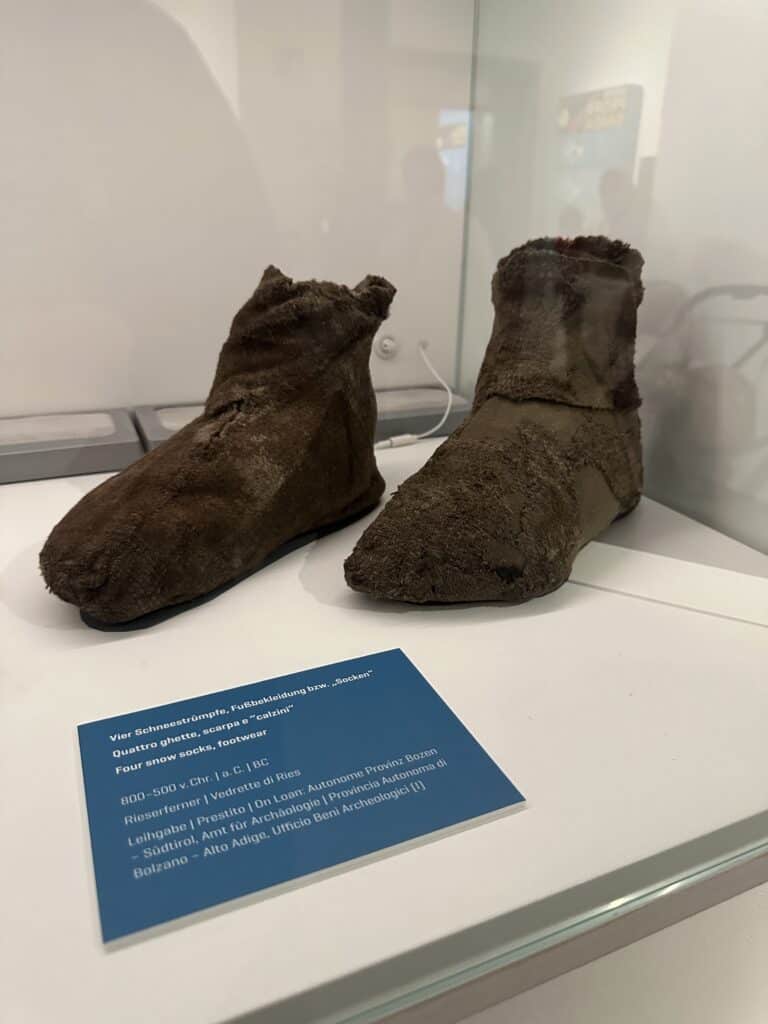
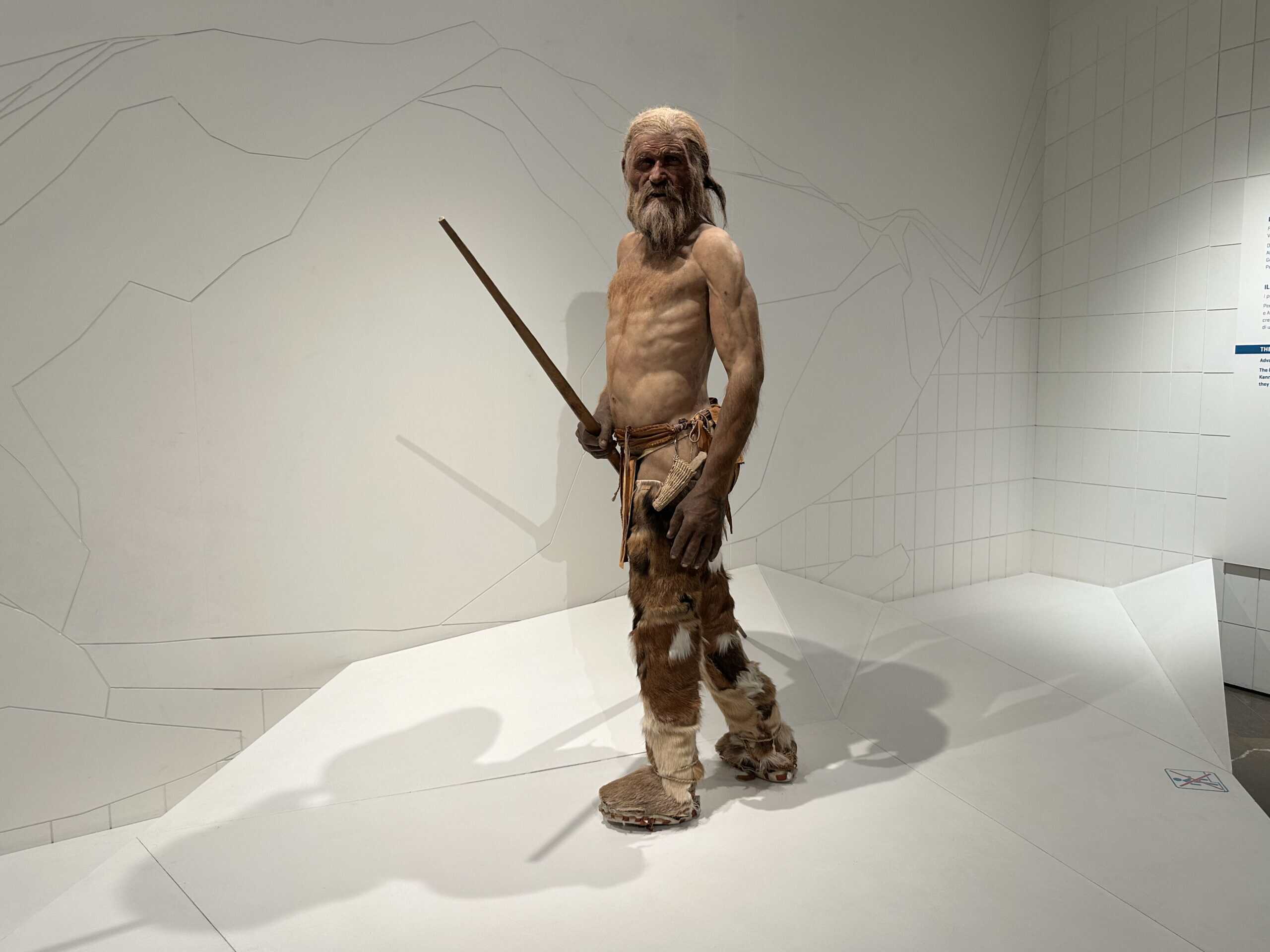
He wore a loincloth and goatskin leggings, a shirt made of strips of goat and sheep leather, a heavy leather coat, and a waterproof cape woven from grass fibers. His outfit was completed by a brown bear-fur cap and leather shoes stuffed with hay for insulation against the cold.
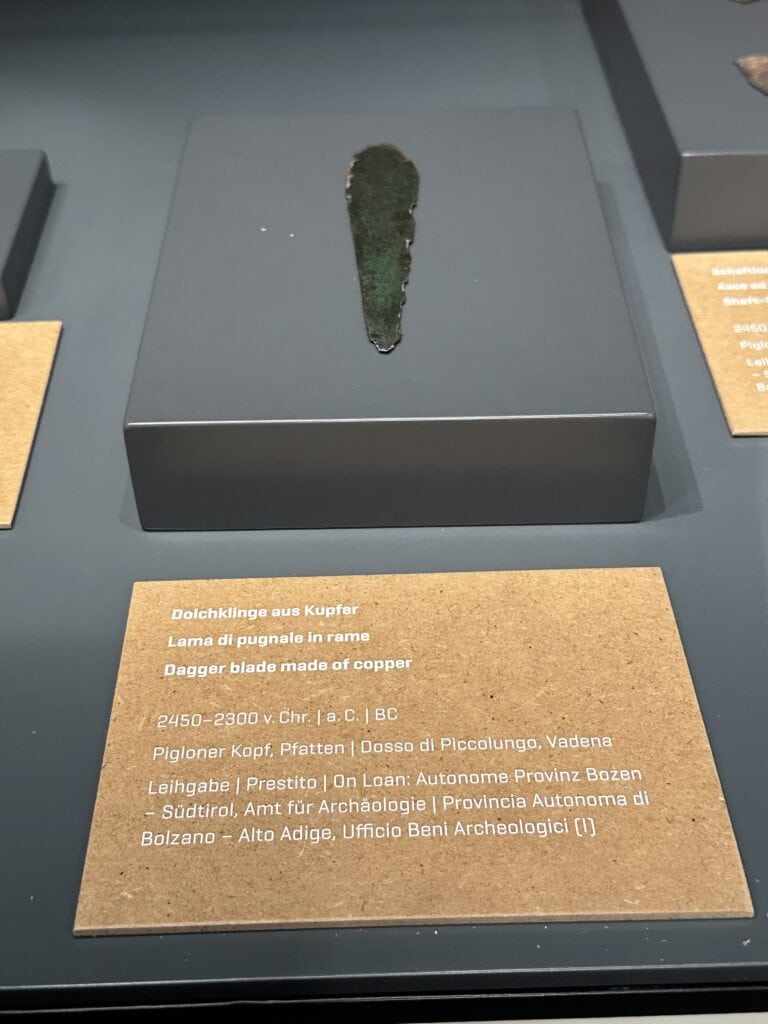
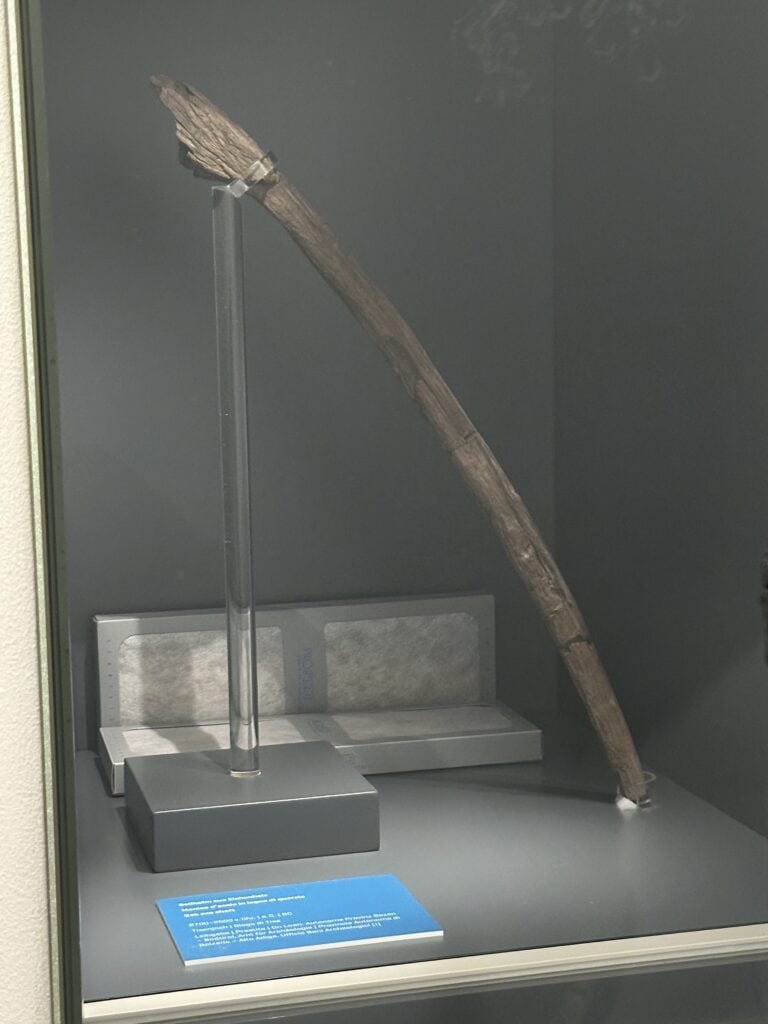
The copper axe was found perfectly intact, featuring a blade of 99% pure copper attached to a yew-wood handle. Ötzi also carried a wooden bow, a roe-deer leather quiver containing 14 arrows, and a flint-bladed dagger in its original sheath.
Sixty-one tattoos, consisting of lines and crosses, were mapped on Ötzi’s body. They were not created using needles but by making small incisions in the skin and rubbing them with charcoal dust.
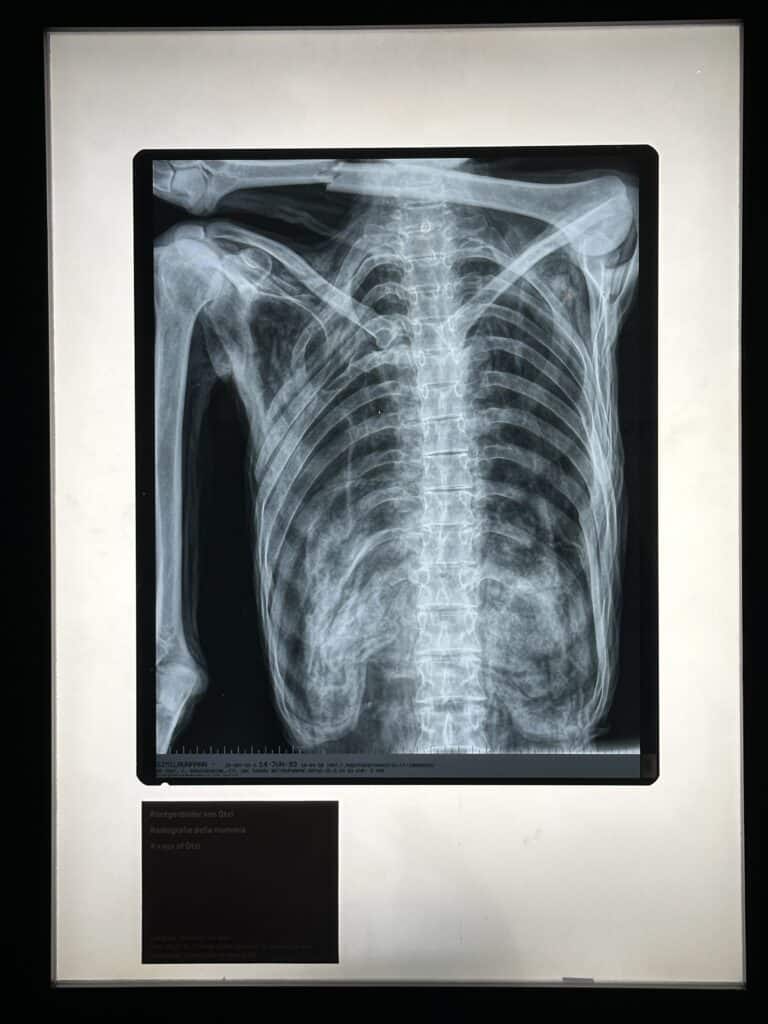
For many years, it was believed that Ötzi had died of exposure during a sudden storm, but an X-ray in 2001 revealed the true cause.
Ötzi was murdered; a flint arrowhead struck him from behind, penetrating his left shoulder blade and severing the subclavian artery, causing fatal hemorrhaging within minutes.
He also had a deep defensive wound on his right hand (inflicted one or two days before his death) and severe head trauma.
As he is a “wet mummy” (still containing original bodily fluids), he is kept in a cold storage chamber to prevent decomposition; this chamber artificially recreates glacier conditions with a constant temperature of -6°C and a relative humidity of 98–99%.
To compensate for minute moisture losses, sterile water is periodically sprayed onto the body, forming an extremely thin, protective film of surface ice.The museum exhibition spans three floors: the first two are dedicated to Ötzi, his artifacts, and the scientific research surrounding him, while the third-floor hosts temporary exhibiti