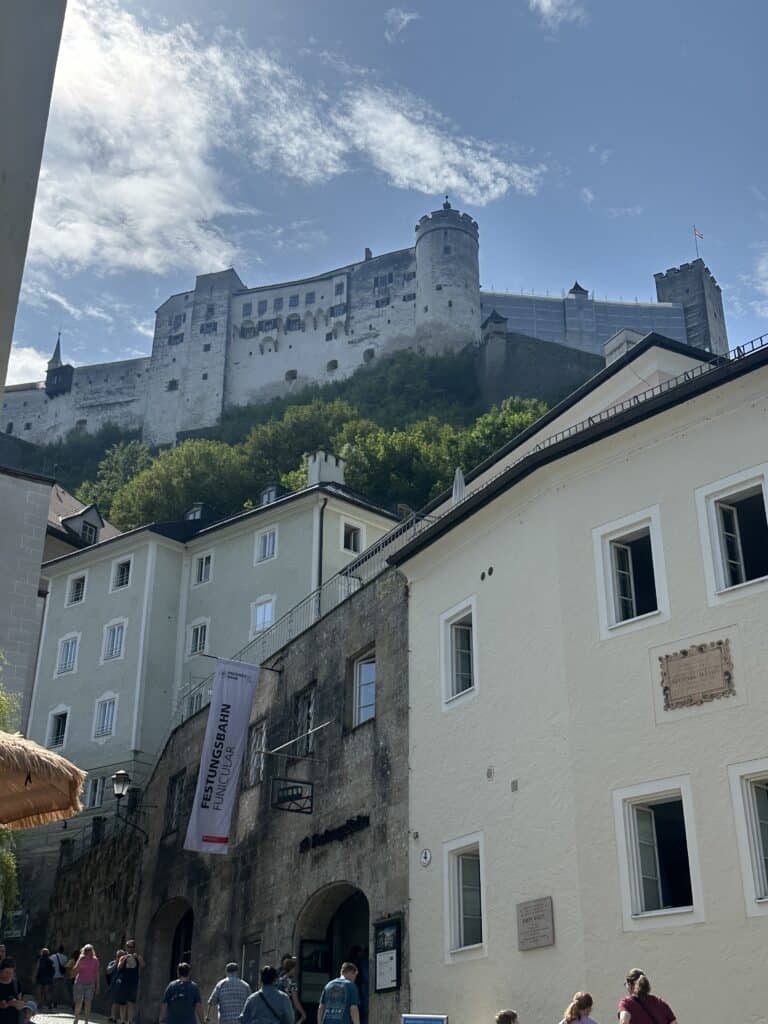
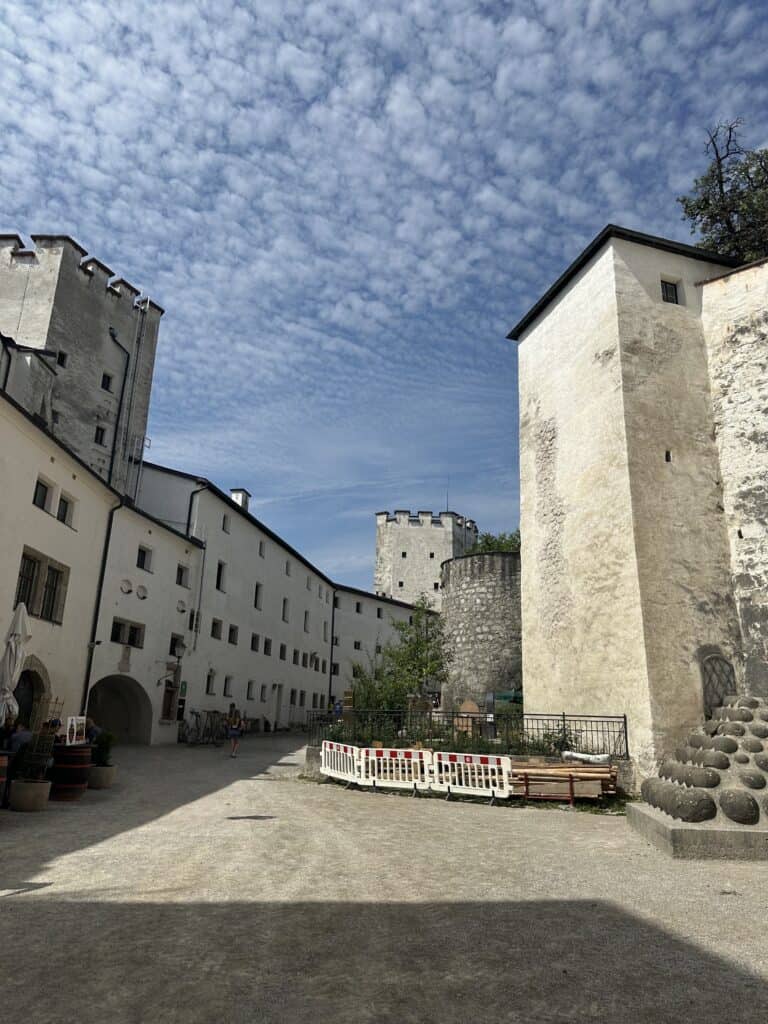
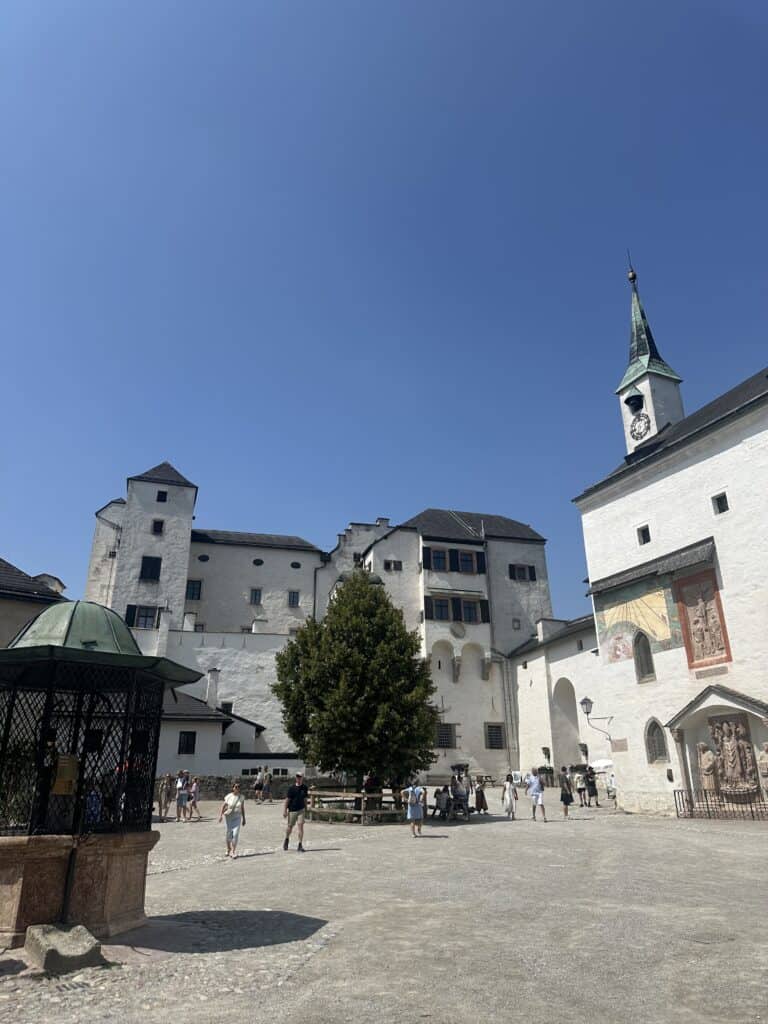
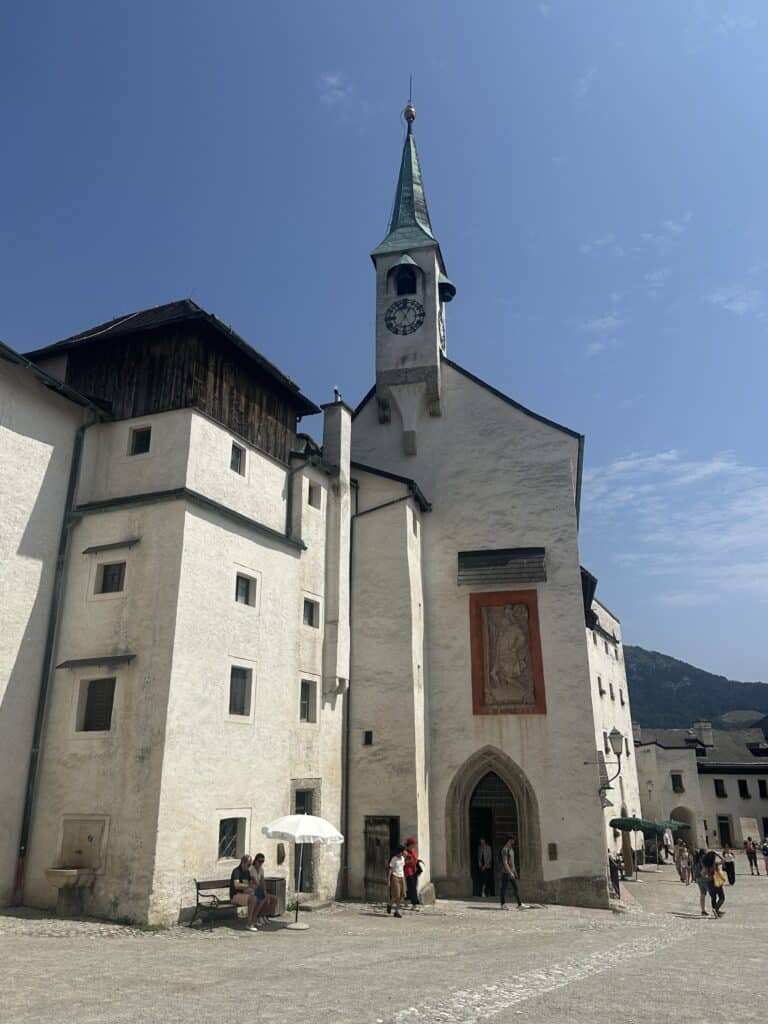
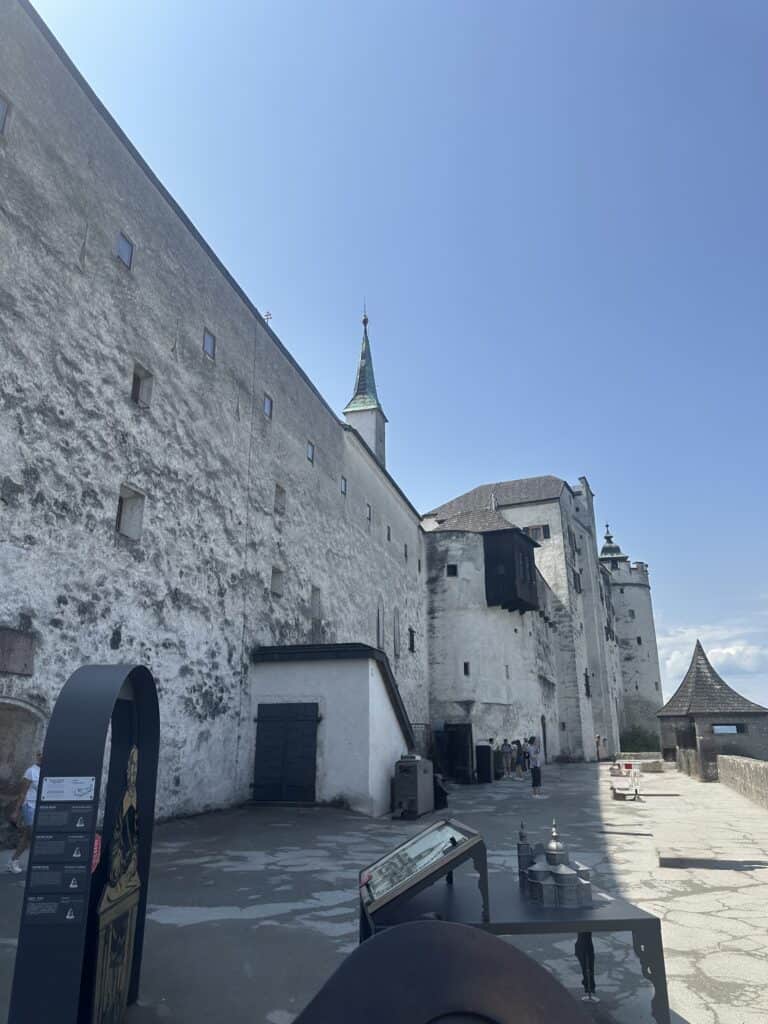
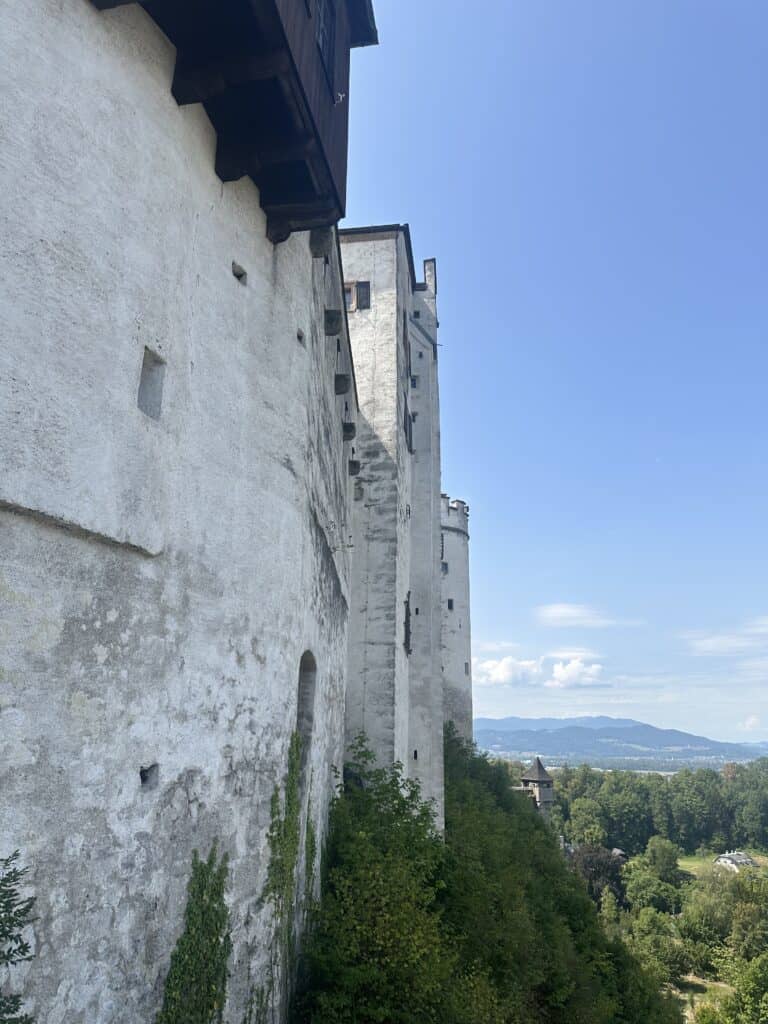
The Salzburg Fortress (Festung Hohensalzburg) is the city’s undisputed symbol and stands as one of the largest and best-preserved medieval fortress complexes in Europe.
The fortress’s history spans nearly a millennium of political, military, and religious events, making it one of the few European fortifications never to have been captured by foreign troops.
Construction began in 1077 at the behest of Prince-Archbishop Gebhard; the structure stands atop the Festungsberg hill.
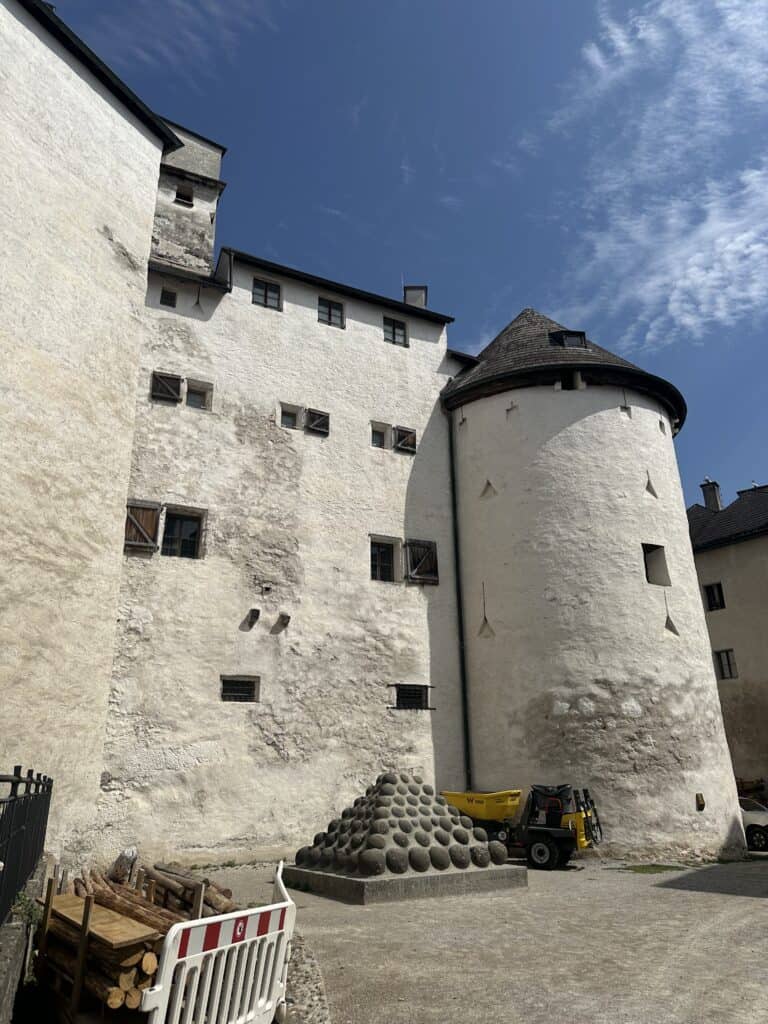
Between the 12th and 14th centuries, the fortress was expanded with the construction of an outer defensive ring.
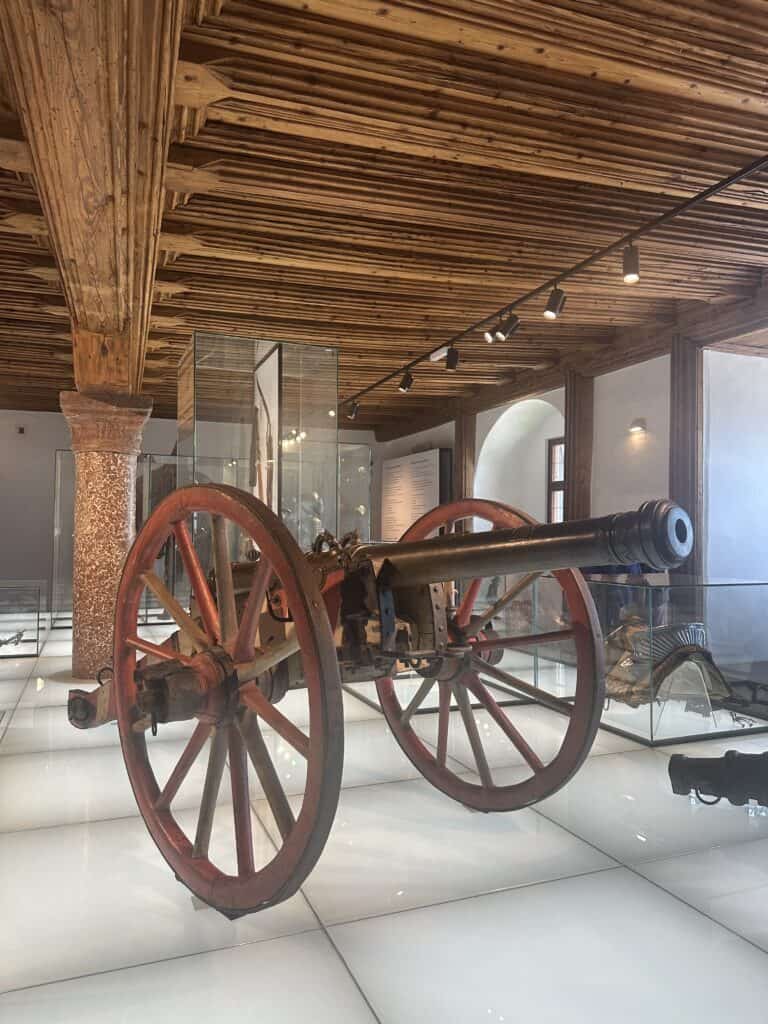
Around 1500, new watchtowers were built, and the defense system was upgraded with the introduction of early cannons.
The fortress remained intact until 1800, when, during the Napoleonic Wars, the entire complex was surrendered to the French without a fight following the city’s political capitulation.
In 1803, the fortress came under the permanent military control of the Austrian Empire, and in 1806, Emperor Franz Joseph I officially decreed the end of Hohensalzburg’s use as a military stronghold.
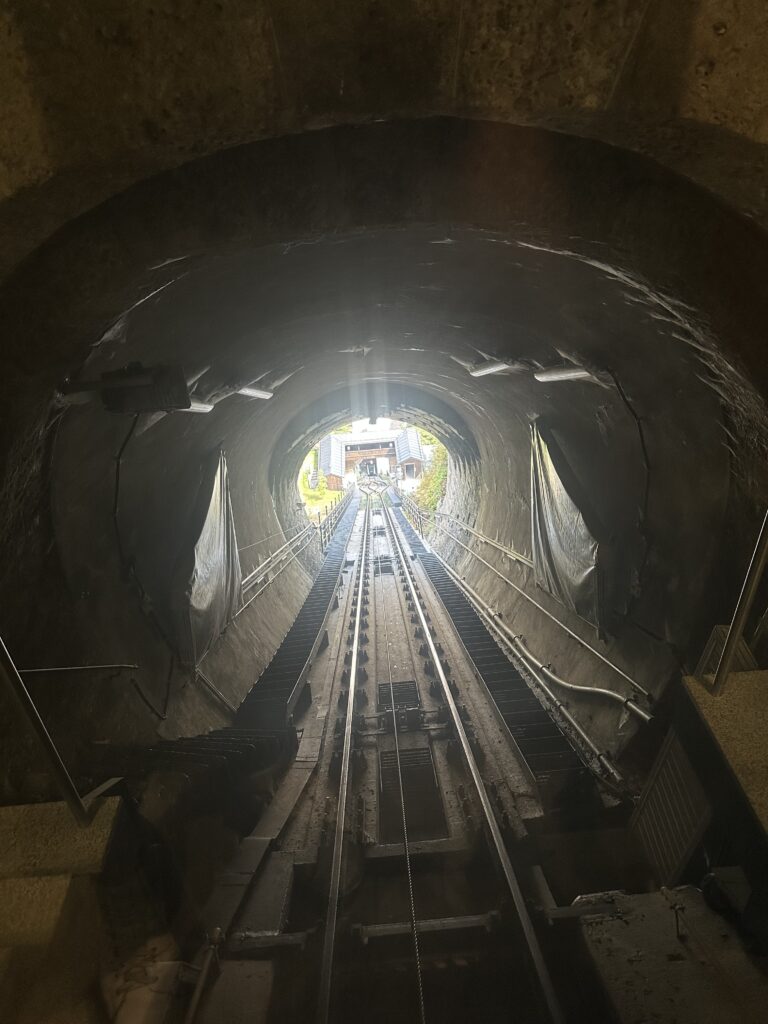
The first version of the water-powered funicular opened in 1900, marking the castle’s transformation into a cultural attraction and establishing it as Salzburg’s most famous tourist destination.
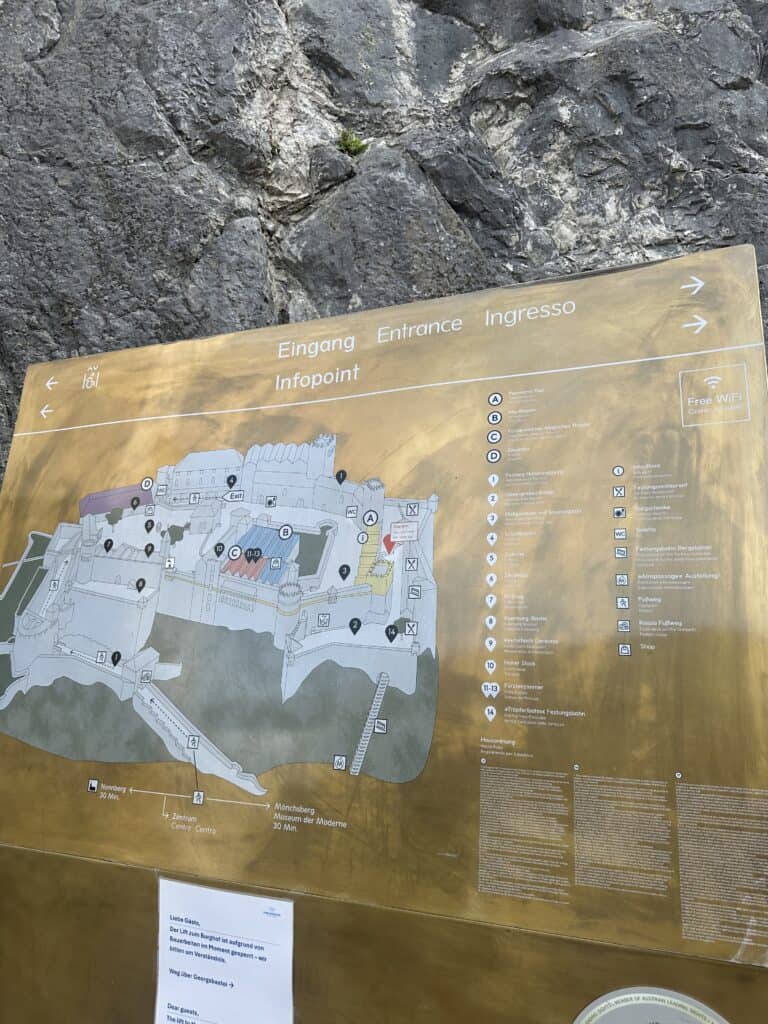
Numerous structures are located within the fortress, but the most significant include:
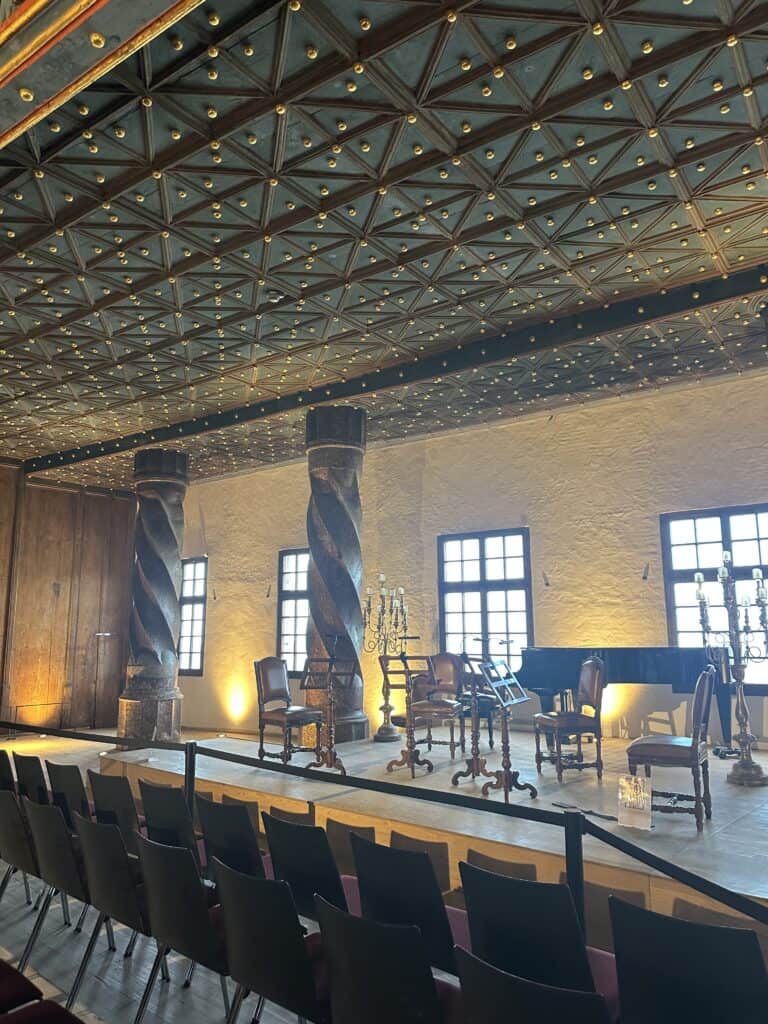
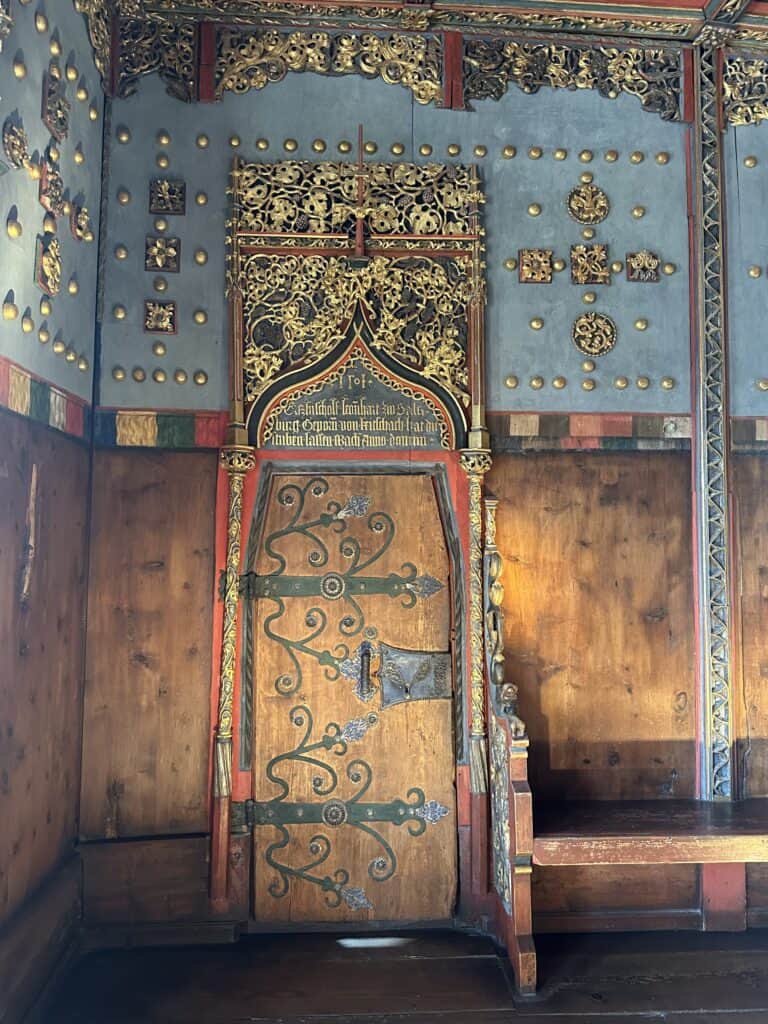
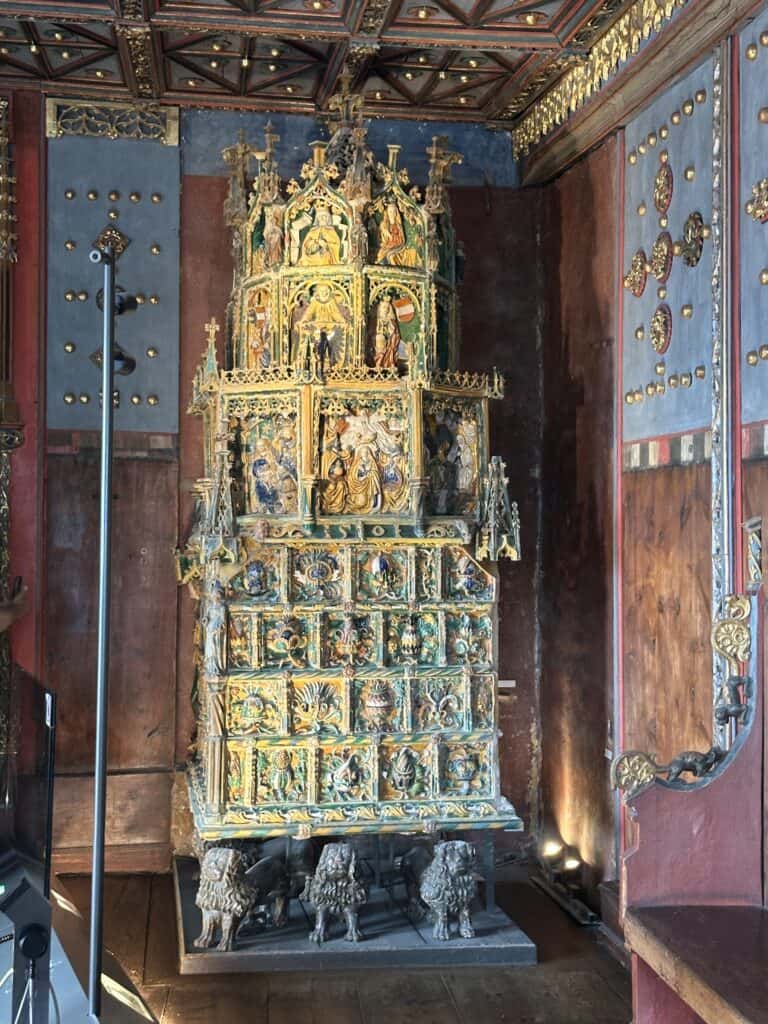
- The Prince’s Chambers (Fürstenzimmer), situated in the upper central section, which include the Golden Hall and the Golden Chamber. These are examples of Late Gothic style, featuring ceilings studded with gold bosses that mimic a starry sky and walls adorned with finely decorated majolica stoves.
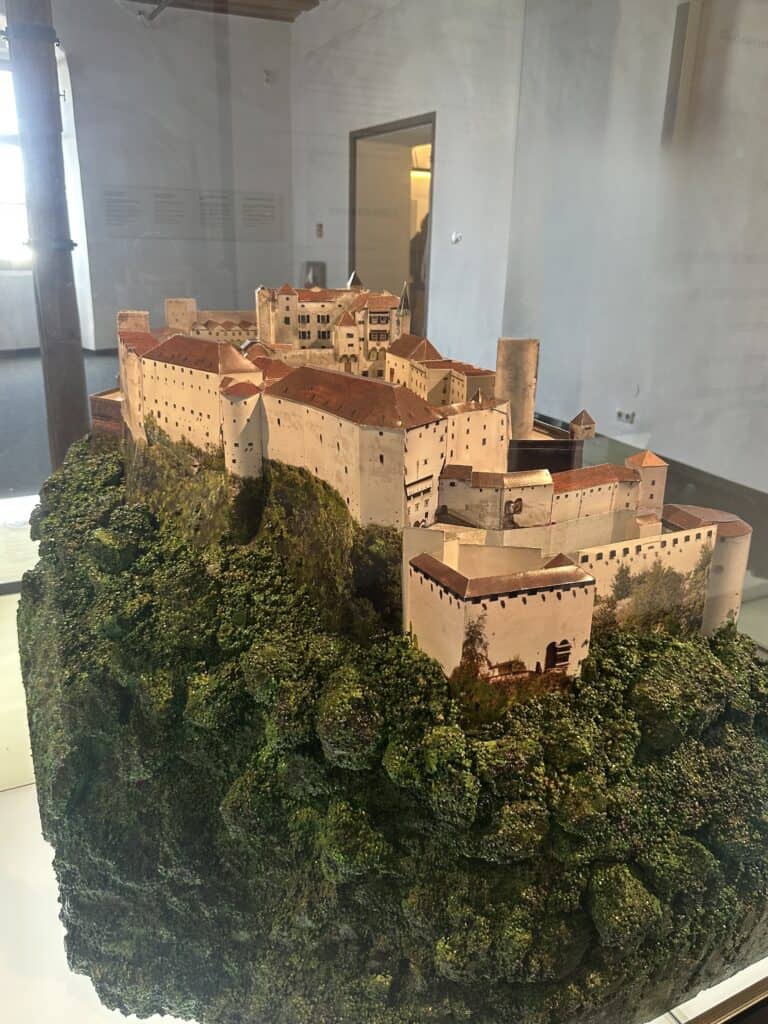
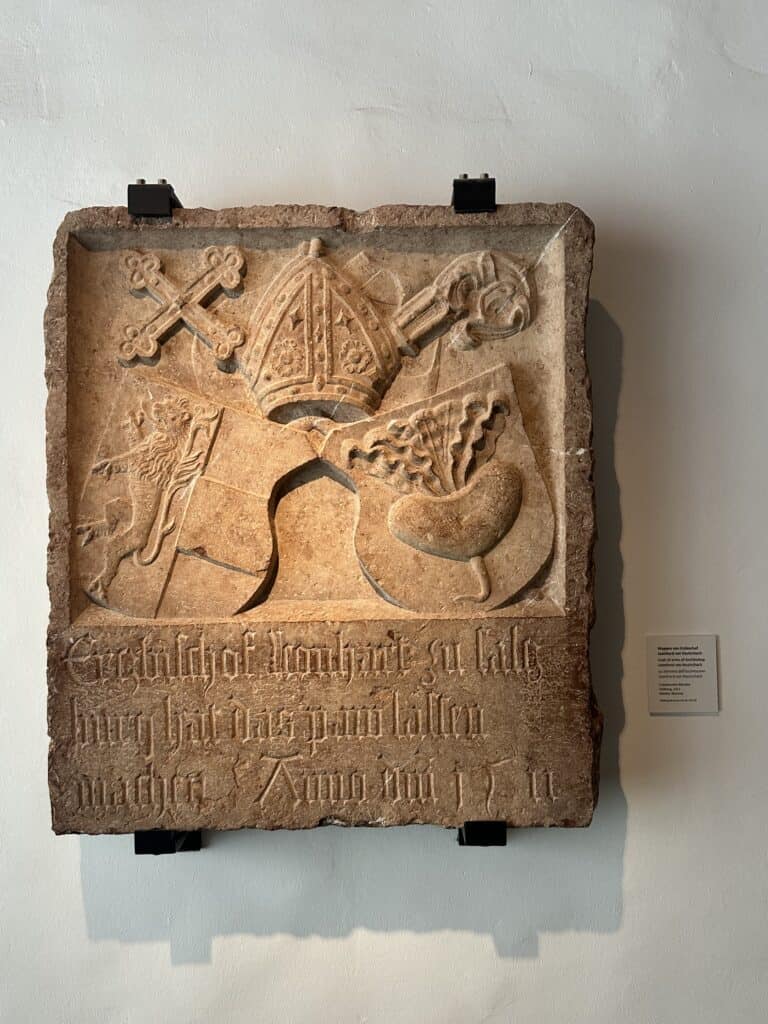
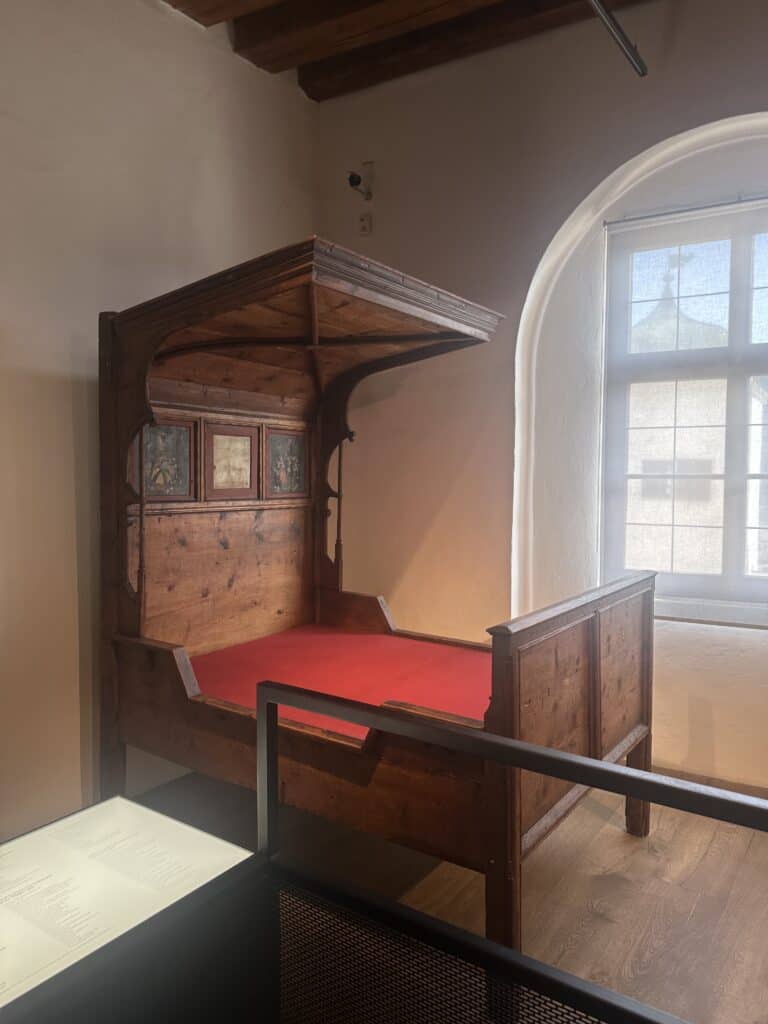
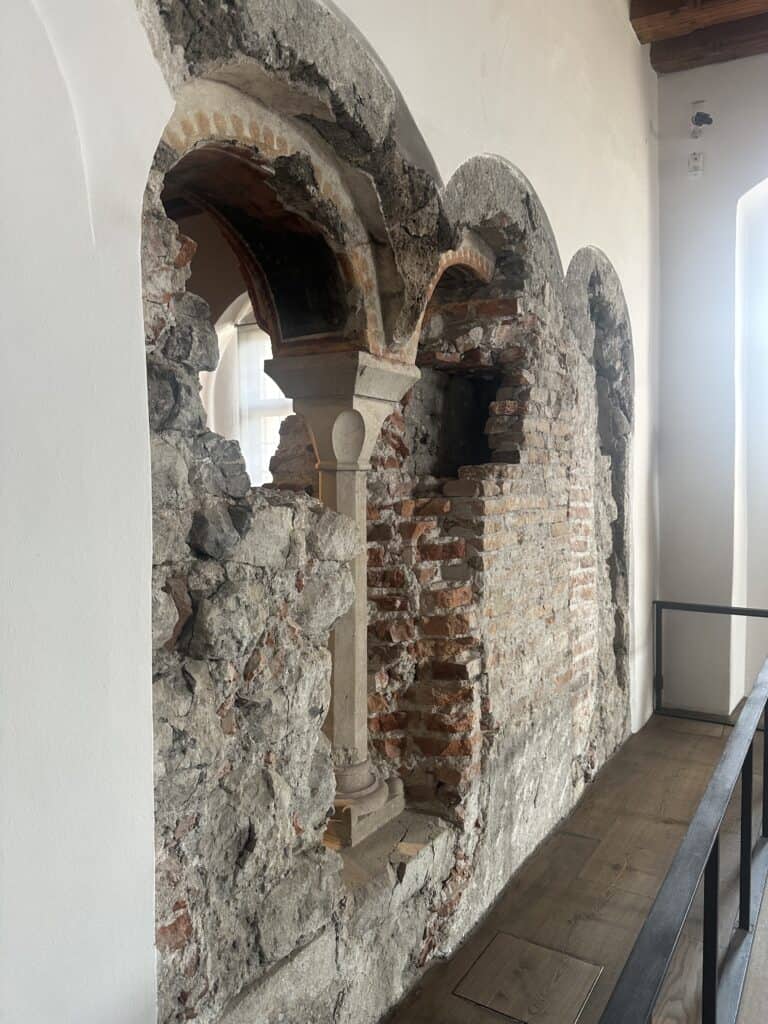
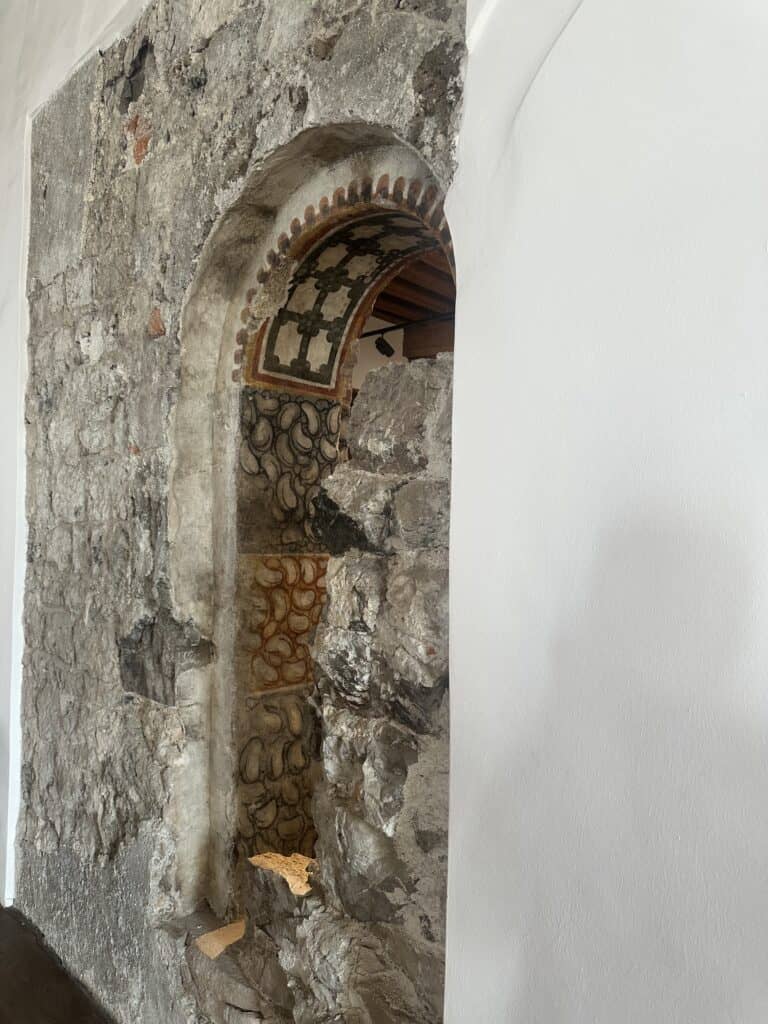
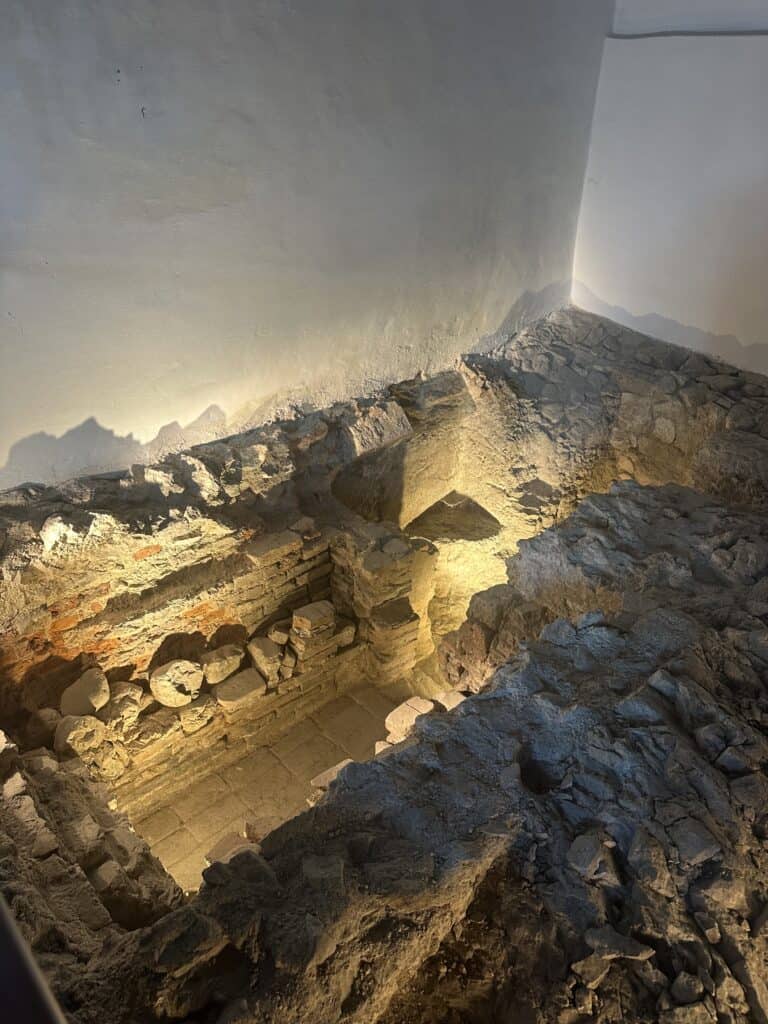
- The Fortress Museum (Festungsmuseum) showcases daily life within the castle over the centuries, featuring archaeological finds, scale models illustrating the structure’s evolution, and medieval architectural elements.
- The Great Armory (Zeughaus) houses an exhibition of historical firearms, cannons, suits of armor, and antique crossbows.
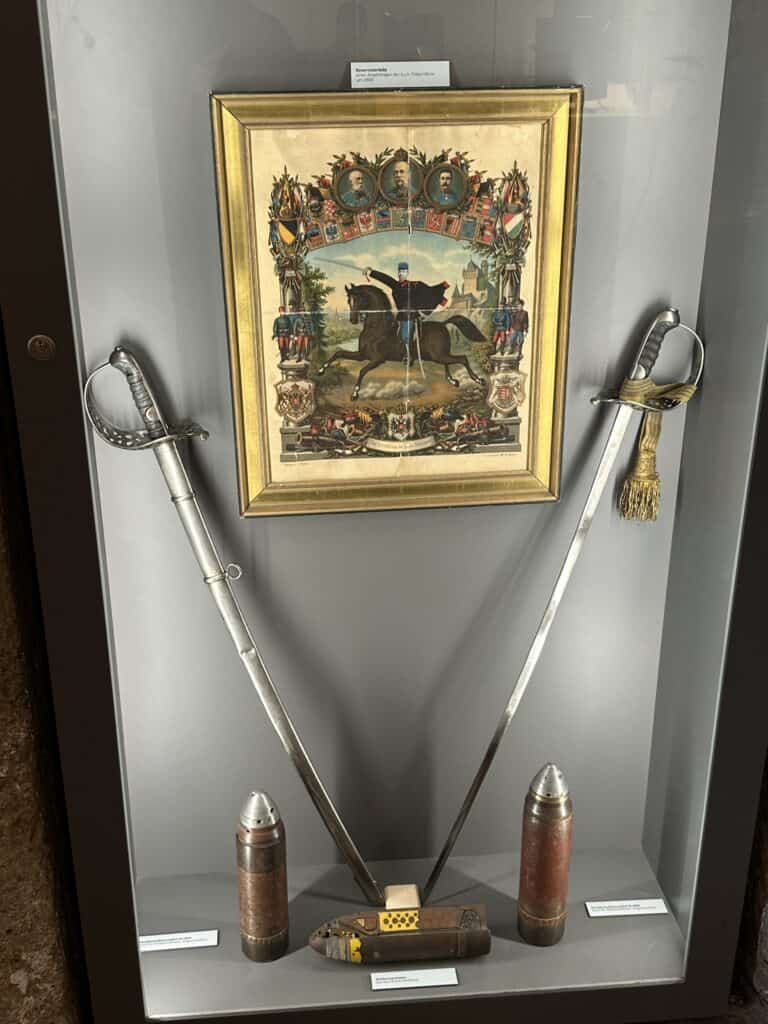
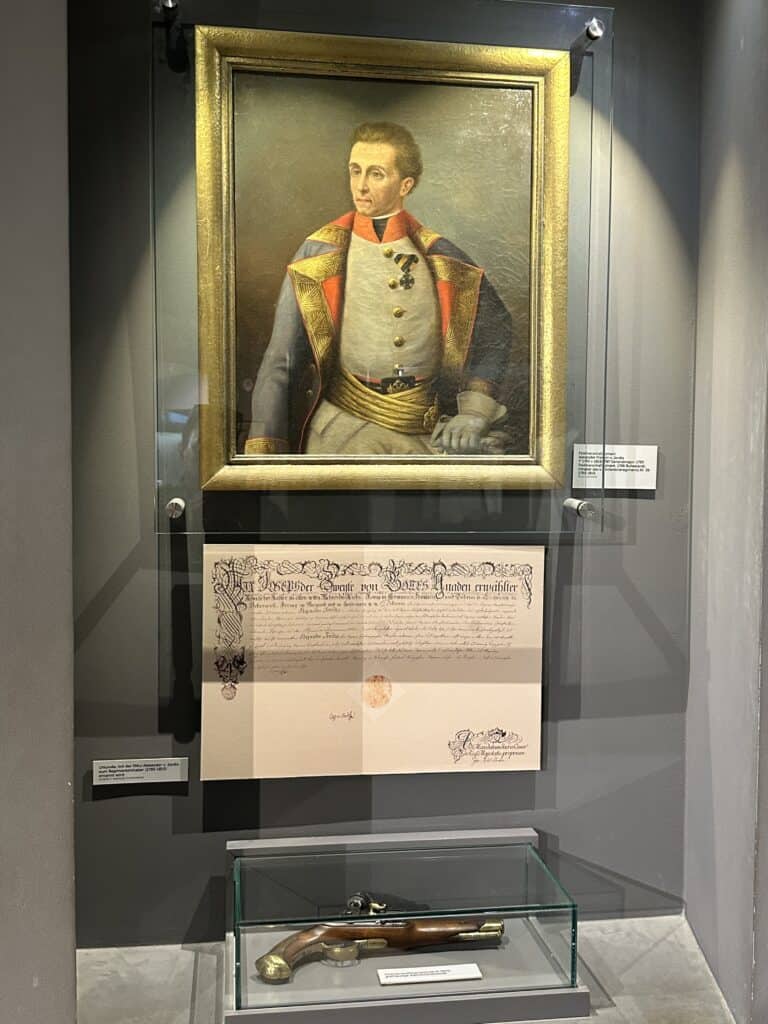
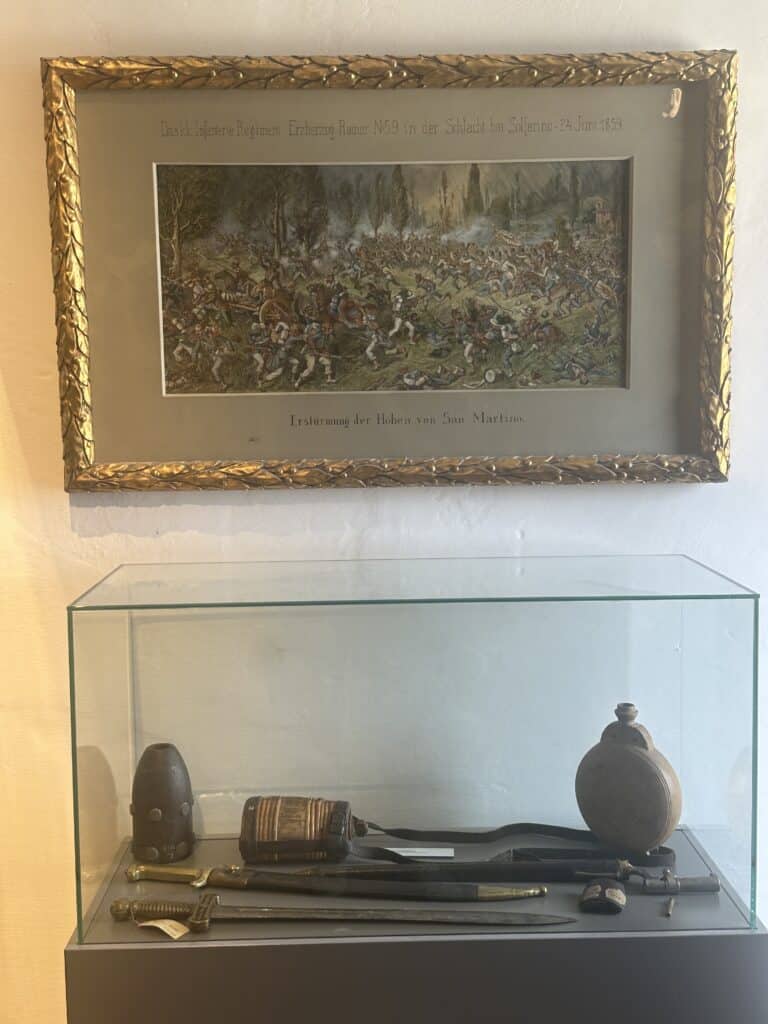
- The Rainer Regiment Museum is dedicated to the Salzburg infantry regiment, displaying uniforms, weapons, and artifacts dating up to World War I.
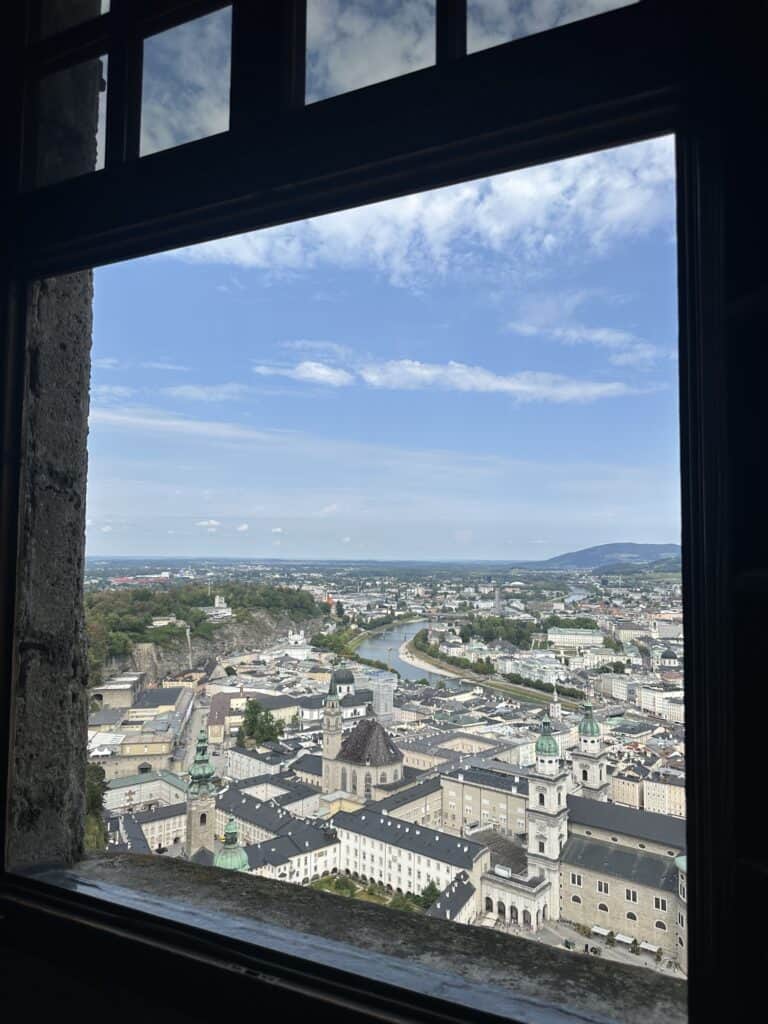
From the terrace, there is a 360-degree panoramic view of the historic city, the Salzach River, and the surrounding Alpine peaks.
You can walk up via a steep, scenic path or take the convenient FestungsBahn funicular, which departs from the historic center and reaches the fortress walls in just one minute.