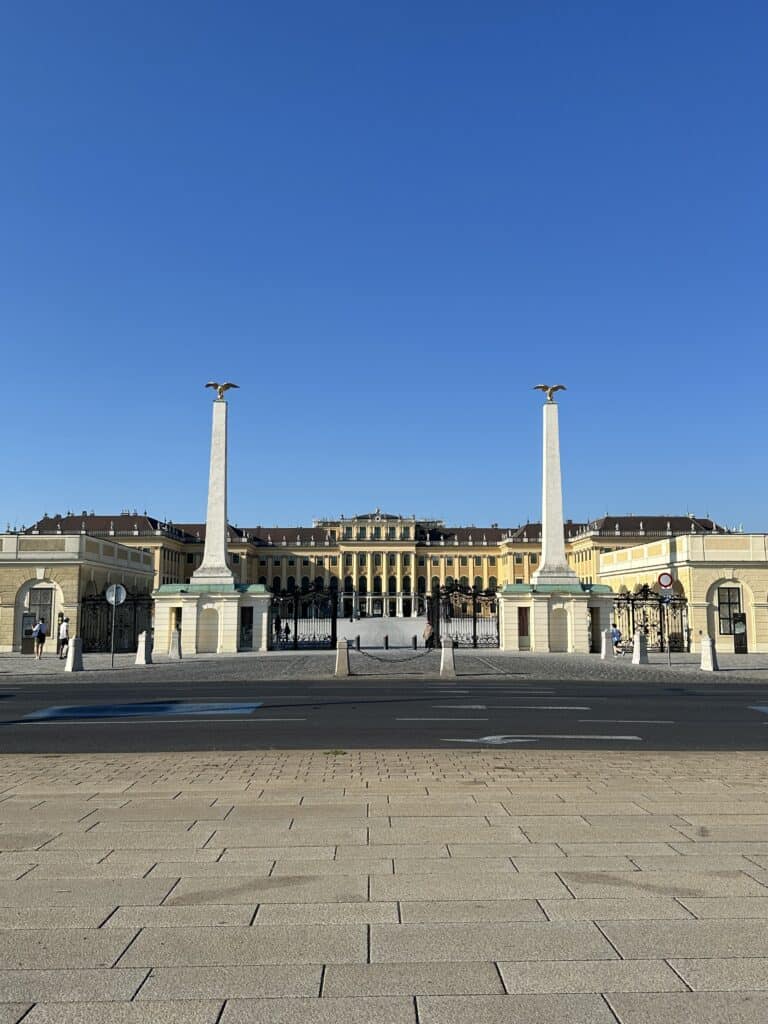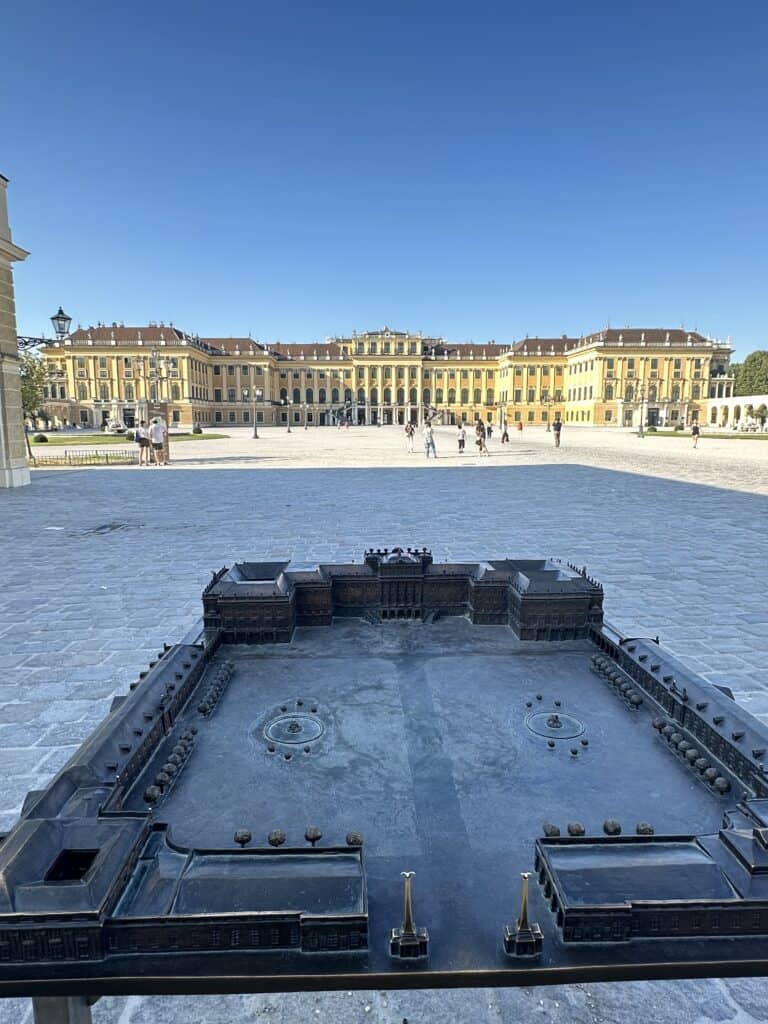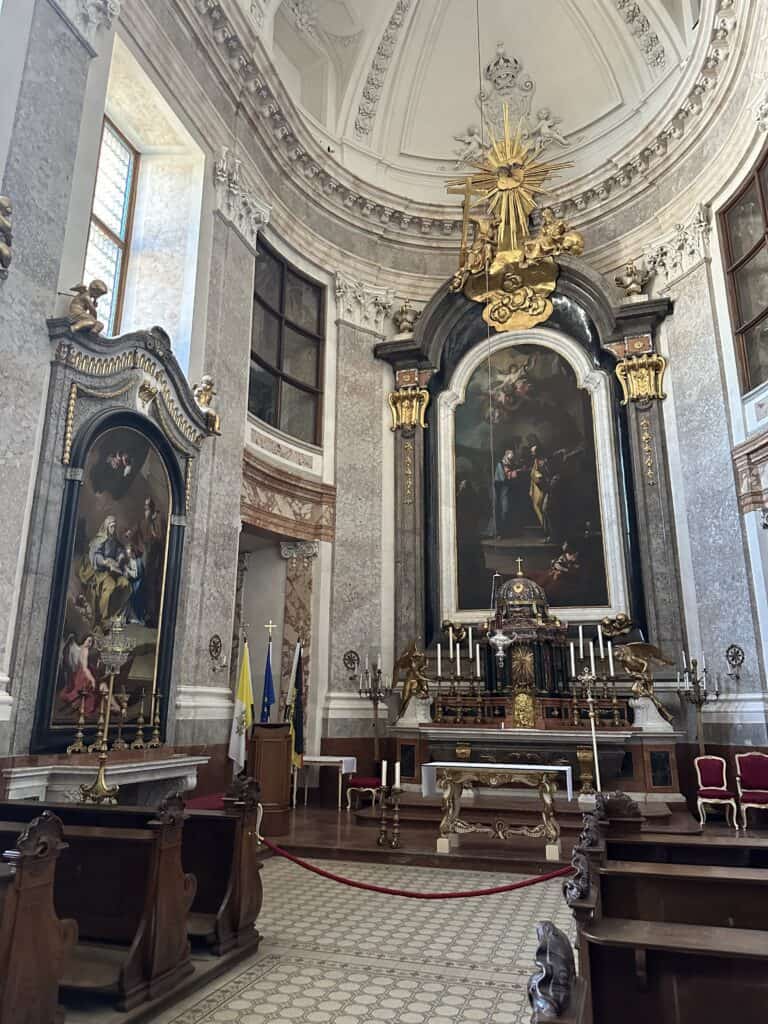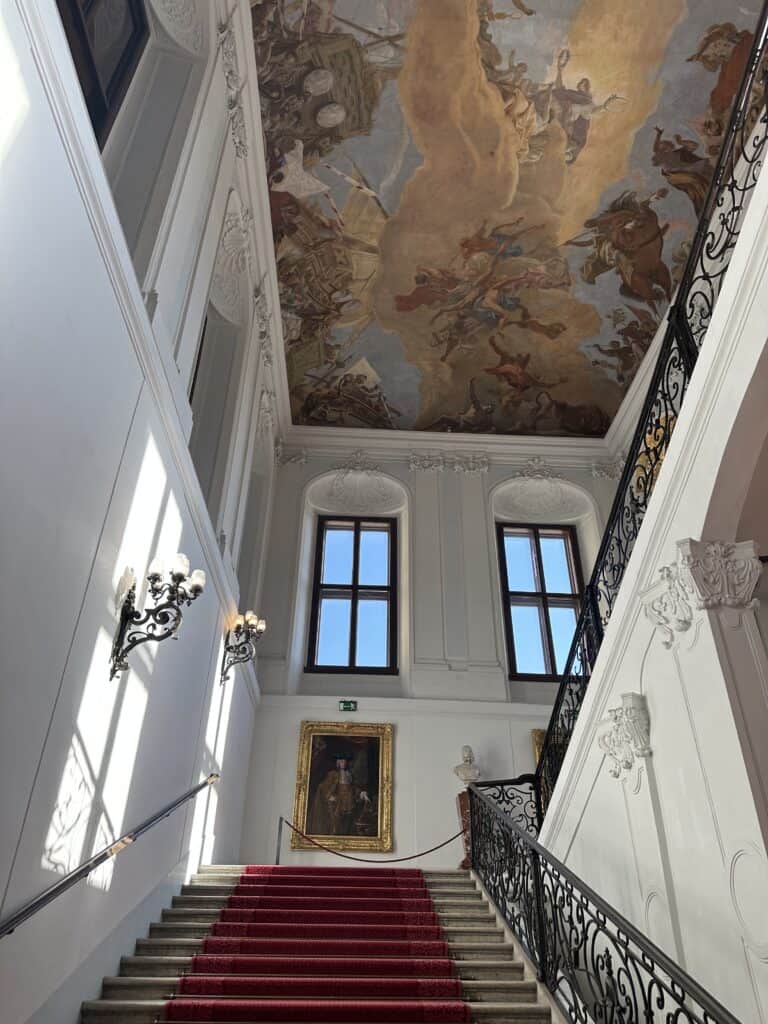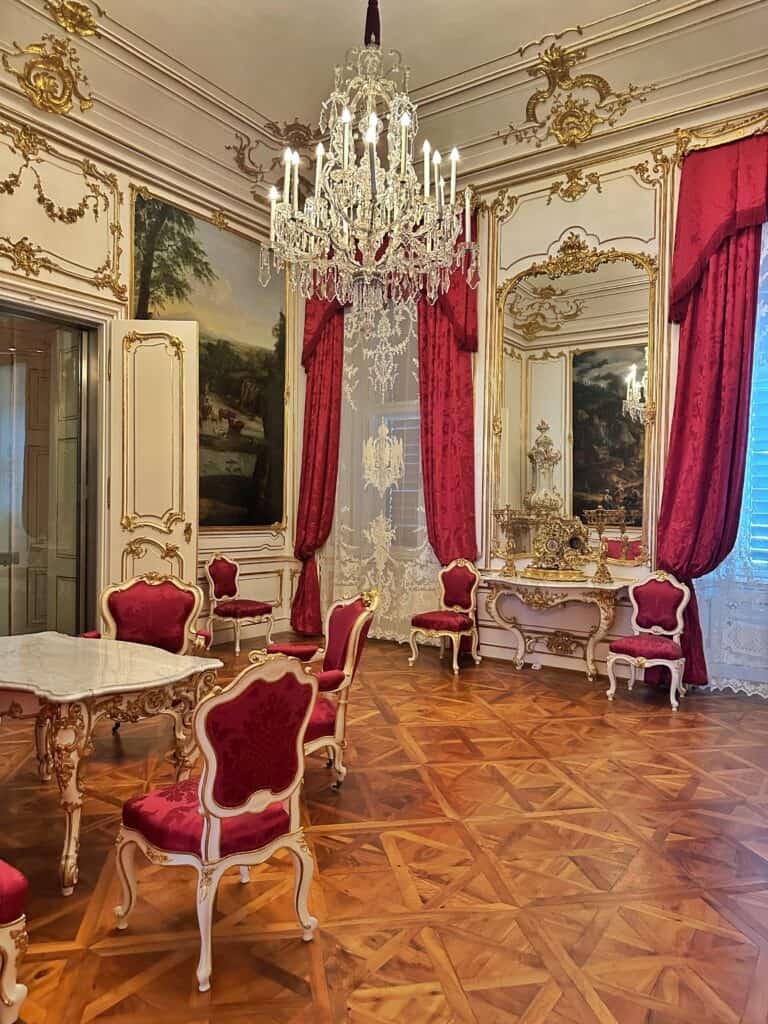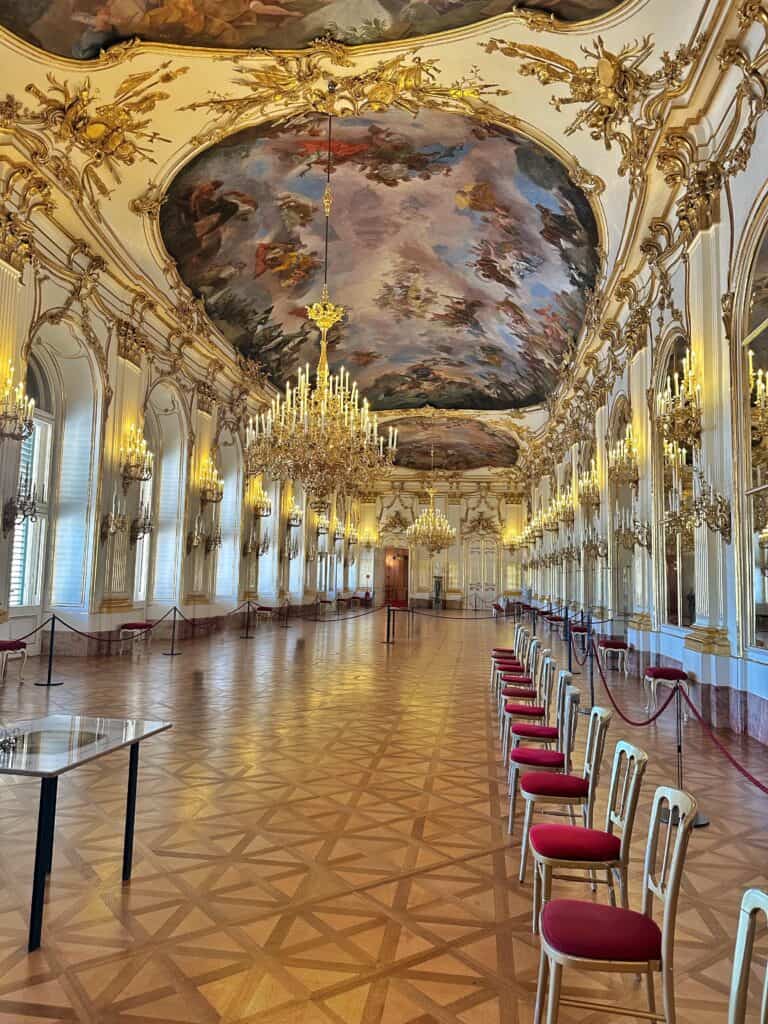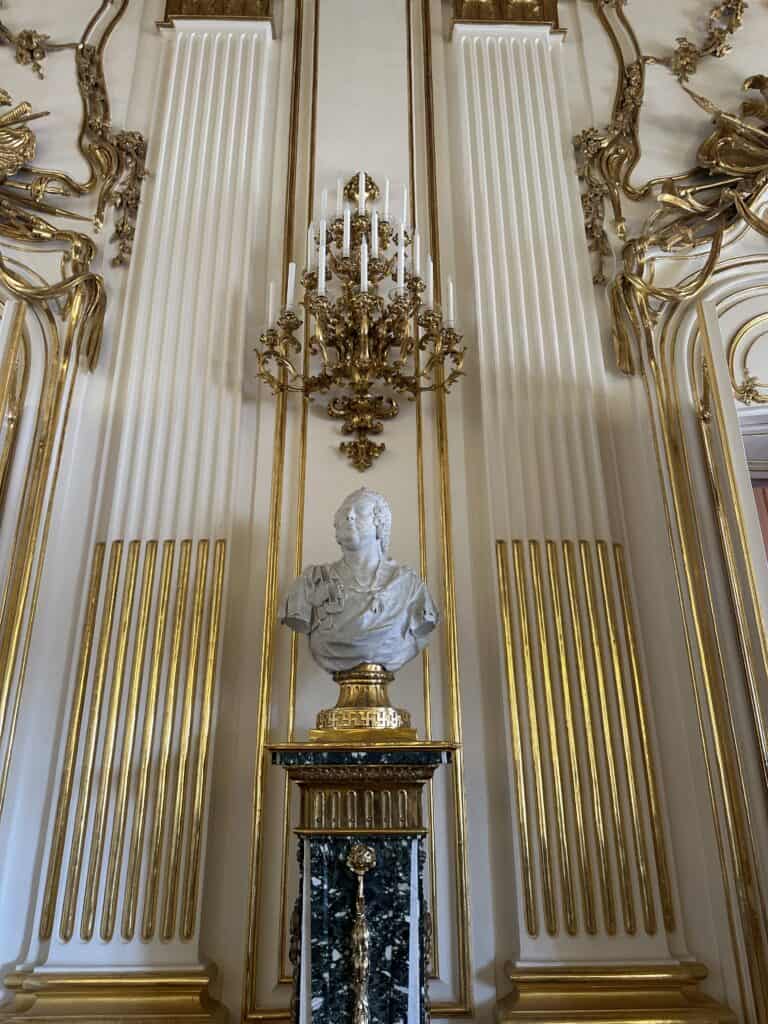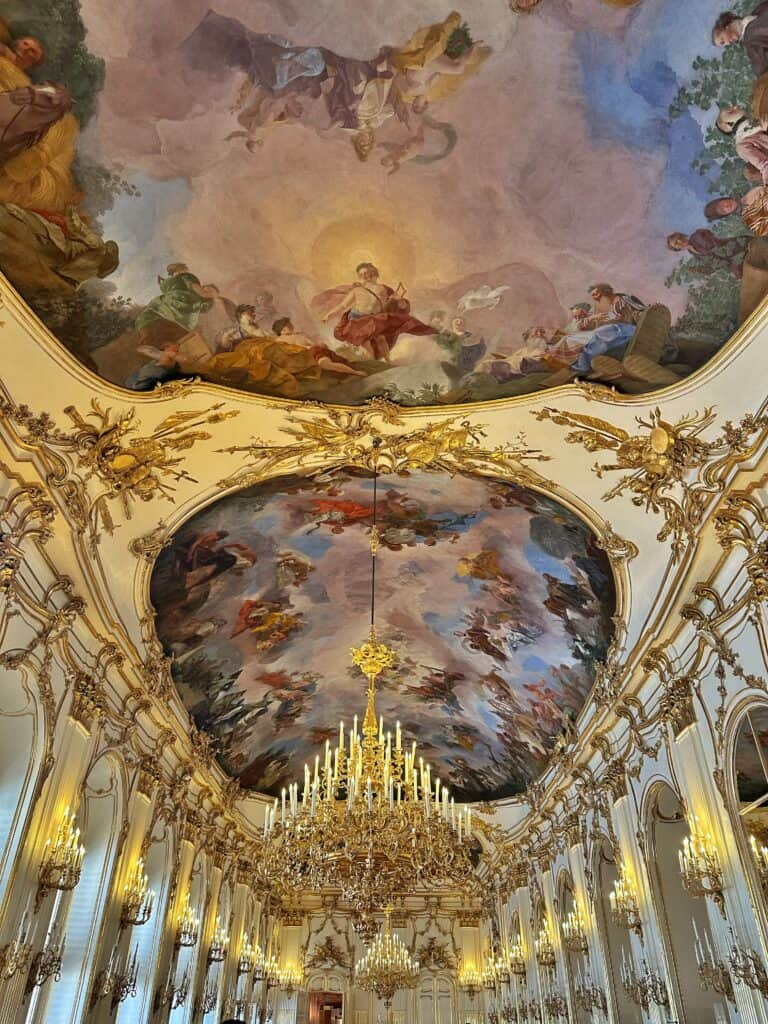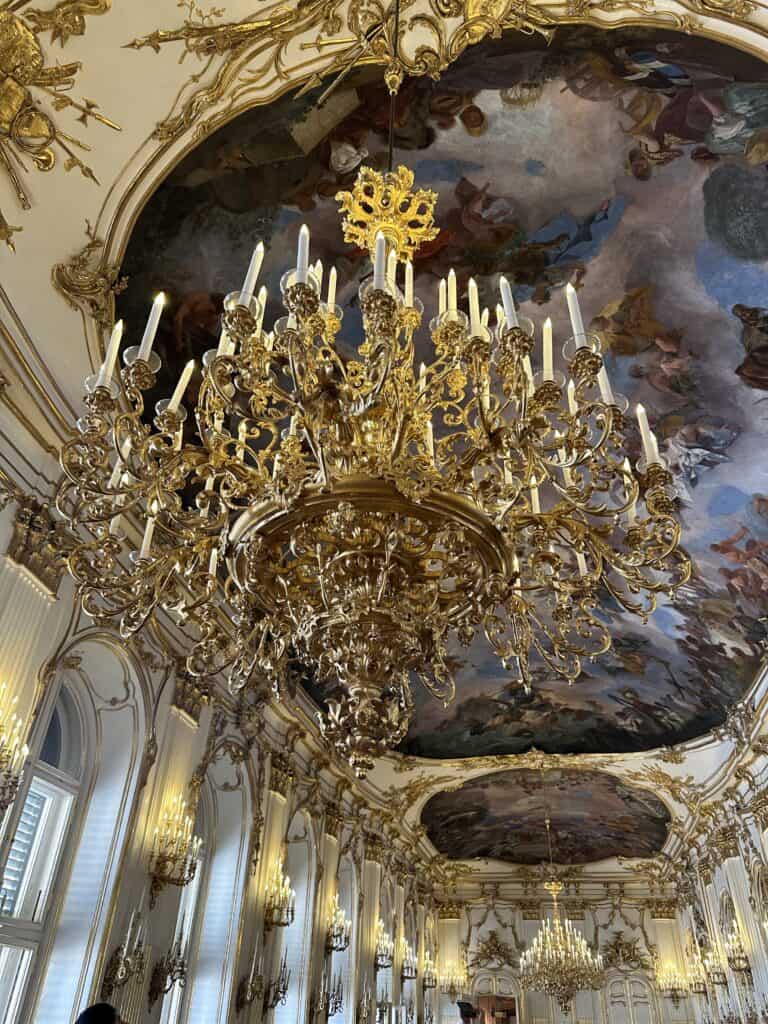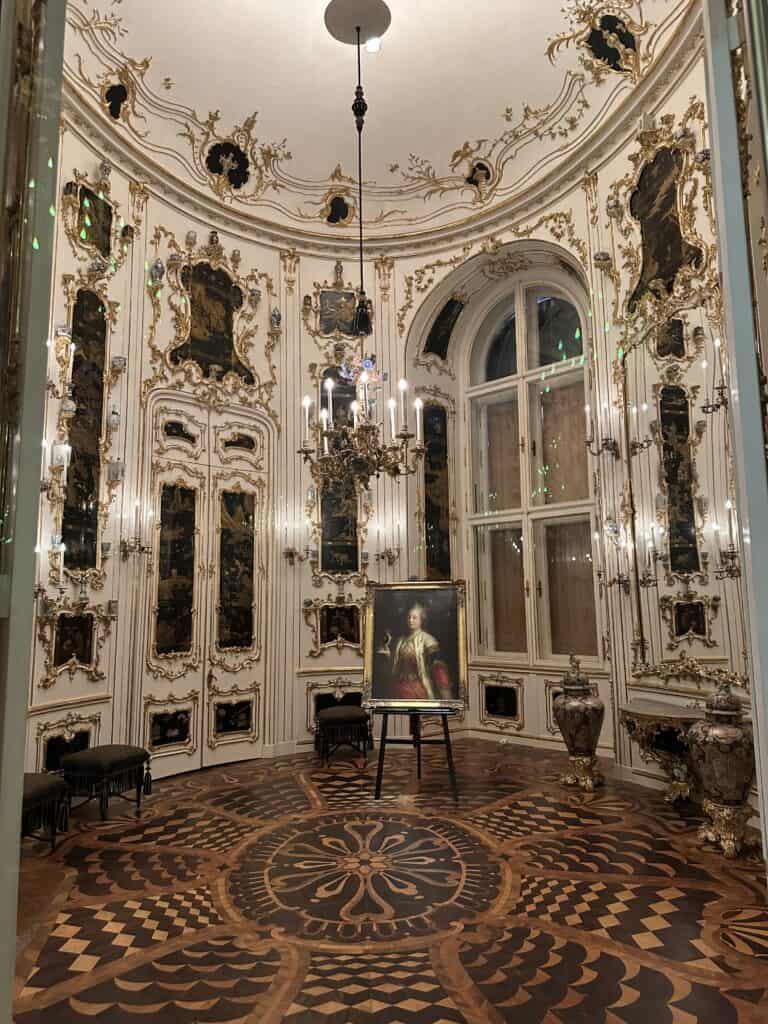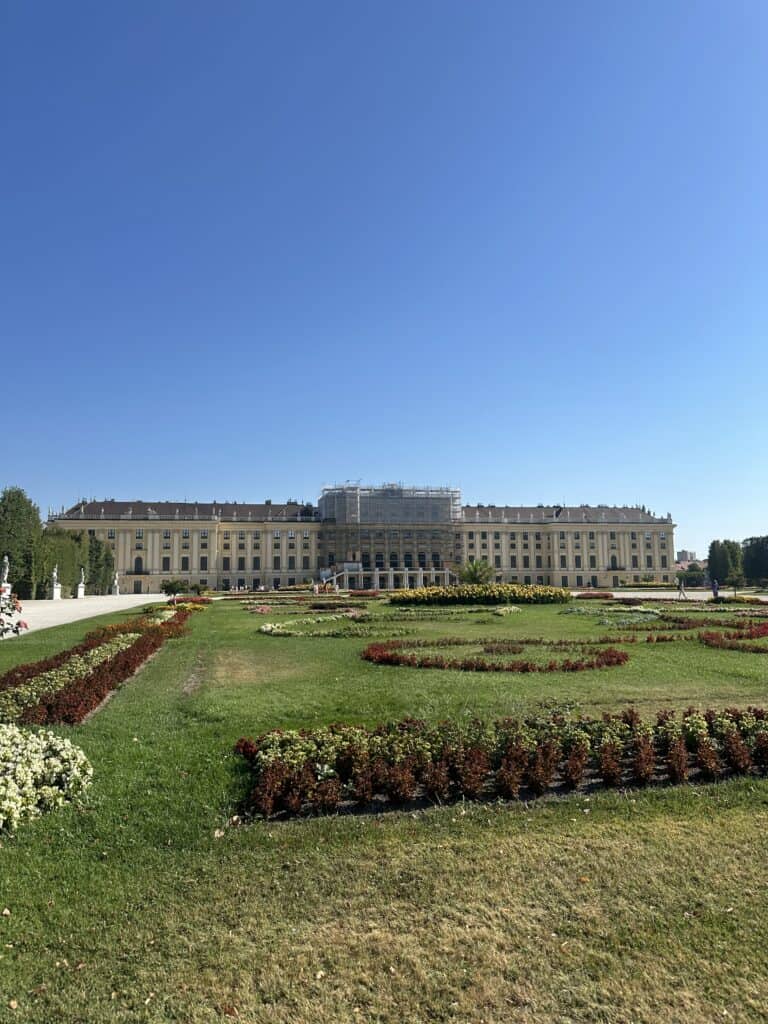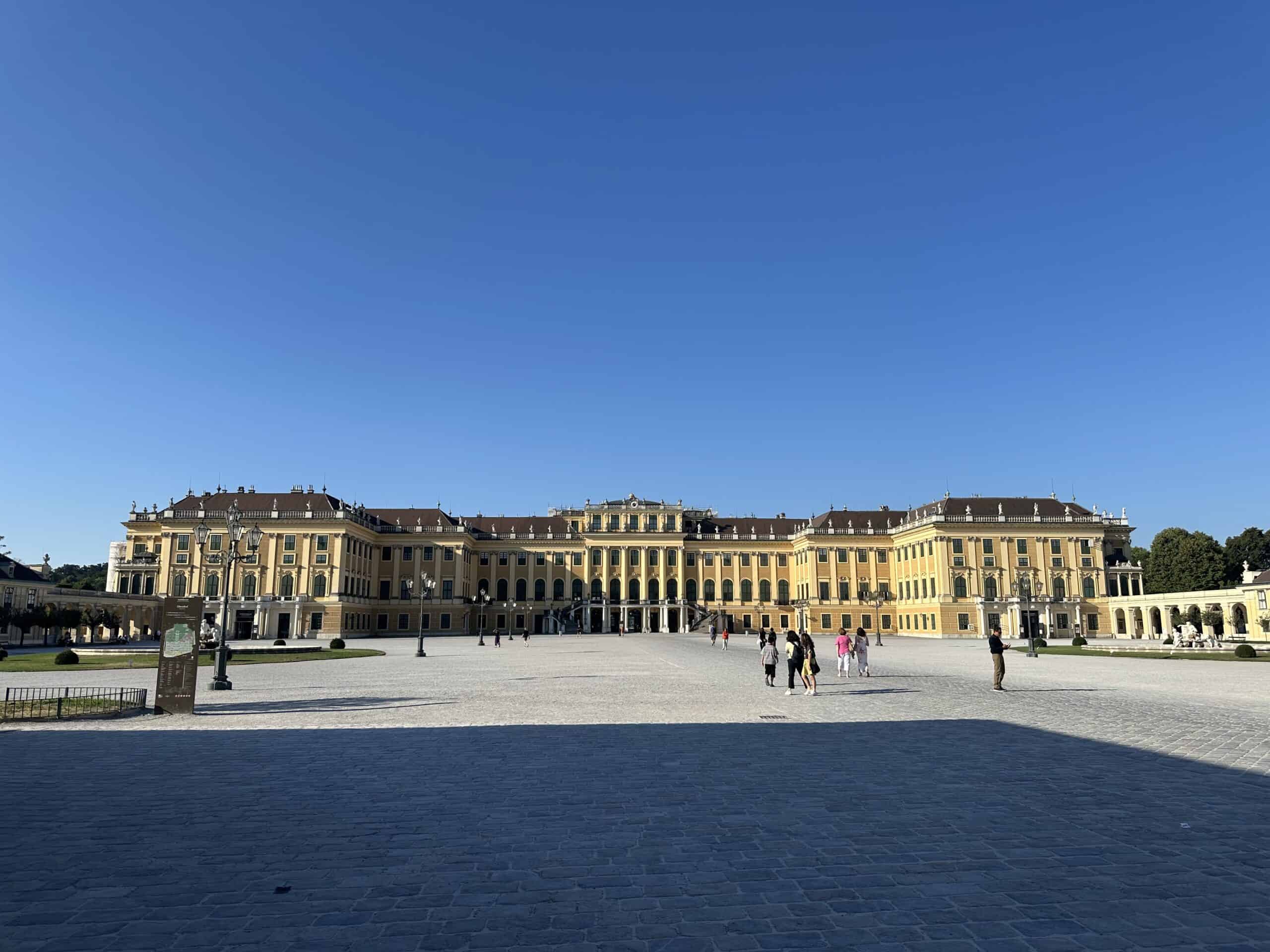
Schönbrunn Palace (Schloss Schönbrunn) is located in Vienna and is one of Europe’s most famous Baroque palaces.
Its name derives from “Schöner Brunnen” (“beautiful spring”), a water source located near the palace.
From 1730 to 1918, it served as the summer residence of the Habsburg dynasty in Vienna.
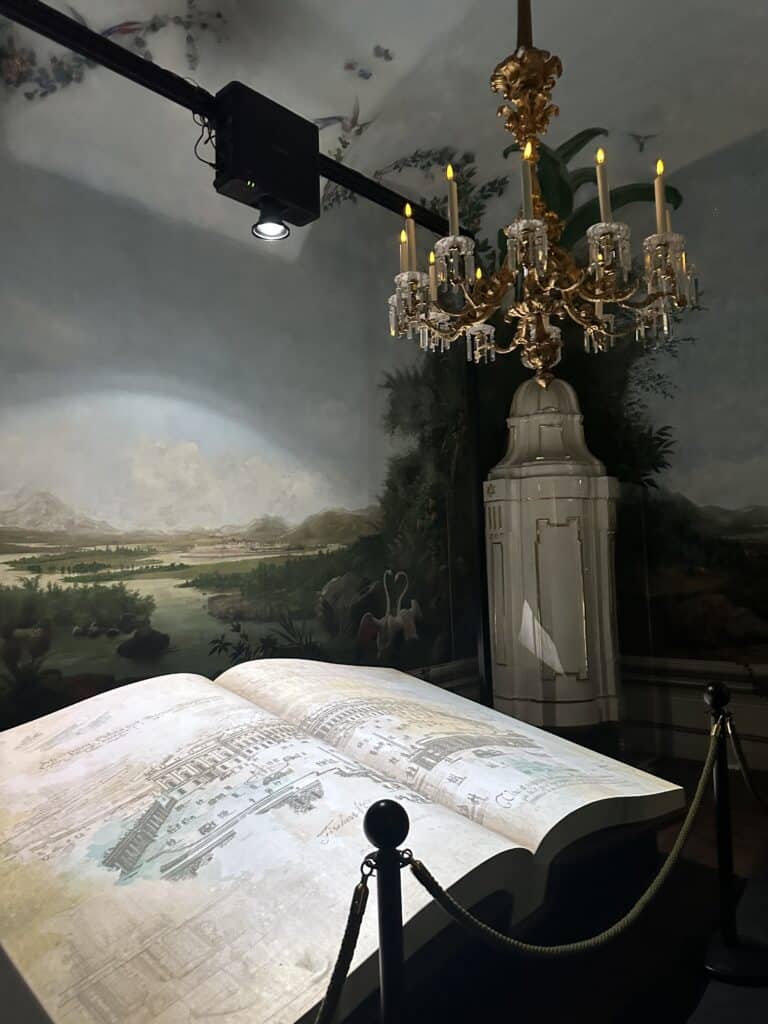
The palace comprises 1.440 rooms, though only 45 are currently open to the public.
In the Middle Ages, the site was home to an agricultural estate owned by the Klosterneuburg Monastery, known as Katterburg.
In 1569, Emperor Maximilian II of Habsburg purchased the land to transform it into a hunting ground and wildlife park.
The first palace was built in 1642 but was completely destroyed in 1683 by Ottoman troops during the Second Siege of Vienna.
During the 18th century, the palace was rebuilt in the Baroque style.
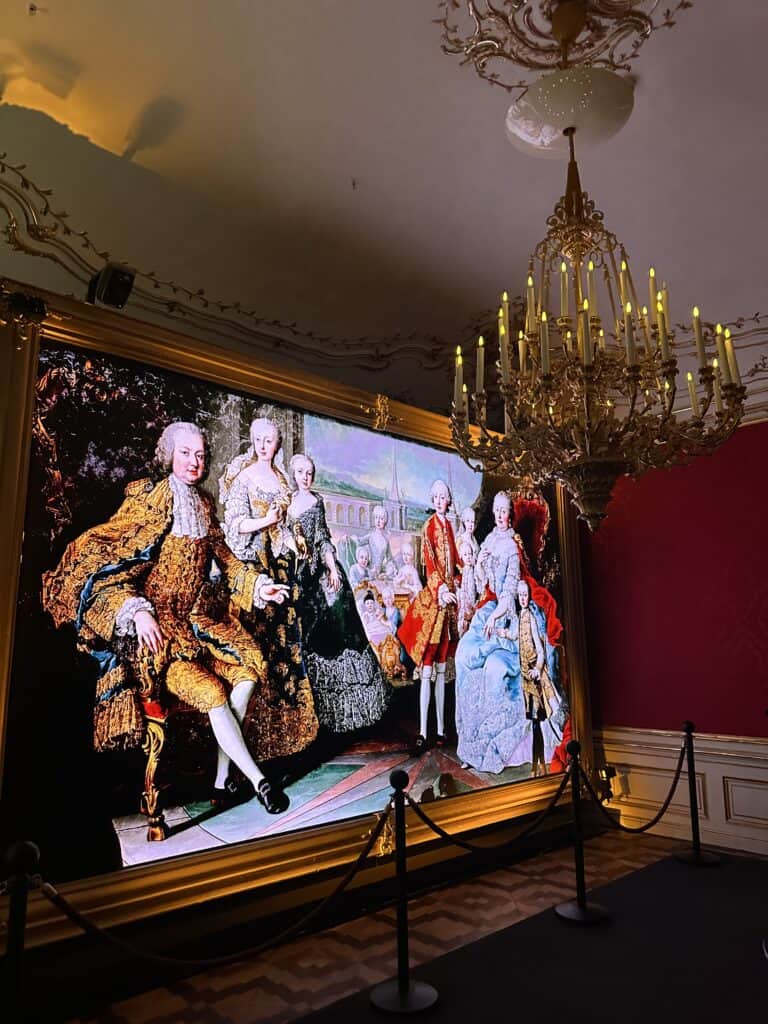
Schönbrunn took on its current form in the mid-18th century under the reign of Empress Maria Theresa of Austria, who made it the focal point of court life.
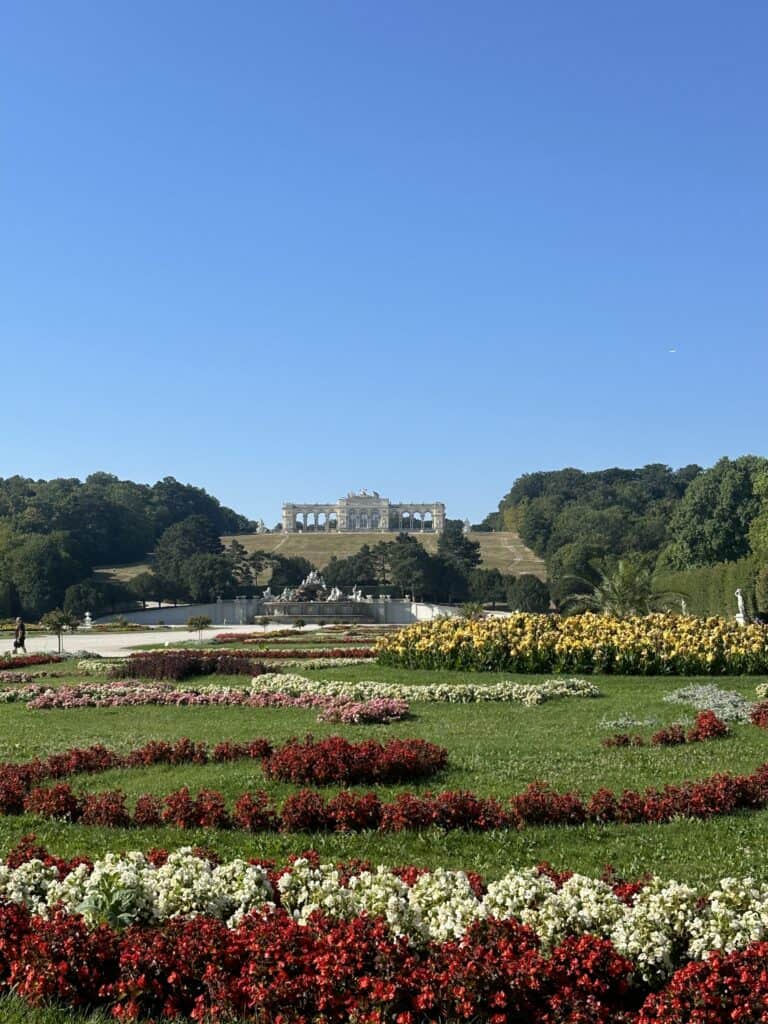
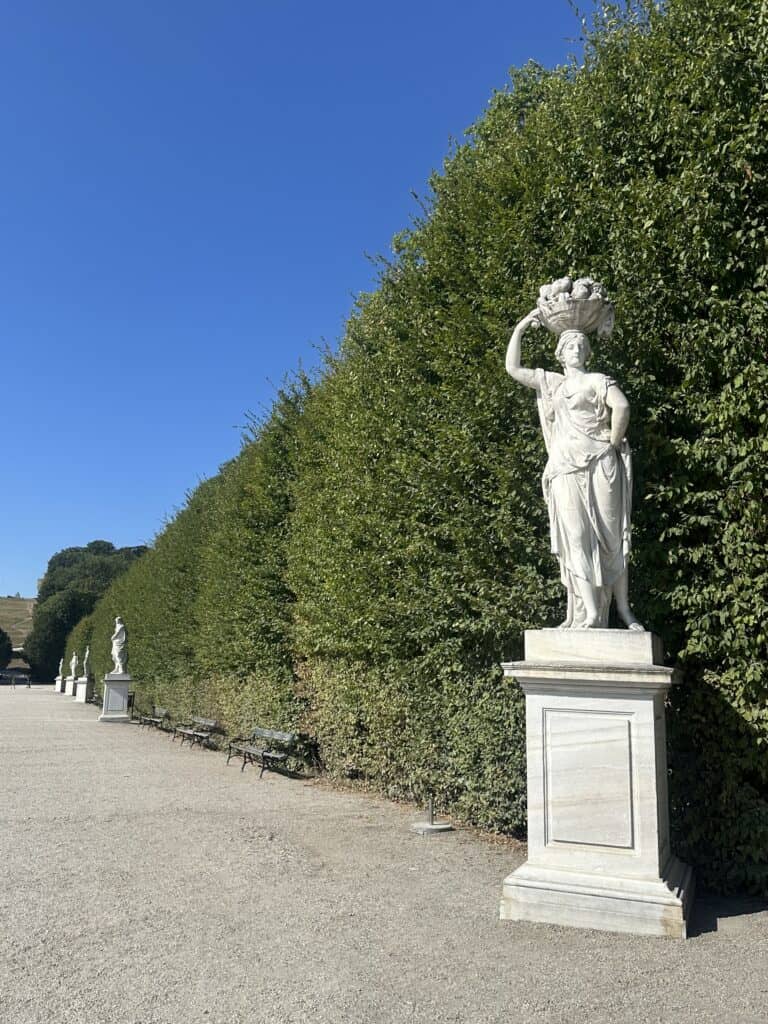
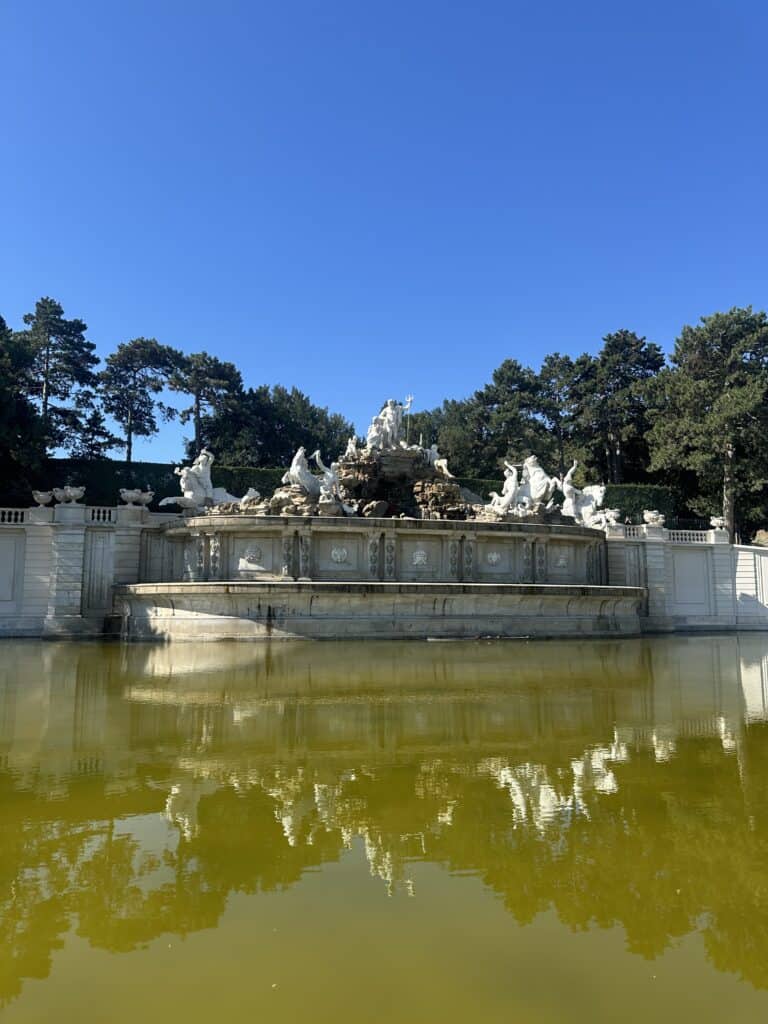
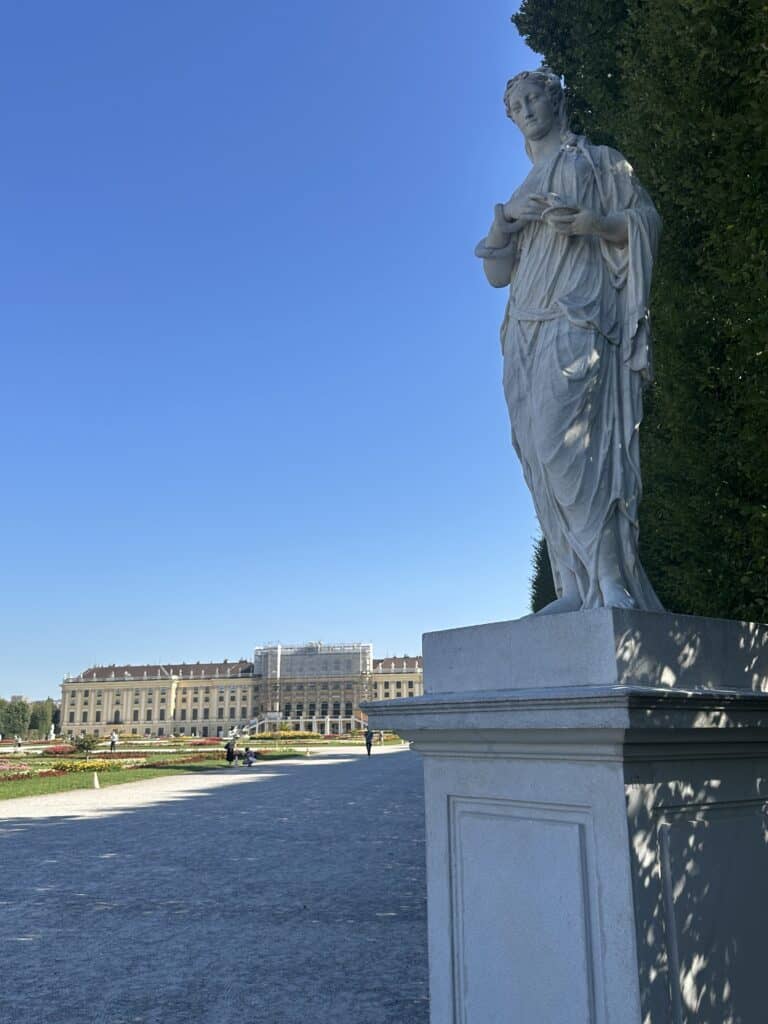
It was during this period that the Baroque gardens were laid out and the Gloriette and Neptune Fountain were constructed.
The palace was closely linked to Emperor Franz Joseph I, who was born at Schönbrunn in 1830 and spent much of his life there with his wife, Empress Sisi.
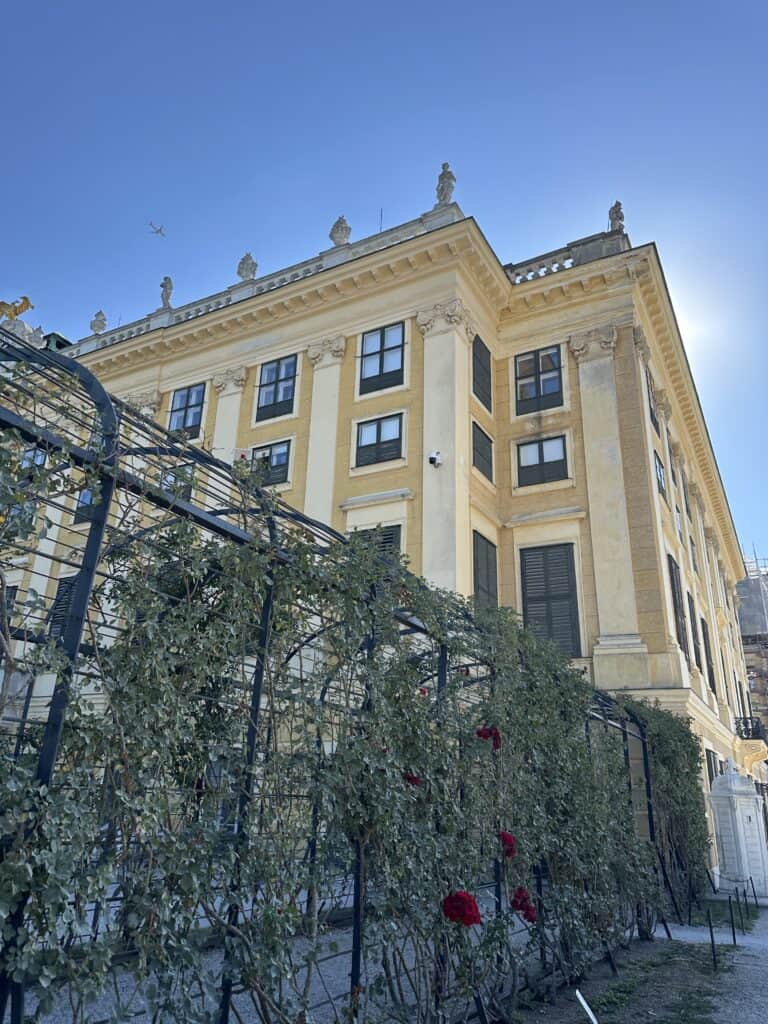
Between 1817 and 1819, the façade acquired the distinctive ochre hue known worldwide as “Schönbrunn Yellow.”
The halls of Schönbrunn Palace hosted the Congress of Vienna from 1814 to 1815, an event that redrew the map of Europe following the French Revolution and the Napoleonic Wars.
On 11th November 1918, within the palace halls, Charles I—the last Emperor of the Austro-Hungarian Empire—signed the document renouncing the throne, thereby bringing an end to the Habsburg monarchy and the Empire itself.
With the establishment of the Republic of Austria, the property passed to the State and was opened to the public, with all its rooms preserved intact.
There are two different ticket options for visiting Schönbrunn: the Palace Ticket and the State Apartments ticket.
Palace Ticket (€42 adults / €30 reduced) offers the most comprehensive tour of the palace, allowing visitors to see the private apartments of Franz Joseph and Sisi, the ceremonial halls, and the lavish Rococo rooms of Maria Theresa.
The State Apartments ticket (€30 adults / €20 reduced) covers a shorter route, focusing primarily on the monarchy’s ceremonial halls and state apartments.
All admission tickets include a free audio guide and require entry at a specific, fixed time.
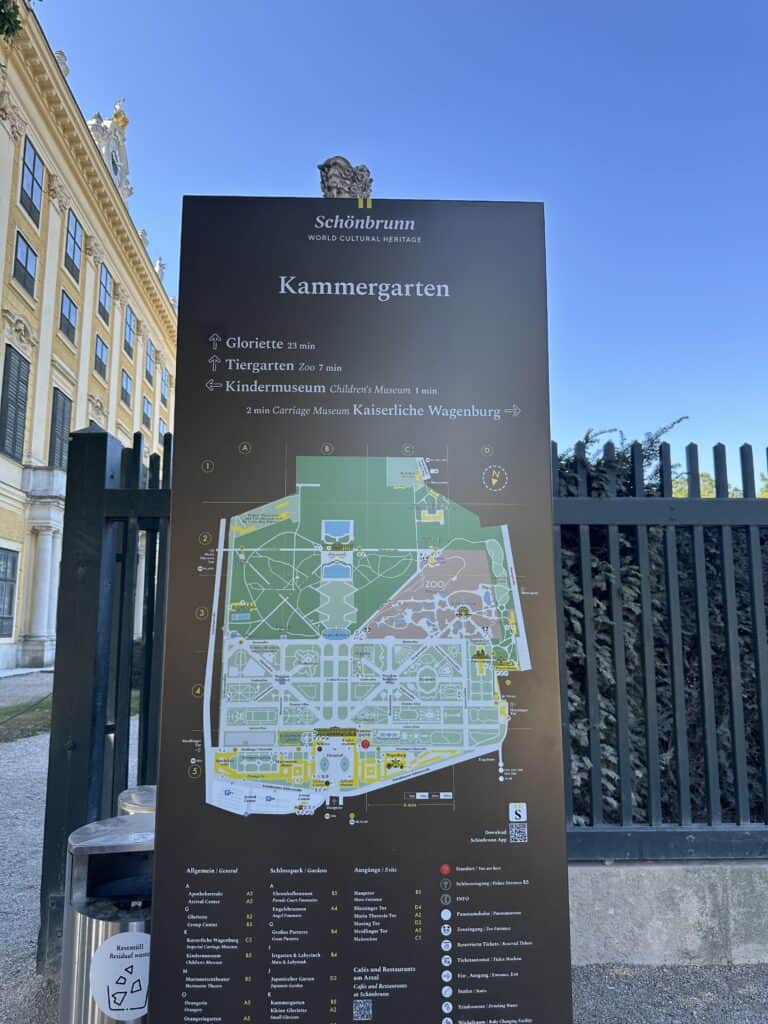
The palace gardens are also home to Tiergarten Schönbrunn, the world’s oldest zoo, which opened in 1752.
Access to the surrounding Baroque Park is free year-round; however, certain attractions within the grounds—such as the Gloriette and the zoo—require a separate ticket or a combined pass.
The Imperial Carriage Museum is also located within the Schönbrunn Palace complex (dedicated article).