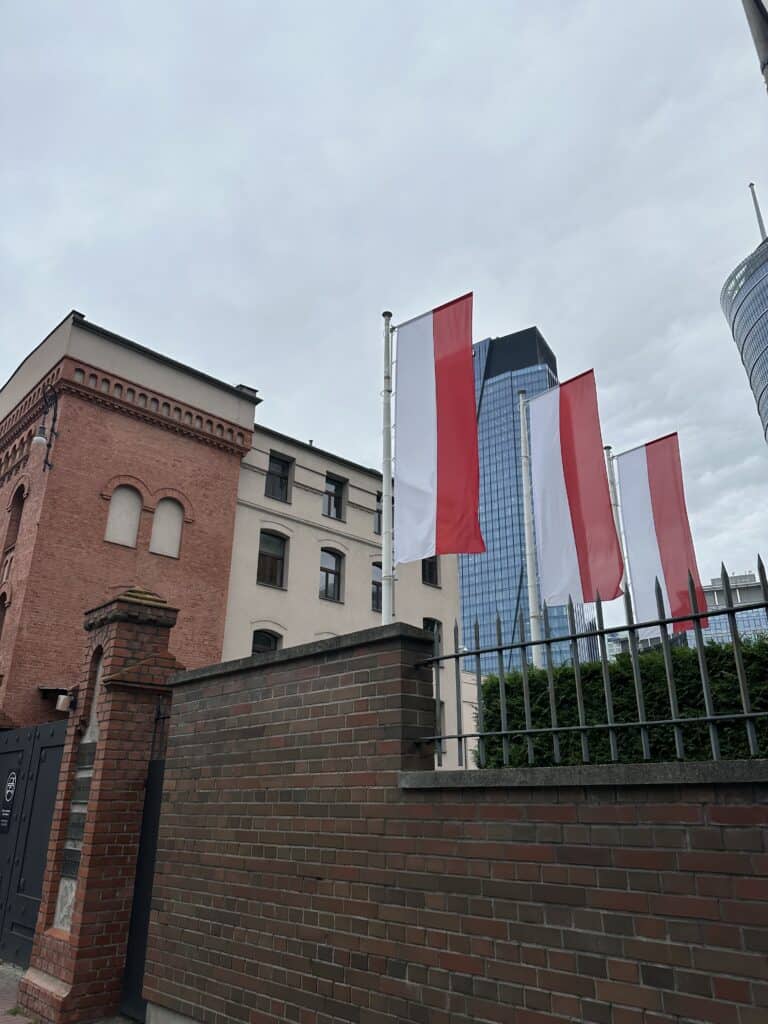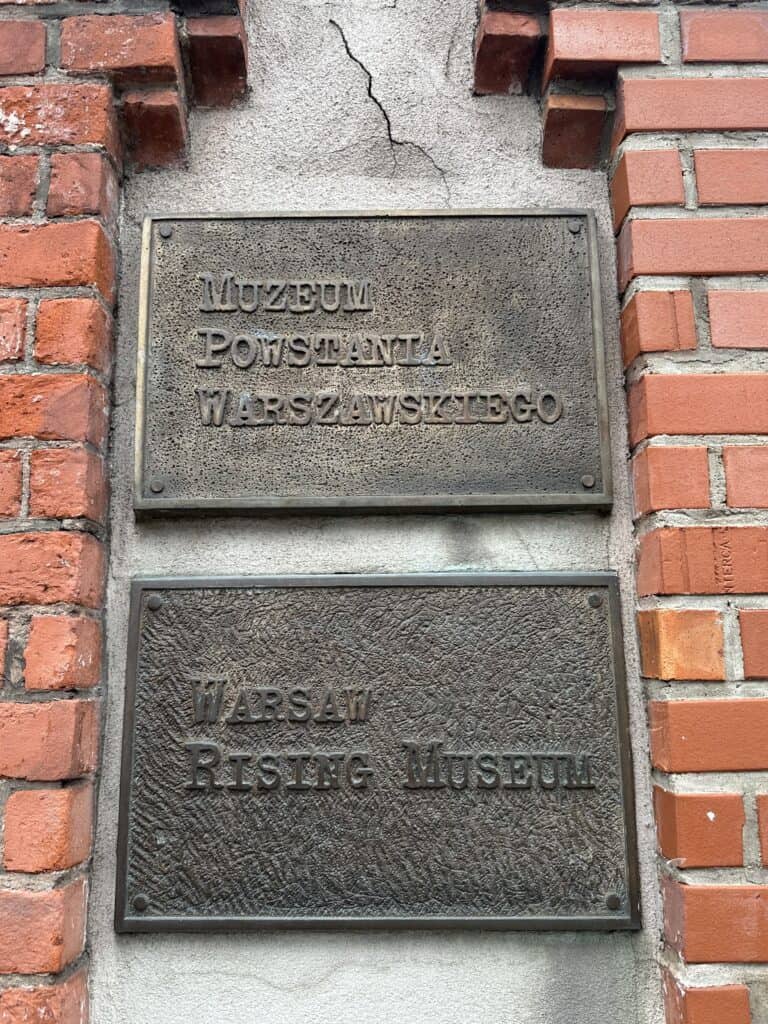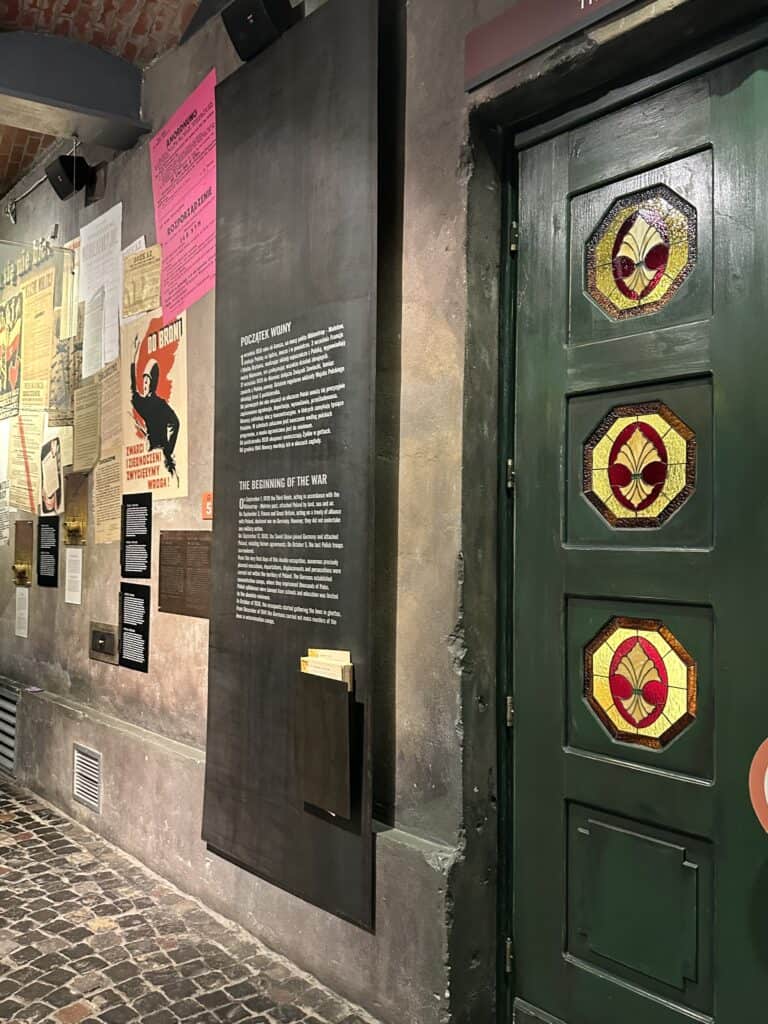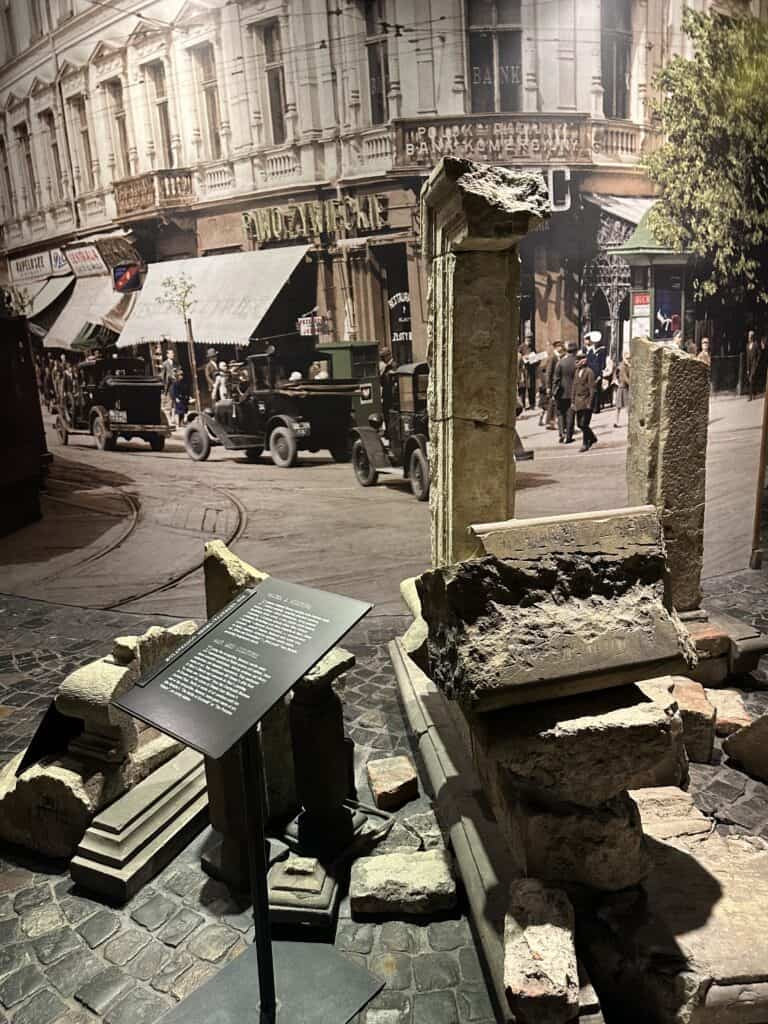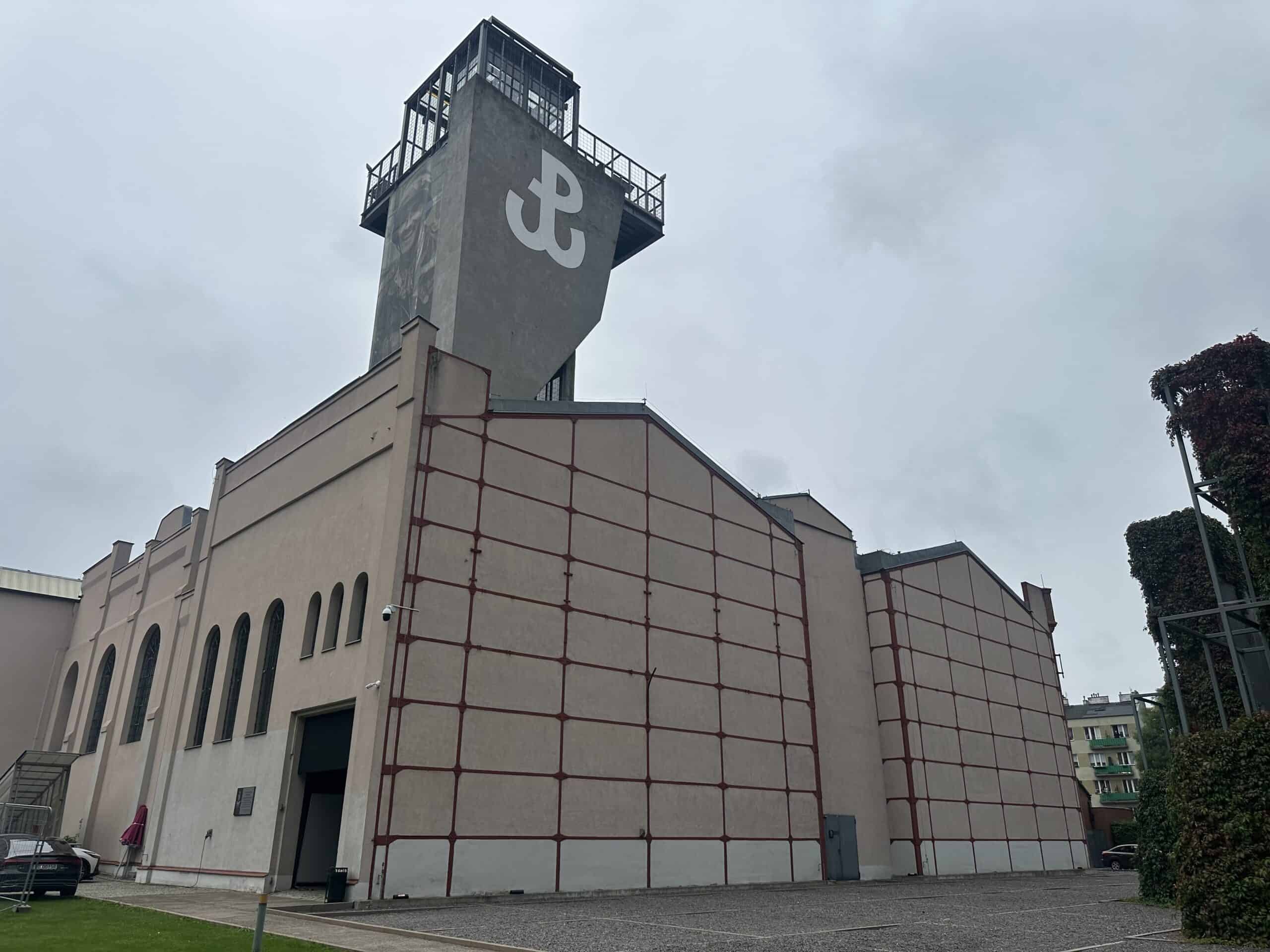
The Warsaw Uprising Museum (Muzeum Powstania Warszawskiego) is one of the most significant museums in Poland.
It was inaugurated on 31th July 2004, to mark the 60th anniversary of the Warsaw Uprising.
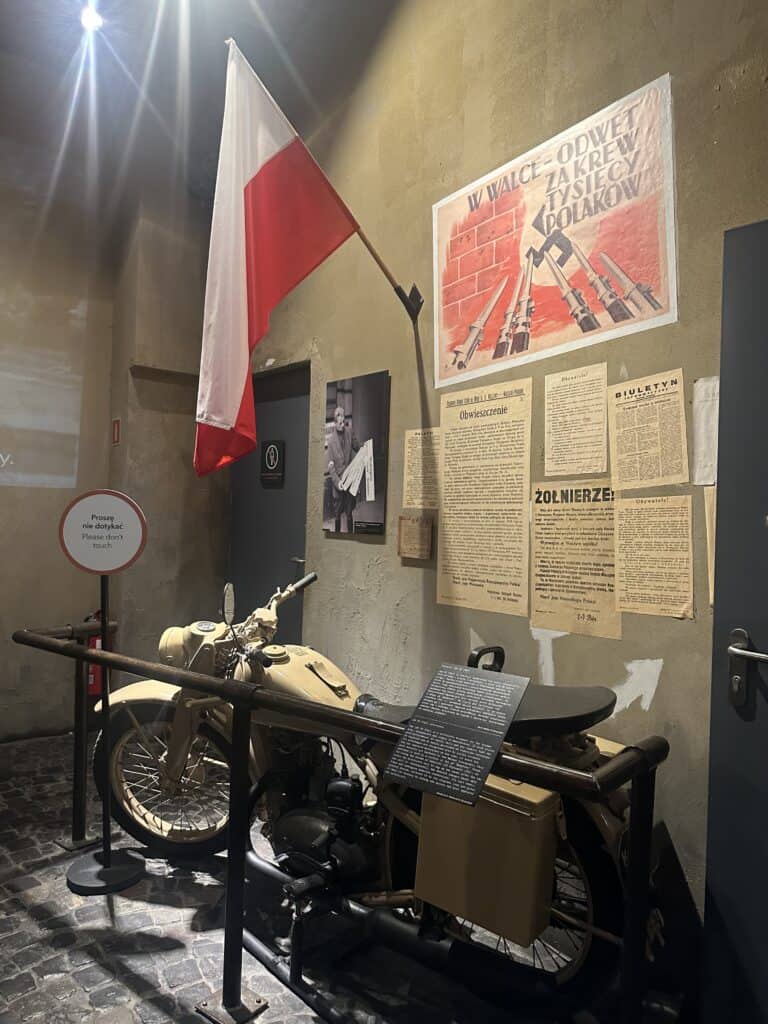
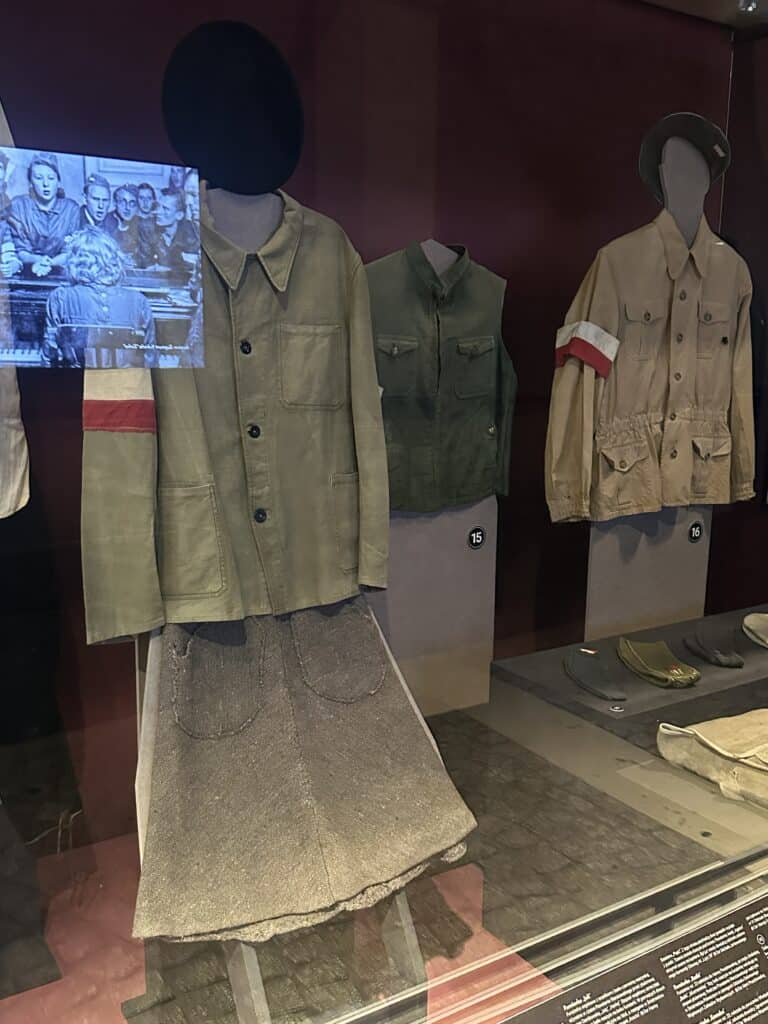
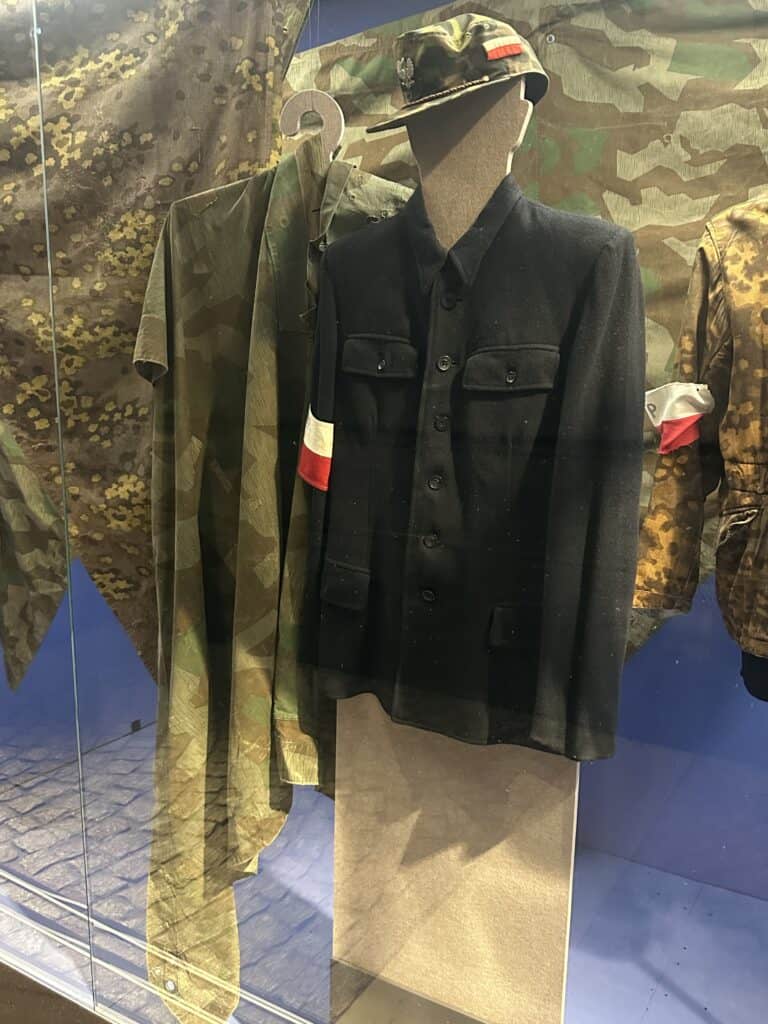
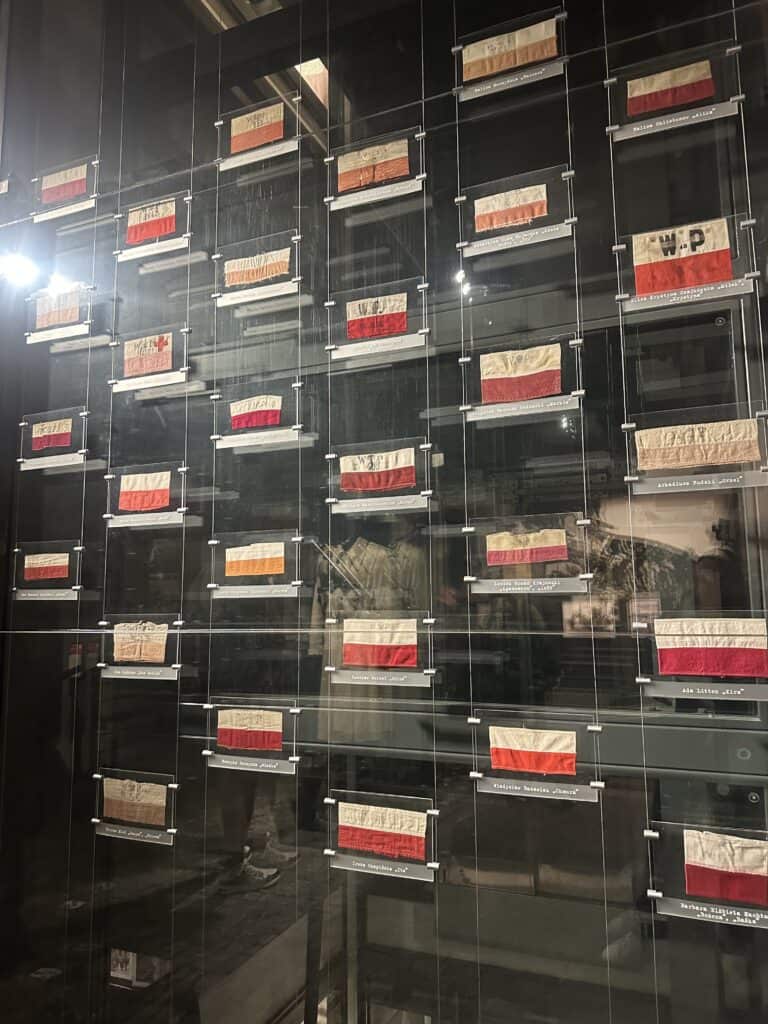
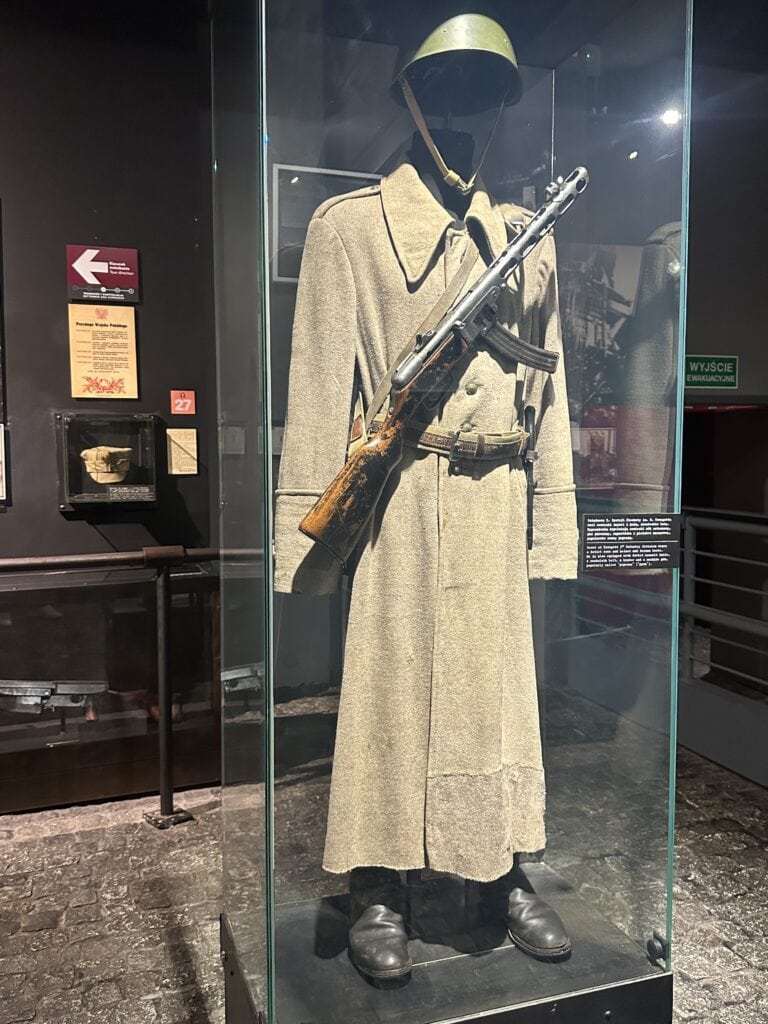
The museum commemorates the 63 days of fighting and the sacrifices made by the underground resistance—specifically the Home Army (Armia Krajowa)—and the citizens of Warsaw to liberate the city from Nazi occupation before the arrival of Soviet troops.
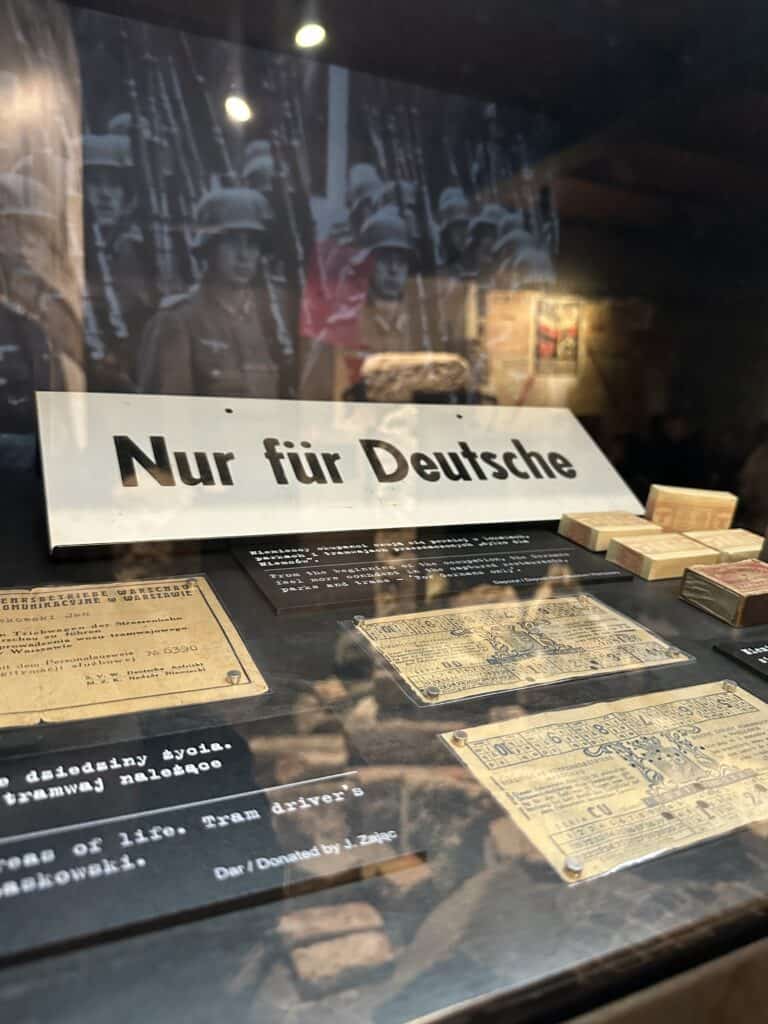
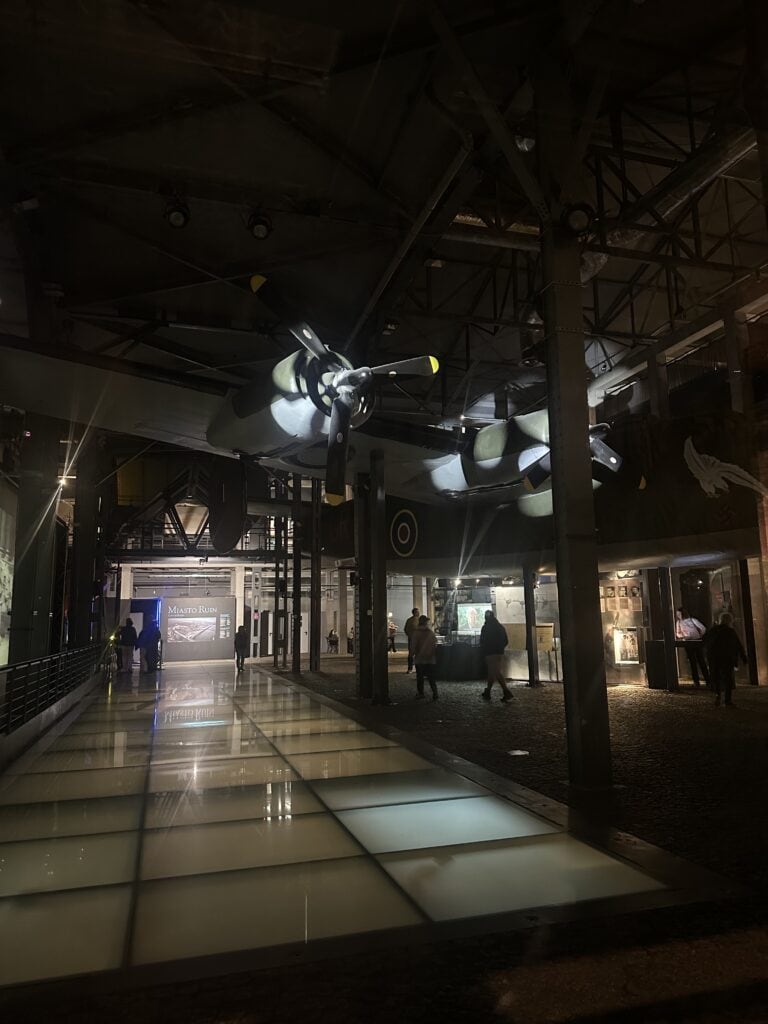
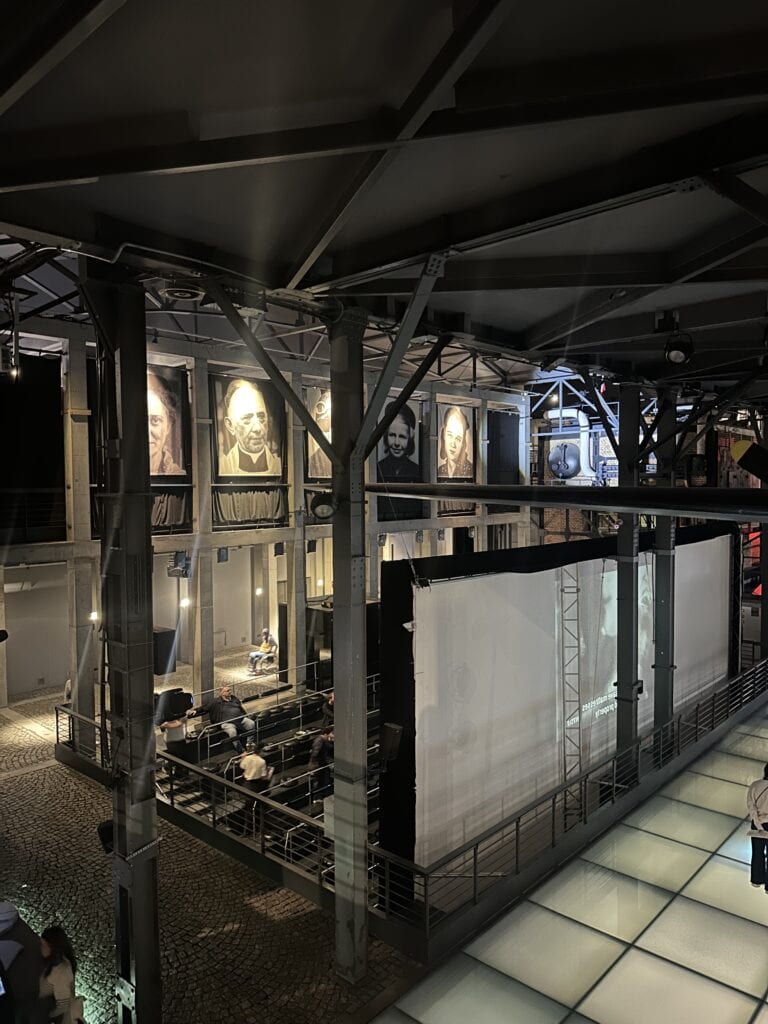
The museum is housed in a former tram power station; during the 1944 fighting, the building stood right on the front line.
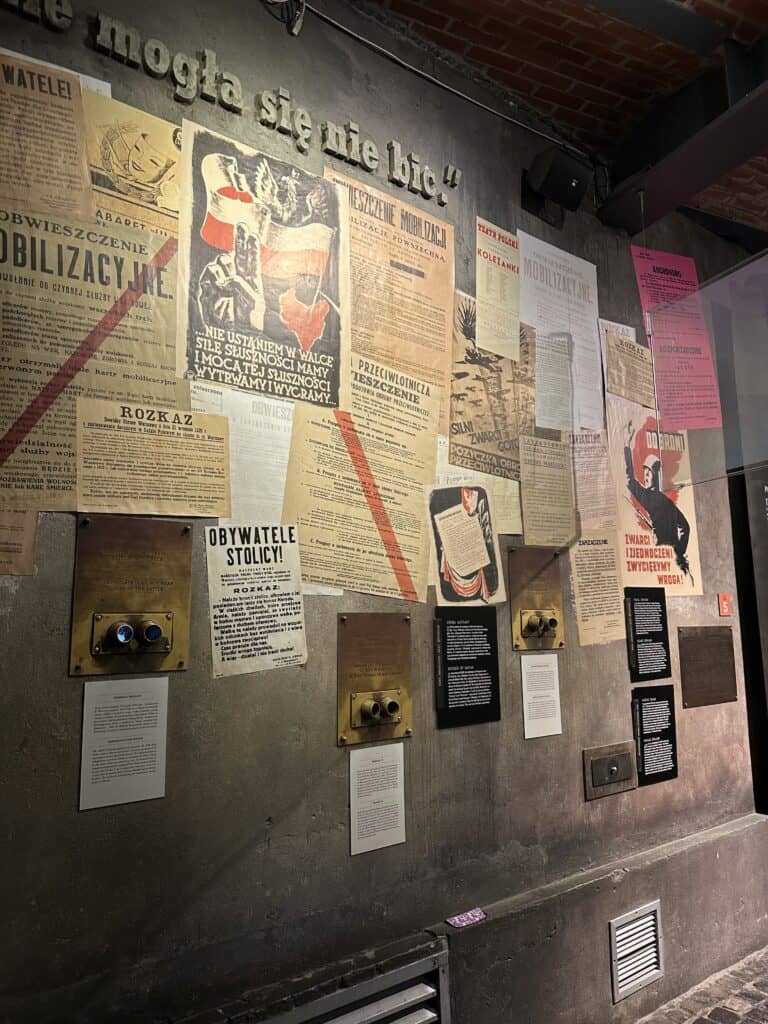
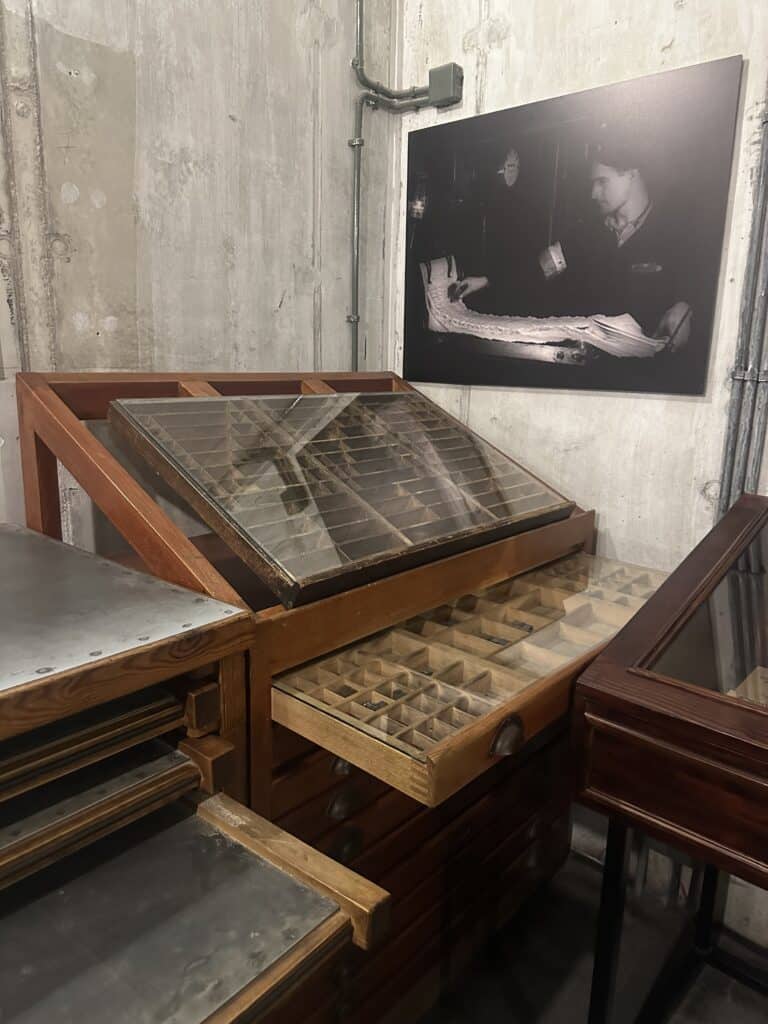
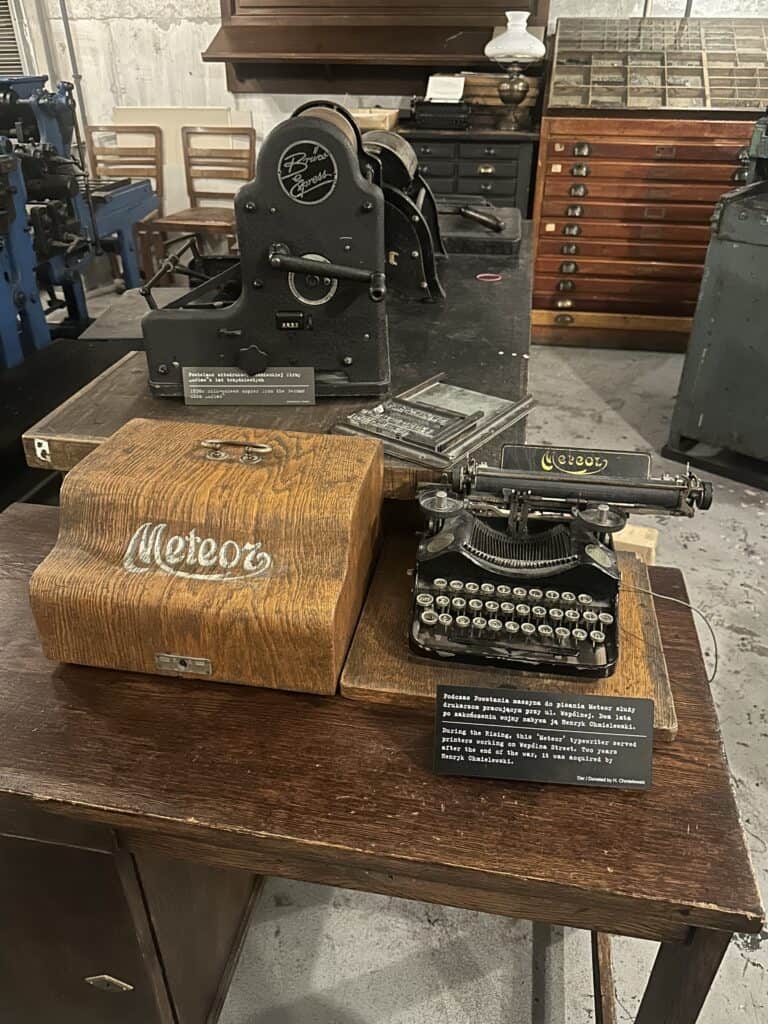
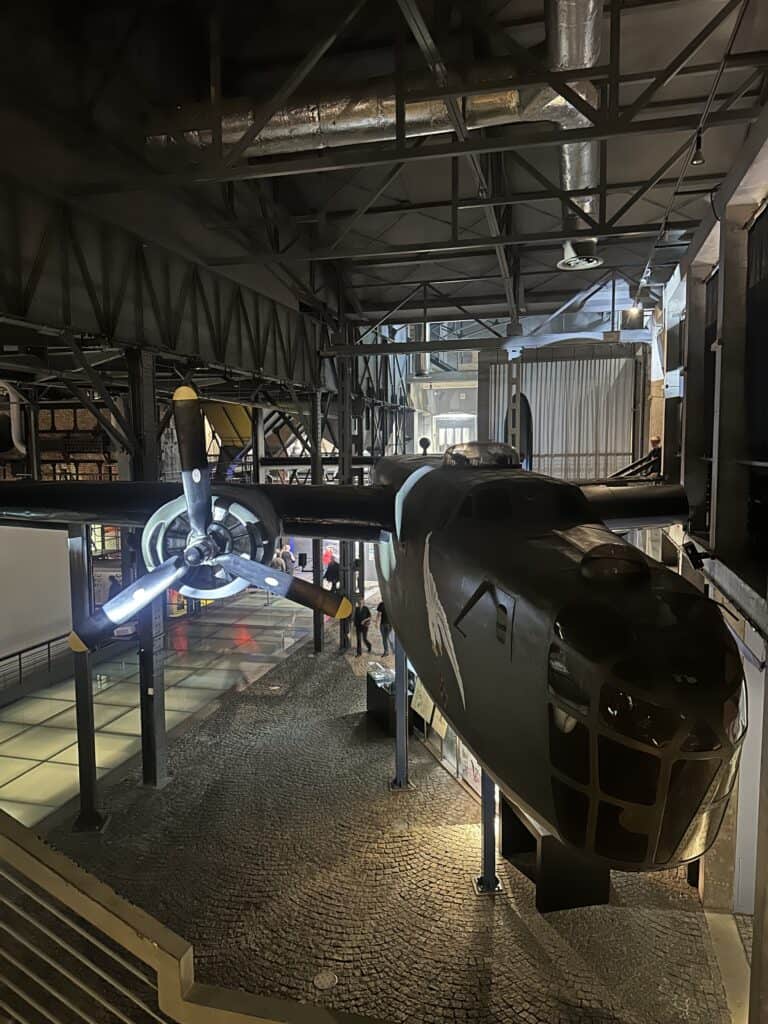
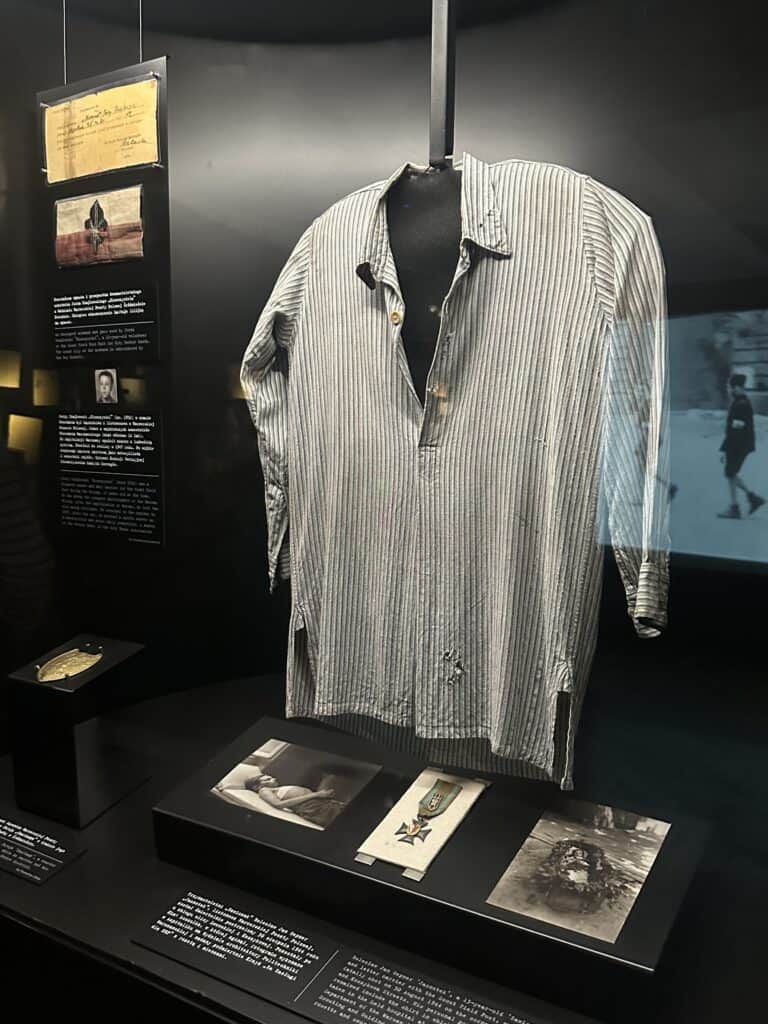
Inside, visitors will find the “Steel Monument”—featuring a heartbeat sound to evoke life in Warsaw in 1944—as well as a replica of the B-24J Liberator bomber used to drop supplies to the population, an underground print shop where resistance leaflets were produced, and the “Little Insurgent Hall” (Sala Małego Powstańca), dedicated to the children and young people who took part in the uprising as couriers and messengers.
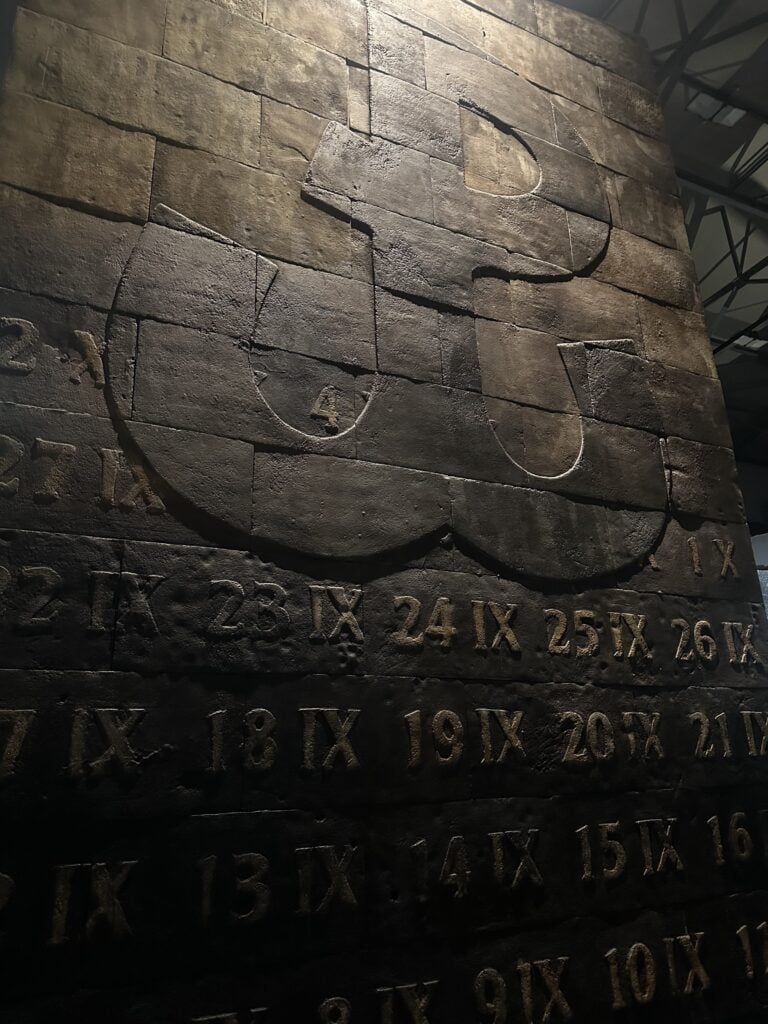
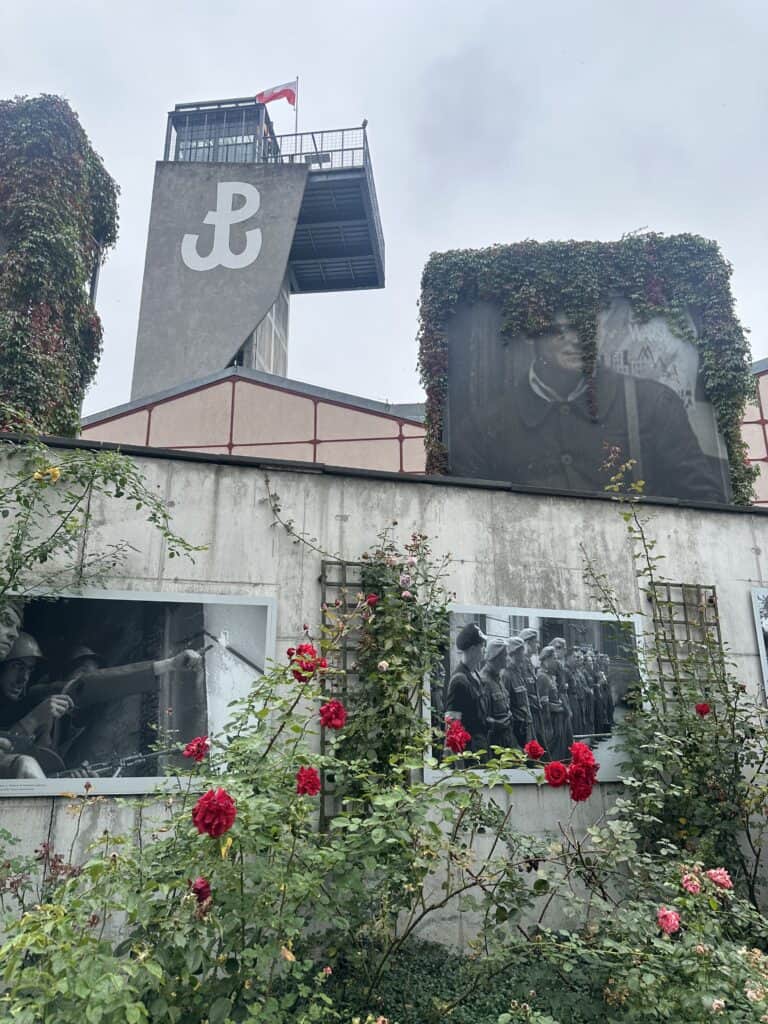
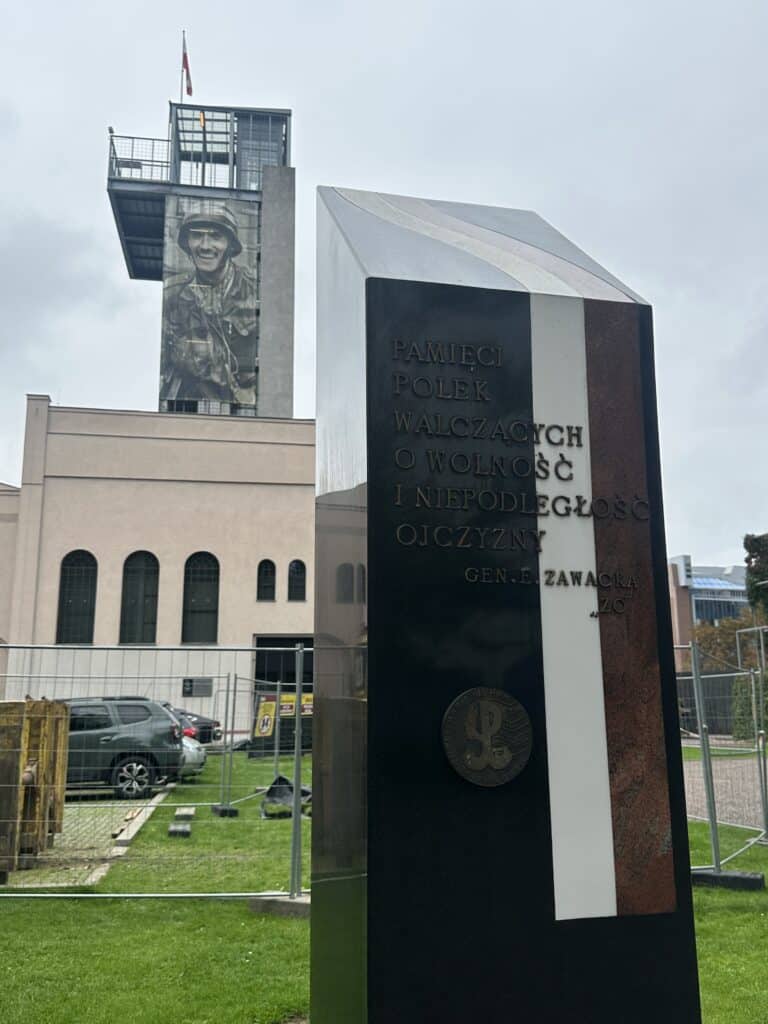
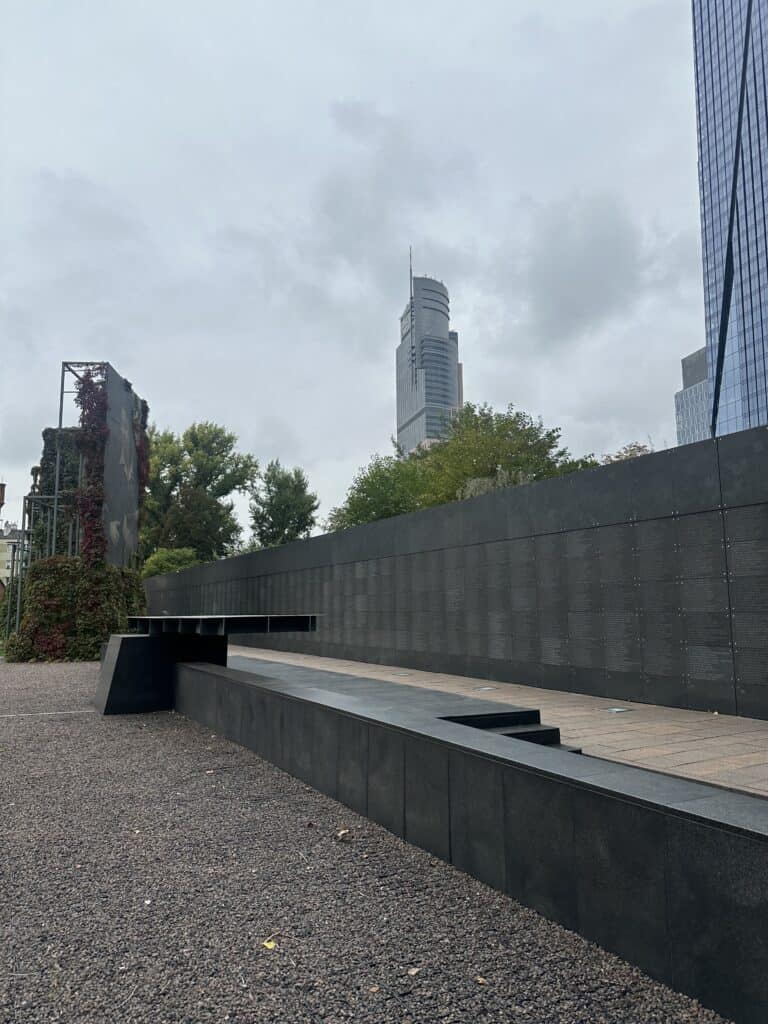
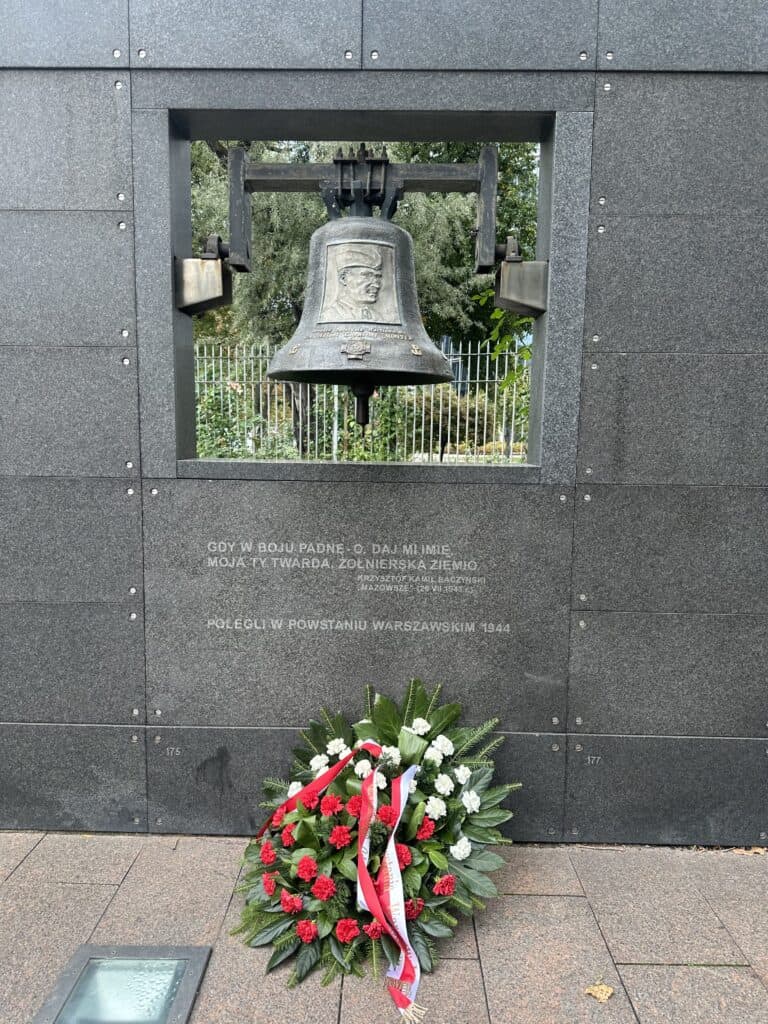
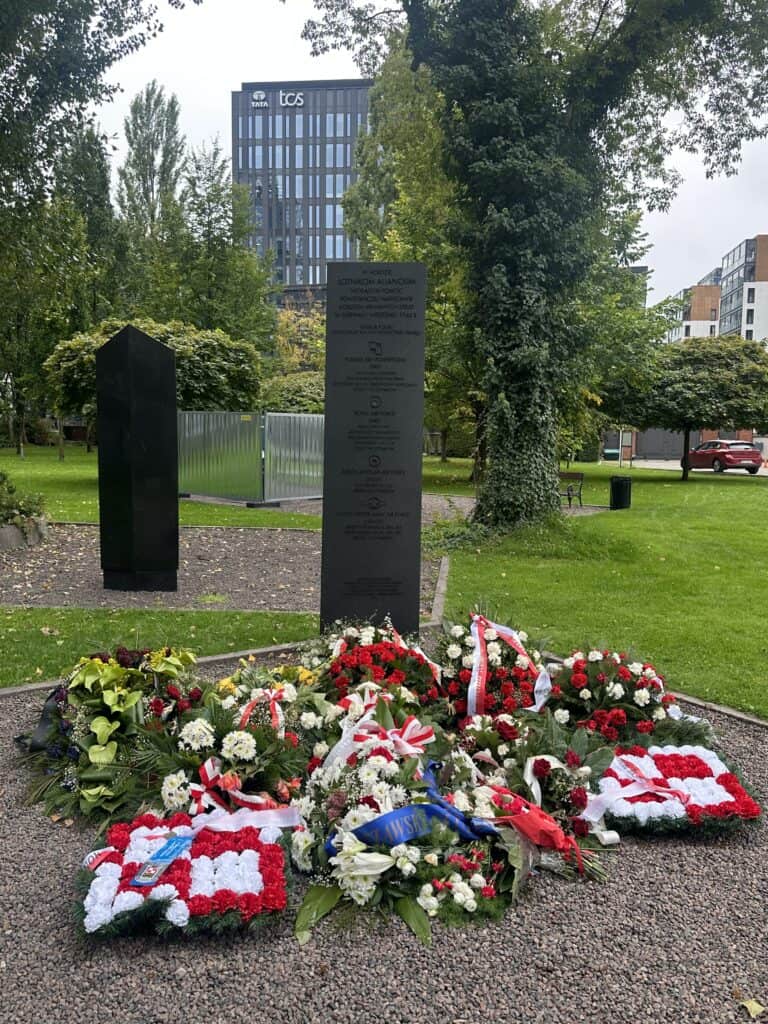
Outside the museum lies the Park of Remembrance, dominated by a long wall inscribed with the names of resistance fighters who fell during the conflict.
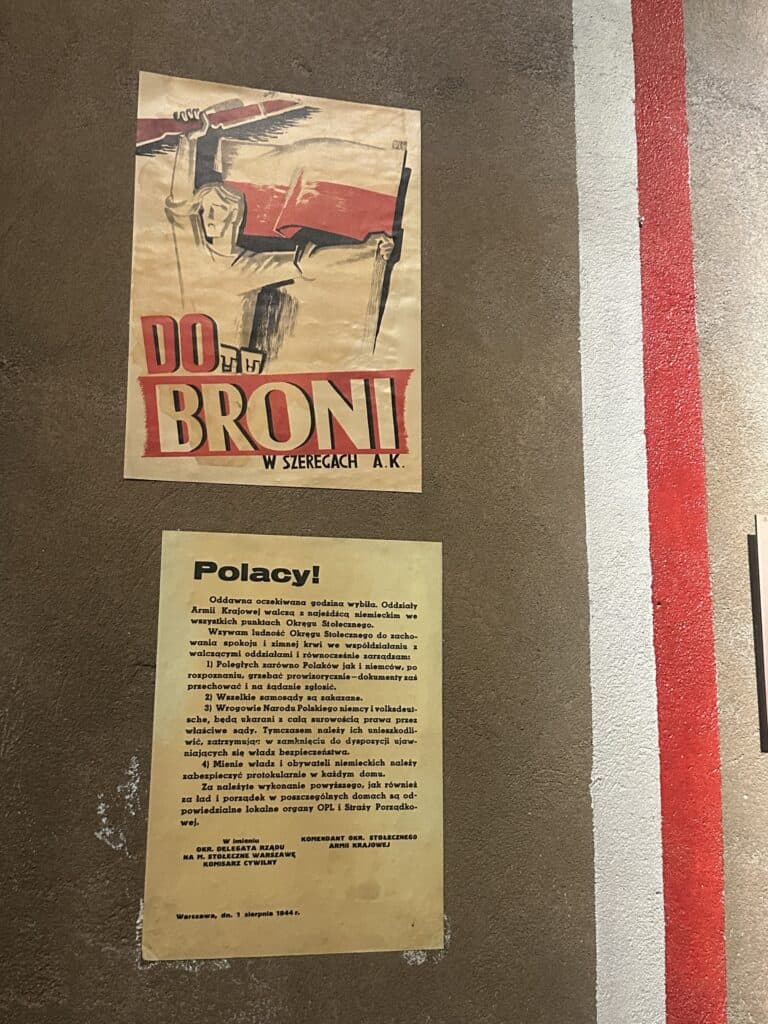
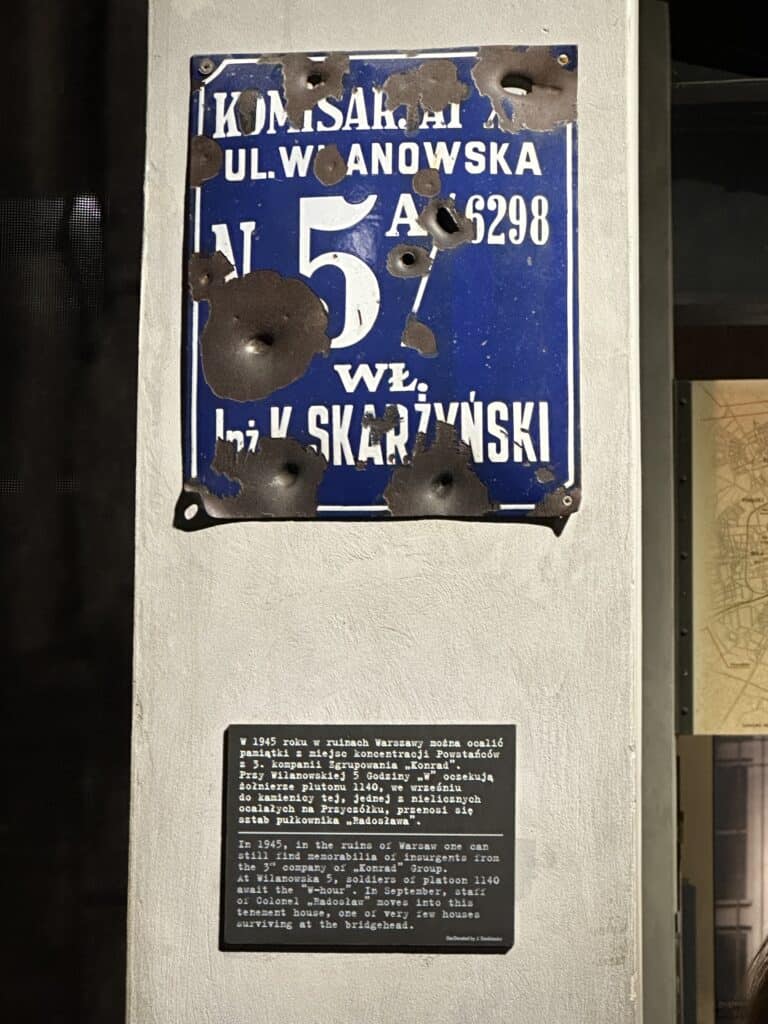
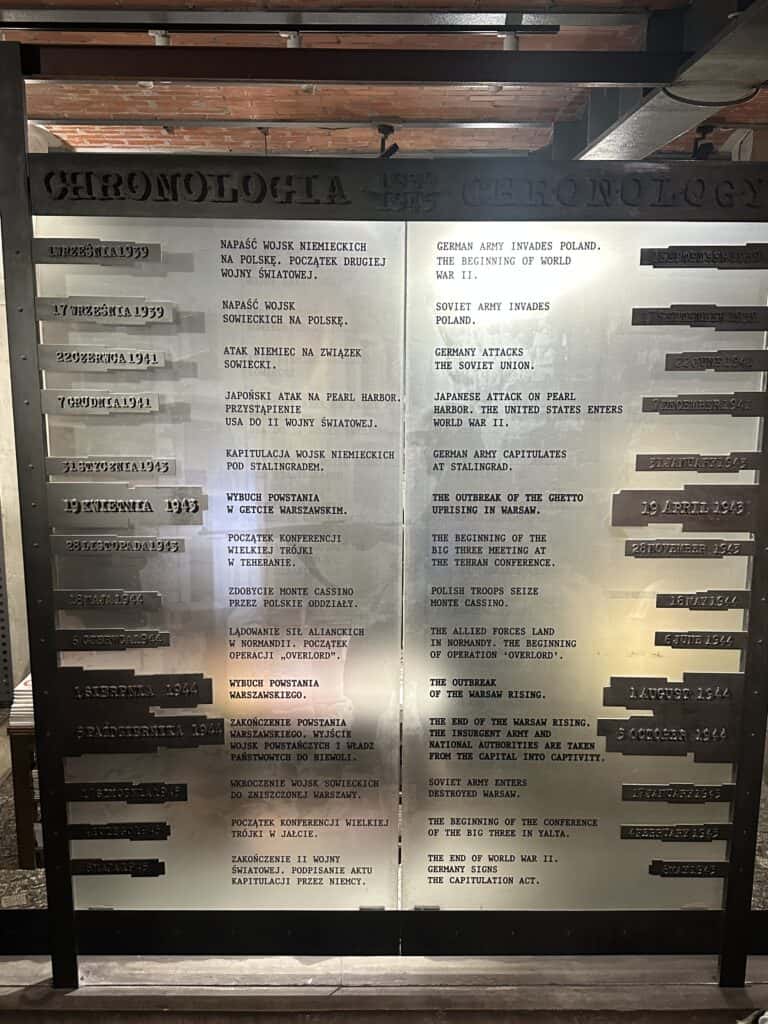
The Warsaw Uprising began on 1st August 1944, at 5:00 PM (“W-Hour”) and stands as the largest underground military operation of World War II.
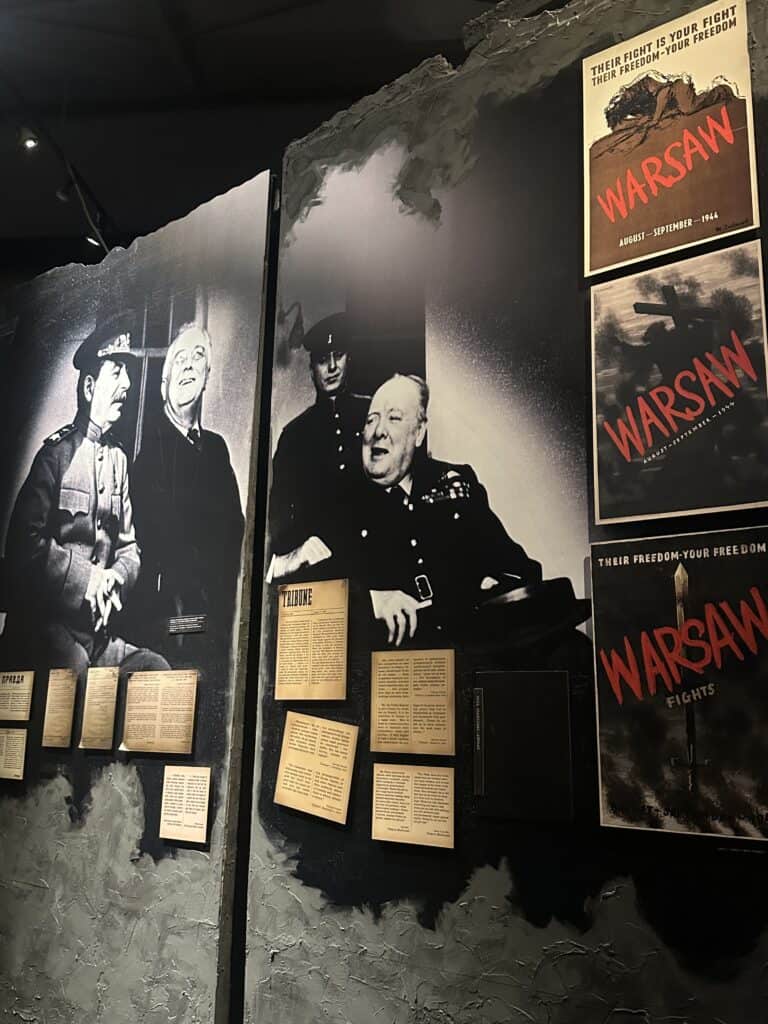
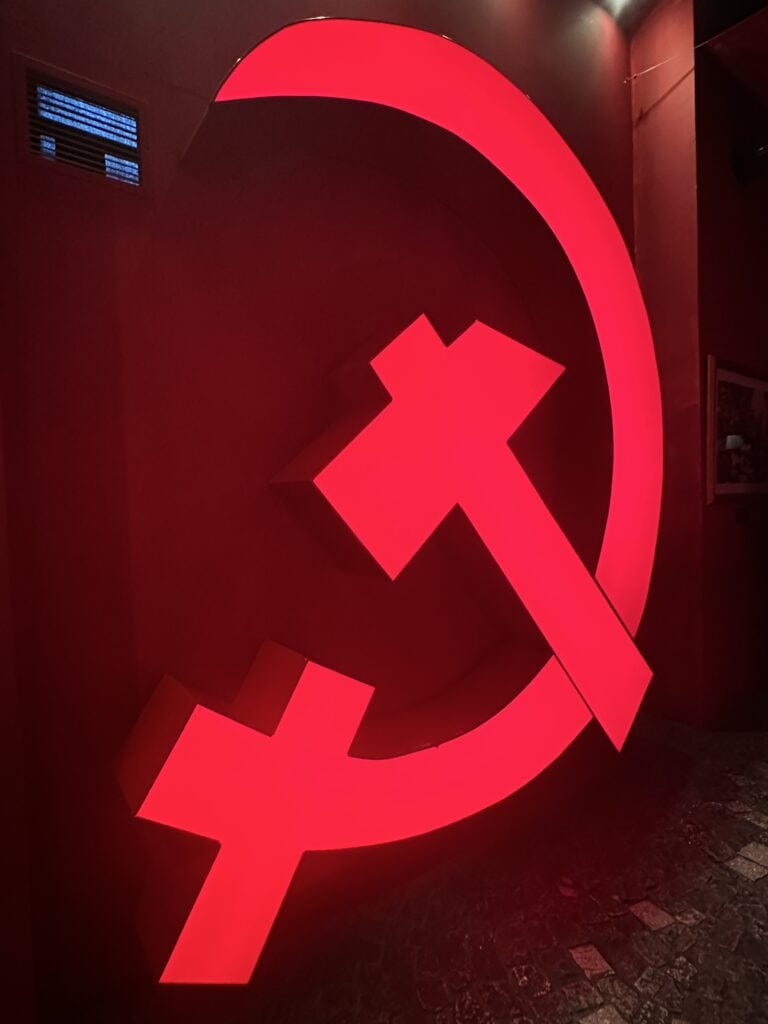
It was led by the Armia Krajowa (the partisan army linked to the Polish government-in-exile in London) and involved approximately 50.000 insurgents. The political and military objective was to liberate Warsaw from the Germans using their own forces, so as to welcome the Red Army into an already liberated city and thereby avert the installation of a communist puppet government.
After 63 days of heroic resistance under inhumane conditions—lacking water, food, and electricity, and subjected to constant bombardment—Polish General Tadeusz Bór-Komorowski was forced to sign the capitulation on 2nd October 1944.
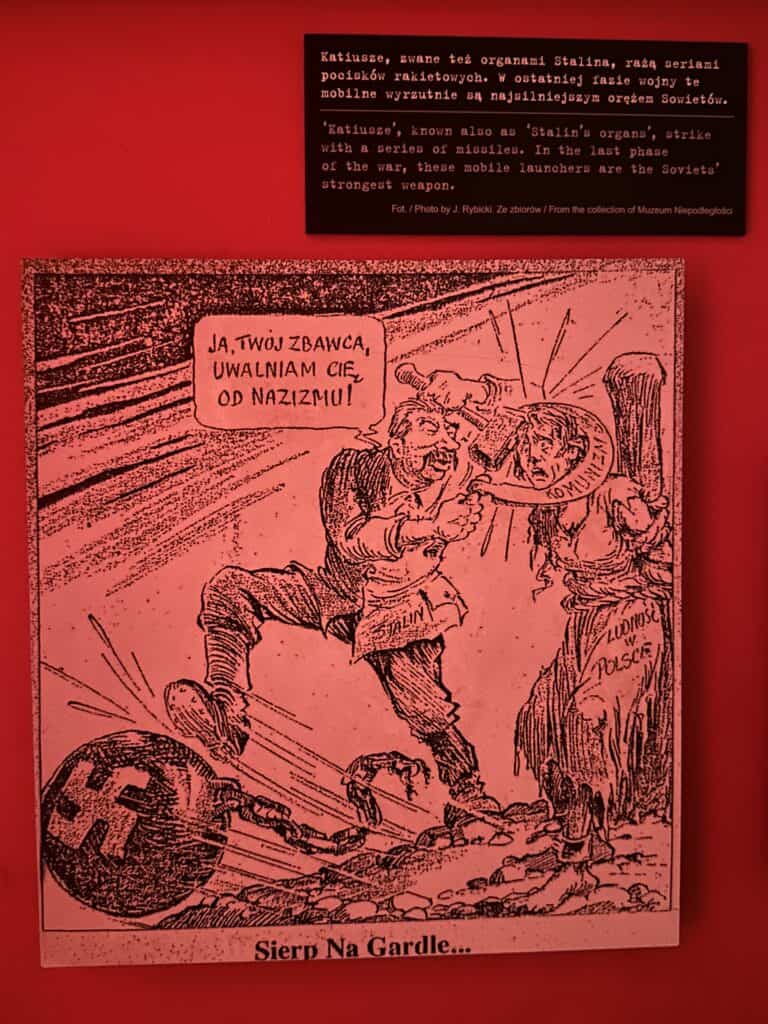
The uprising’s failure was sealed by the disparity in forces, combined with the total passivity of the Soviet army; the Soviets chose to halt their advance on the opposite bank of the Vistula River, watching the annihilation of the Polish resistance without intervening or providing air support to their allies.
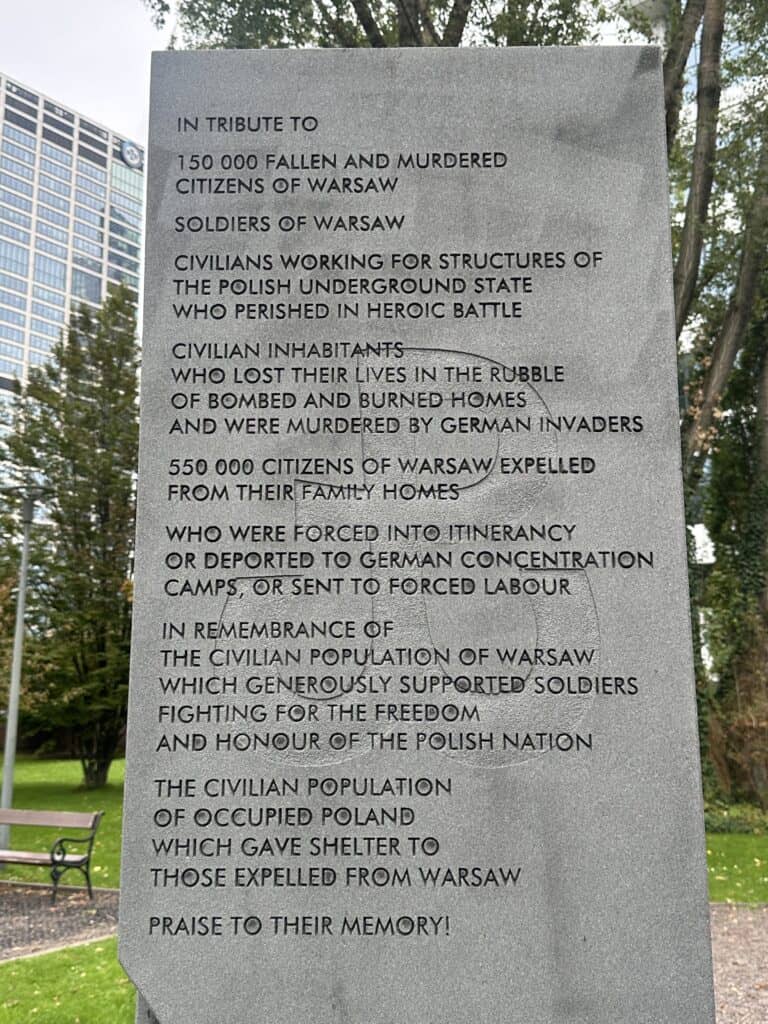
The human toll was immense, claiming the lives of approximately 16.000 Polish fighters and over 150.000 civilians.
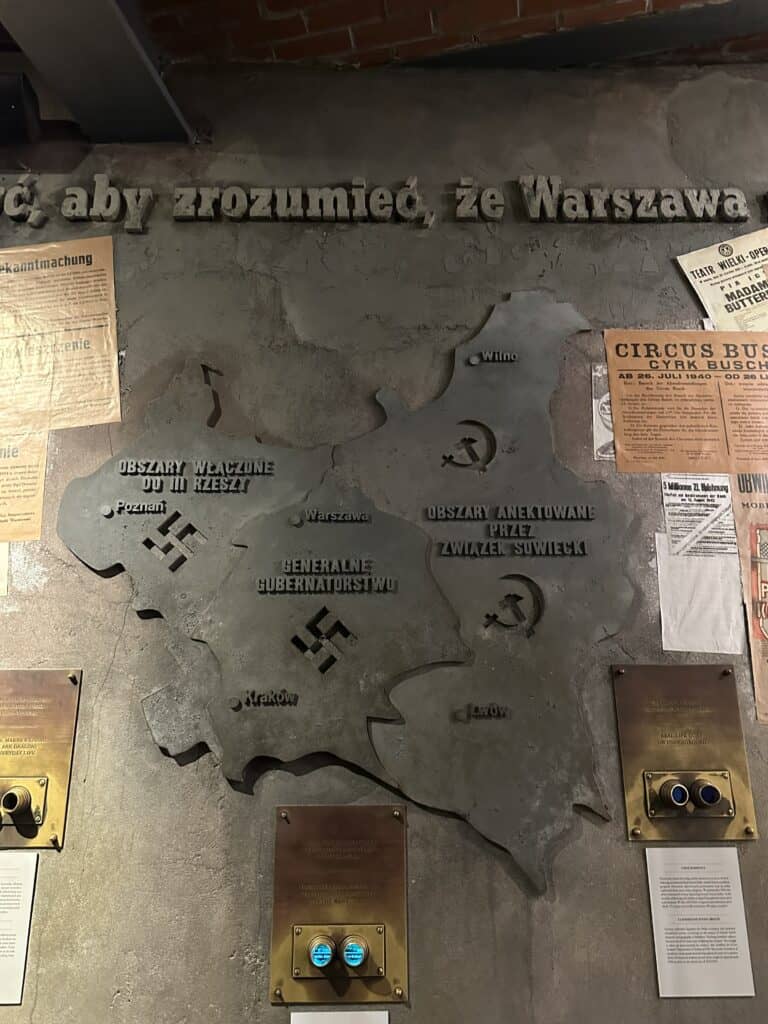
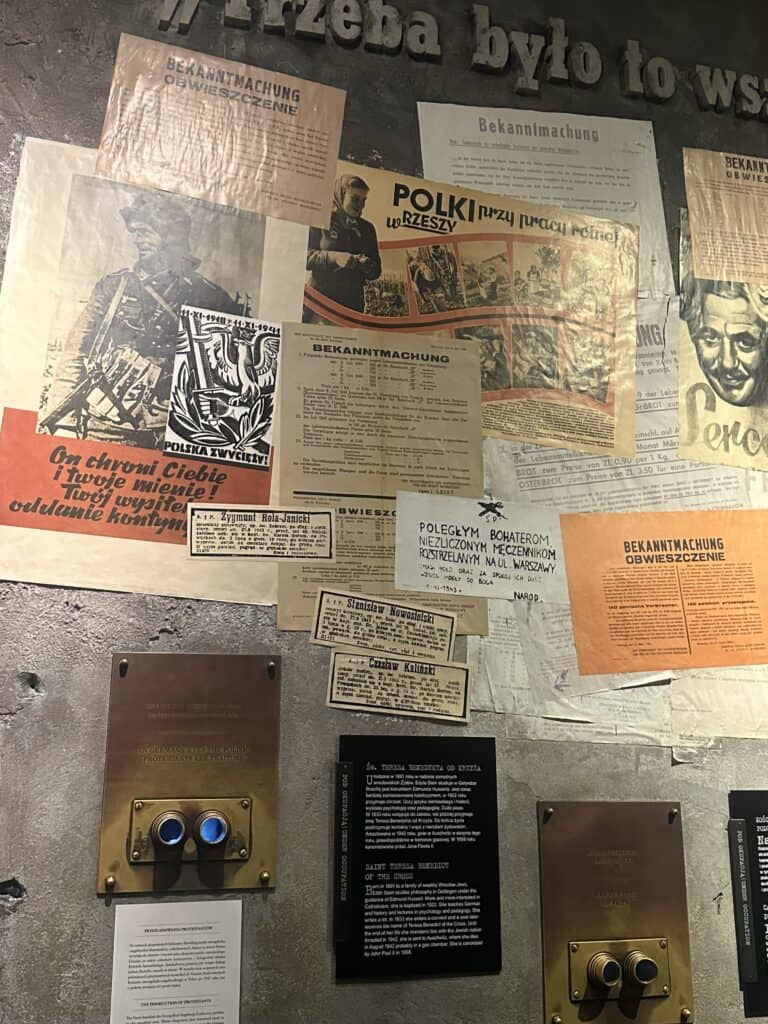
Following the capitulation signed on 2nd October 1944, Hitler ordered the evacuation of the surviving population and the razing of Warsaw to the ground, including the burning of libraries, archives, and 90% of the city’s buildings.
Soviet troops did not enter Warsaw until January 1945, finding nothing but a ghost town.