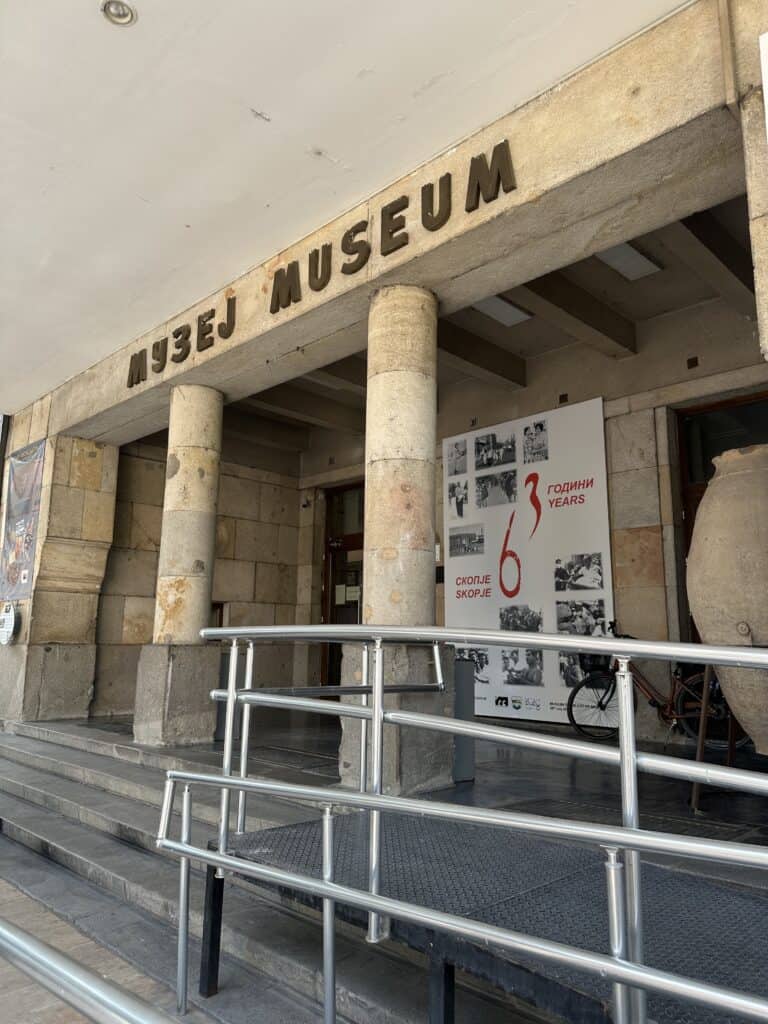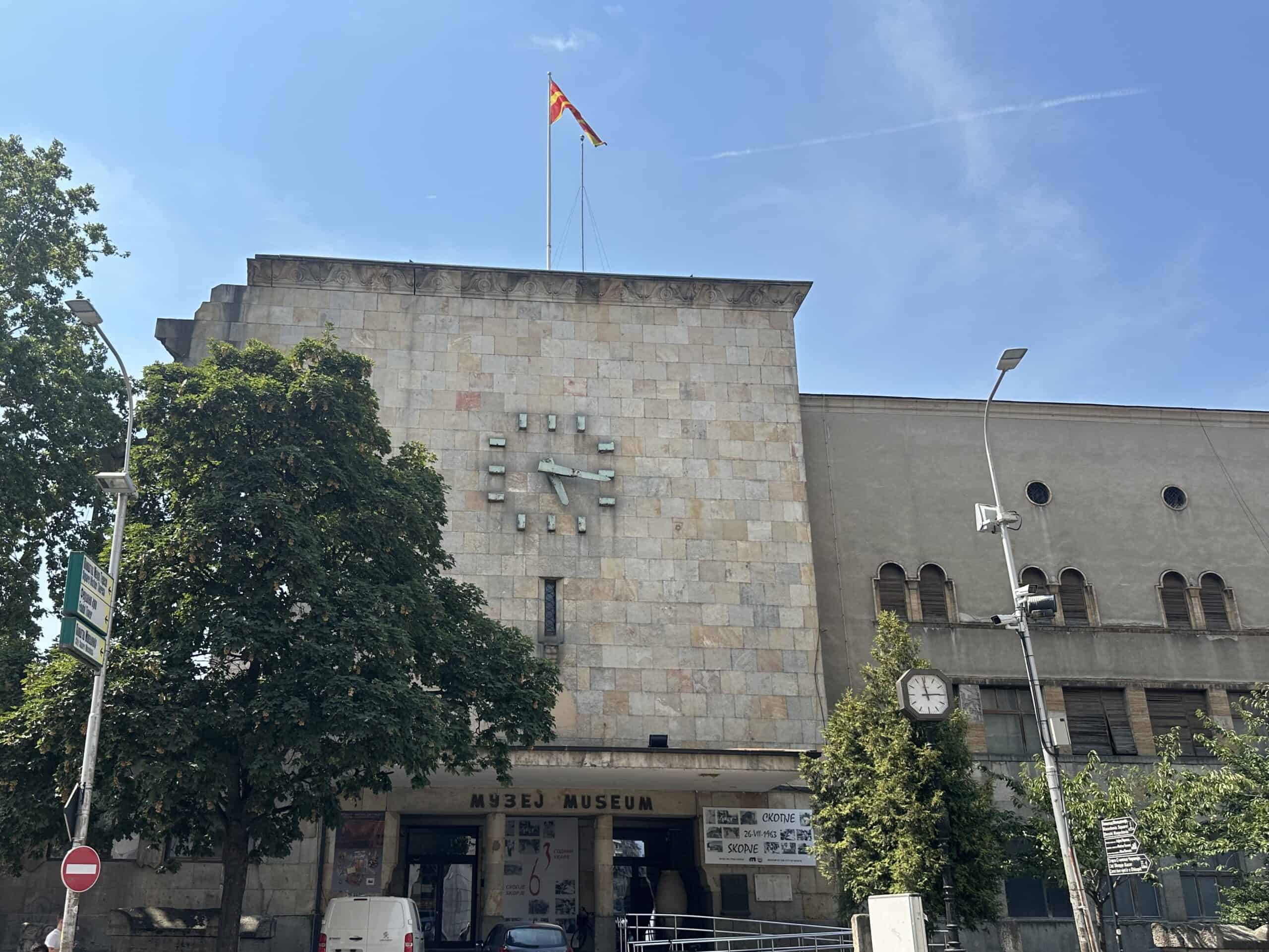
The Skopje City Museum is one of the most important historical sites in the capital of North Macedonia.
Founded in 1949, the museum documents the city’s complex evolution from its earliest prehistoric traces to the present day.
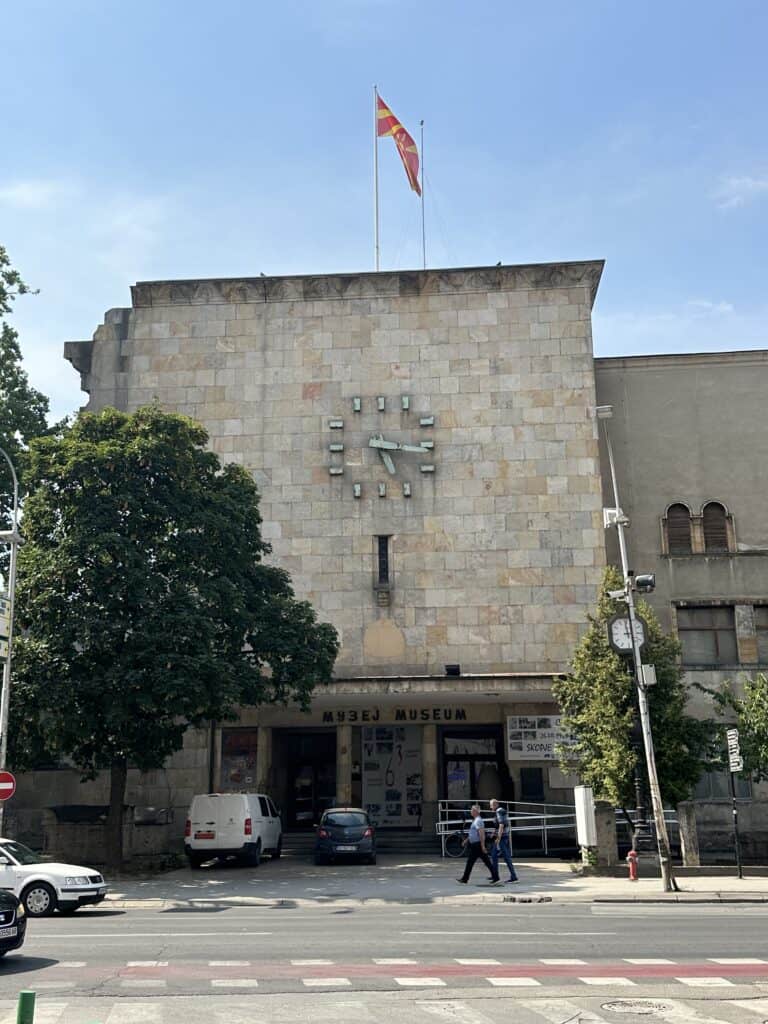
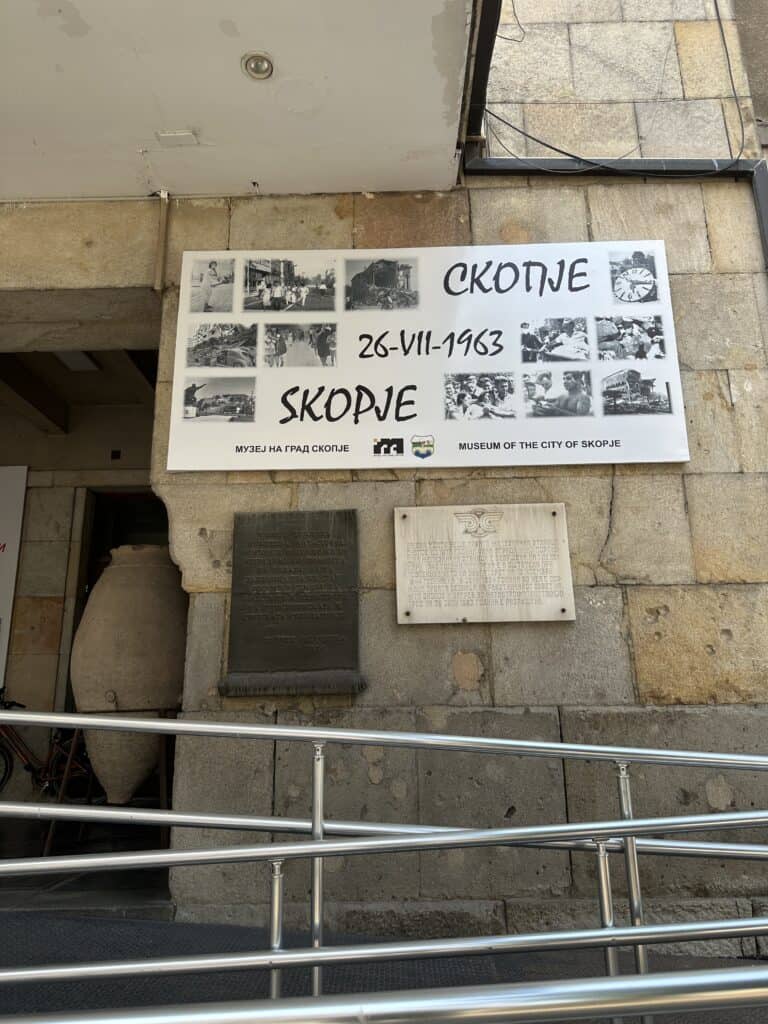
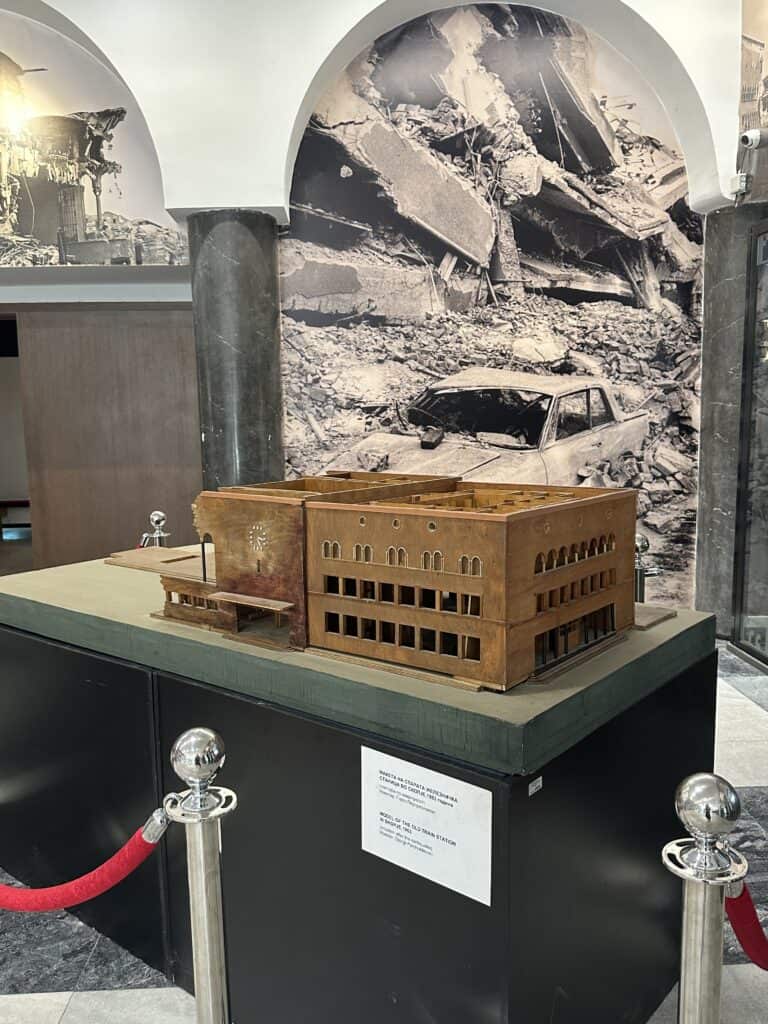
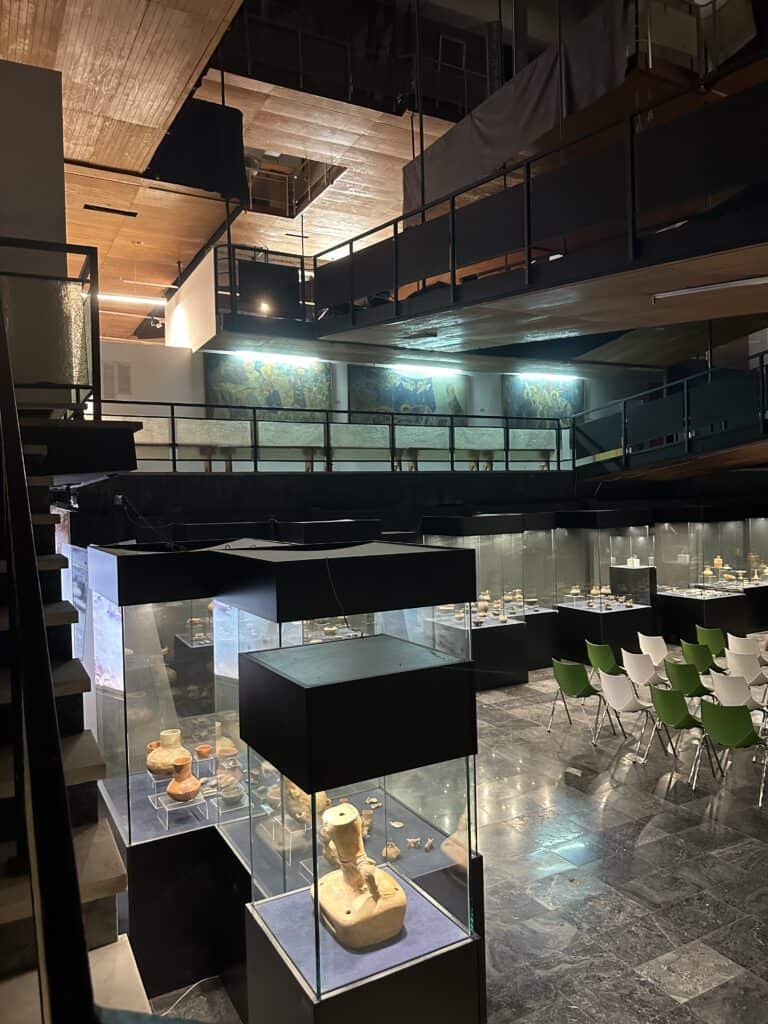
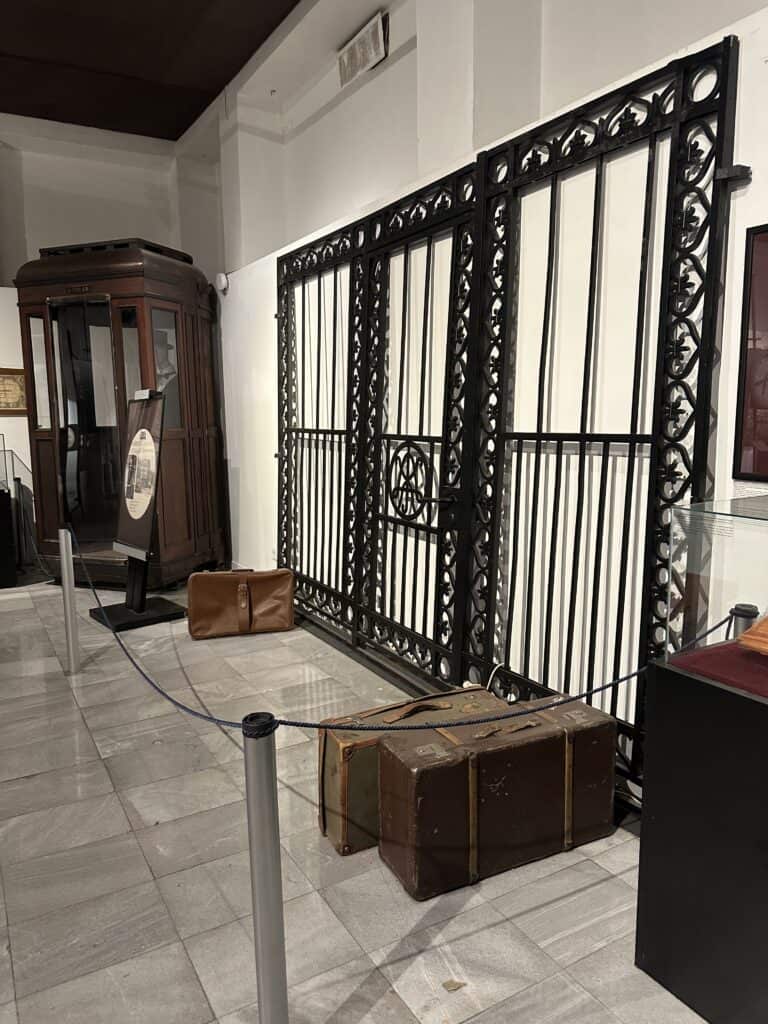
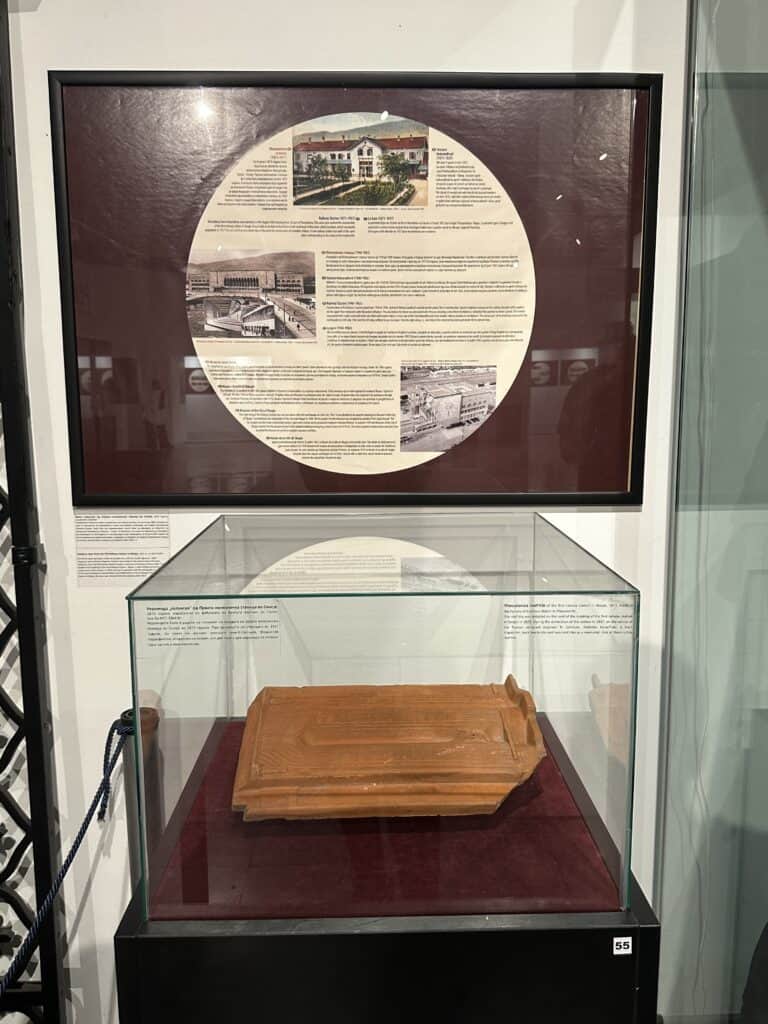
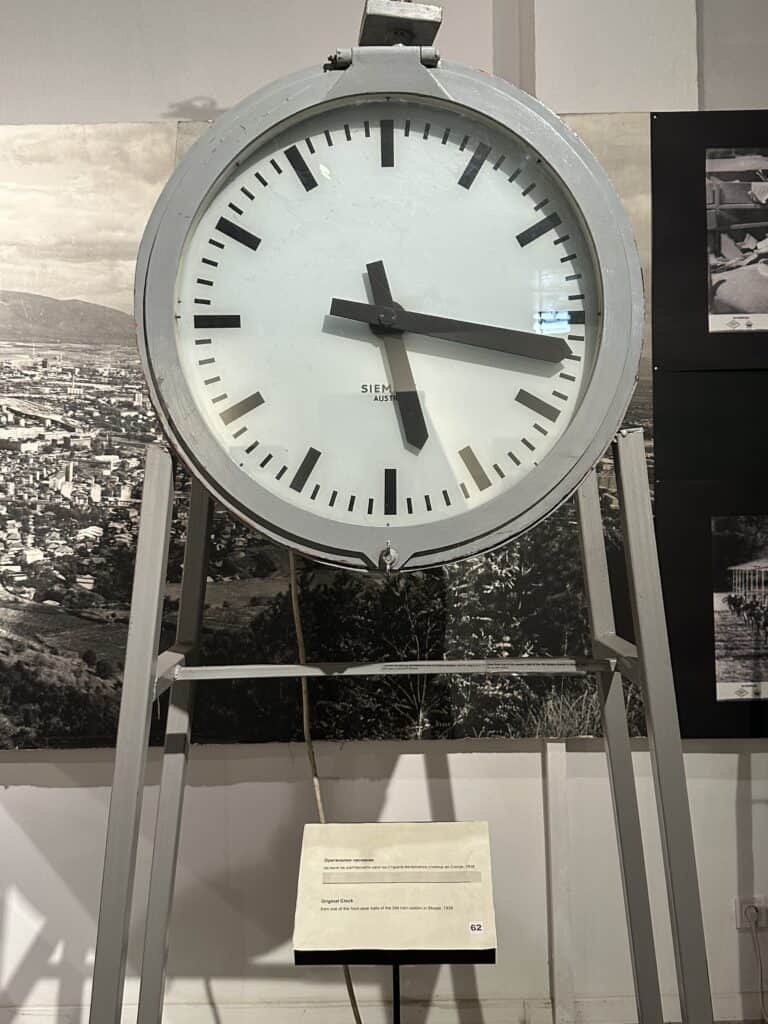
Its most distinctive feature is the building itself: since 1970, it has been housed in the surviving wing of the old railway station, which was partially destroyed by the catastrophic earthquake of 26th July 1963.
Station’s large clock still stands prominently on the exterior façade; its hands remain frozen forever at 5:17, the exact moment the quake struck.
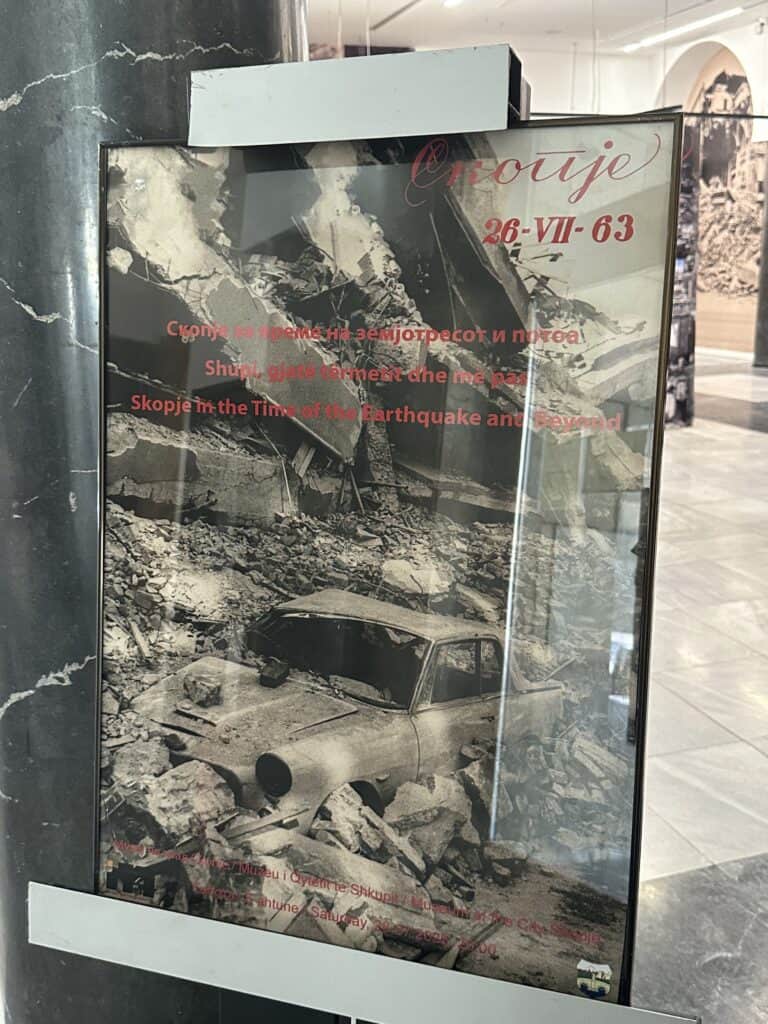
The Skopje earthquake was one of the worst natural disasters in Yugoslav history. The main shock lasted about 20 seconds and registered a magnitude of 6.1 on the Richter scale.
Approximately 80% of the city was destroyed, resulting in around 1,000 deaths, 4,000 injuries, and the displacement of over 200,000 people.
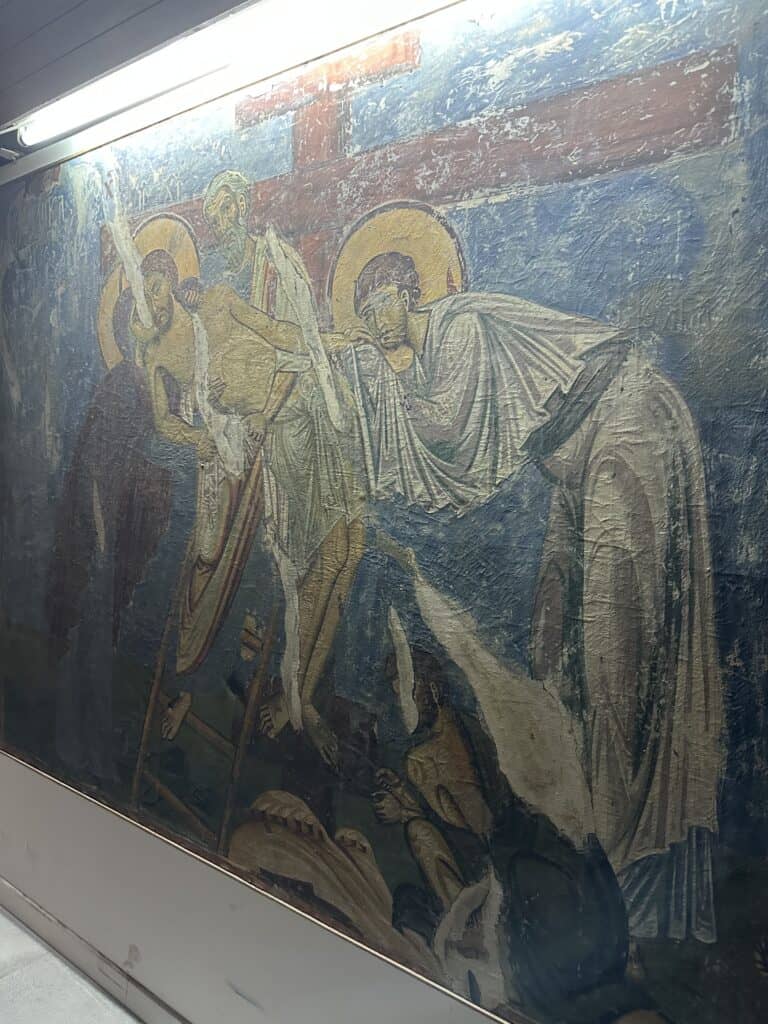
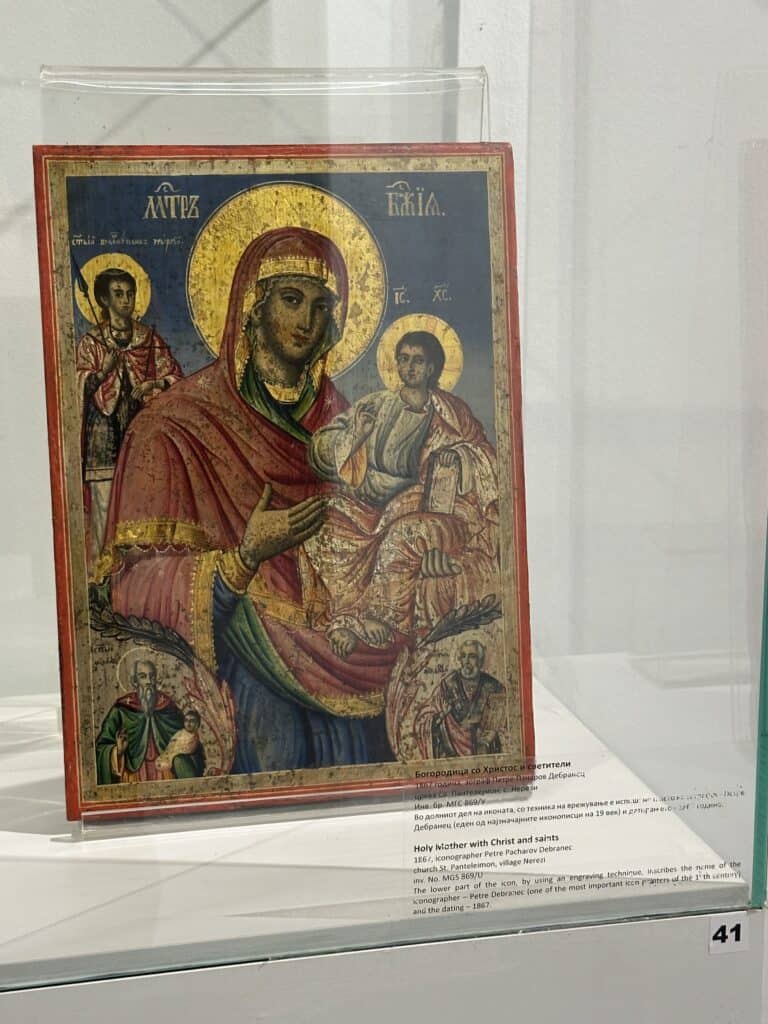
The museum houses more than 20,000 objects divided into four thematic areas:
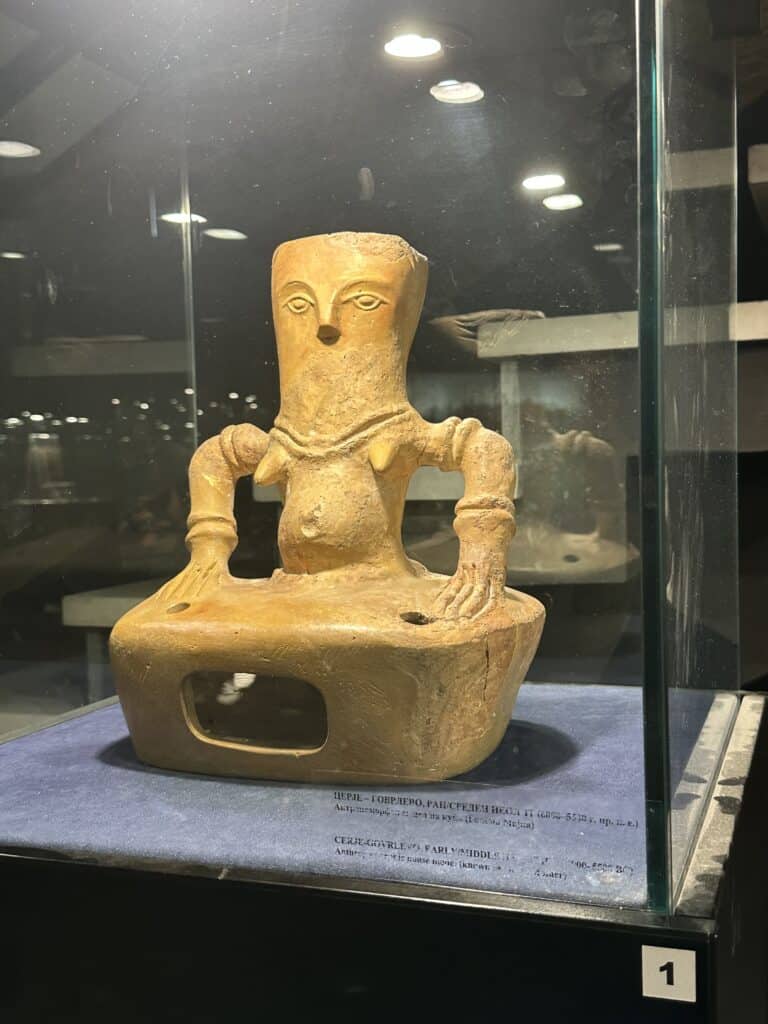
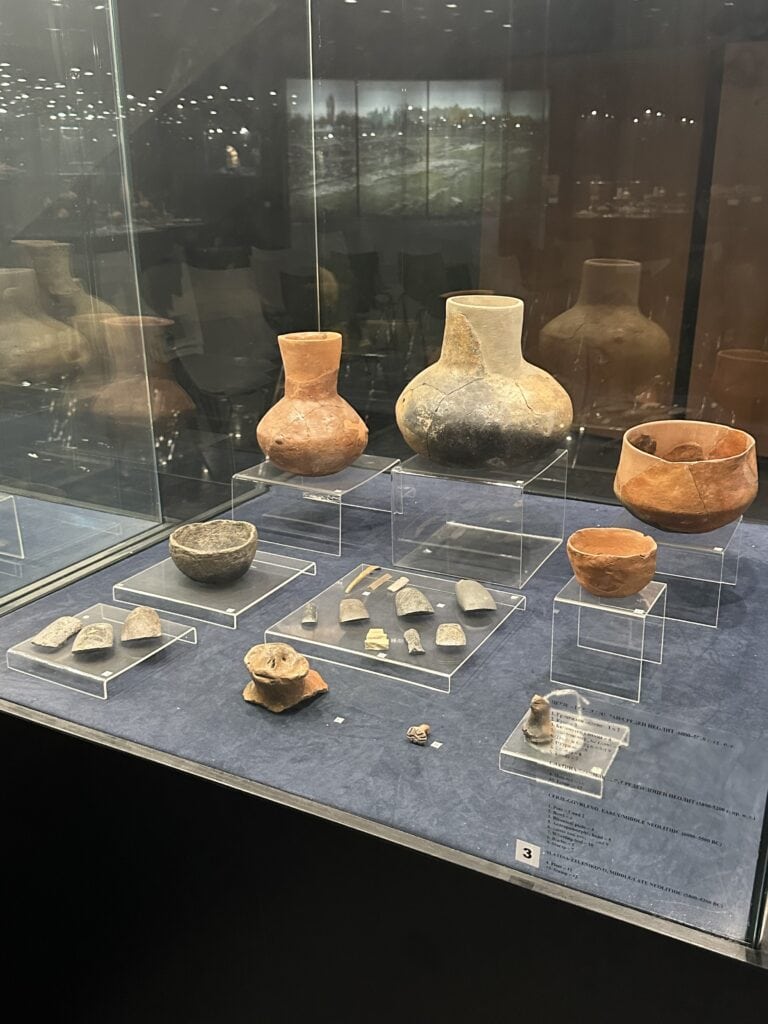
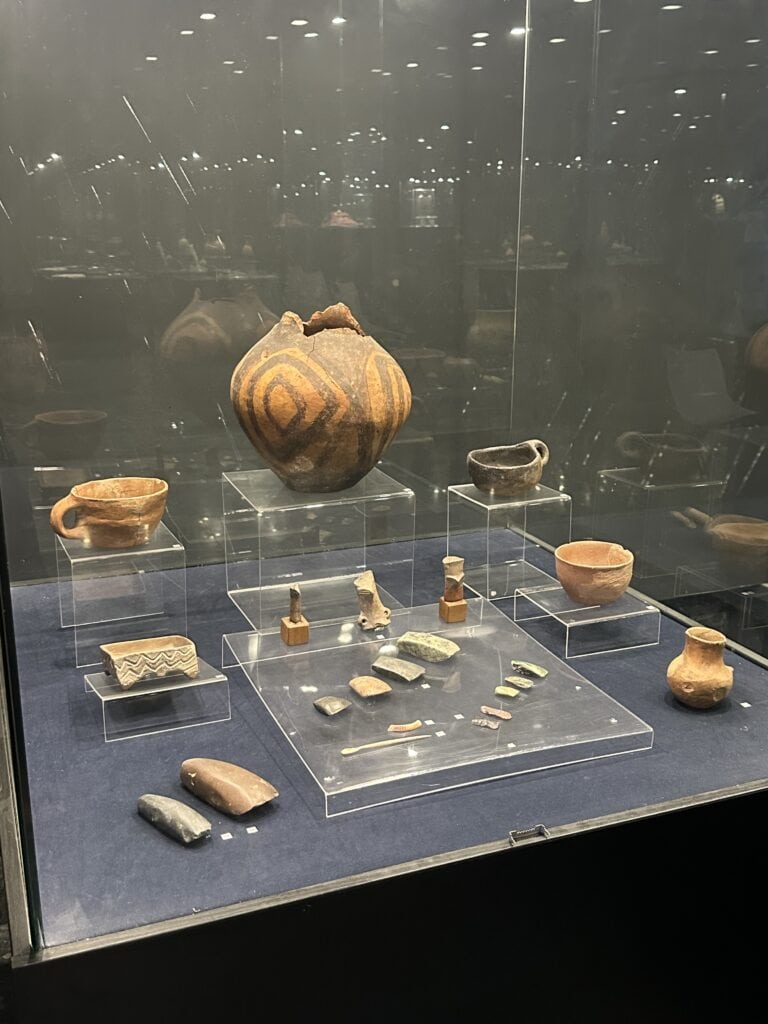
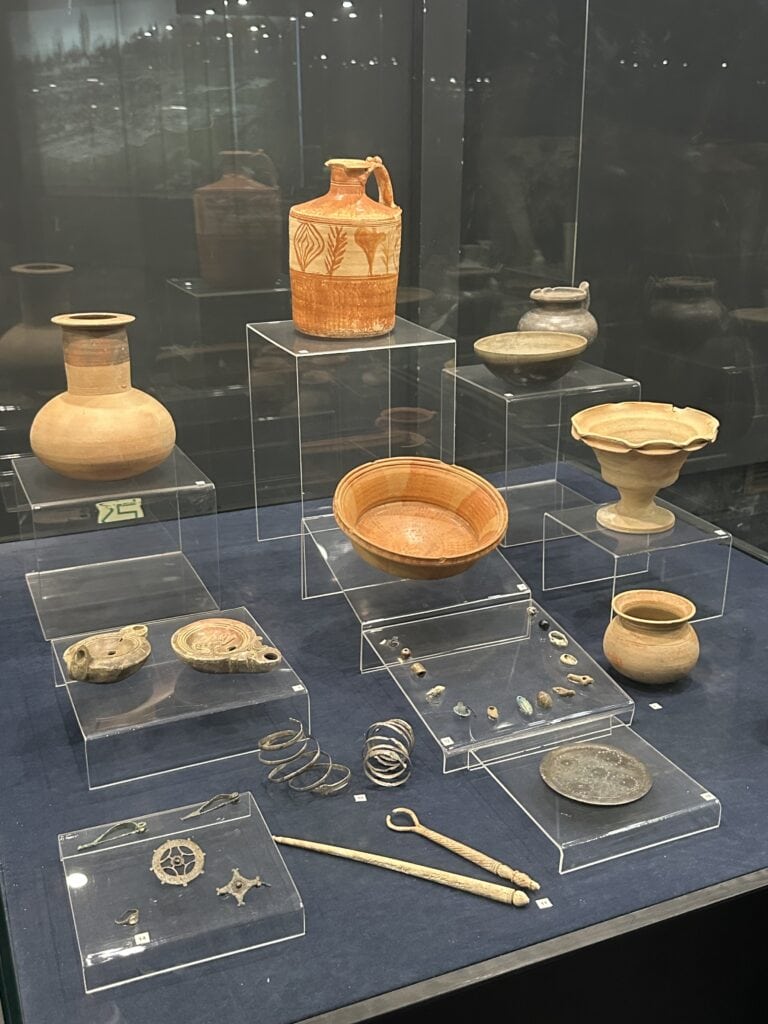
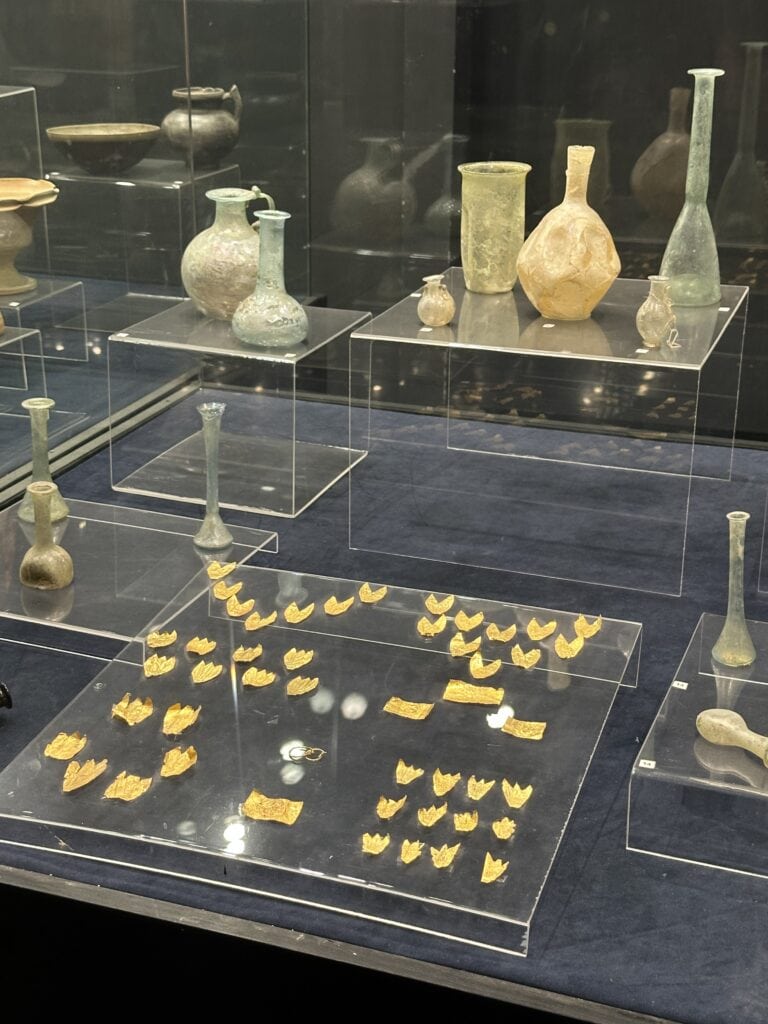
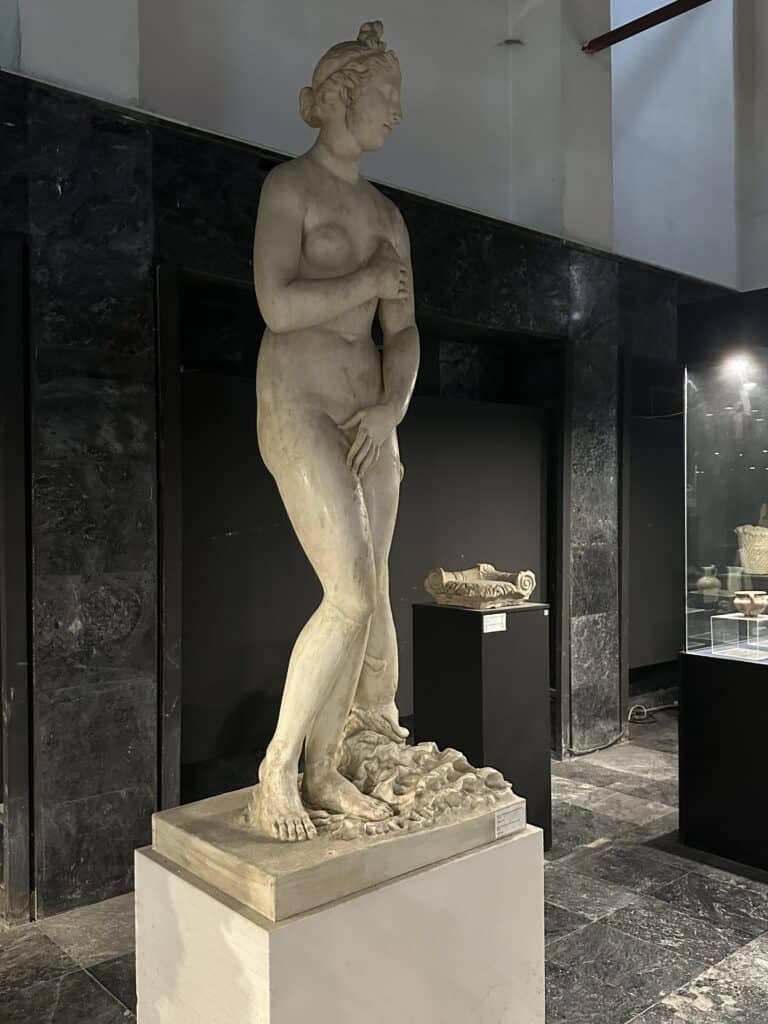
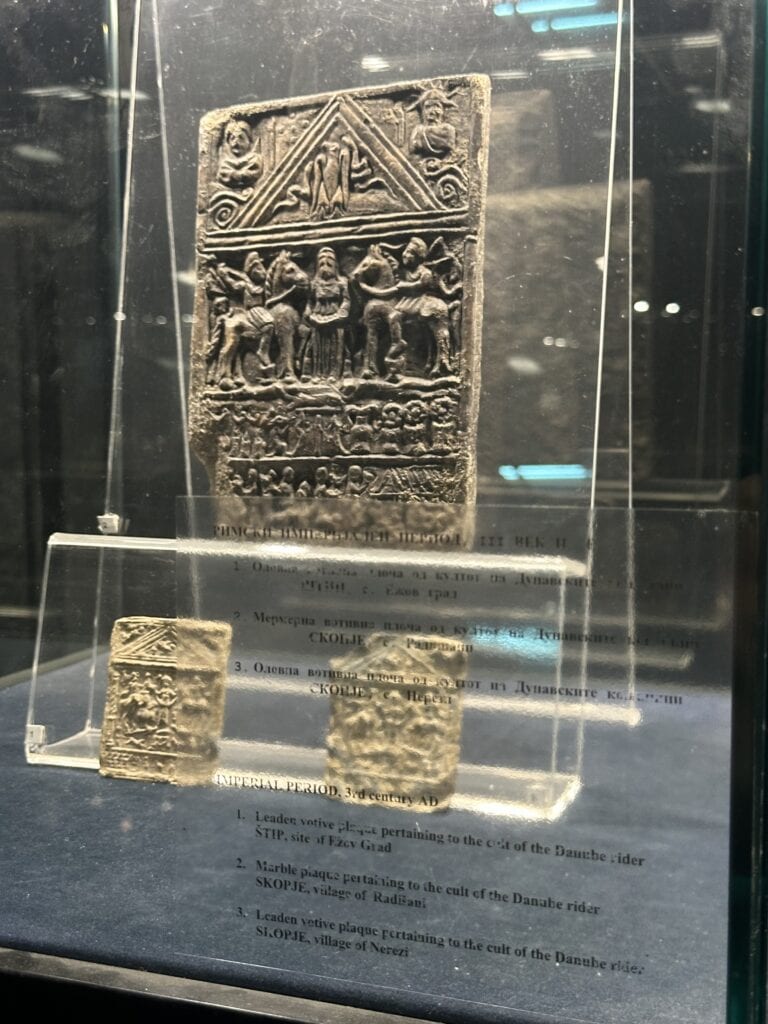
- Archaeology: displays important artifacts recovered from excavations at the ancient site of Scupi and settlements dating back as far as 3000 BC.
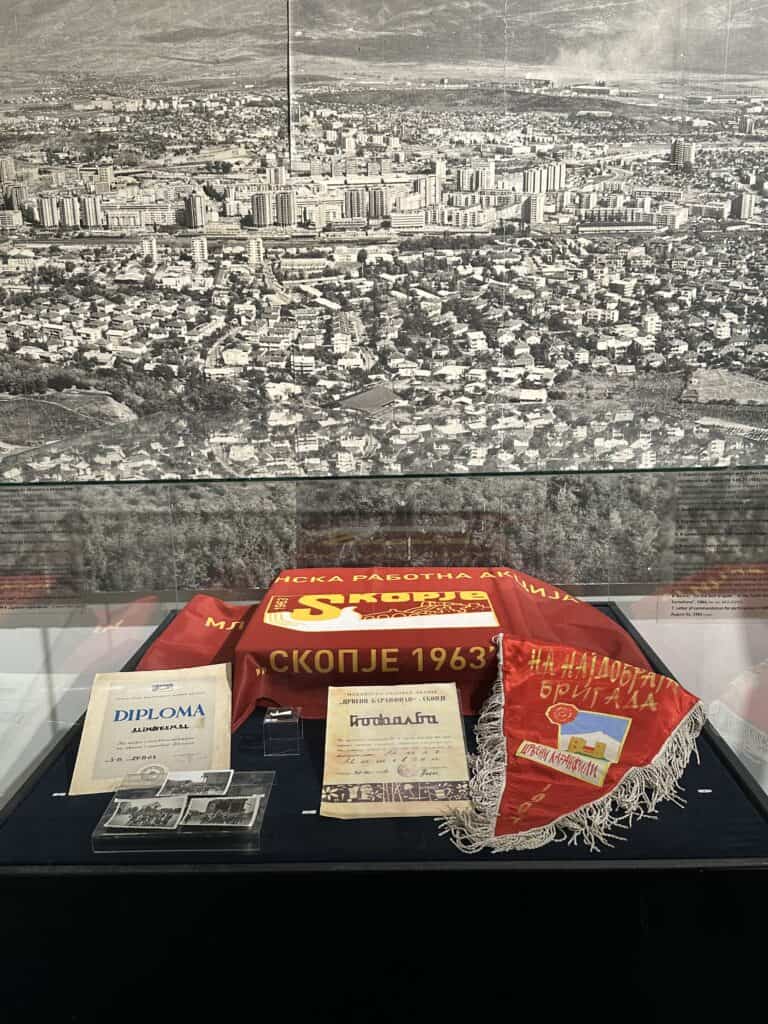
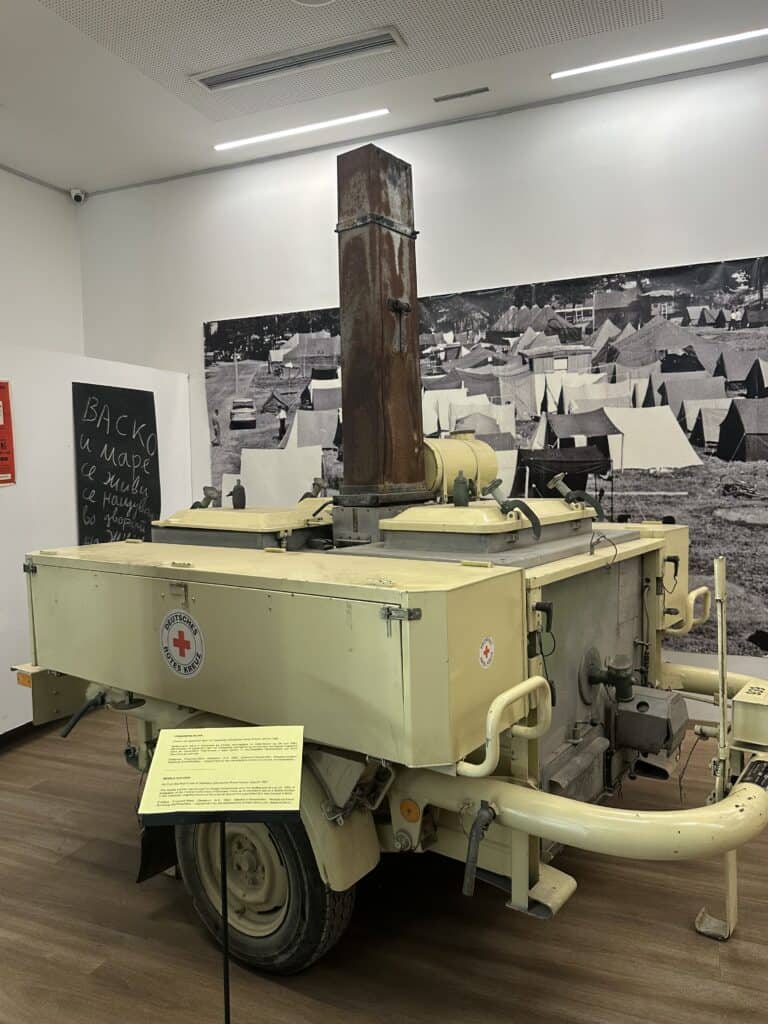
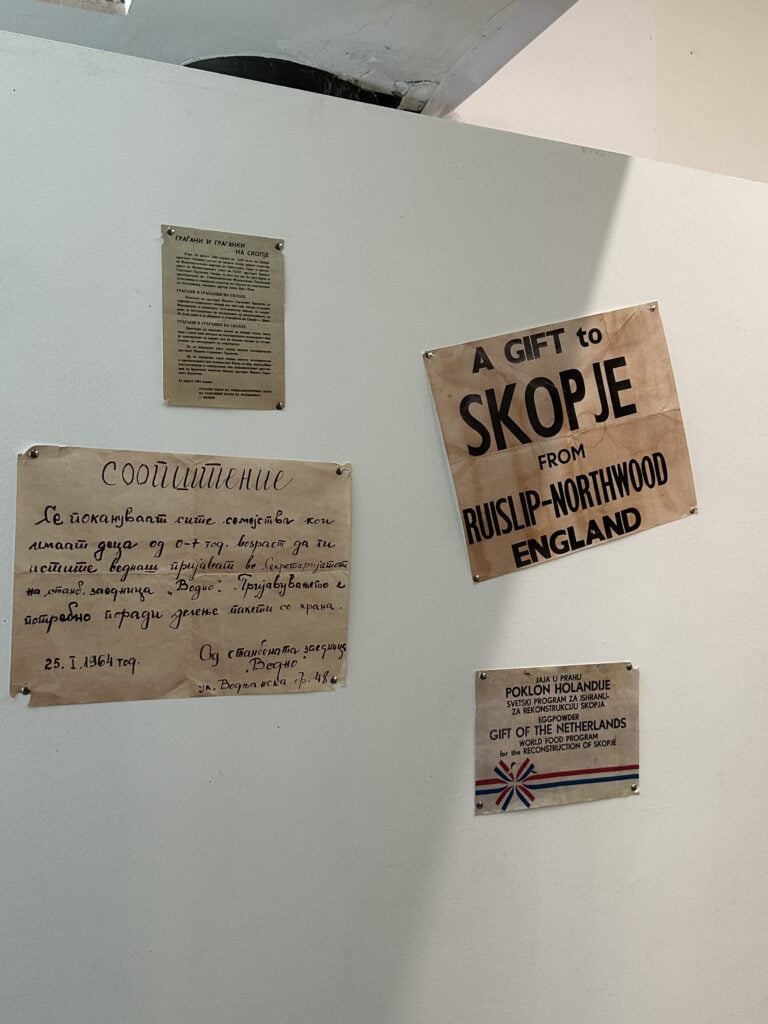
- 1963 Earthquake Exhibition: a section documenting the city’s destruction—and the subsequent international solidarity regarding its reconstruction—through photographs, film footage, and personal accounts.
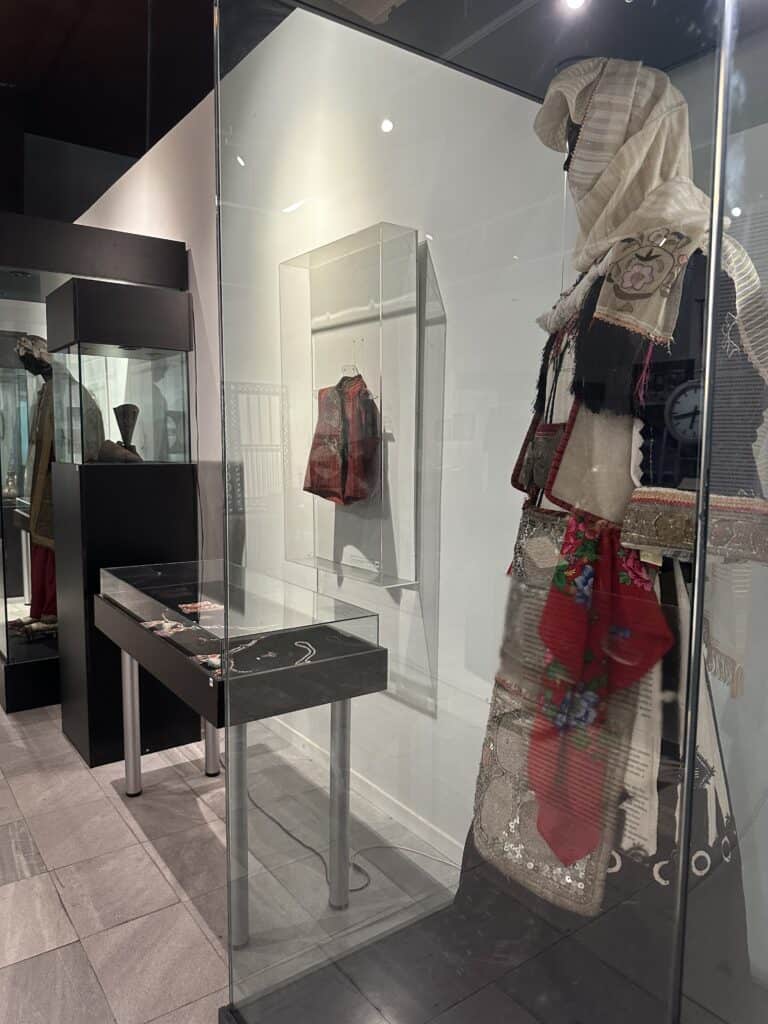
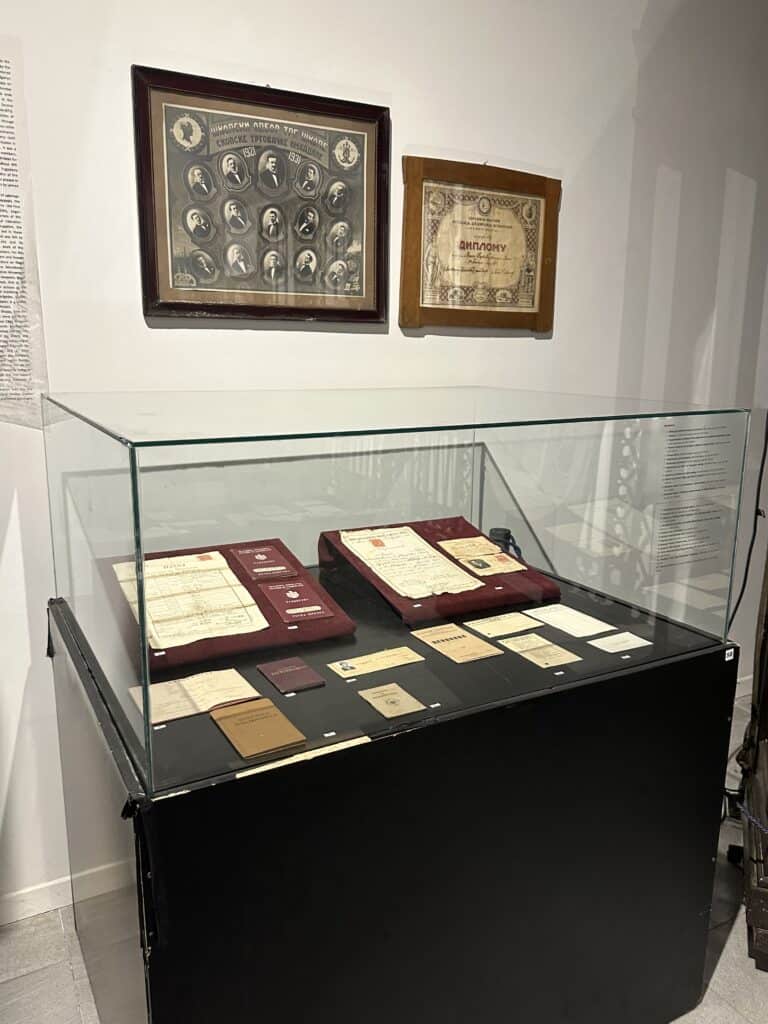
- History and Ethnology: traditional clothing, tools, and everyday objects tracing the Ottoman period and the Yugoslav era.
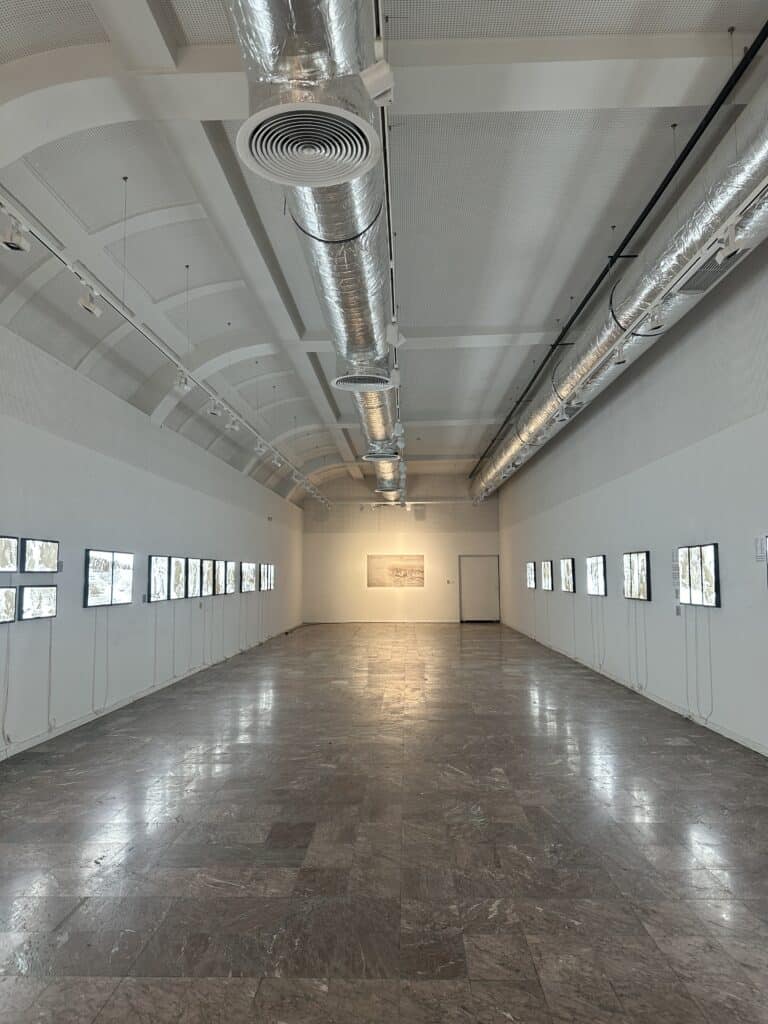
- Art Gallery: a space dedicated to temporary exhibitions by local and international artists.
Admission to the Skopje City Museum is free.