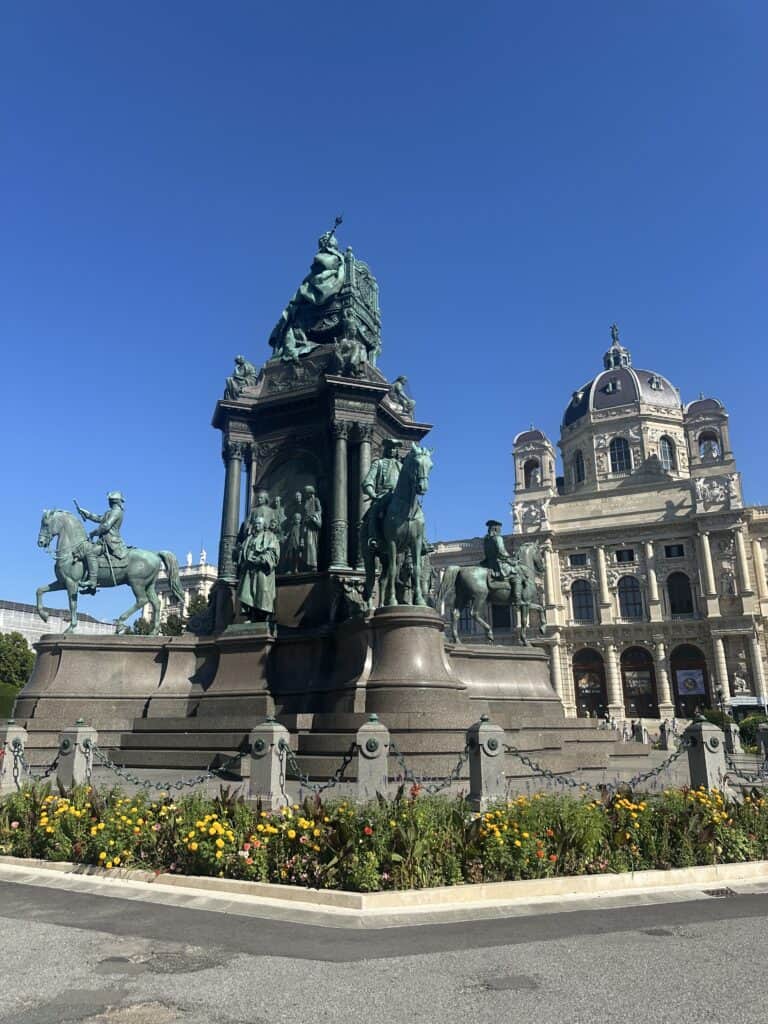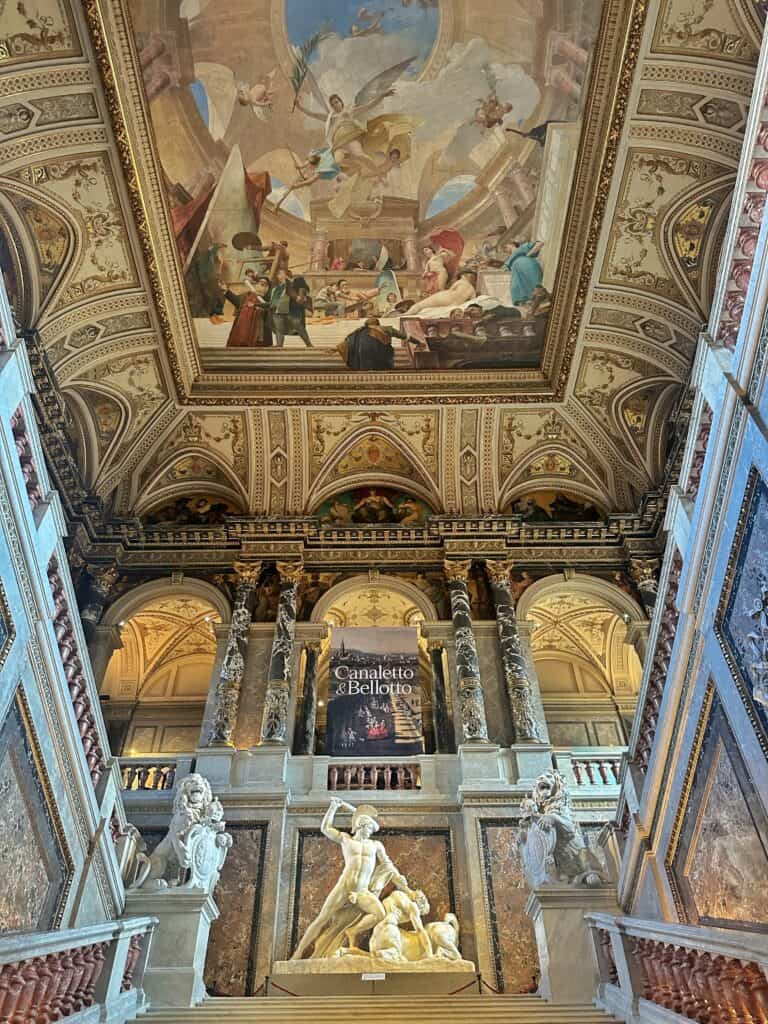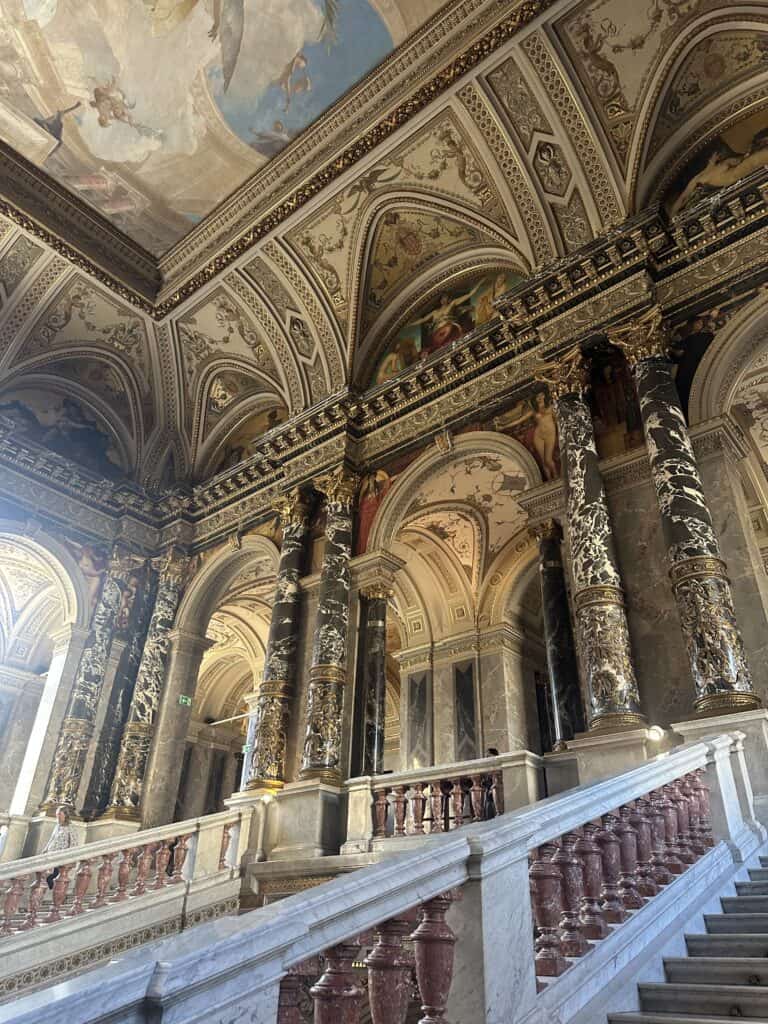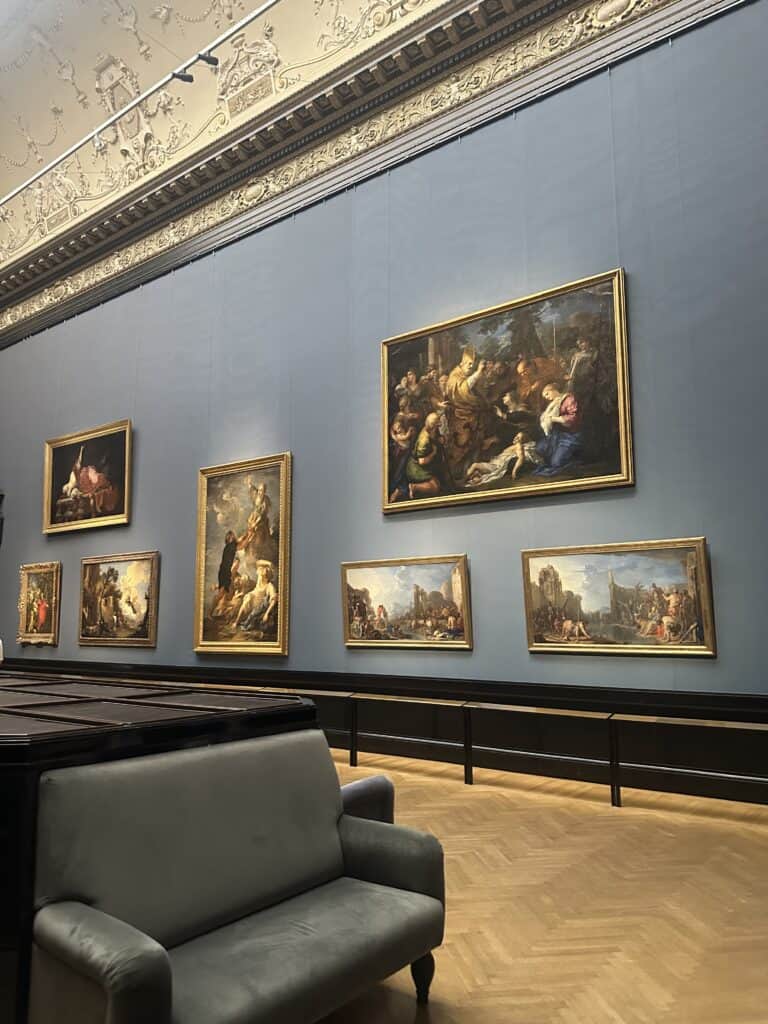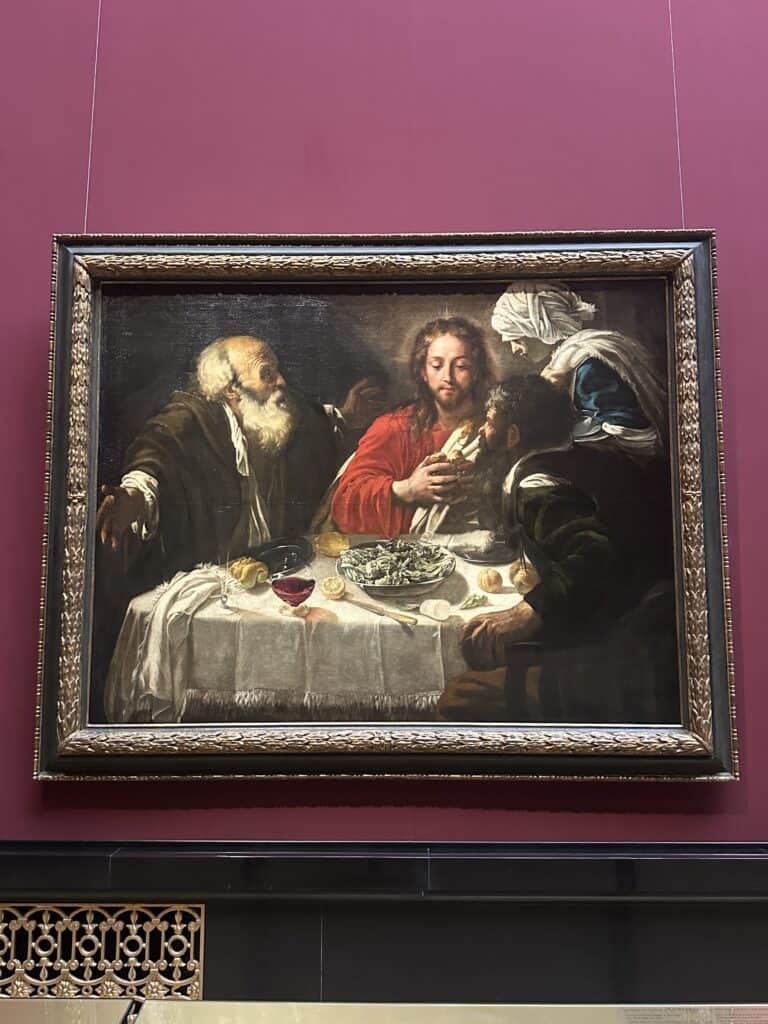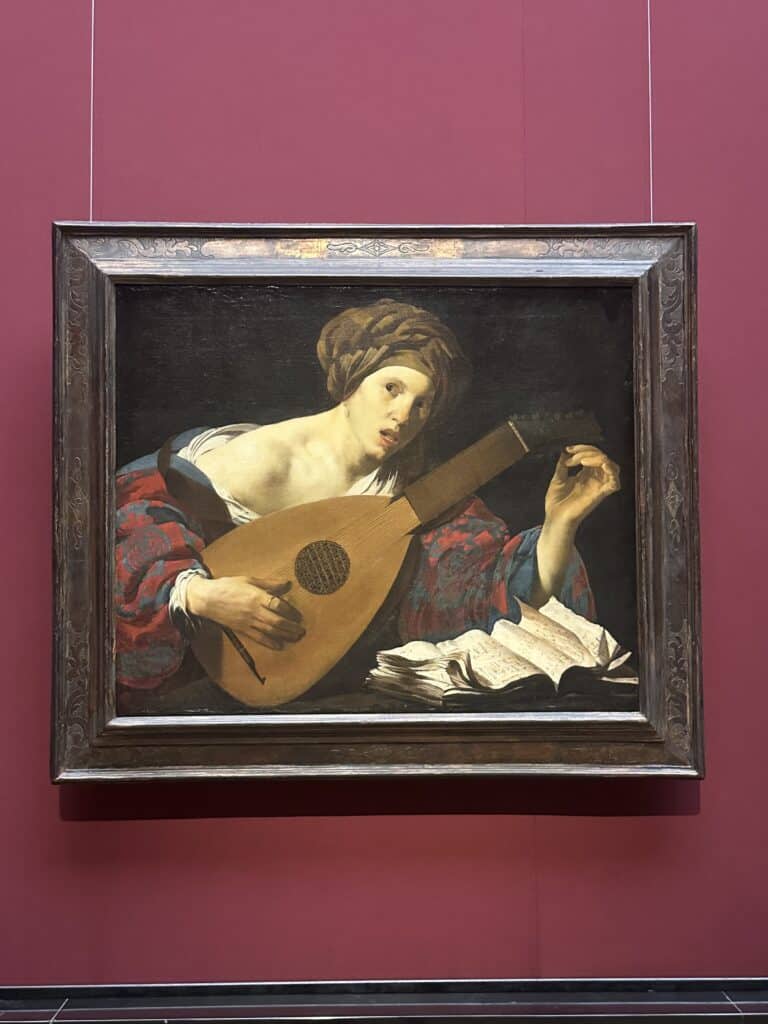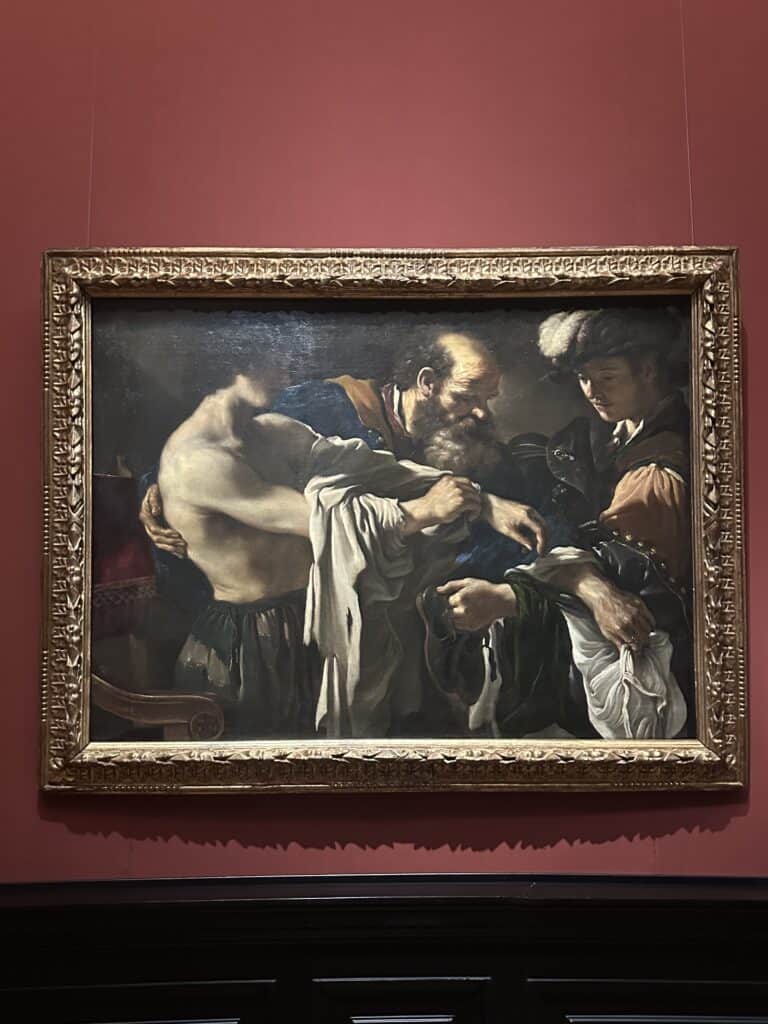
The Kunsthistorisches Museum in Vienna is one of the most important and richest museums in the world.
The Vienna Museum of Art History was built to house the private collections amassed over centuries by the emperors and archdukes of Austria.
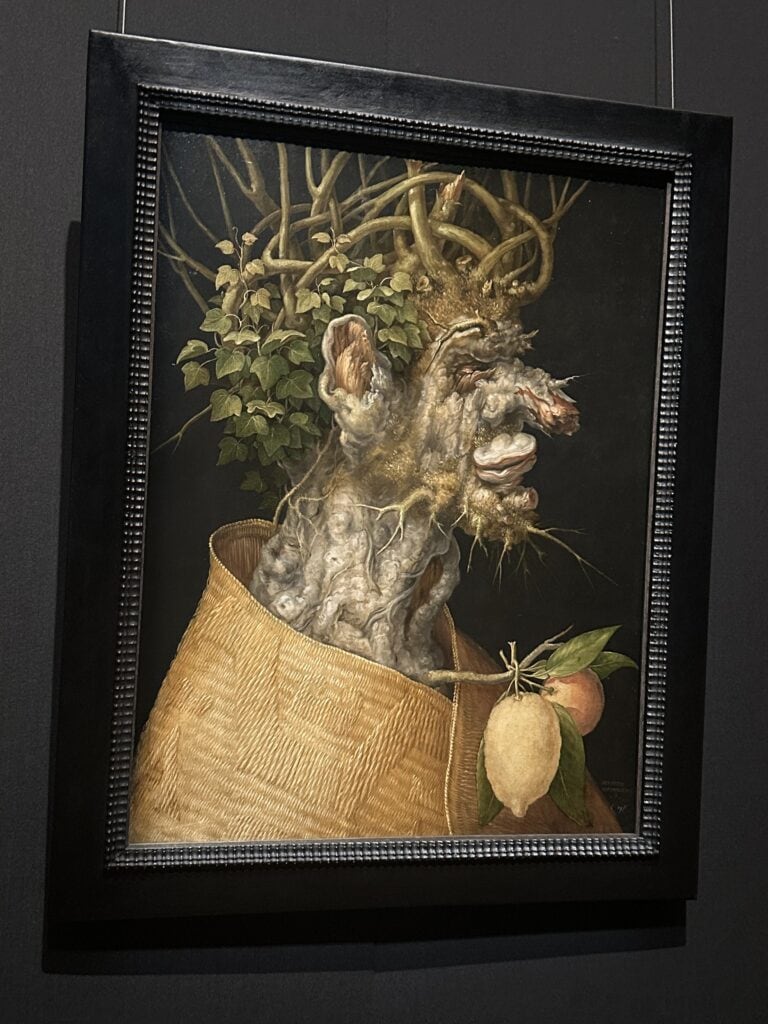
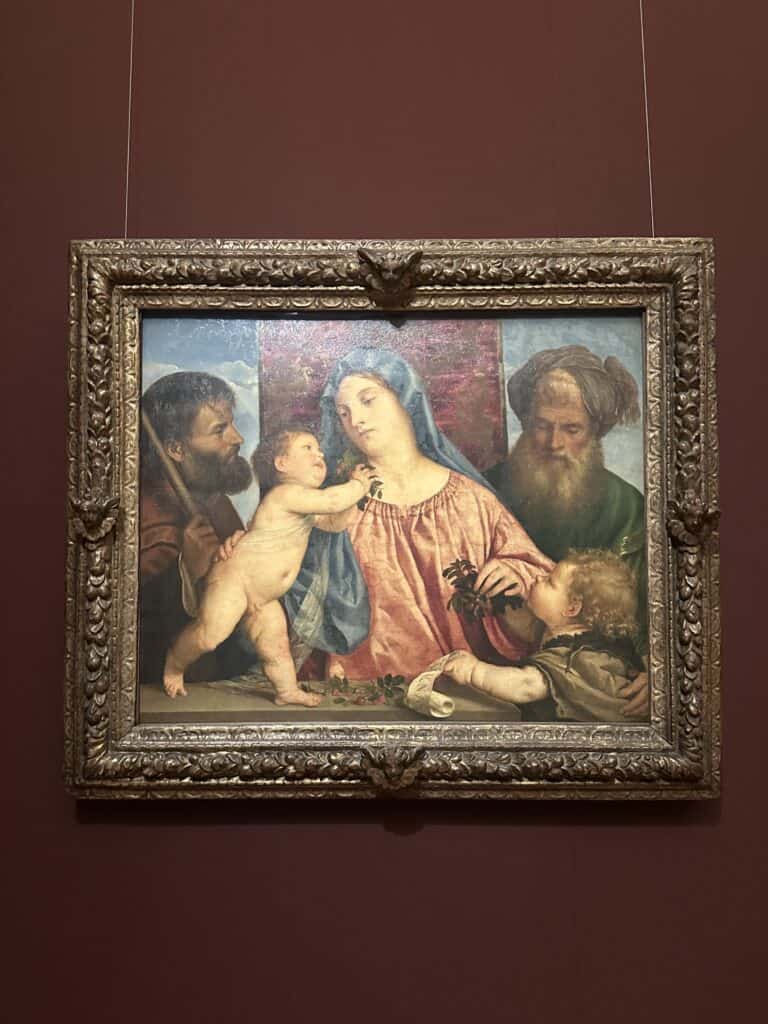
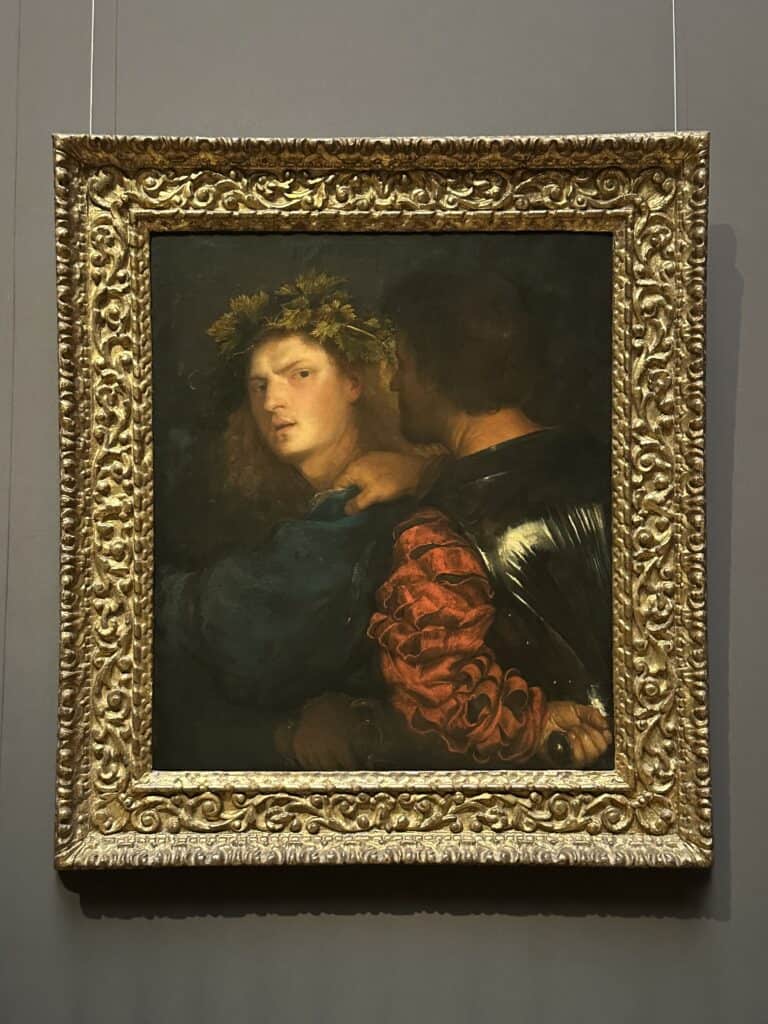
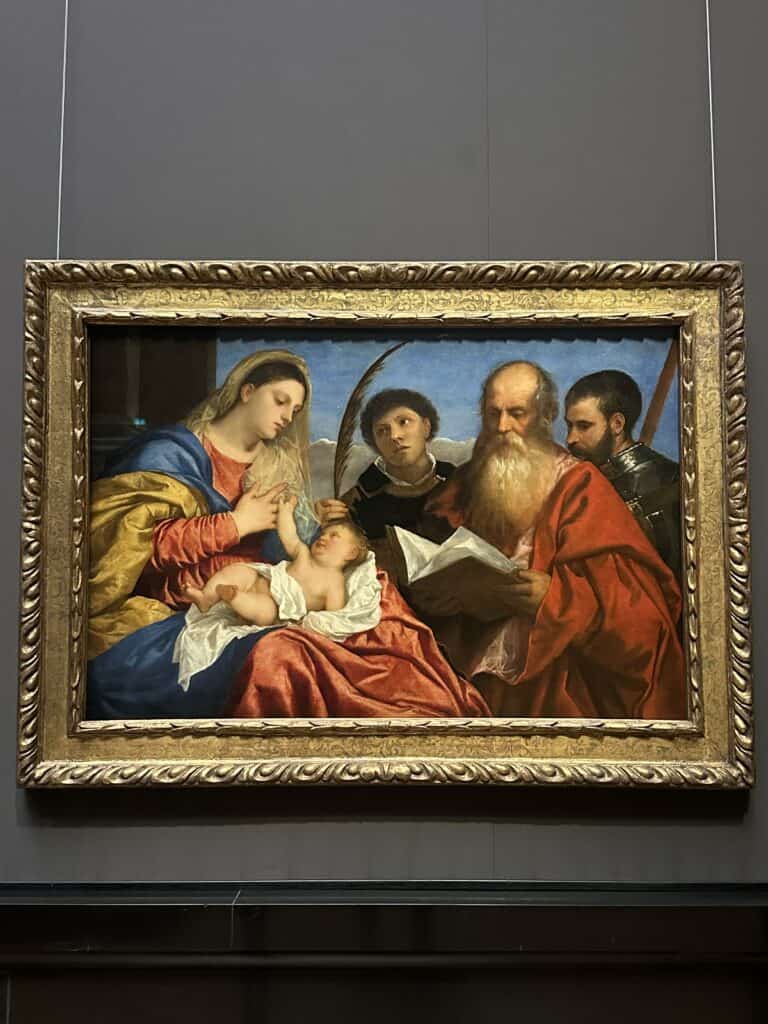
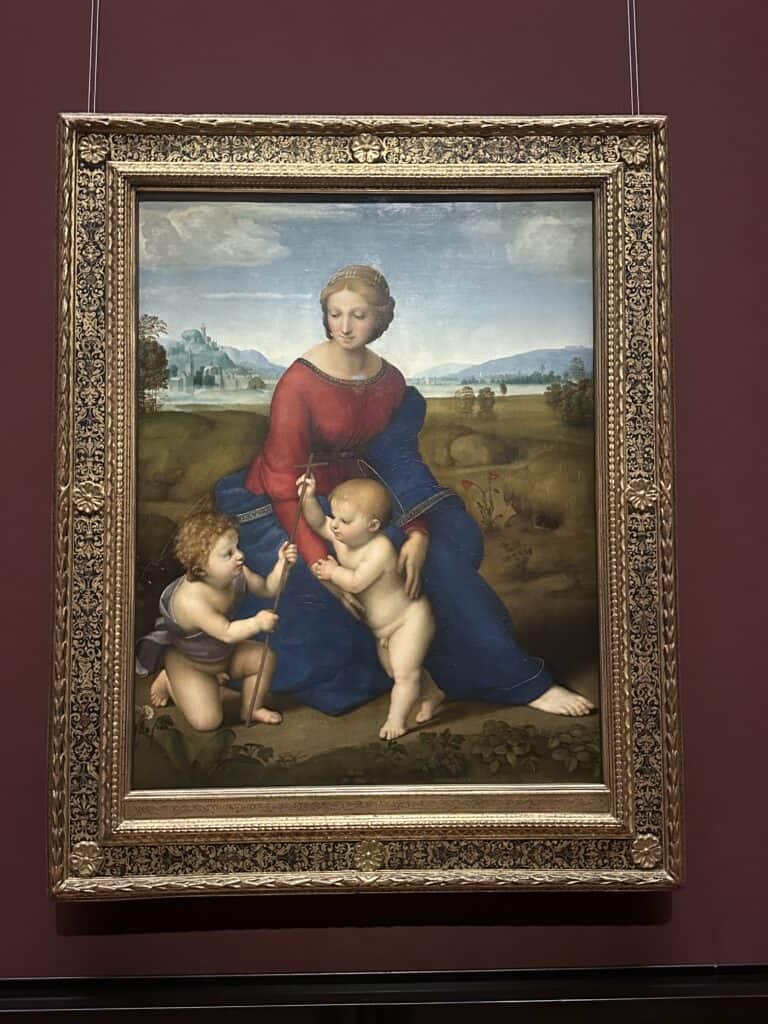
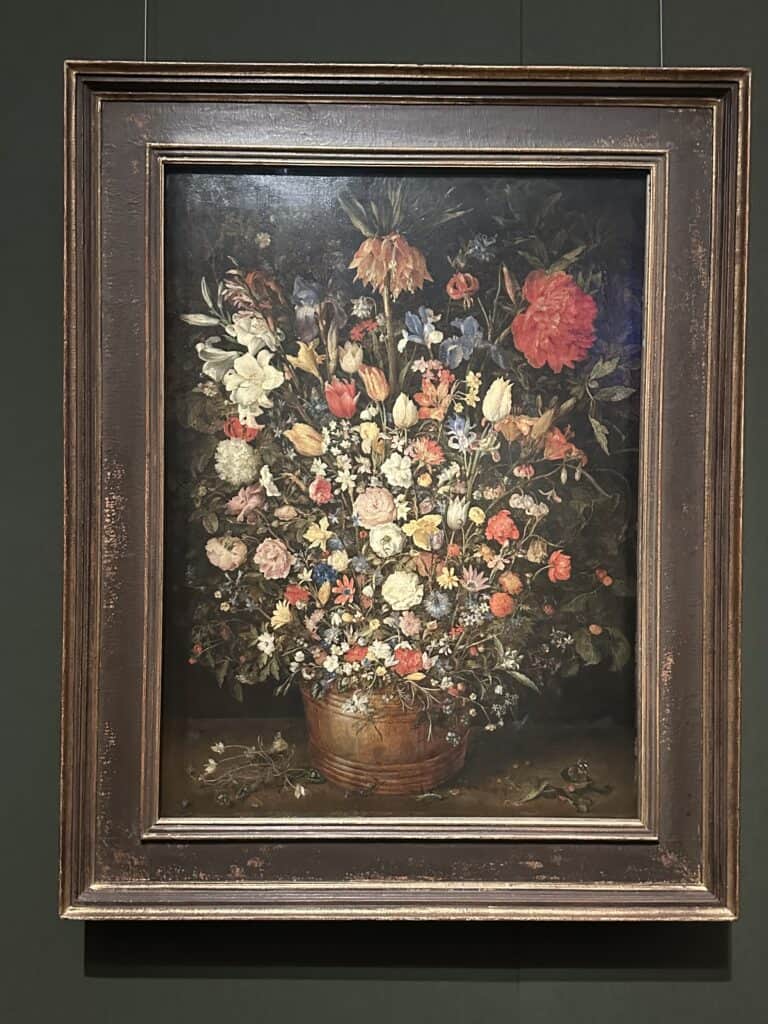
Among the key architects of this legacy are Emperor Rudolf II, who amassed an impressive number of paintings (including works by Bruegel and Arcimboldo), and Archduke Leopold Wilhelm, who purchased approximately 1,400 paintings by Flemish and Italian masters (such as Titian and Raphael), laying the true foundations of the Art Gallery.
Inaugurated in 1891, its collections span approximately five millennia of history, from Ancient Egypt to Late Baroque art.
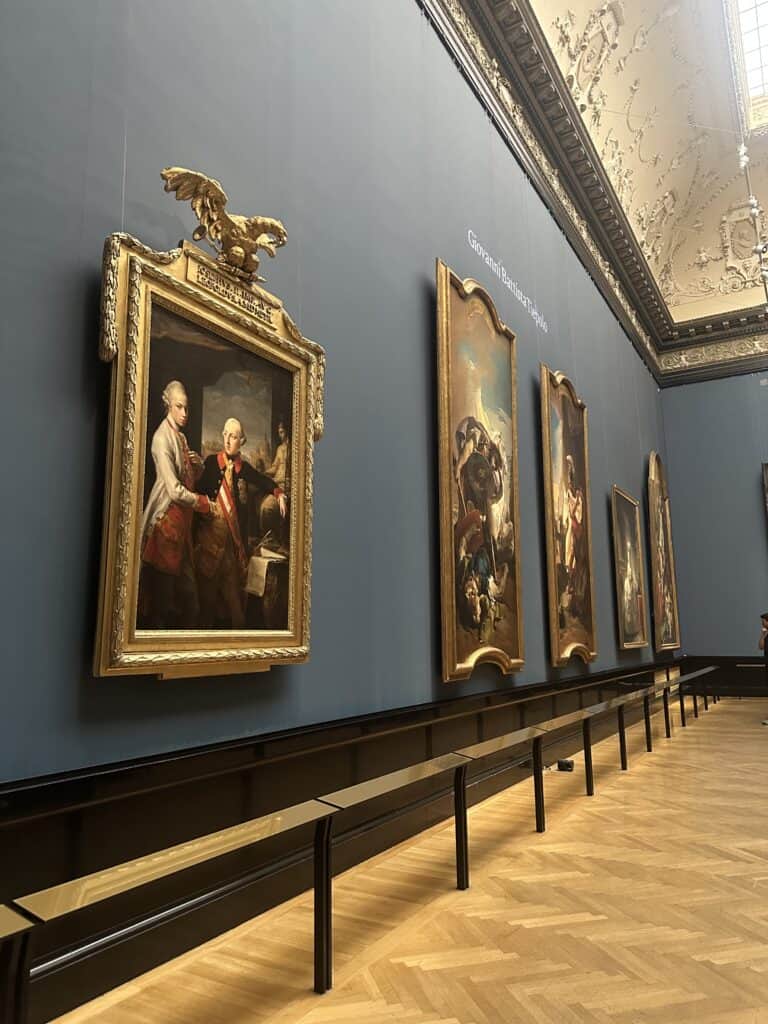
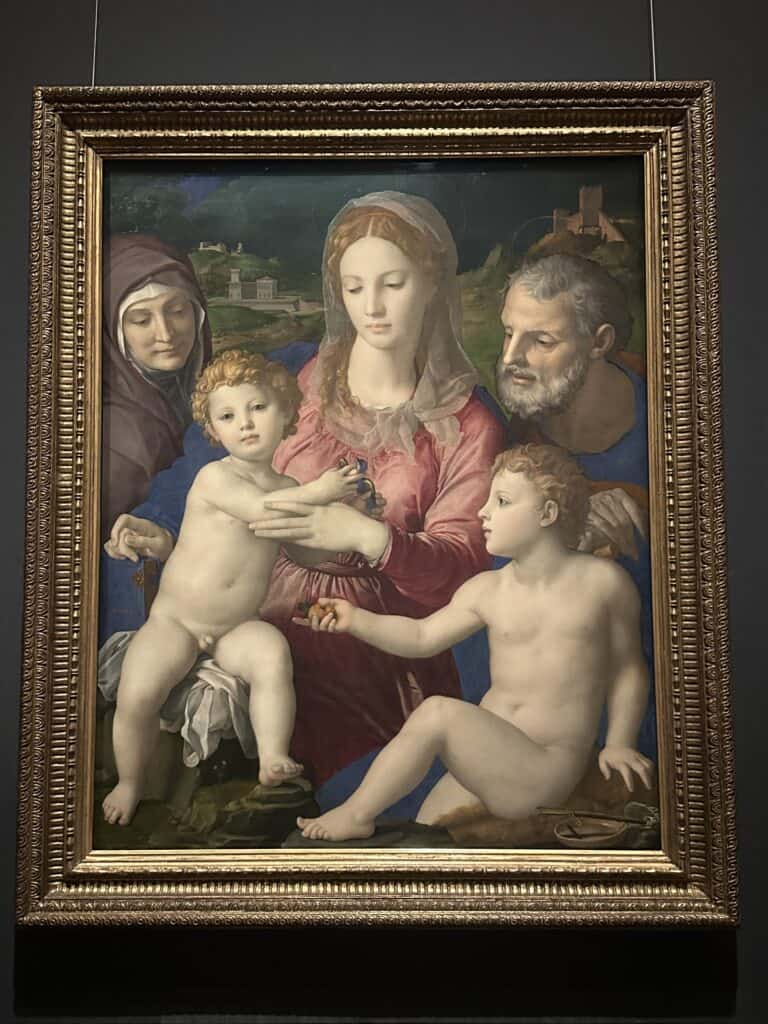
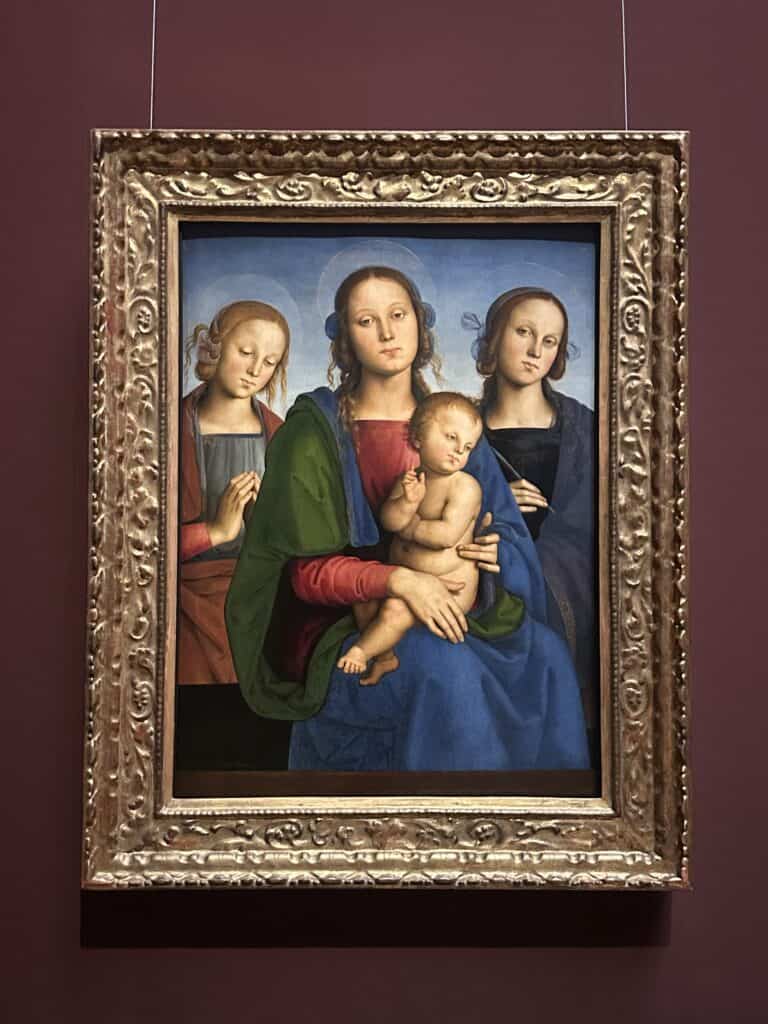
On the first floor is the Pinacoteca, the beating heart of the museum, housing one of the most prestigious collections of paintings in the world. It is divided into numerous rooms, but the main ones are:
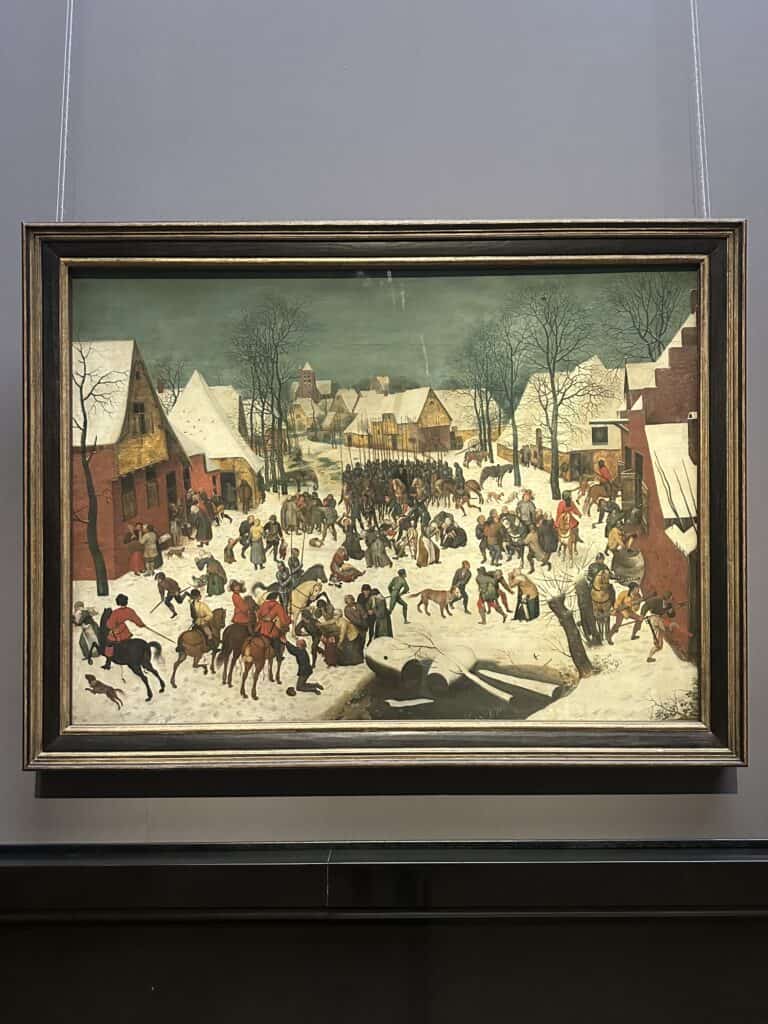
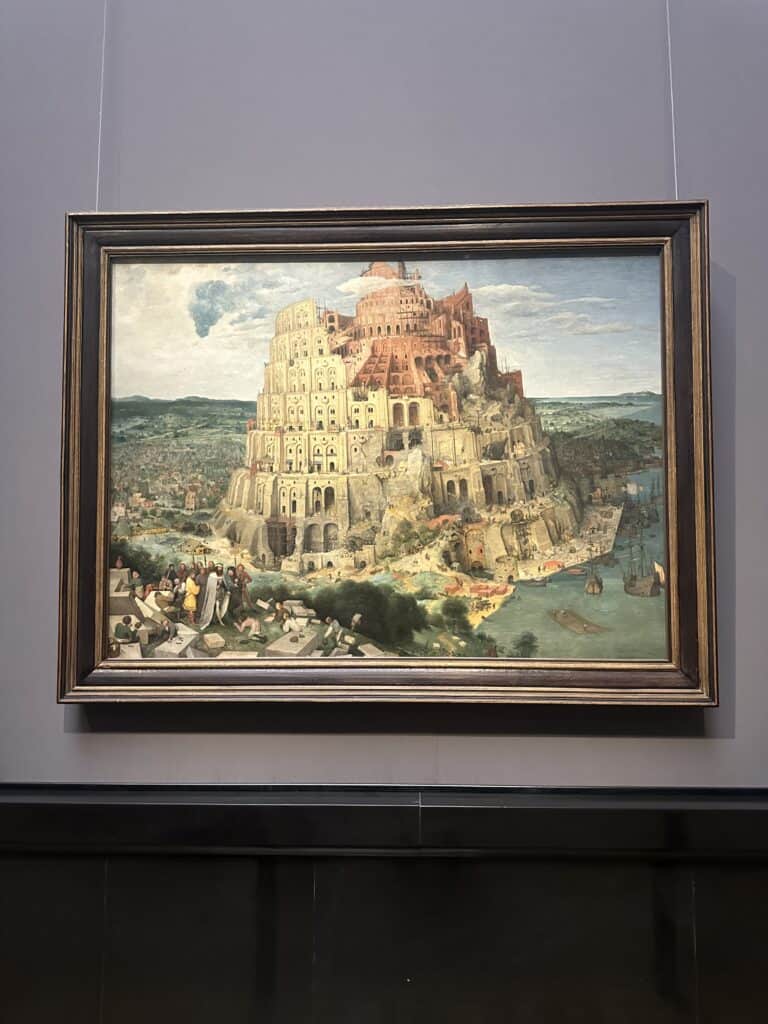
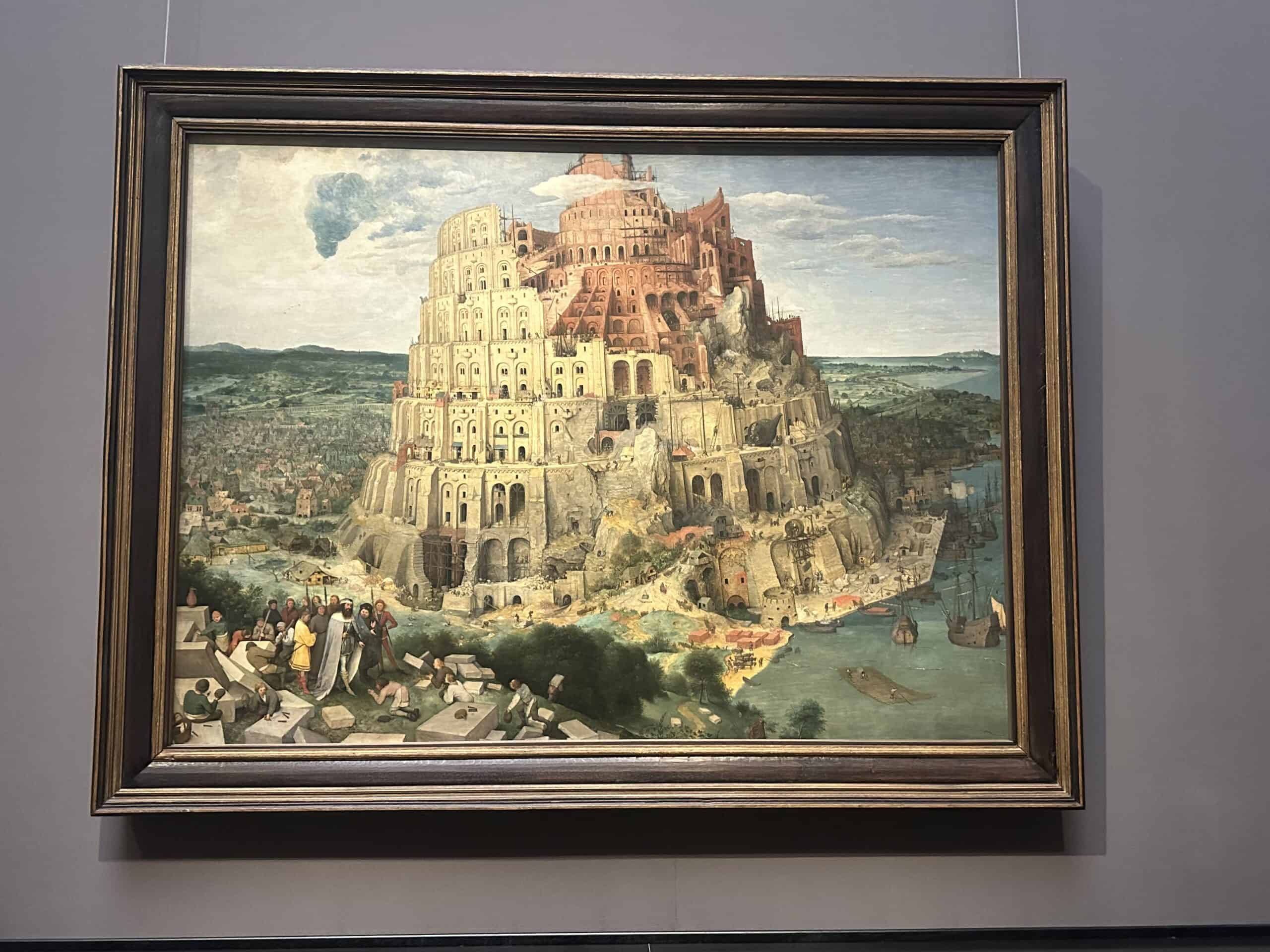
- The Pieter Bruegel the Elder Room: The museum has the world’s largest collection of works by this Flemish master, including The Tower of Babel from 1563 and Hunters in the Snow, the first true winter painting in the history of art.
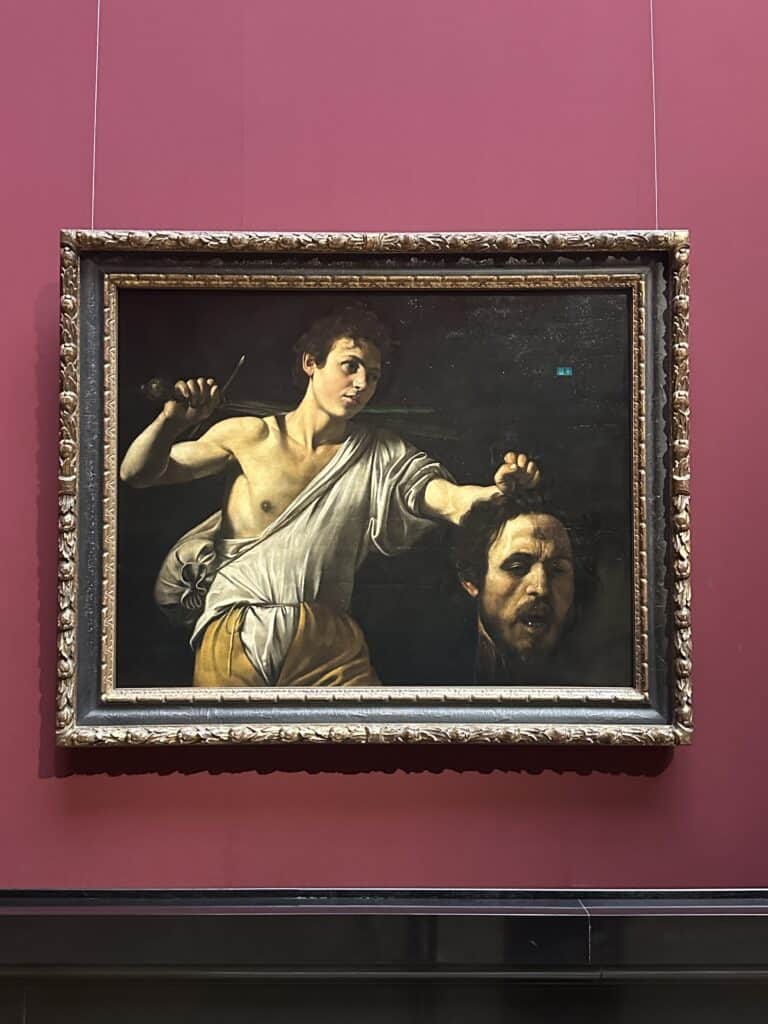
- The Italian Masters: These rooms house Raphael’s Madonna of the Meadow, Caravaggio’s David with the Head of Goliath, and numerous masterpieces by Titian and Giorgione.
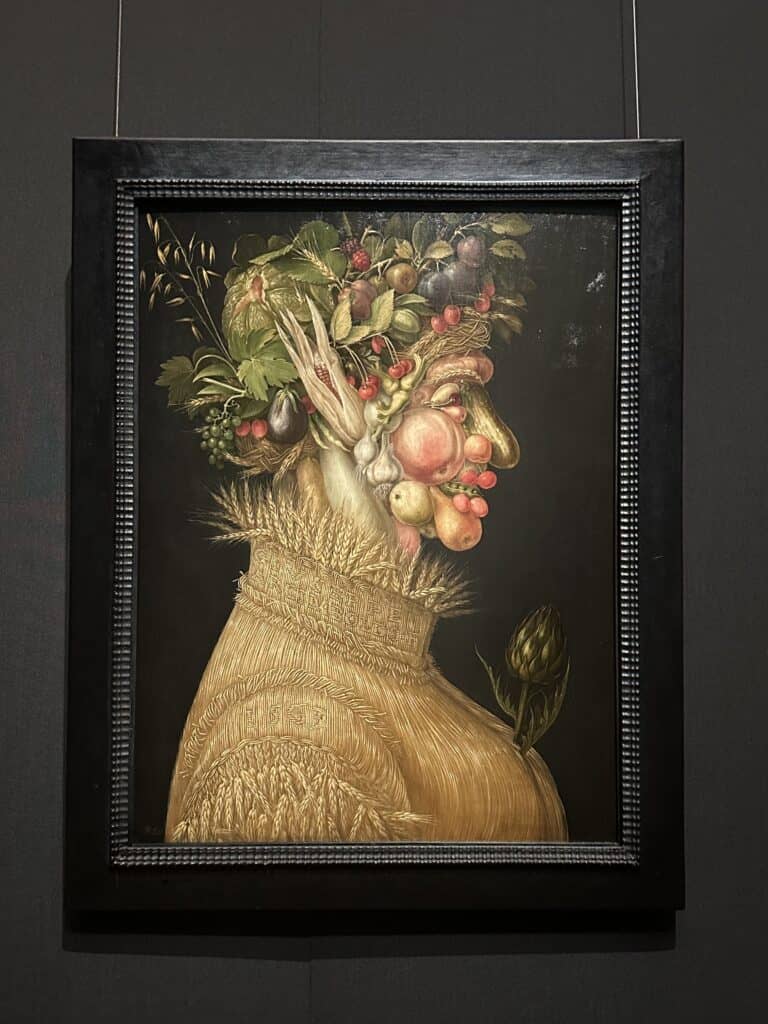
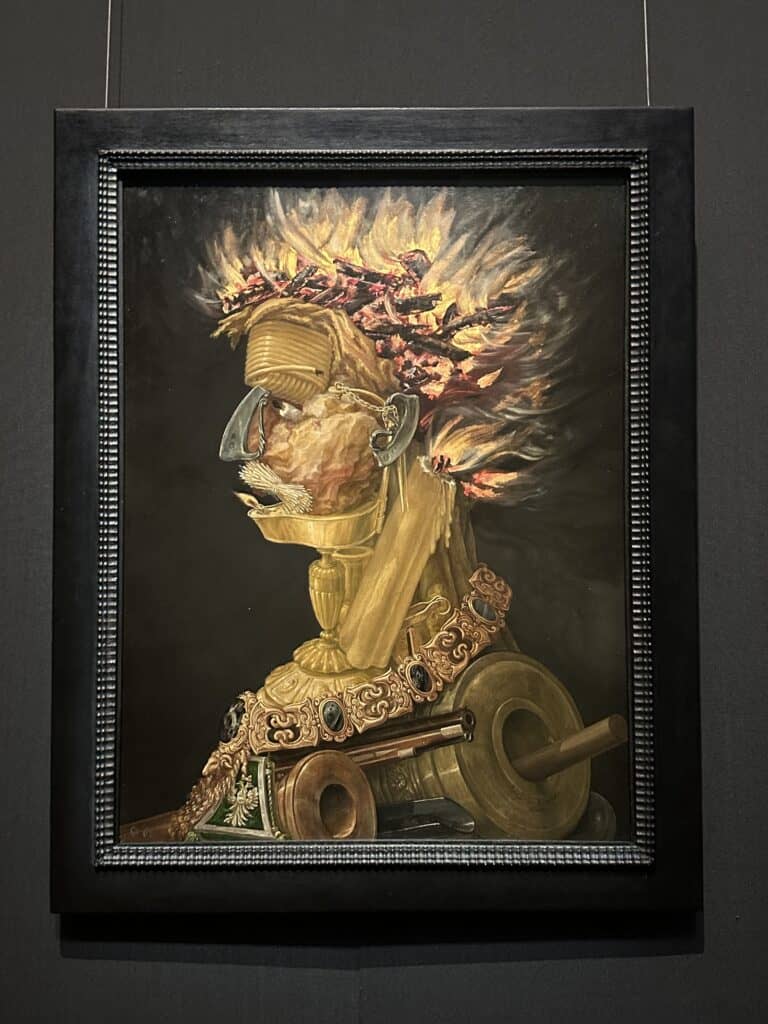
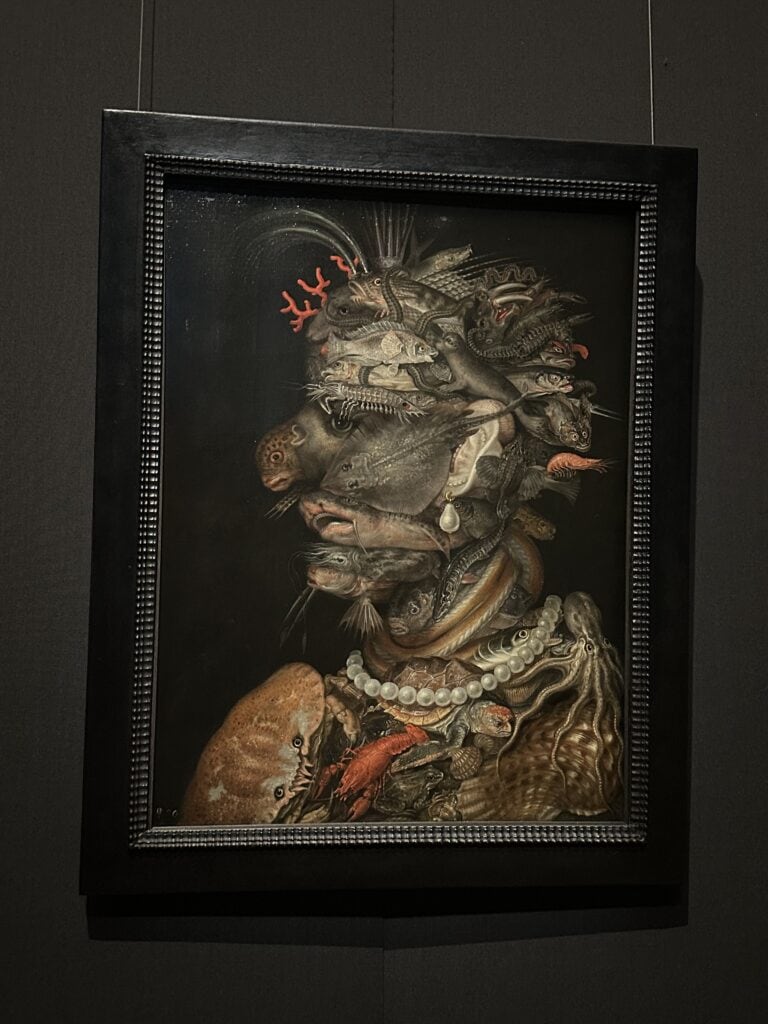
- The Great European Masters: The Art of Painting by Johannes Vermeer (one of the artist’s very few surviving paintings), Velázquez’s portraits of the Infantes of Spain, and Giuseppe Arcimboldo’s famous Composite Heads (Summer, Autumn, Water, and Fire).
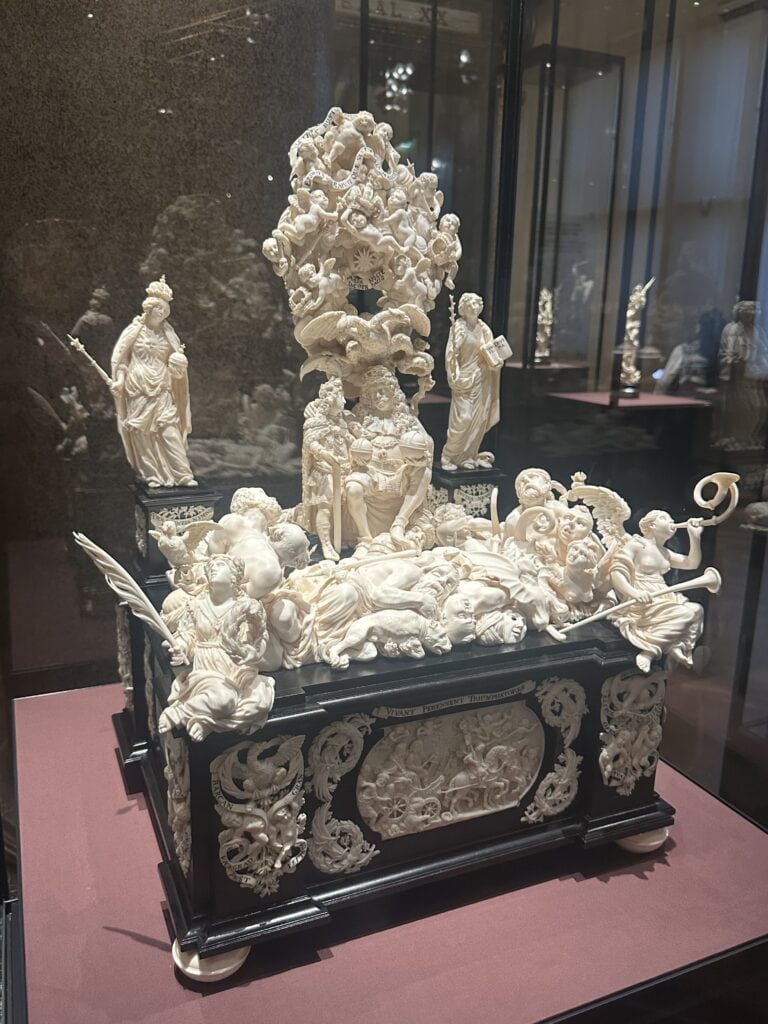
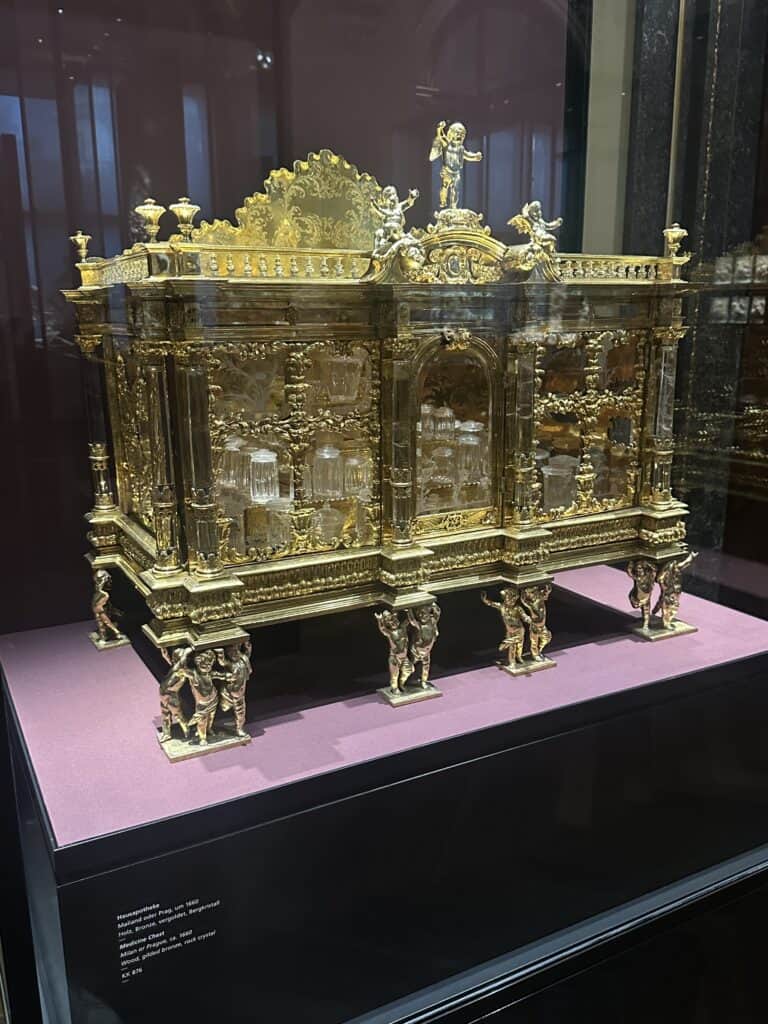
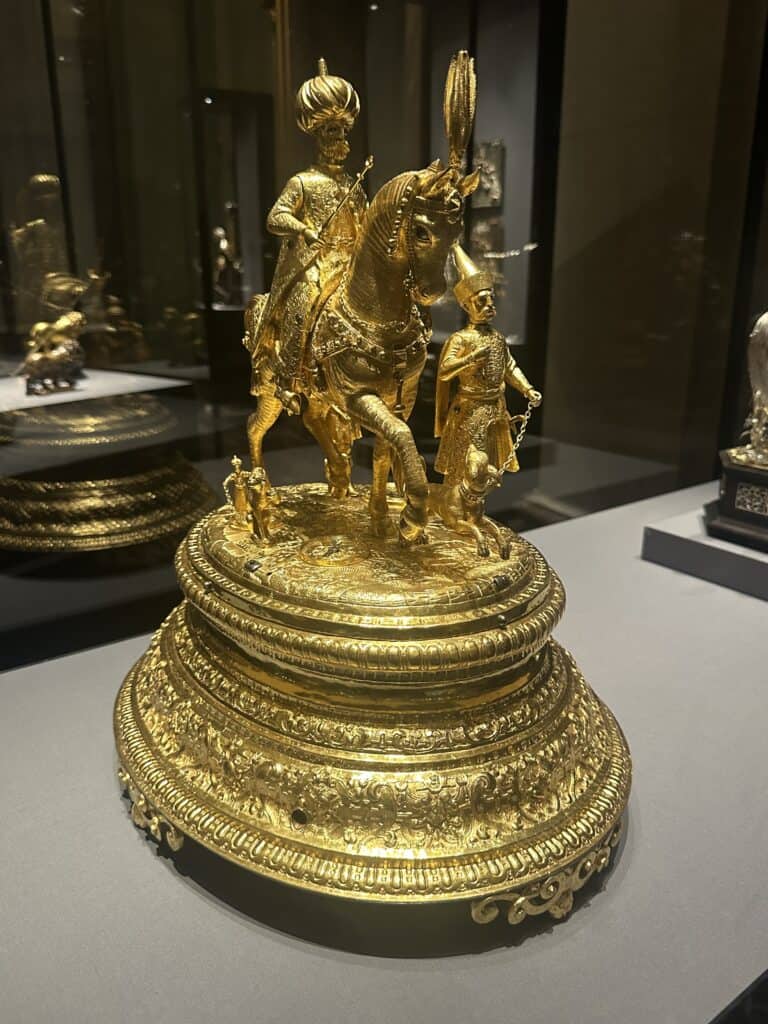
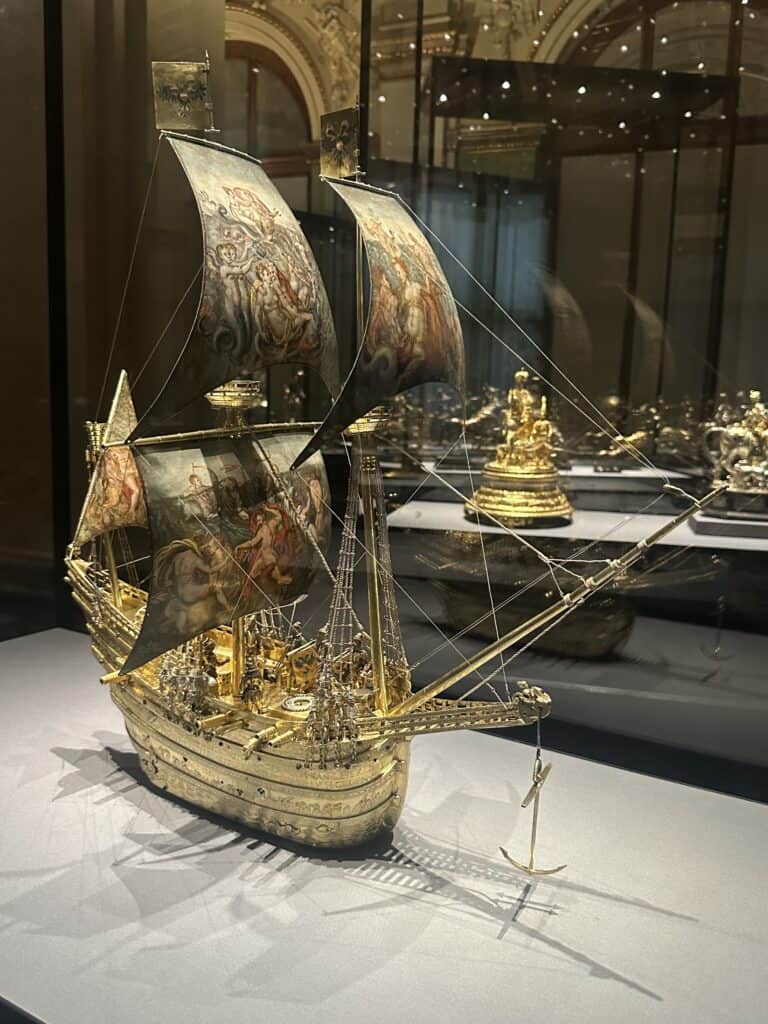
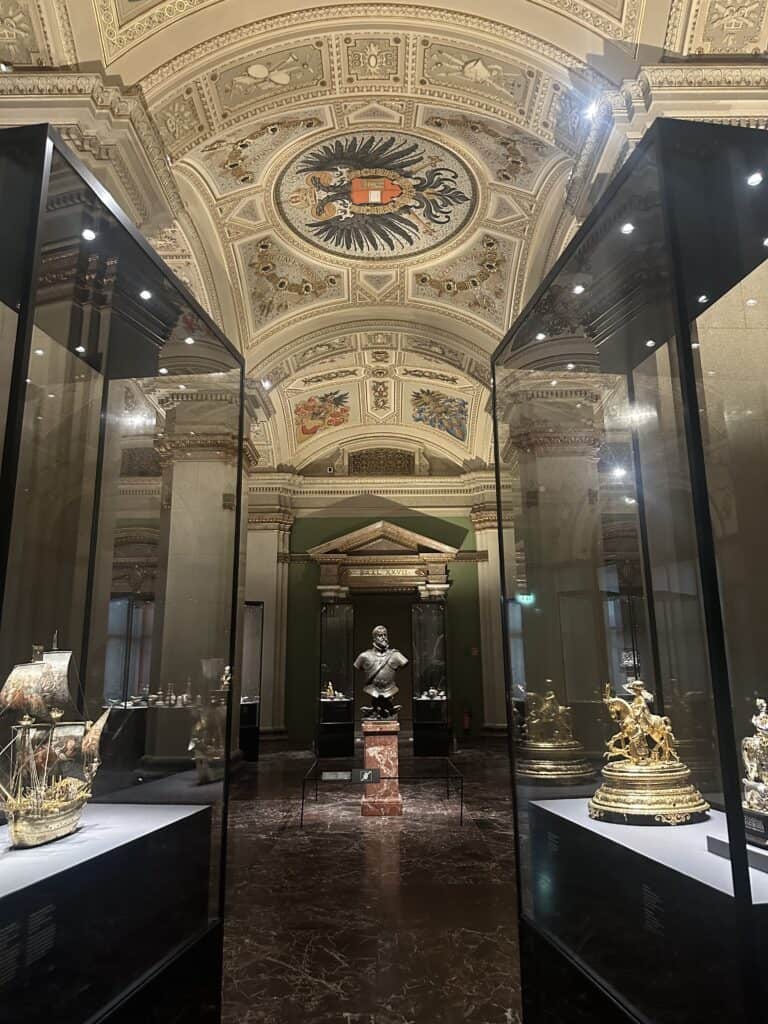
The Kunstkammer on the ground floor displays the most precious and rare treasures collected by the Habsburgs over the centuries.
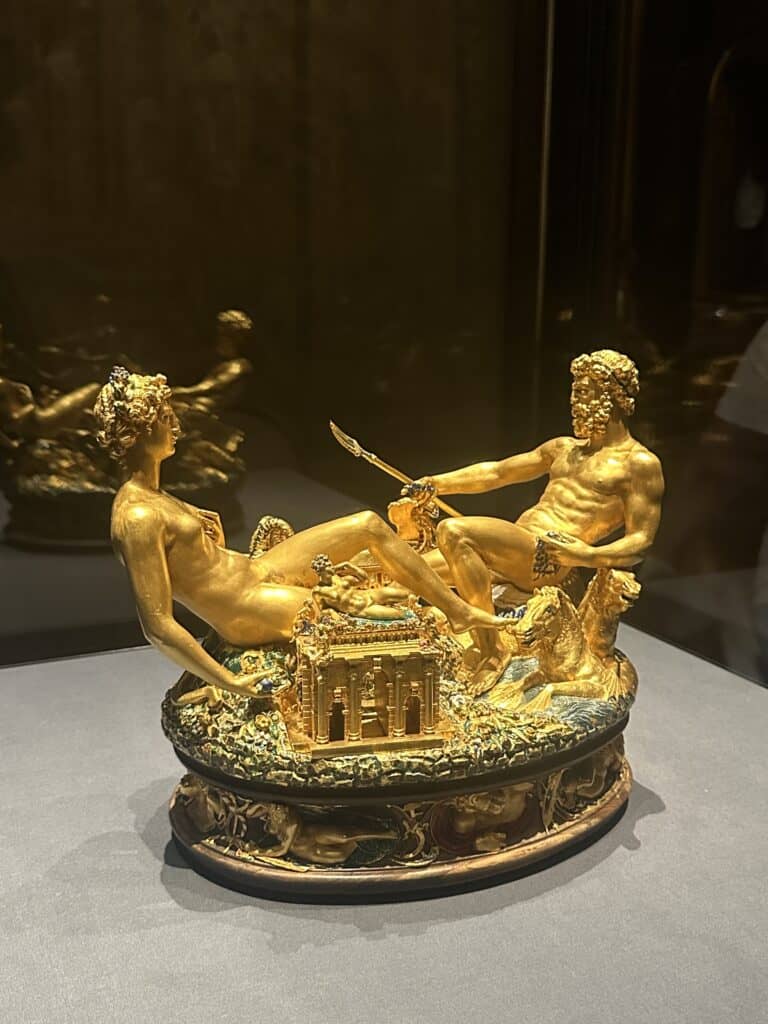
These rooms feature gold and precious stone artifacts, such as Benvenuto Cellini’s Salt Cellar, the Florentine artist’s only surviving gold sculpture, and Imperial Curiosities, such as complex mechanical automatons and scientific artifacts unique for their technical brilliance.
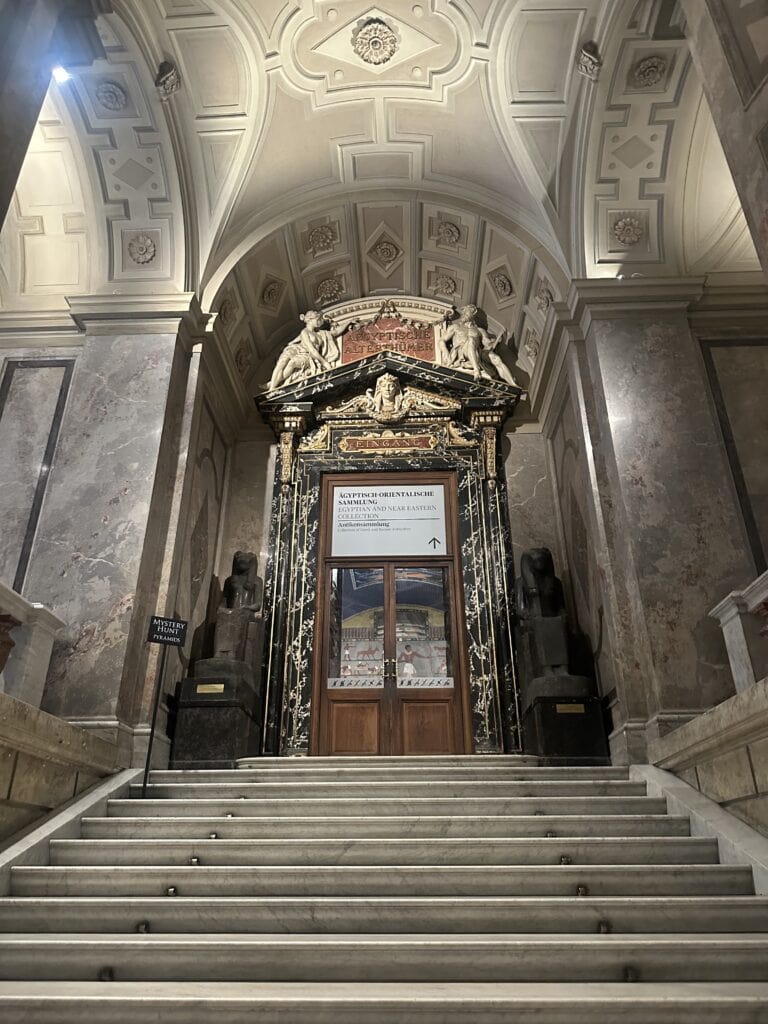
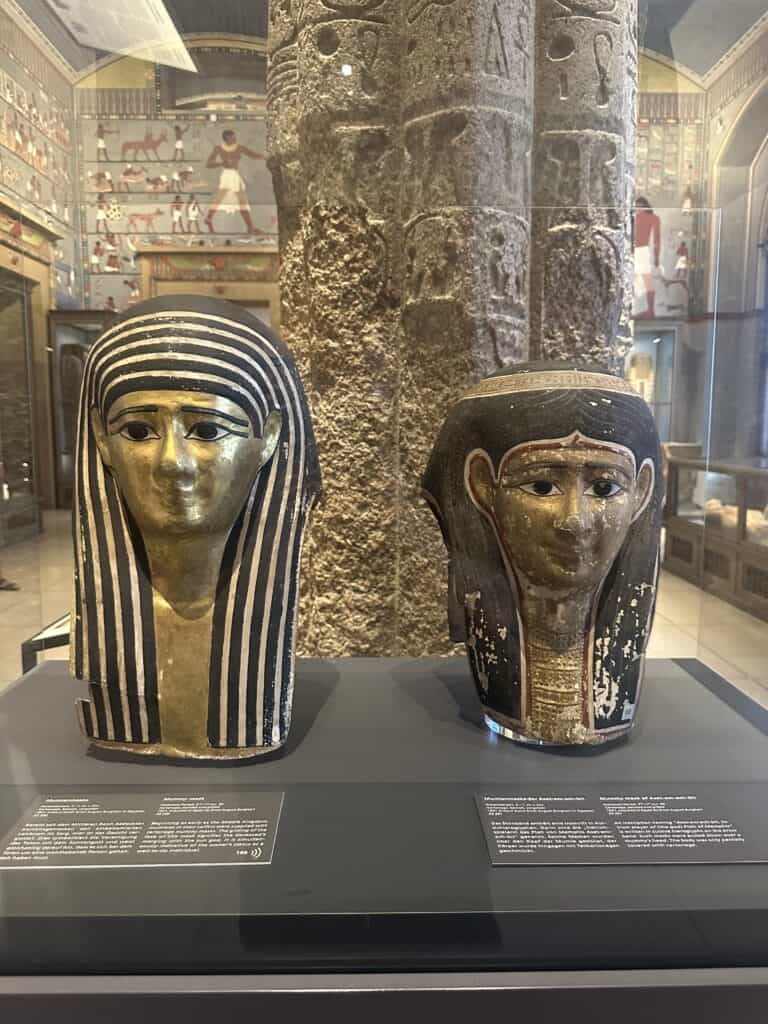
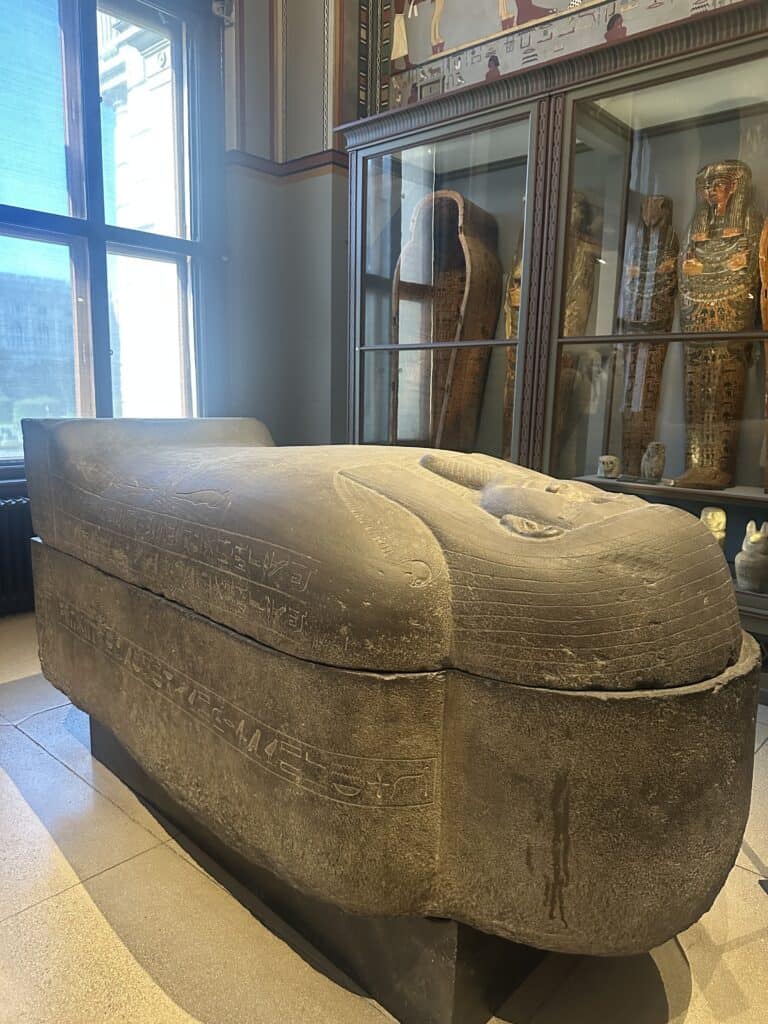
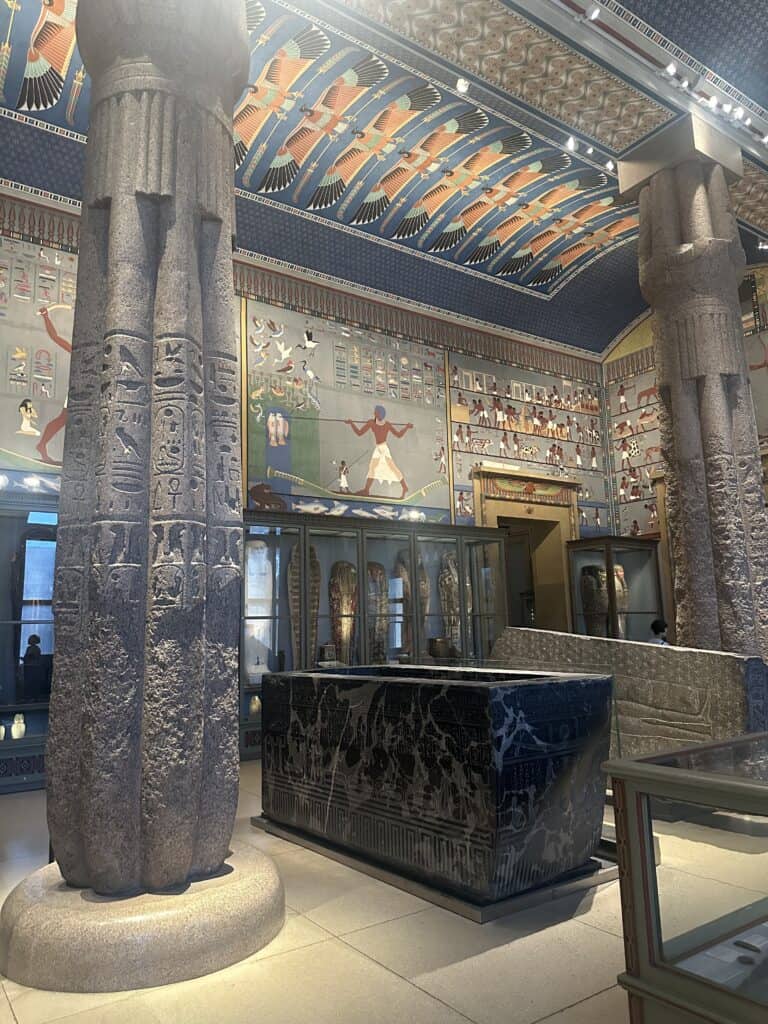
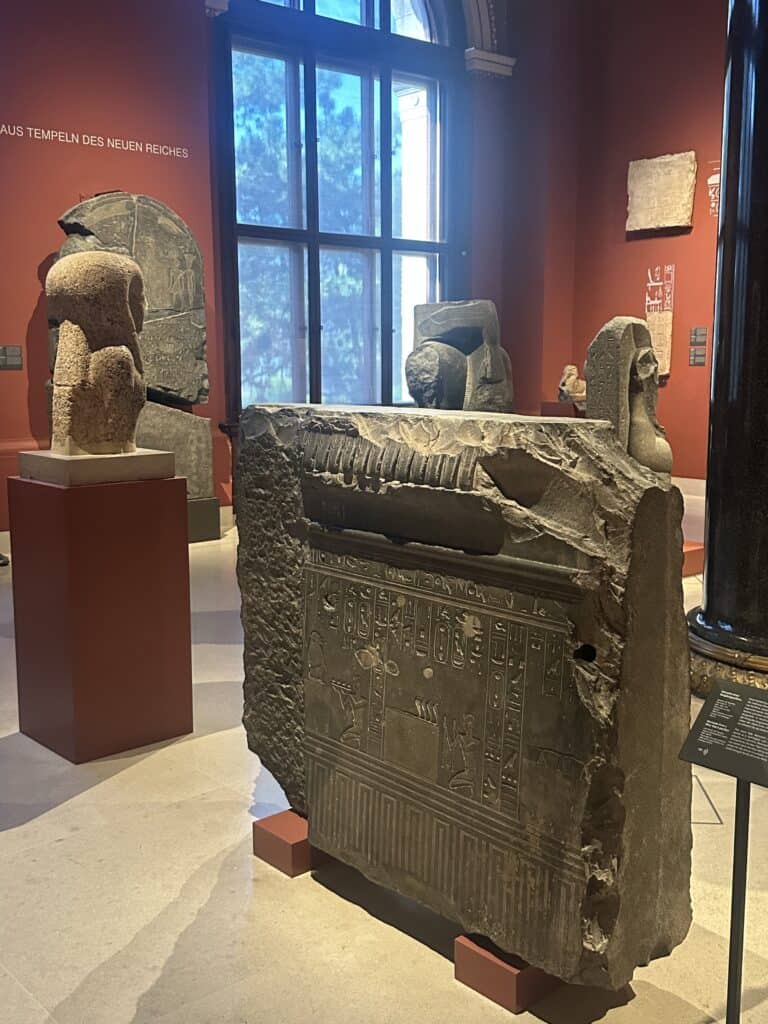
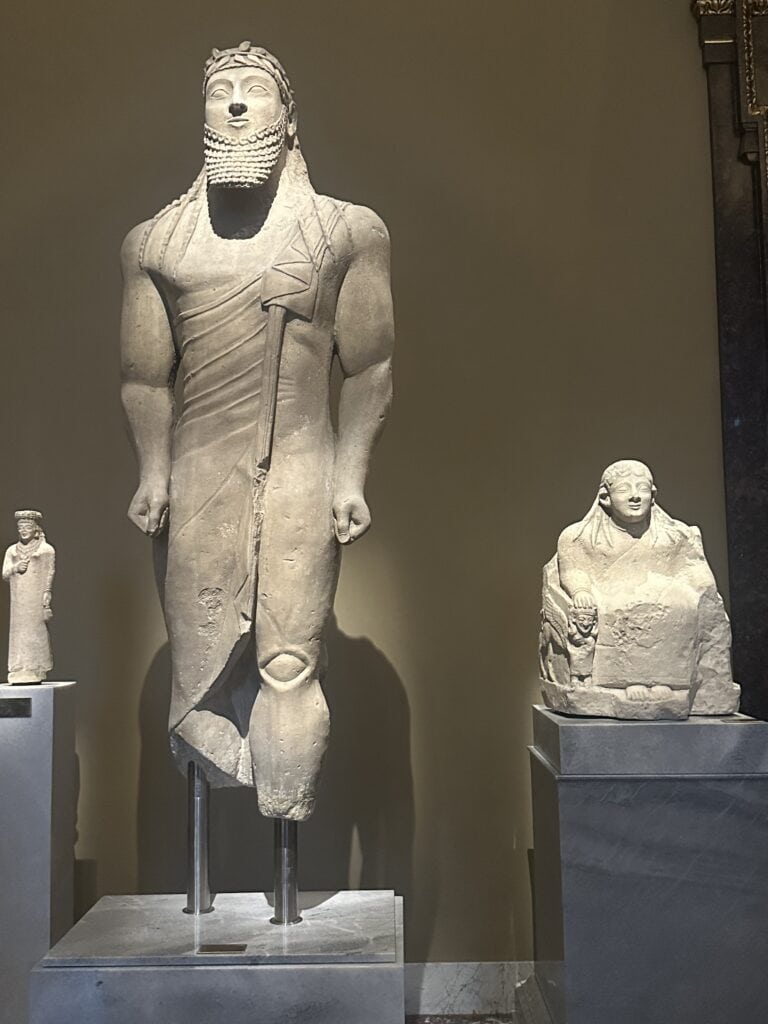
The ground floor also houses the Egyptian, Greek, Roman, and Near Eastern Antiquities rooms.
In 1918, with the end of World War I and the fall of the Habsburg monarchy, the museum and all its collections became the property of the Republic of Austria.
During World War II and the numerous Allied bombings of Vienna, the palace was severely damaged, but fortunately the works were transferred to mines and shelters at the beginning of the conflict.
The Museum of Art History was completely renovated and reopened in 1953.
Admission fees vary depending on the type of purchase. For adults, it costs €22 if purchased online, or €24 if purchased directly at the ticket office. Children under 19 are admitted free of charge (prices updated as of August 2026).
The Vienna Pass entitles visitors to free admission.
From 8th September 2026, museum admission is only possible by pre-booking a time slot.